Australia‘s best wineries of the year have been announced

hero media
Halliday Wine Companion has unveiled its shortlist of Australia’s top wineries, and now we wait to see who takes the crown.

Whether you’re a wine aficionado, dabbler or enthusiastic drinker, every year when the Halliday Wine Companion releases its carefully selected annual shortlist of wineries, it’s very good news. This year, the Halliday judges reviewed over 8000 wines across more than 945 wineries around Victoria, New South Wales, South Australia, Tasmania and Western Australia. And while it will be the job of average Australians to vote for their number one picks, it’s safe to say that this shortlist is the perfect guide to help plan your next wine trip or dinner party accompaniments.

“The last 12 months have posed many challenges for the Australian Wine Industry. The annual Halliday Awards offer winemakers, viticulturists, wine drinkers and the agricultural and farming communities the opportunity to pause and acknowledge the breadth of talent, quality and skill in the Australian wine landscape. We look forward to celebrating our makers and their wares and sharing their accolades with the rest of the world," said Katrina Butler, Head of Tasting Halliday Wine Companion.

The 2026 Halliday Wine Companion (the bestselling and definitive guide to Australian wine, for those not yet in the know) will include over 60 new producers, each with tasting notes and scores.
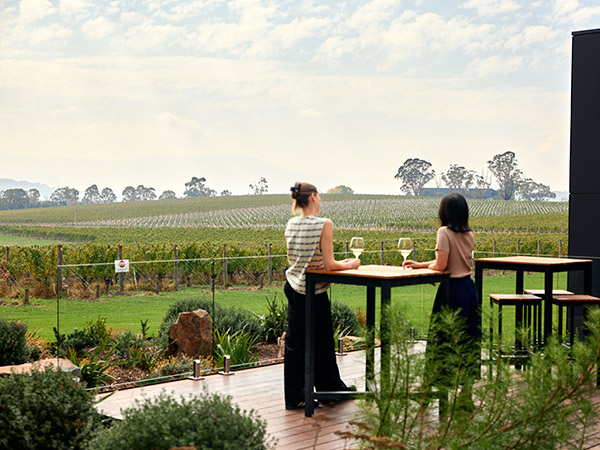
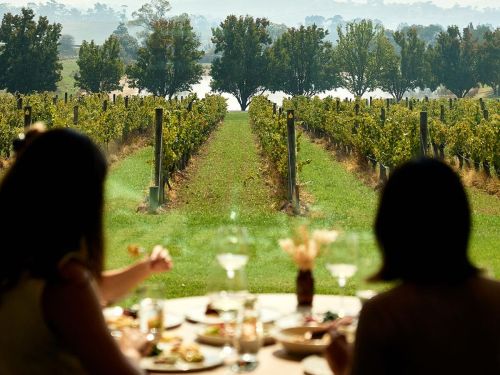
Oakridge Wines, Vic
Australian wineries are bringing the goods. (Image: Visit Vic)

But now, to the main event. The Winery Of The Year shortlisted venues are (in no particular order):

1. Brokenwood Wine, NSW

A favourite in the Hunter Valley and a Certified Sustainable Winery, Brokenwood Wine strives to make award-winning drops accessible to all. Pop into their relaxed winery for a taste of their previously award-winning Graveyard Vineyard Shiraz.
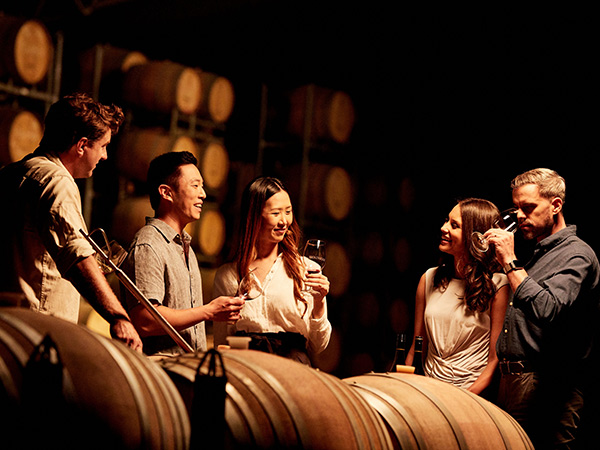
Brokenwood Wine, NSW
Enjoy tasty and sustainable wine. (Image: DNSW)

2. Giaconda Vineyard and Winery, Vic

Beechworth, Victoria, is home to Giaconda , which has come a long way since it was established by a mechanical engineer who became interested in wine in the early 1970s. Today, it’s a family affair, and fully certified organic by the Bio Dynamic Research Institute (BDRI). They’re known for complex and fragrant wines.

3. House of Arras, Tas

Of course, Australia’s most awarded sparkling wine vineyard had to make the shortlist. House of Arras follows the traditional French technique, méthode traditionnelle, to craft its wines. It’s a highly specialised process, requiring considerable expertise, and gives this winemaker the edge.
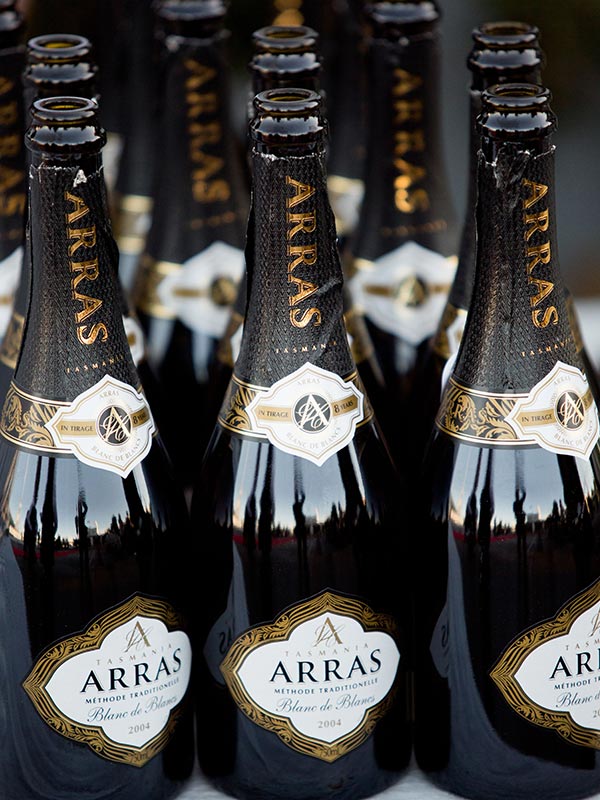
House of Arras, Tas
Taste sparkling made with traditional French techniques. (Image: Tourism Tasmania/Adam Gibson)

4. Oakridge Wines, Vic

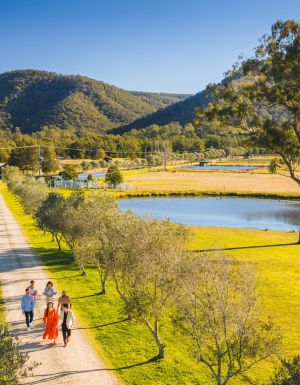
A stunning vineyard and delicious restaurant in the Yarra Valley, Oakridge Wines pairs incredibly tasty wines with stunning views. With the Yarra Valley being globally recognised as one of the world’s top cool-climate wine regions, there are plenty of reasons to get over there.
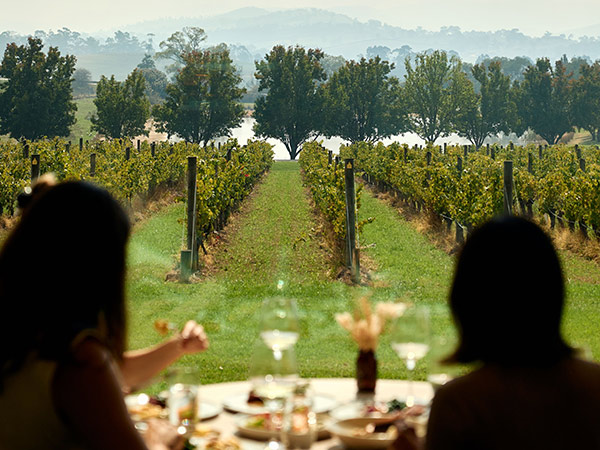
reatuarant Oakridge Wines, Vic
Come for the wine, stay for lunch. (Image: Visit Vic)

5. Rieslingfreak, SA

A name that does what it says on the tin, Rieslingfreak in South Australia’s Tanunda takes German influence and traditional winemaking styles to create some incredibly tasty rieslings.

6. The Standish Wine Co, SA

A sixth-generation Barossa Valley local, Dan Standish, established his winery in 1999 while still working as a winemaker elsewhere. The Standish Wine Co. isn’t opening for tastings until 2026, but you can still order their incredible wines online.
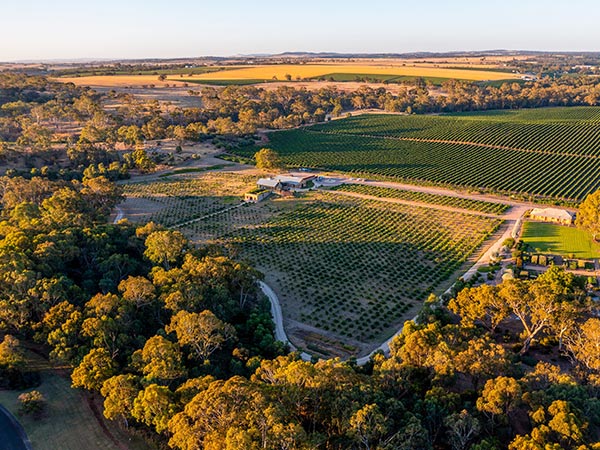
winery at barossa valley
Check out the Barossa Valley for amazing wine. (Image: Tourism Australia/ SATC)

7. Yangarra Estate Vineyard, SA

At Yangarra , you’ll find varietals produced from only the best grape varieties of the southern Rhone. While South Australia’s Kangarilla may feel far away from the grapes’ origins, the resulting wines do not.
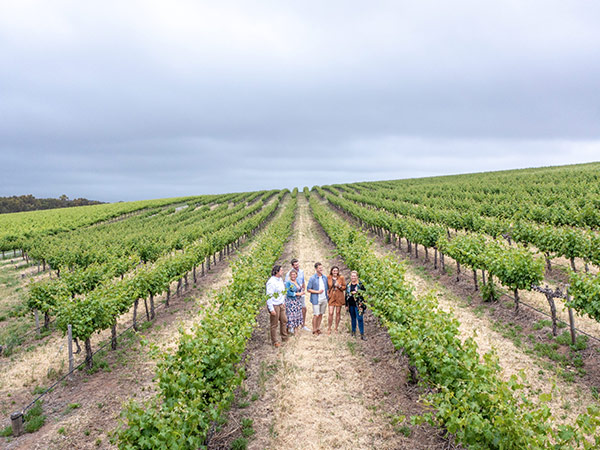
Yangarra Estate Vineyard, South Australia
From the Rhone to South Australia, taste Yangarra’s wines. (Image: Small Batch Wine Tours)

How to vote

Wine lovers can cast their vote for the 2026 People’s Choice Award on winecompanion.com.au . Nominations are based on criteria including standout cellar door experiences, outstanding restaurant offerings, friendly and knowledgeable staff, and overall quality of wines. Submissions are open until 11.59pm on Thursday July 31, 2025. Entrants will go in the running to win a prize pack valued at over $1300. The 2026 People’s Choice Award winner will be announced on Saturday August 16, 2025.

Seven major trophies will be awarded in August, including Wine of the Year, Winemaker of the Year, Winery of the Year, Viticulturist of the Year, Best Value Winery, Best New Winery, Dark Horse Winery, together with the third inductee into the James Halliday Hall of Fame: Australian Wine Industry. The winners of 17 varietal categories will also be announced, including Sparkling of the Year, Shiraz of the Year, and Riesling of the Year, alongside White Wine of the Year and Red Wine of the Year.


Kassia Byrnes
Kassia Byrnes is the Native Content Editor for Australian Traveller and International Traveller. She's come a long way since writing in her diary about family trips to Grandma's. After graduating a BA of Communication from University of Technology Sydney, she has been writing about her travels (and more) professionally for over 10 years for titles like AWOL, News.com.au, Pedestrian.TV, Body + Soul and Punkee. She's addicted to travel but has a terrible sense of direction, so you can usually find her getting lost somewhere new around the world. Luckily, she loves to explore and have new adventures – whether that’s exploring the backstreets, bungee jumping off a bridge or hiking for days. You can follow her adventures on Instagram @probably_kassia.
See all articles
hero media

Mornington Peninsula’s storied past: war, shipwrecks and a runaway convict 

The Mornington Peninsula is a coastline of contrasts, where convict and military history meets shipwrecks, wild seas and adventures above and below the surface.

The Mornington Peninsula can be the kind of place where salt-tangled hair feels like a badge of honour – proof you’ve been somewhere wild, raw and real. Peel back the layers and you’ll discover stories that anchor this region to something other than its famed food and wine.

This land is the traditional Sea Country of the Bunurong/Boon Wurrung people. Long before grapevines were planted and artisanal goods were crafted, the Bunurong Traditional Owners lived in deep connection with the land and sea. Today, places such as Mushroom Reef Marine Sanctuary echo that tradition, with families exploring its rockpools in search of colourful sea stars and crabs at low tide and learning how these fragile ecosystems have been cared for across countless generations.

a group of people visiting the Port Nepean National Park
Take in the rugged coastal landscape at Port Nepean National Park. (Image: Tourism Australia)

A visit to Point Nepean National Park feels like stepping back through time. The fort, built in 1882, protected the narrow entrance to Port Phillip Bay until the end of the Second World War. It was here that the first Allied shot of the First World War was fired – at a German cargo ship trying to escape just hours after war was declared. Nearby, the old Quarantine Station, one of Australia’s first permanent quarantine facilities, established in 1852, still stands. Walking through the hospital and disinfecting complex evokes stories of those who arrived from faraway shores.

Not far from here is a story of survival that inspired the Aussie phrase ‘you’ve got Buckley’s chance’. In 1803, escaped convict William Buckley vanished into the bush near what’s now Sorrento. Everyone thought he had no hope of surviving, but he reappeared 32 years later, having lived with local Aboriginal people.

Even the waters here hold history. The infamous stretch known as The Rip, just three kilometres wide at the entrance of Port Phillip Bay, is among the most treacherous waterways. Countless ships were lost here in the 19th and early 20th centuries, and in 1967, Australia’s own Prime Minister Harold Holt disappeared while swimming off the coast, never to be found.

a seal swimming in Port Phillip Bay
A seal swimming in Port Phillip Bay. (Image: Tourism Australia/Two Palms/Harry Pope)

But for all its danger, the sea here also holds extraordinary beauty. Dolphins are often seen near Sorrento’s cliffs, while below the surface, seagrass meadows and rocky reefs teem with life. Marine tours offer a viewing to this underwater wonderland, while back on terra firma, walking trails lead along beaches, through coastal scrub, and over rock pools.

And if you think you’ll forget about the Mornington Peninsula once you’ve left? You’ve got Buckley’s chance.

A traveller’s checklist

Staying there

the suite interior at InterContinental Sorrento
Luxury interiors at the historic InterContinental Sorrento. (Image: Greg Elms)

Point Nepean Discovery Tents is immersive glamping beside the historic Quarantine Station. Or upgrade to luxury at the 1875-built InterContinental Sorrento .

Playing there

an aerial view of Cape Schanck Lighthouse
Make your way to the Cape Schanck Lighthouse. (Image: Tourism Australia/Two Palms/Harry Pope)

Bayplay Adventure Tours offer eco-adventures from snorkelling with sea dragons to kayaking with dolphins and cycling Point Nepean. Cape Schanck Lighthouse is fascinating to explore on a guided tour, which takes you into the lighthouse and keeper’s cottage.

Eating there

Portsea Hotel is a beautifully restored 1876 Tudor-style pub right on the beach, serving seasonal local fare.