How to be a better campfire cook

hero media
Seasoned camp cook Rachel Bartholomeusz shares her tips on making light work of good meals in the great outdoors.

I have never understood why camping is synonymous with bad food.Growing up, my favourite meal was the one my family always ate on the first night of our annual camping trip. A few days before we set off, Mum would prepare the smore.


Not s’more, the North American marshmallow dessert, but the Sri Lankan slow-cooked beef variety, which is equally at home around a campfire. A local take on the European beef pot roast, this pickled and curried hunk of meat is perfect for taking on long trips. The marinade acts as a preservative, and the dish improves with a few days’ rest.


After setting up our tent we would warm the smore, the smell of spices wafting over the other campers. The ubiquitous campground kids on BMX bikes would turn up their noses at its pungency while our mouths watered in anticipation of the fall-apart meat, of mopping up that gravy with fresh bread bought from a small town bakery. Needless to say, no one eats trail mix for dinner on my watch.


Holidays usually revolve around eating good food, and camping doesn’t have to be an exception. I like to approach a camping meal like a MasterChef mystery box challenge, but instead of a ticking clock and George Calombaris breathing down your neck, there’s a quickly setting sun.


Necessity forces creativity; new flavours come together simply because they’re swimming in the bottom of your esky. And the break from a kitchen full of gadgets is a reminder of just how little you need to cook a great dinner. Here are my tips for being a better camp cook.

Need tips, more detail or itinerary ideas tailored to you? Ask AT.

AI Prompt

Bring the basics

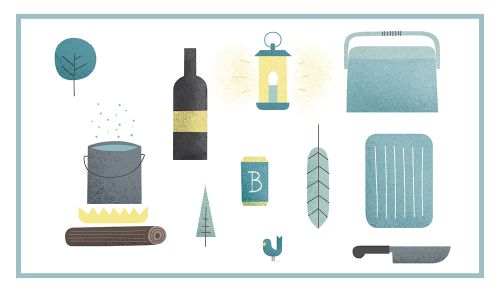
You don’t need a whole lot of equipment, but if you’re camping with a car then an esky, a portable gas cooker, a saucepan, a frying pan, a sharp knife, a wooden spoon, a chopping board and a can opener are a good place to start. A steamer basket that doubles as a strainer is really useful, and a stovetop coffee pot is a wonderful luxury. Ziplock bags are also incredibly handy for bringing small amounts of ingredients, and storing leftovers.

The pantry

Olive oil, salt and pepper, fresh garlic and ginger, dried chilli flakes, soy sauce, balsamic vinegar and a small selection of dried spices are my essentials. Beyond that, consider what you like to cook and pack ingredients that can be used in multiple ways, across cuisines, and are hardy – carrots, for instance. Space is usually at a premium, so think smart – buy a fresh chilli, rather than carrying a bottle of chilli sauce. Wraps can be eaten for lunch, used as tortillas, to substitute naan and mop up curry sauce, or used as pita for Middle Eastern and Mediterranean dishes.

Look to other cultures

Every culture has its own camping foods, so if you’re stuck for inspiration, look beyond your own backyard. Korean campers take over public barbecues to grill meats they then dip in sauces and wrap in lettuce leaves with kimchi. Middle Eastern families will often arrive with a container filled with marinated meat to cook over coals and eat with salad and flatbreads. Taiwanese friends take sticky rice parcels wrapped in lotus leaves on hikes, and we have Americans to thank for ‘cooler corn’ – cobs of corn cooked in an esky by pouring boiling water over the top, and closing the lid for half an hour.

Plan ahead (if you can be bothered)

Sauces, stews or curries made ahead of time and frozen in ziplock bags can double as ice bricks, and make excellent reheats. If that all sounds too ‘soccer mum’ for your liking, a simple curry paste or a pesto, a spice mix or a pickle made at home can have multiple uses and will make light work of impressive camping meals.

Pack a salami

A salami and a large wedge of hard cheese such as parmesan are indispensable. Both keep well, and can be eaten as a snack, sliced on sandwiches, or added to pastas, sauces or any dish that needs a savoury boost. The salami can also be fried and rendered for its fat.

Weekly travel news, experiences
insider tips, offers, and more.

Keep it simple

With limited burners at your disposal, one-pot dishes will often form the bulk of your camping repertoire – a pot of spicy mussels, for instance, is no harder to make indoors or out. Pasta is another camping classic, but getting it al dente can be hard on a camping stove. Opt for short pastas such as penne that are easier to cook in a smaller saucepan of water.

Get inspired by local produce

The secret to good, simple food, whether camping or otherwise, is to use good produce. Find the regional speciality, and eat it. If you’re driving through a wine region, you’re obliged to drink good wine from a tin mug and eat cheese for dinner. Buy roadside fruit for breakfast, or learn how to shuck fresh oysters.

A tinnie a day

Cooking with a drink in hand is a crucial element of camping, and a tinnie will prove your best friend: add a splash of beer whenever you’d normally use wine in a dish, such as deglazing a pan for a stir-fry, or in a pasta sauce. And there’s no reason you should feel limited to a tinnie: bring the makings of a negroni cocktail or a bottle of whisky if you really want to up the ante.


Love camping with the family? Check out Top 6 ‘camping with children’ commandments

Rachel Bartholomeusz

Rachel Bartholomeusz

View profile and articles

hero media

8 experiences that make Moreton Bay the best getaway

    Rachel Lay Rachel Lay
    From the moment you arrive in Moreton Bay, stunning natural vistas, fresh and tasty dining, history and more invite you to stay and play.

    Untouched national park, mirror-like lagoons and endless stretches of beaches all make Moreton Bay experiences feel like you’ve stumbled across a secret Queenslanders collectively vowed not to tell. Yet it’s easily accessible. Explore further and discover hinterland farms, ancient rainforest, fresh seafood and more: there’s something on offer for every pace, interest and generation.

    Just 20 minutes from Brisbane Airport, it’s hard to believe how underrated this Queensland getaway is. Here’s your ultimate guide to rediscover play with unmissable experiences in Moreton Bay.

    1. G’Day Adventure Tours, Bribie Island

    G’Day Adventure Tours’ Sea to Table Experience
    Explore Bribie Island with G’Day Adventure Tours.

    G’Day Adventure Tours’ Sea to Table Experience should be your first agenda item in Moreton Bay. Take a 4WD journey through the sandy tracks of Bribie Island’s beaches to the still, glassy waters of the island’s lagoons. Glide over perfect replicas of paperbarks and fluffy blue clouds mirrored in the lagoon waters in your kayak. Listen as native birdsong echoes around you.

    Then, it’s on to Fort Bribie. During the Second World War, these concrete bunkers – now slowly being enveloped by the dunes – were the last line of defence for Moreton Bay.

    End the day with a sun-dappled beach picnic of locally caught Queensland prawns and famous Moreton Bay bugs. As you head home, watch the dolphins playfully dart in and out of the surf.

    2. Morgan’s Seafood at Scarborough

    Morgan’s Seafood
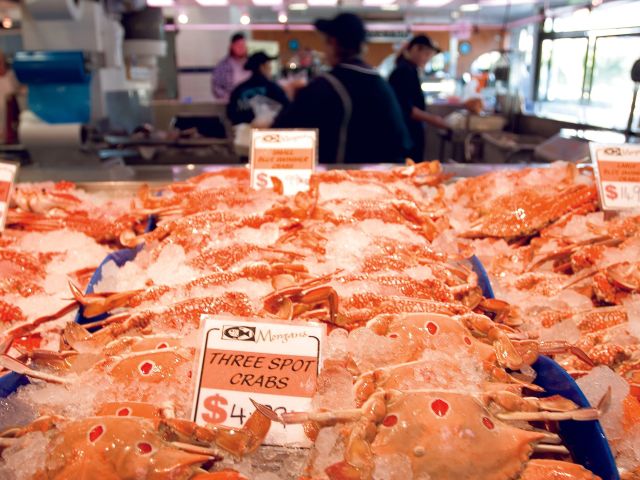
    It doesn’t get fresher than Morgan’s Seafood. (Image: Ezra Patchett)

    Right on the Scarborough Boat Harbour, you’ll find Morgan’s Seafood . Between the luxury yachts, you’ll also spot trawlers and fishermen delivering their day’s catch right to Morgan’s. The family-owned and operated spot is one of the best places to try the region’s eponymous Moreton Bay bug. Or, sample more of the area’s direct-from-the-boat seafood fresh at their oyster and sushi bar. If you’re lucky, your visit might coincide with a day they’ve caught tuna.

    Picture fish caught that day, prepared and then served to you as fresh sashimi as the sun sets over the unique silhouette of the Glasshouse Mountains.

    3. Woorim Beach, Bribie Island

    woorim beach bribie island
    Hang 10, or relax, on Woorim Beach.

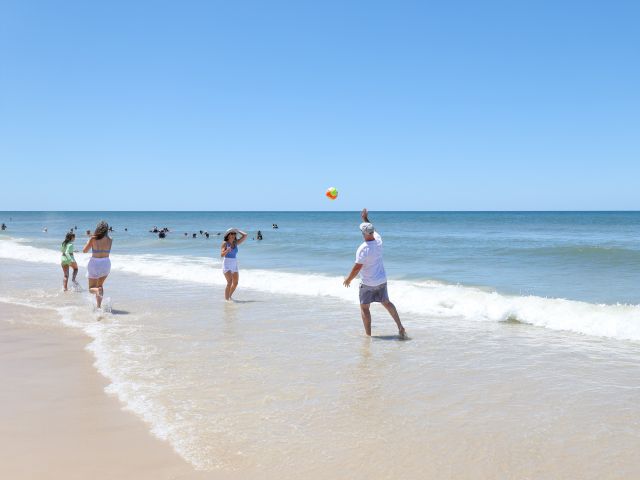
    On Bribie’s eastern coastline, you’ll find Woorim Beach : aka the closest surf beach to Brisbane. Find a place on the sand by the patrolled area or wander further south to find a quiet spot and while the day away between the shaded dunes, the pages of your book and the peaceful sound of rolling waves.

    Ask any local where to grab lunch, and they’ll direct you to Bribie Island Surf Club Bistro . Tuck into a fresh, local seafood platter, just metres from the beach.

    4. D’Aguilar National Park

    D’Aguilar National Park
    Admire the landscapes of D’Aguilar National Park.

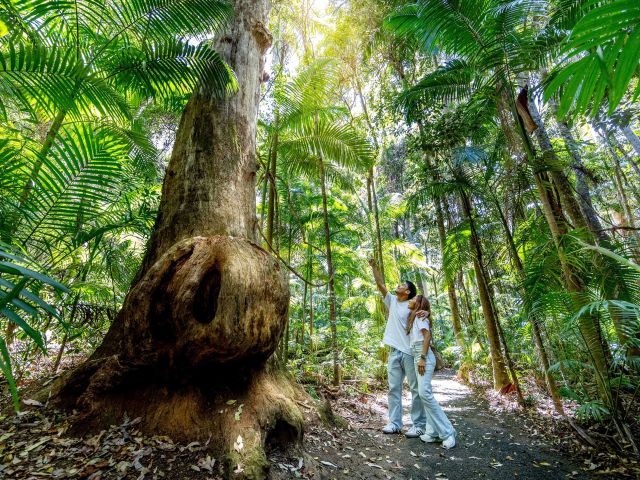
    D’Aguilar National Park is a 40,000-hectare slice of greenery that stretches from urban Brisbane right up to Woodford (home of the Woodford Folk Festival). The vast expanse of park is home to ancient rainforests, eucalypt forests and shaded swimming spots hidden within gorges and under waterfalls. The area is significant for the Jinibara and Turrbal people, with ceremonial bora rings and dreaming trails all found within the park.

    Carve out some time in your itinerary to explore the park’s many trails. The Maiala day-use area is the perfect starting point for walks for all levels of ability.

    5. Arcade Wine Bar

    arcade wine bar moreton bay
    Sit down to a menu inspired by Italy.

    Opposite the Redcliffe Jetty and down a laneway, you’ll find an unassuming wine bar. Venture inside and quickly fall in love with Arcade Wine Bar , one of the region’s most beloved local haunts.

    Owners Danilo and Matt have a combined 50 years of sommelier experience, which they have poured into the menu, styling and wine list. More than just a hole-in-the-wall wine bar, Arcade Wine is an enoteca (a wine repository), whose walls are lined with bottles upon bottles of Italian wine varietals from every corner of Italy.

    Settle in with a wine and work your way through the menu inspired by Danilo’s native Italy: traditional meatballs, their quick-to-sell-out terrine, or a selection of Italian cheeses, charcuterie and arancini.

    6. Wamuran & Loop Rail Trail

    Away from the ocean, tucked in the hinterland, is the Wamuran & Loop Rail Trail . Perfect for cyclists or walkers, the trail was built to showcase the history of the Caboolture to Kilcoy rail corridor (last operating in 1964) and makes for the perfect family day out. The trail runs for 10.5km and connects Wamuran and Caboolture via an accessible path.

    Pass through former railroad, bridges and shaded bushland as you cut from A to B. Plus, visit in winter for a detour along the way to one of the many pick-your-own strawberry farms.

    7. Farm Visits

    Beaches, mountains and history make an enticing combination. But Moreton Bay also brings hinterland, family-friendly farms to the table. Trevena Glen is one of the area’s most loved, with bunnies, ponies, sheep, alpacas (and more) available to visit for the kids. For the adults, book a horse-riding session and be treated to a grazing platter as you watch the sun set over the mountains of D’Aguilar National Park.

    At White Ridge Farm , find camels, putt-putt, train and tractor rides and all kinds of animals. The entire farm is paved, making it accessible for all.

    8. Miss Sprinkles

    Miss Sprinkles Gelato moreton bay
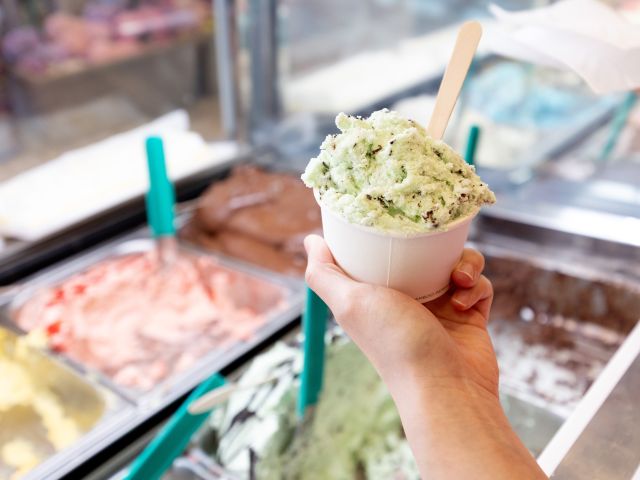
    Pick your scoop at Miss Sprinkles Gelato.

    An ice cream at the beach is one of life’s most perfect pleasures. While in town, stop by Miss Sprinkles for the locals’ pick of homemade gelato on the Scarborough foreshore.

    The gelato here is made the authentic Italian way and scooped up just across from the beach. Or, settle in at their kitschy pink wooden tables for traditional gelato in the sunshine.  Aside from the homemade gelato, you’ll also find tarts, pies and even doggie gelato.

    To start planning your Moreton Bay trip, or for more information, head to visitmoretonbay.com.au.