15 inspiring Aussie adventures to lock in now for 2025

hero media
Adventures are more than heart-racing, dangerous pursuits. They’re venturing into remote regions. Trying something new. Experiences that fill you with awe and leave you with exciting stories to tell. These 15 inspiring adventures will do just that.  

1. Stay on a working outback cattle station, Northern Territory 
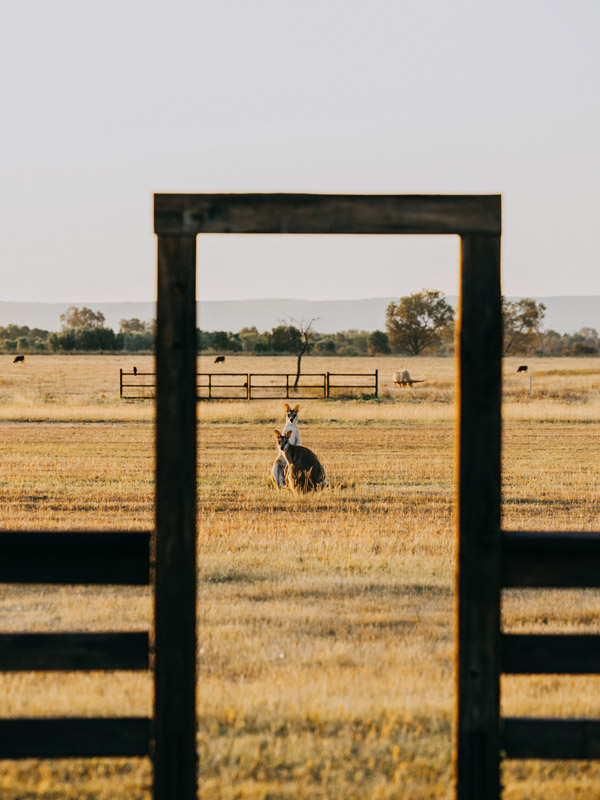
wallabies grazing in the fields at Bullo River Station
Native wildlife abounds in the paddocks of Bullo River Station. (Image: Elise Hassey)

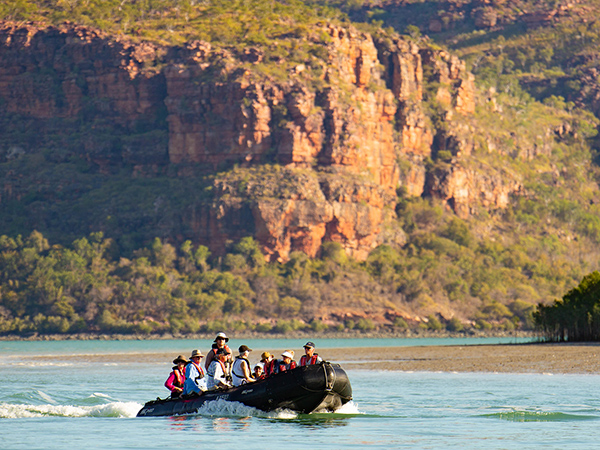
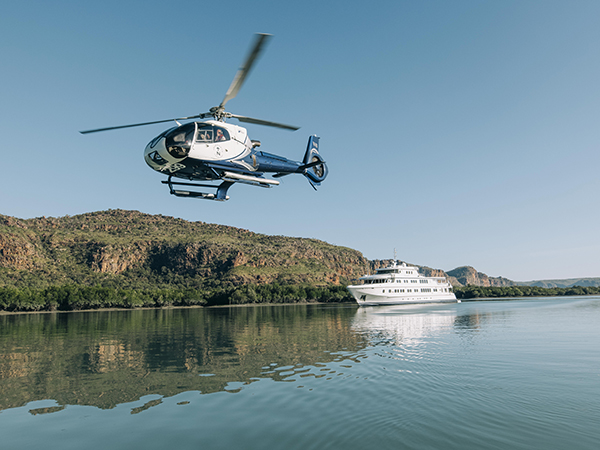
Set on more than 160,000 hectares of privately owned countryside – technically in the Northern Territory but considered part of the KimberleyBullo River Station is where outback hospitality meets untold adventure. The Sibella Court-designed property is the latest to join Luxury Lodges of Australia and defines the concept of ‘luxury of experience’. It’s a taste of life on a remote cattle station, with access to exceptional experiences such as a helicopter flight over a landscape carved and braided by gorges, waterfalls and jewel-like waterholes that you can swim in. 

2. Swim with sea lions in Baird Bay, Eyre Peninsula 
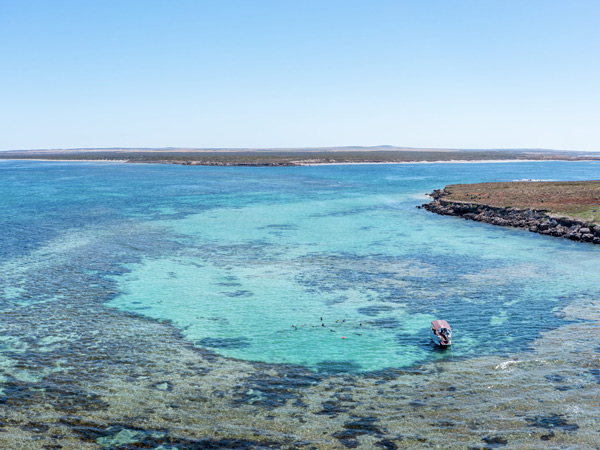
the Baird Bay Experience boat anchors, Eyre Peninsula, SA
The Baird Bay Experience boat anchors while guests explore the pristine underwater environment. (Image: Tourism Australia)

The sleepy town of Baird Bay has a permanent population of just five, greatly outnumbered by the 140 Australian sea lions that inhabit its sheltered bay. Witness these playful creatures corkscrew and pirouette around you on the Baird Bay Experience, three hours north of Port Lincoln, on South Australia’s Eyre Peninsula. Sleep in newly renovated rammed earth buildings that overlook the bay, while in-house chef Calvin Von Niebel serves up a menu of maritime abundance pulled from the waters directly in front.  

3. Take a walk among Heysen’s gum trees, Adelaide Hills 
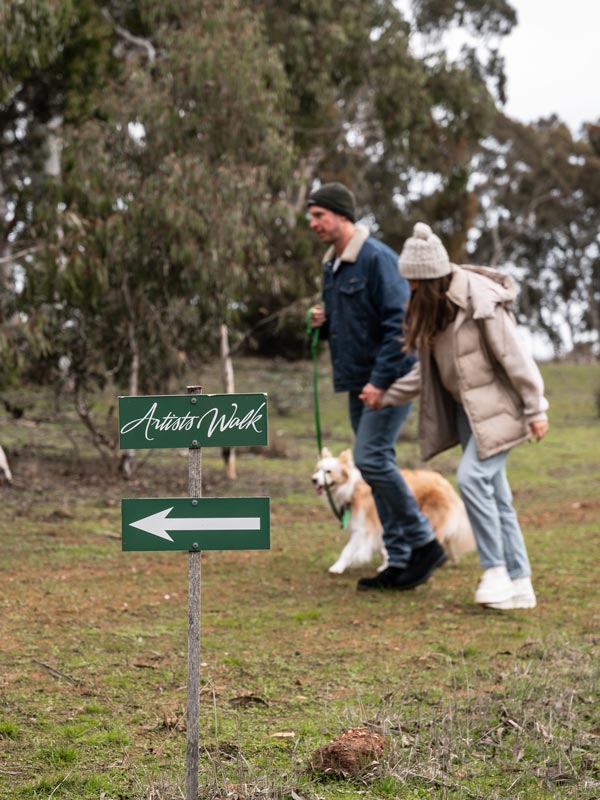
Couple taking the Artists Walk on the Heysen property in Adelaide Hills
The Artist’s Walk weaves through the 60-hectare property.

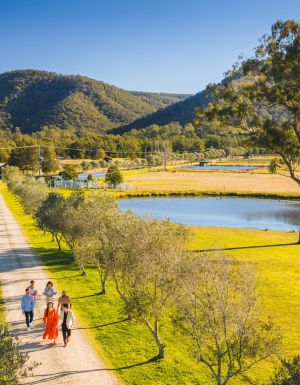
Who knew that hidden in a sleepy dale, deep in the Adelaide Hills, was an artistic hotspot that once lured in the creative likes of Marcel Marceau and Anna Pavlova. For half a century, The Cedars was one of the country’s first stops for world-renowned artists making the voyage to Australia to visit German-born Hans Heysen, who grew to become one of Australia’s most celebrated landscape artists. Walk among the famous gum trees that were his ever-present muse on the 40-minute Artist’s Walk weaving through the 60-hectare property.  

4. Learn the untold stories of Parliament House, Canberra 
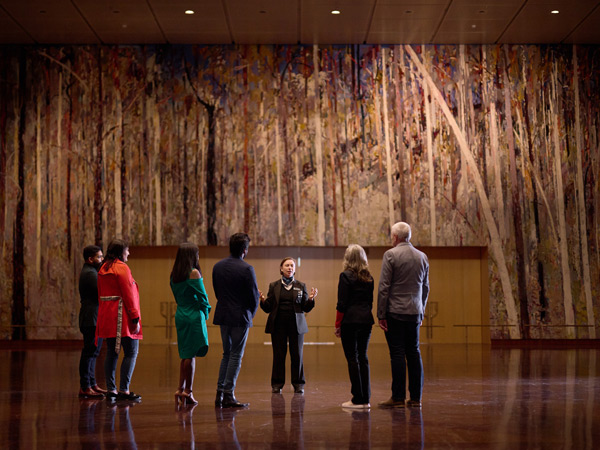
visitors at the Members’ Hall, Parliament House
The Members’ Hall at the centre of Parliament House. (Image: Visit Canberra/Lean Timms)

‘If these walls could talk’ is a regular utterance by visitors to Parliament House. But on this exclusive look at the daily goings-on of the heart of Australian democracy, your guide does the talking for them. Going beyond any year-six school excursion and public guided tour, this signature experience through Cultural Attractions of Australia grants you access to roped-off areas where usually only staff are allowed – and tells the stories that these walls have kept quiet for decades.  

5. Take a cultural culinary journey in WA 
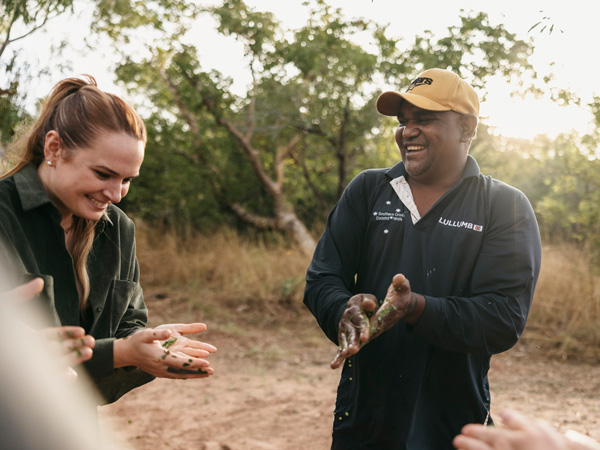
Bardi-Jawi guide Bolo Angus on a cultural walk at Lullumb
Join Bardi-Jawi guide Bolo Angus on a cultural walk at Lullumb. (Image: Tourism Western Australia/Jarrad Seng)

One minute you might be indulging in fine dining at one of Perth’s top luxury hotels, the next you’re foraging native foods with Traditional Custodians in the far reaches of the Kimberley. Whet your appetite for Western Australia on one of The Ritz-Carlton, Perth x Fervor bespoke packages , which are carefully designed to include once-in-a-lifetime culinary and tourism experiences for its guests.  

6. Sleep in luxury near Yellow Water Billabong, Kakadu 
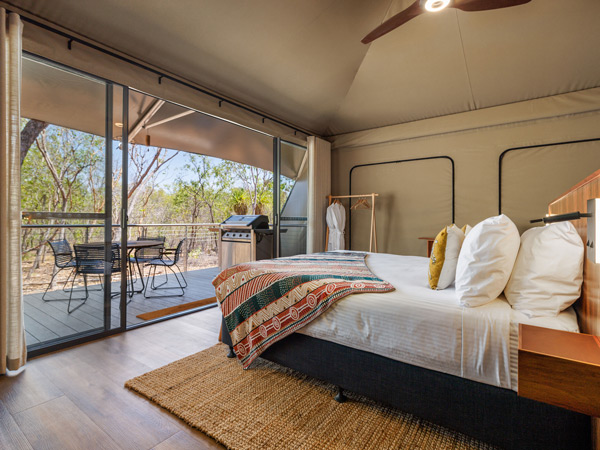
the bed in a luxe safari-style villa at Cooinda Lodge, Kakadu National Park
The luxe safari-style villas. (Image: Tourism NT/Charlie Bliss)

From ‘tent store’ in the 1960s to modern-day tourism hotspot, Kakadu’s Cooinda Lodge has elevated its offering once more with the new Yellow Water Villas. These safari-style tents are named for the Yellow Water (Ngurrungurrudjba) wetlands, which encapsulate all that is magical about Kakadu National Park – waterbirds dancing in a choreographed ballet, buffaloes padding along the banks of the billabong, saltwater crocs lurking in the shallows. And what’s more, the villas on Murumburr Country have been built on stilts to meet the wet season waterline and minimise impact on the land, all while cocooning guests in luxury. 

7. Take a regional festival road trip 

Kip Moore performing at Savannah in the Round
Kip Moore at Savannah in the Round.

What do you get when you bring together a strong sense of small-town pride, a line-up of great music and an epic backdrop? A bloody good reason for a road trip. Regional festivals are having a moment. There’s Savannah in the Round (a country music bash in the Cairns hinterland), Port Fairy Folk Festival (a tourism juggernaut that has been running since 1977) and Townsville’s Australian Festival of Chamber Music (which had a record-breaking year in 2024). And in what may be considered an odd pairing of classical music and Australian outback, the Festival of Outback Opera is a truly magical event held in Winton and Longreach each May.  

8. Walk along cliff tops, Blue Mountains 
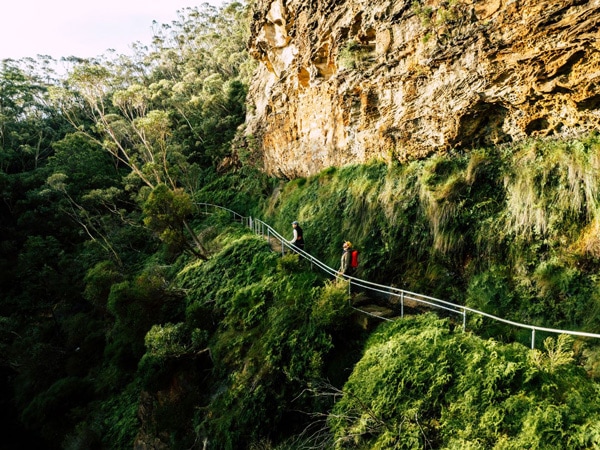
Grand Cliff Top Walk, Blue Mountains, NSW
Handrails have been installed for safety. (Image: RBrand/DCCEEW)

The Blue Mountains is home to some of the country’s most breathtaking bushwalks, through lush vegetation, striking rock formations and boundless views on the lands of the Gundungurra people. Launched in early 2024, the Grand Cliff Top Walk connects some of the most scenic of those tracks into a single hike that covers 19 kilometres over two days, from Wentworth Falls to Katoomba.  

9. Enjoy a culinary cycle through Victoria’s High Country  
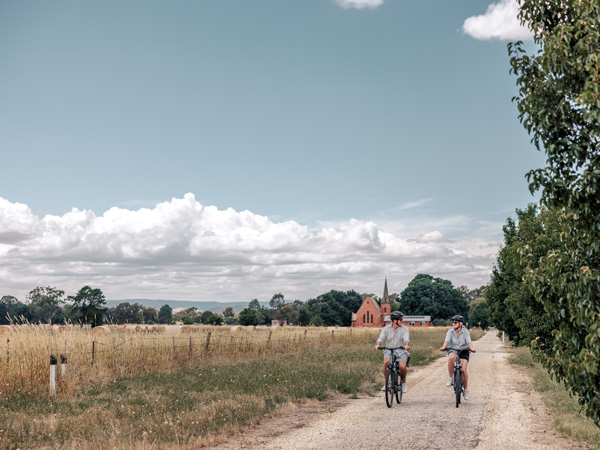
cycling Victoria’s High Country
Bike trails crisscross the
King Valley in Victoria’s High Country. (Image: Visit Victoria/Ben Savage)

Victoria’s High Country has long lured gourmands craving to visit some of the state’s finest artisan makers and growers. A self-guided Pedal to Produce itinerary strings together some of the best of Australia’s first ‘Gourmet Region’, with a handful of lauded restaurants, such as Ava’s and Henley’s Wine Bar & Kitchen, along the way. E-bikes make the journey more comfortable, as you whizz past cows and kangaroos grazing on apple-green pastures, through Ned Kelly Country where the Brown Brothers winery put the village of Milawa on the map.  

10. Shift your perspective on Uluu, NT 

native bush foods at Tali Wiru
A piti (bowl) full of native bush foods at Tali Wiu. (Image: Tourism NT/Tourism Australia)

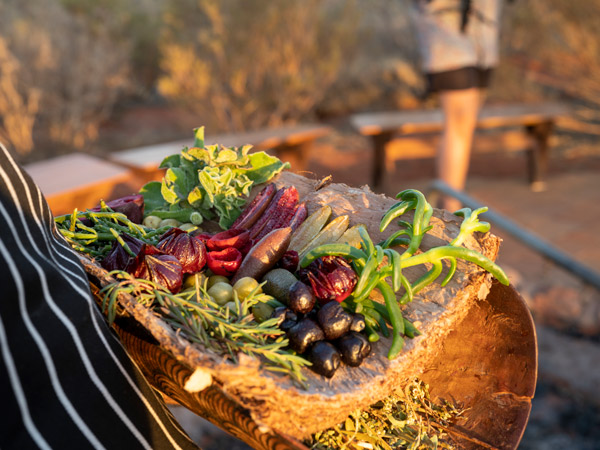
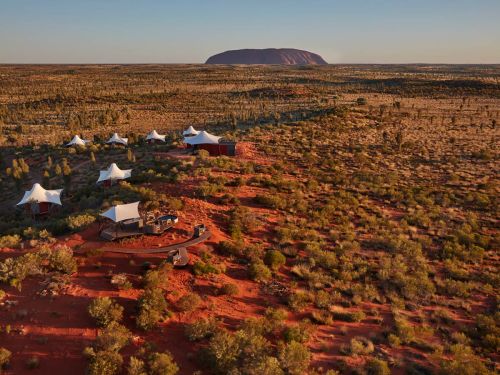
Experiencing Uluṟu through Anangu guides shifts your perspective. The landscape is no longer simply a vast, open plain; it’s a book, a kitchen, a medicine cabinet, and a layered archive of personal history. Join a Maruku Arts’ cultural walking tour or dine under a desert sky during the Tali Wiṟu dining experience, to hear the Tjukurpa stories in this iconic landscape that will reveal itself as a vessel of stories, a home and a wellspring of spirituality.
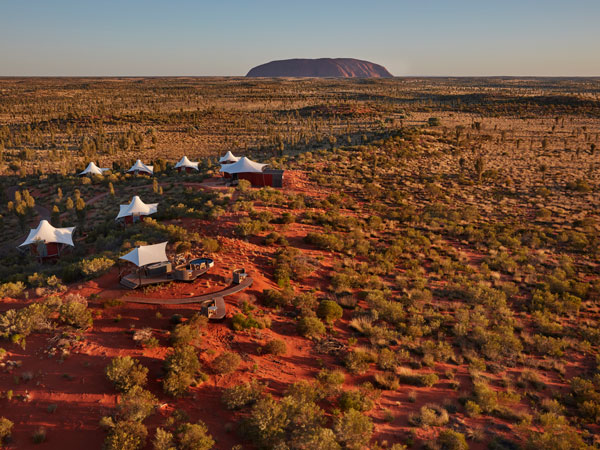
Aerial view of Longitude 131° and Uluru
Luxury lodge Longitude 131° has striking views of Uluu from its exclusive safari-style tents. (Image: George Apostolidis)

 11. Take an oyster and wine road trip in Tassie 
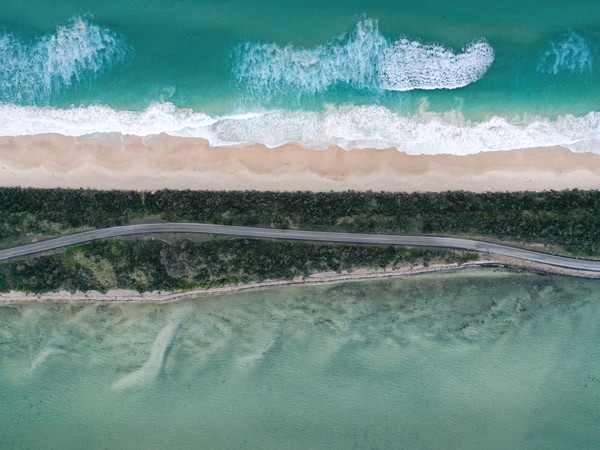
Aerial view of The Neck that connects north and south Bruny Island
The Neck connects north and south Bruny Island. (Image: Jess Bonde)

Tasmania is home to 185 licensed wine producers but roughly half of these world-class drops never leave the Apple Isle… so if you want to sample some of our country’s best wine, you must go straight to the source. This epic two-week road trip from Hobart to Launceston – stopping in verdant regions such as the Huon Valley, Bruny Island and the East Coast – is one for culinary enthusiasts cherry-picking the best wine producers and oyster farms to stop along the way.  

12. Go searching for salties, Queensland 
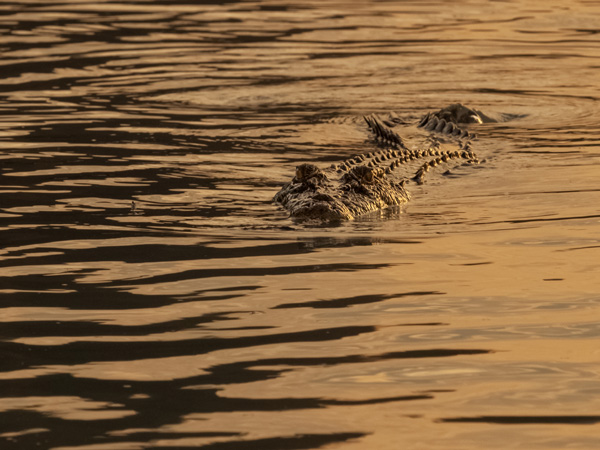
a saltwater crocodile lurking in the water
The national park is notorious for saltwater crocodiles. (Image: Mark Daffey)

Queensland’s second largest national park is adventure territory. A landscape of sandstone hills, sweeping grasslands and coastal estuaries, this natural floodplain is notorious for two resident species. The first is barramundi, which are prized by anglers. The second is saltwater crocs. Find these feared beasts around the waterways of Rinyirru National  Park with Outback Spirit , making your base the cosy cabins at Lotusbird Lodge, set amongst shady eucalypts on the banks of a billabong.  

13. Explore the hip hood around Waterloo, Sydney 
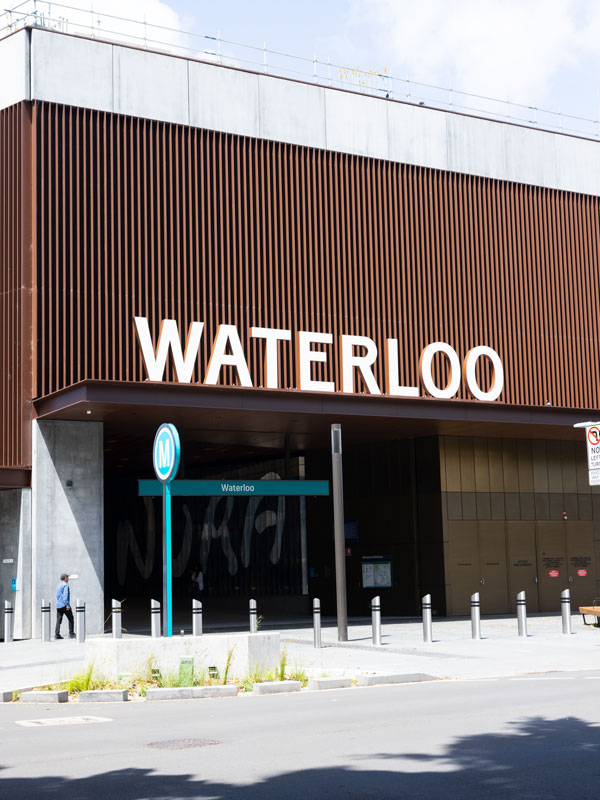
the Waterloo Station in Sydney
Alight at Waterloo to explore surrounding neighbourhoods. (Image: Lauren De Sousa)

In the atmospheric inner-south suburbs of Sydney/Warrane, Waterloo Metro Station is woven around a world of street art, urban treasures and railway history. Carriageworks is a cavernous hub for the arts, housed in a historic railway workshop. In South Eveleigh, a drinking, dining and lifestyle precinct, follow the tracks through the old foundry for a blacksmithing class at Eveleigh Works. And seek out The EVE Hotel, Sydney’s newest and hottest hotel on the site of the old Wunderlich Factory in Redfern.  

14. Cosy up with the small guys in McLaren Vale, SA 
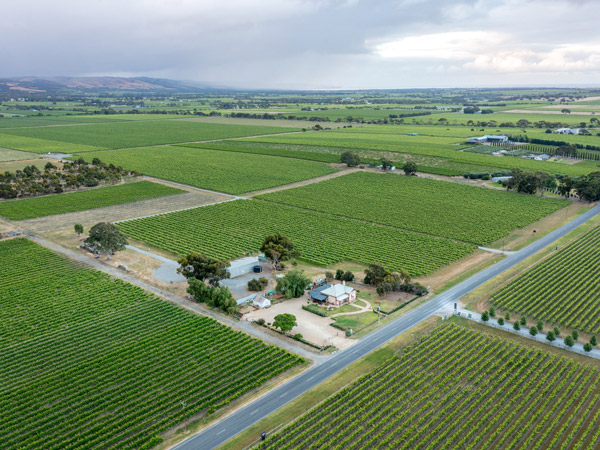
an aerial view of Sherrah Wines, McLaren Vale
Explore Sherrah Wines to make the most of your escape to McLaren Vale. (Image: Supplied)

It may not be as famous as its neighbour, but McLaren Valeis one of the country’s oldest and most acclaimed wine regions, with some 500 vineyards and 90 cellar doors. Small Batch Wine Tours shines a light on the smaller and lesser-known producers in the region. A favourite stop is the shared cellar door of Lino Ramble, Sherrah Wines and Bondar Wines (the latter one of James Halliday’s top 100 wineries for 2024). Slip between the rooms of this charming cottage to sip on the wines and meet (and belly-laugh) with the winemakers themselves. 

15. Lace up your shoes for NSW’s newest coastal walk 
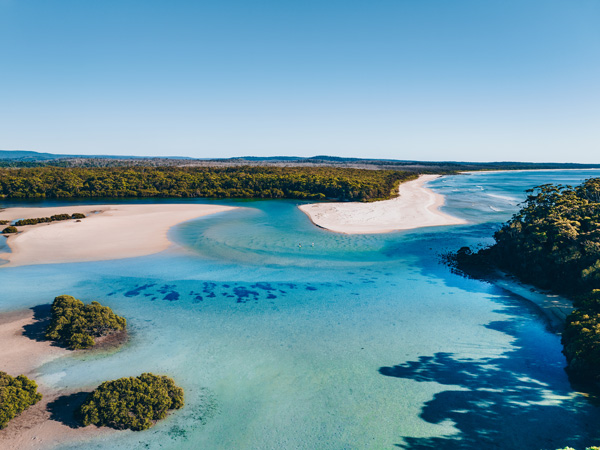
Narrawallee Inlet on the NSW South Coast
Narrawallee Inlet marks the northernmost point of the new hike. (Image: Trenny M)

Spanning Narrawallee Inlet just north of Mollymook to Blackburn Head at Burrill Lake, the new 20-kilometre Southern Headlands Walk weaves in some of the South Coast’s best coastal scenery with a few hidden gems along the way. Connecting existing tracks, you’ll pass through Sydney Basin’s Bangalay Sand Forest, an endangered ecological area; marvel at 270-million-year-old marine fossils near Ulladulla Harbour; and rock-hop between incredible swimming spots.  

Megan Arkinstall
Megan Arkinstall is a freelance travel writer who you’ll often find at the beach, bushwalking or boating with her young family. She loves reliving travel memories through writing, whether that be sipping limoncello in a sun-drenched courtyard of Monterosso or swimming with green turtles in the aquamarine waters of Tropical North Queensland.
See all articles

This scenic Victorian region is the perfect antidote to city life

Video credit: Visit Victoria/Tourism Australia

The Grampians just might be the ultimate antidote for the metropolis, writes one returning Aussie ready to disconnect from the modern world and reconnect to the Great outdoors.

There are no kangaroos back in Chicago: they’re all here in the Grampians/Gariwerd . In the heart of the Grampians National Park’s main gateway town, Halls Gap, pods of eastern greys are eating grass beside my parked rental car beneath the stars. Next morning, when I see the backyard of my rented villa on the edge of town for the first time, there are kangaroos feeding beside a slow-moving creek, lined with river red gums.

Five hundred metres up the road, 50 or so of them are eating by the side of the road in a paddock. I pull over to watch and spot three emus. Yellow-tailed black cockatoos fly overhead towards the tall green mountains just beyond town.

‘Kee-ow, keee-oww’… their calls fuse with the maniacal cackle of a kookaburra (or 10). Gawd, how I’ve missed the sound of them. Far above, a wedge-tailed eagle watches, and there you go: the ‘great birds of Australia’ trifecta, all half a kay from the town limits.

Exchanging city chaos for country calm

kangaroos near Halls Gap, Grampians National Park
The park is renowned for its significant diversity of native fauna species. (Image: Visit Victoria/Robert Blackburn)

I’ve come to the Grampians to disconnect, but the bush offers a connection of its own. This isn’t just any bush, mind you. The Grampians National Park is iconic for many reasons, mostly for its striking sandstone mountains – five ridges run north to south, with abrupt, orange slopes which tumble right into Halls Gap – and for the fact there’s 20,000 years of traditional rock art. Across these mountains there are more than 200 recorded sites to see, created by the Djab Wurrung, Jardwadjali and Gunditjmara peoples. It’s just like our outback… but three hours from Melbourne.

I’ve come here for a chance at renewal after the chaos of my life in America’s third-largest city, Chicago, where I live for now, at the whim of a relative’s cancer journey. Flying into Melbourne’s airport, it only takes an hour’s drive to feel far away from any concept of suburbia. When I arrive in Halls Gap two hours later, the restaurant I’m eating at clears out entirely by 7:45pm; Chicago already feels a lifetime ago.

The trails and treasures of the Grampians

sunrise at Grampians National Park /Gariwerd
Grampians National Park /Gariwerd covers almost 2000 square kilometres. (Image: Ben Savage)

Though the national park covers almost 2000 square kilometres, its best-known landmarks are remarkably easy to access. From my carpark here, among the cockatoos and kangaroos on the fringe of Halls Gap, it only takes 60 seconds’ driving time before I’m winding my way up a steep road through rainforest, deep into the mountains.

Then it’s five minutes more to a carpark that serves as a trailhead for a hike to one of the park’s best vantage points, The Pinnacles . I walk for an hour or so, reacquainting myself with the smells and the sounds of the Aussie bush, before I reach it: a sheer cliff’s edge lookout 500 metres up above Halls Gap.

walking through a cave, Hollow Mountain
Overlooking the vast Grampians landscape from Hollow Mountain. (Image: Robert Blackburn)

There are hikes and there are lookouts and waterfalls all across this part of the park near town. Some are a short stroll from a carpark; others involve long, arduous hikes through forest. The longest is the Grampians Peaks Trail , Victoria’s newest and longest iconic walk, which runs 160 kilometres – the entire length of Grampians National Park.

Local activities operator Absolute Outdoors shows me glimpses of the trail. The company’s owner, Adrian Manikas, says it’s the best walk he’s done in Australia. He says he’s worked in national parks across the world, but this was the one he wanted to bring his children up in.

“There’s something about the Grampians,” he says, as he leads me up a path to where there’s wooden platforms for tents, beside a hut looking straight out across western Victoria from a kilometre up in the sky (these are part of the guided hiking options for the trail). “There are things out here that you won’t see anywhere else in Australia.” Last summer, 80 per cent of the park was damaged by bushfire, but Manikas shows me its regrowth, and tells me of the manic effort put in by volunteers from town – with firefighters from all over Australia – to help save Halls Gap.

wildflowers in Grampians National Park
Spot wildflowers. (Image: Visit Victoria)

We drive back down to Halls Gap at dusk to abseil down a mountain under the stars, a few minutes’ walk off the main road into town. We have headlamps, but a full moon is enough to light my way down. It takes blind faith to walk backwards down a mountain into a black void, though the upside is I can’t see the extent of my descent.

Grampians National Park at sunset
Grampians National Park at sunset. (Image: Wine Australian)

The stargazing is ruined by the moon, of course, but you should see how its glow lights up the orange of the sandstone, like in a theme park. When I’m done, I stand on a rocky plateau drinking hot chocolate and listening to the Aussie animals who prefer nighttime. I can see the streets of Halls Gap off in the distance on this Friday night. The restaurants may stay open until 8pm tonight.

What else is on offer in The Grampians?

a boat travelling along the Wimmera River inDimboola
Travelling along the Wimmera River in Dimboola. (Image: Chris McConville)

You’ll find all sorts of adventures out here – from rock climbing to canoeing to hiking – but there’s more to the Grampians than a couple of thousand square kilometres of trees and mountains. Halls Gap may be known to most people, but what of Pomonal, and Dimboola, and Horsham? Here in the shadow of those big sandstone mountains there are towns and communities most of us don’t know to visit.

And who knew that the Grampians is home to Victoria’s most underrated wine region ? My disconnection this morning comes not in a forest, but in the tasting rooms and winery restaurants of the district. Like Pomonal Estate, barely 10 minutes’ drive east of Halls Gap, where UK-born chef Dean Sibthorp prepares a locally caught barramundi with lentil, pumpkin and finger lime in a restaurant beside the vines at the base of the Grampians. Husband-and-wife team Pep and Adam Atchison tell me stories as they pour their prize wines (shiraz is the hero in these parts).

dining at Pomonal Estate
Dine in a restaurant beside vines at Pomonal Estate. (Image: Tourism Australia)

Three minutes’ drive back down the road, long-time mates Hadyn Black and Darcy Naunton run an eclectic cellar door out of a corrugated iron shed, near downtown Pomonal. The Christmas before last, half the houses in Pomonal burnt down in a bushfire, but these locals are a resilient lot.

The fires also didn’t stop the construction of the first art centre in Australia dedicated to environmental art in a nature-based precinct a little further down the road (that’s Wama – the National Centre for Environmental Arts), which opened in July. And some of the world’s oldest and rarest grape vines have survived 160 years at Best’s Wines, outside the heritage town of Great Western. There’s plantings here from the year 1868, and there’s wines stored in century-old barrels within 150-year-old tunnels beneath the tasting room. On the other side of town, Seppelt Wines’ roots go back to 1865. They’re both only a 30-minute drive from Halls Gap.

Salingers of Great Western
Great Western is a charming heritage town. (Image: Griffin Simm)

There’s more to explore yet; I drive through tiny historic towns that barely make the map. Still part of the Grampians, they’re as pretty as the mountains behind them: full of late 19th-century/early 20th-century post offices, government offices and bank buildings, converted now to all manner of bric-a-brac stores and cafes.

The Imaginarium is one, in quirky Dimboola, where I sleep in the manager’s residence of an old National Australia Bank after a gourmet dinner at the local golf club, run by noted chef and teacher, Cat Clarke – a pioneer of modern Indigenous Australian cooking. Just south, I spend an entire afternoon at a winery, Norton Estate Wines, set on rolling calico-coloured hills that make me think of Tuscany, chit-chatting with owners Chris and Sam Spence.

Being here takes me back two decades, when I lived here for a time. It had all seemed as foreign as if I’d driven to another planet back then (from Sydney/Warrane), but there seemed something inherently and immediately good about this place, like I’d lived here before.

And it’s the Australian small-town familiarity of the Grampians that offers me connection back to my own country. Even in the better-known Halls Gap, Liz from Kerrie’s Creations knows I like my lattes with soy milk and one sugar. And while I never do get the name of the lady at the local Ampol station, I sure know a lot about her life.

Kookaburras on a tree
Kookaburras are one of some 230 bird species. (Image: Darren Donlen)

You can be a local here in a day; how good is that? In Chicago, I don’t even know who my neighbour is. Though each day at dusk – when the kangaroos gather outside my villa, and the kookaburras and the black cockatoos shout out loud before settling in to sleep – I prefer the quieter connection I get out there in the bush, beneath these orange mountains.

A traveller’s checklist

Staying there

Sleep beside the wildlife on the edge of Halls Gap at Serenity .

Playing there

abseiling down Hollow Mountain
Hollow Mountain is a popular abseiling site.

Go abseiling under the stars or join a guided hike with Absolute Outdoors . Visit Wama , Australia’s first environmental art centre. Check out Dimboola’s eccentric Imaginarium .

Eating there

steak, naan bread and beer at Paper Scissors Rock in Halls Gap
Paper Scissors Rock in Halls Gap serves a great steak on naan bread.

Eat world-class cuisine at Pomonal Estate . Dine and stay at much-revered icon Royal Mail Hotel in Dunkeld. The ‘steak on naan’ at Halls Gap brewhouse Paper Scissors Rock , can’t be beat.

Dunkeld Arboretum in Grampians National Park
The serene Dunkeld Arboretum.

For Halls Gap’s best breakfasts head to Livefast Cafe . Sip local wines at Great Western’s historic wineries, Best’s Wines , Seppelt Wines and Norton Estate Wines .

two glasses of beer at Paper Scissors Rock in Halls Gap
Sink a cold one at Paper Scissors Rock.