Fares start at $64, and with cost-of-living still biting, the timing couldn’t be better.
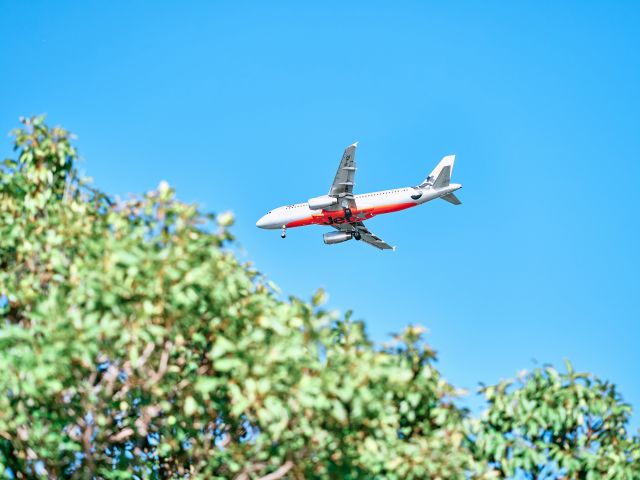
Jetstar has never exactly been shy about a birthday party. But this year, as Australia’s dominant budget carrier turns 22, the airline has gone big, dangling the promise of a free return flight to anyone willing to book within the next 48 hours.
The mechanics are simple: purchase an outbound “starter fare" on a qualifying route, and the return leg comes back to you at $0. Over 75,000 such seats are available across more than 80 routes, spanning everything from quick domestic hops to long-haul flights to Osaka and Seoul.
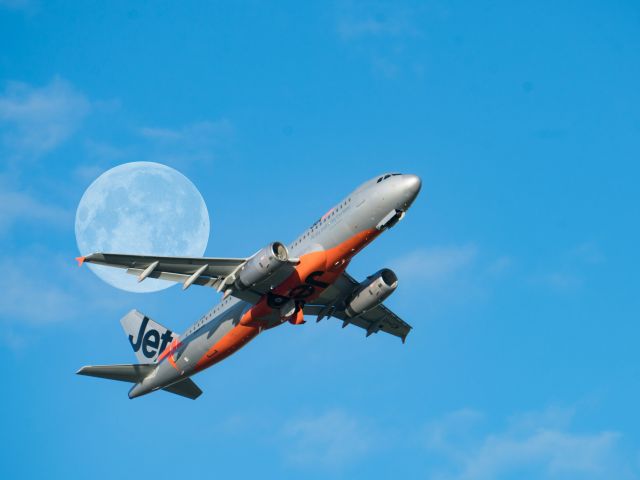
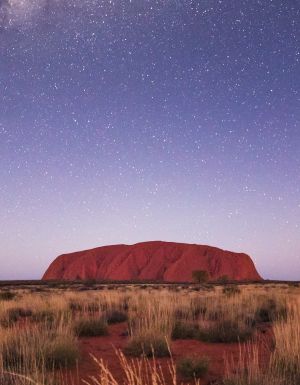
Jetstar’s Return for Free sale is back. (Credit: Joseph via Unsplash)
The timing is calculated. With cost-of-living pressures still squeezing household budgets across Australia, the free-return offer lands as something of a permission slip – the final psychological nudge for the trip that’s been sitting on the back burner all year.
Domestic fares start at $64 (Adelaide to Melbourne’s Avalon airport), with Sydney to Ballina Byron at $86, Brisbane to Cairns at $139, and Perth to Sydney at $289 – all with a free seat waiting for you on the way home. International options range from $249 for Perth to Bali through to $559 for Brisbane to Tokyo, with Seoul, Phuket, and Osaka also on the list.
Domestic fares start at just $64. (Credit: Hendri Lidayani via Unsplash)
“Low fares are in Jetstar’s DNA," said Prue McKenzie, the airline’s executive manager of customer and digital. “Our Return for Free sale delivers the kind of value we’re known for at a time when cost-of-living pressures are squeezing household budgets."
Travel dates span mid-January to late February 2027 for domestic routes, and mid-June 2026 through to mid-March 2027 for international. The 48-hour public sale window opens at midnight AEST tonight (4 May) and closes at 11.59pm Wednesday 6 May. Club Jetstar members also get 12 hours of exclusive early access from midday today, a quiet but effective loyalty play.
Given how fast these seats have gone in previous years, that sell-out caveat is not idle fine print.
Want to see more stories from Australian Traveller in your Google search results?
Tick the box next to "Australian Traveller". That's it.
Emily Murphy is Australian Traveller's Email & Social Editor, and in her 4+ years at the company she has been instrumental in shaping its social media and email presence, and crafting compelling narratives that inspire others to explore Australia's vast landscapes. Her previous role was a journalist at Prime Creative Media and before that she was freelancing in publishing, content creation and digital marketing. When she's not creating scroll-stopping travel content, Em is a devoted 'bun mum' and enjoys spending her spare time by the sea, reading, binge-watching a good TV show and exploring Sydney's vibrant dining scene. Next on her Aussie travel wish list? South Australia and The Kimberley.
An untapped side to this popular holiday spot is hiding in plain sight.
Laidback Lake Macquarie draws in holidaygoers and day trippers with its casual coastal allure and raw beauty. But even though it’s just 90 minutes from Sydney, most visitors have only scratched the surface of what this region has to offer.
Foodie hotspots, quaint towns, tranquil waterways and compelling art are all waiting to be discovered. You just need to know where to find them.
1. Most visitors don’t make it to the western side
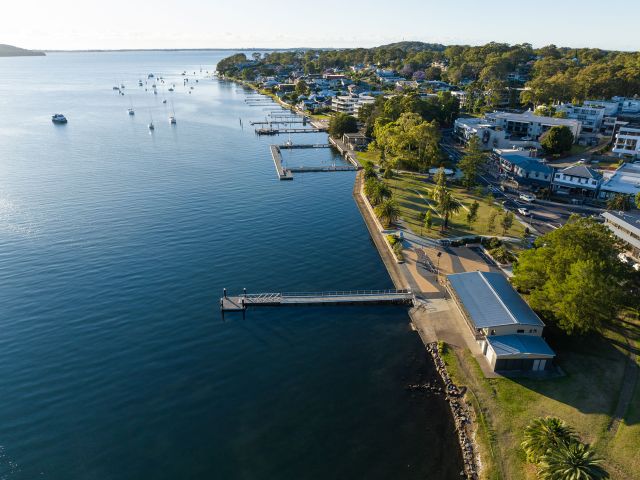
Explore beyond the western side. (Credit: Beau Pilgrim)
While there’s no harm in walking the well-worn path in this idyllic pocket of the world, the area west of Lake Macquarie is defined by stretches of ancient rainforests and quaint towns with a more local feel. Toronto is the largest town on this side and features a golf course and sailing clubs, while peninsula-based Wangi Wangi is fantastic for bushwalking and swimming.
2. There’s a booming arts scene
Discover the Museum of Art and Culture, YAPANG.
Lake Macquarie is a must-visit destination for creatives. Discover the Museum of Art and Culture, YAPANG; this modern gallery is set on a five-hectare sculpture park and showcases a free rotating program of exhibitions and events, with a strong focus on contemporary Aboriginal art. In Wangi Wangi, explore the Wangi Owl Trail, which includes Dobell House, the preserved home of prolific artist Sir William Dobell. And enjoy live music every Saturday evening at the recently renovated Toronto Hotel.
3. It’s a nature lover’s paradise
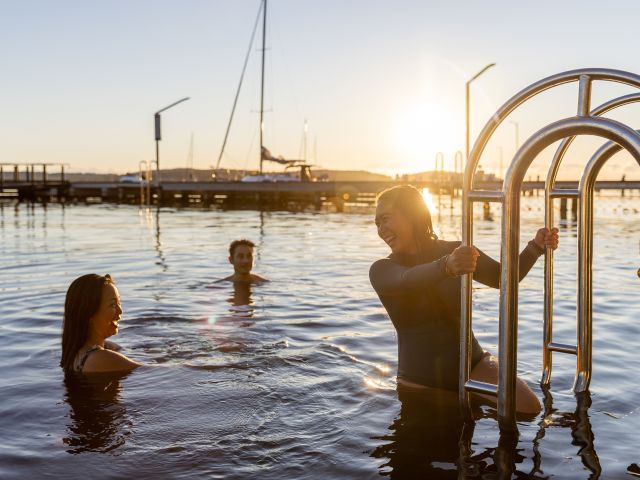
In and out of the water, find a natural paradise. (Credit: Beau Pilgrim)
Lake Macquarie is a playground for nature lovers. It’s home to Australia’s largest saltwater lake, a 110-square-kilometre haven for swimming, fishing, boating and sunset views. Another oasis is the Lake Macquarie State Conservation Area, a 761-hectare protected reserve with wildflowers, Second World War heritage sites and spectacular views to Pulbah Island. The upgraded Toronto baths, complete with jetty decking and netting, make for a sheltered spot for a refreshing dip, while the Awaba Mountain Bike Park gives adrenaline junkies their fix.
4. The dining scene is unbeatable
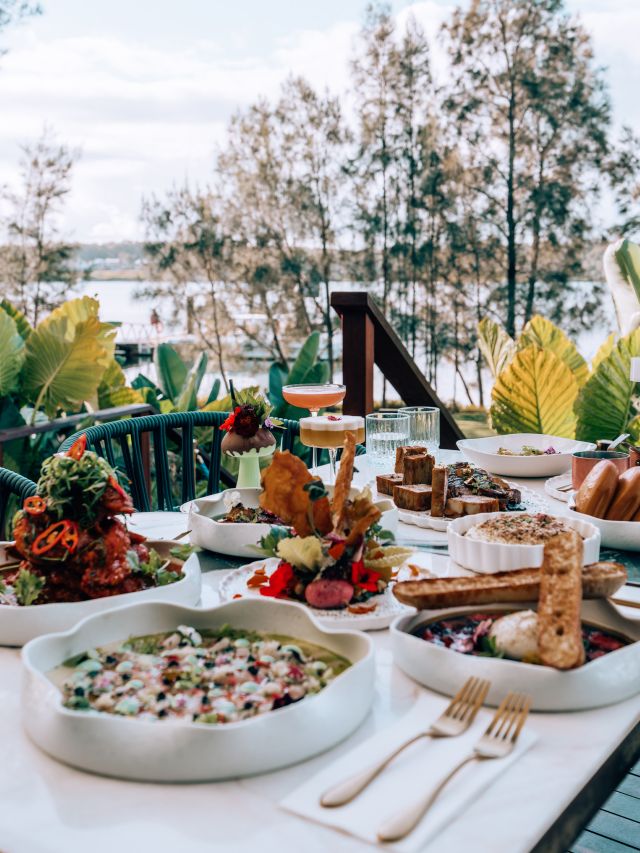
Treat yourself to 8 at Trinity.
Gourmands are well looked after in Lake Macquarie. At Emerson’s on the Lake in Toronto, the modern Australian fine dining menu spoils seafood lovers with the freshest ocean produce and stunning lake views. Sitting on Trinity Point’s waterfront, 8 at Trinity is another standout offering, serving Mediterranean fare in an open-air setting. For a more relaxed affair, the microbrewery trail lets craft beer enthusiasts sip on inventive brews from The Yard, Lake Mac Brewing and Bread & Brewery.
5. There are hidden coves and waterways
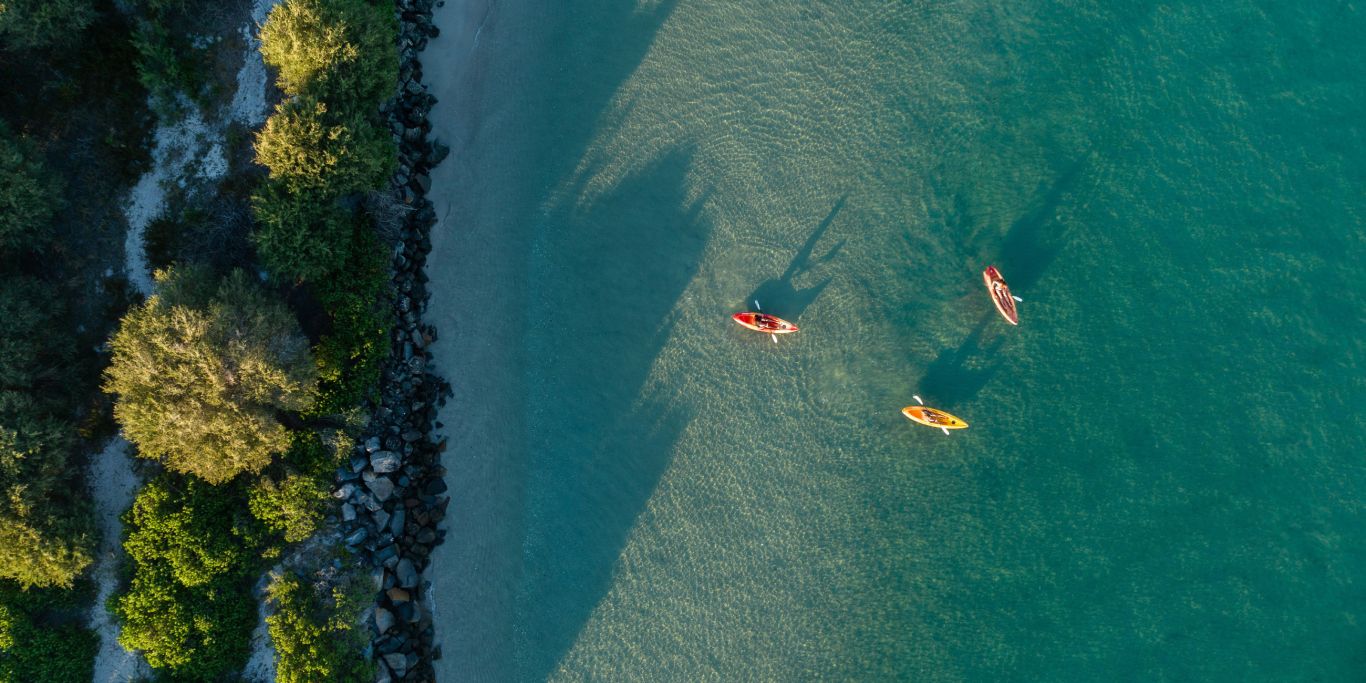
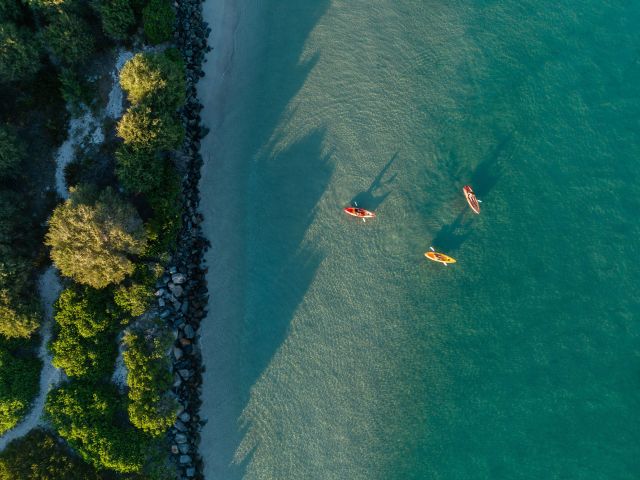
Get out onto the lake. (Credit: Beau Pilgrim)
There’s no better way to experience Lake Macquarie than directly on its waters, and in doing so you’ll discover a world of hidden coves and secluded waterways. Jump in a kayak for a tour with the friendly team at School of Yak and paddle to Cockle Creek, Awaba Bay, Green Point and Fennel Bay, discovering underwater life along the way. Or go all in and stay the night on one of Lake Macquarie Houseboats’ spacious vessels or hire a BBQ pontoon boat for the day from Lake Macquarie Boat Hire to enjoy a feast in the sunshine while admiring the marine life and picturesque waterscape.
6. It’s a birdwatcher’s paradise
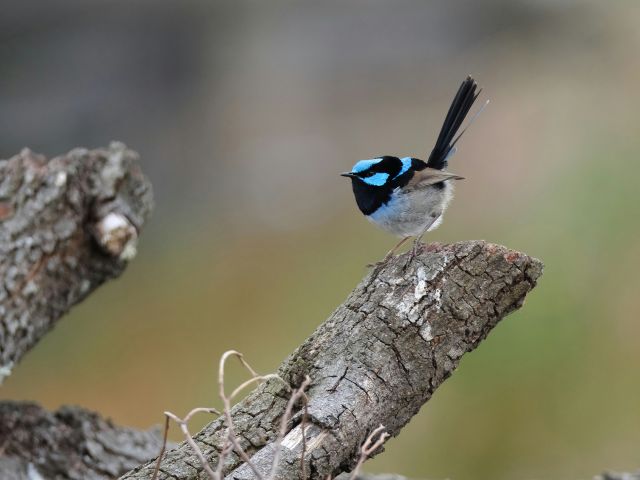
Keep an eye out for local birdlife. (Credit: Walter Coppola)
Twitchers are in for a real treat as hundreds of fascinating bird species such as Australian pelicans, black swans, white-bellied sea-eagles and superb fairy-wrens call this area home. Take a self-guided tour around top spots including Bird Cage Point and Lake Macquarie State Conservation Area (near Morisset) or be guided in a clear-bottom kayak through the waterways with Lake Macquarie Kayak Adventures, observing feathered friends as you go.
7. The lake has islands
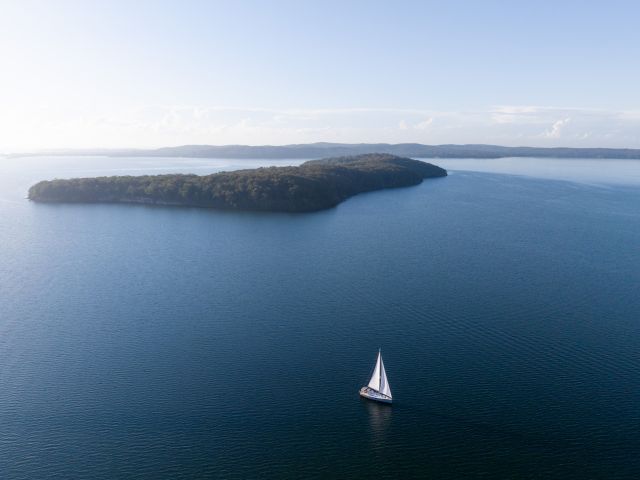
Charter a boat to see Lake Macquarie’s islands.
Hop on a private boat, kayak or charter around the lake to discover the plethora of small islands peppered around Lake Macquarie. The largest is Pulbah Island, a 69-hectare nature reserve home to goannas and sugar gliders with secluded beaches. Sandy islands such as Spectacle Island and Pelican Island have a tropical lagoon-like look to them as they sit in the tidal path of Swansea Channel, which filters the sand and creates a pristine environment. Stop by for a dip and a picnic.