hero media

How to maximise your annual leave in 2026

Because we all deserve some well-earned time off.

There’s always that one colleague who was organised enough to book their leave to align with the state’s holidays, leaving the rest of the office envious of their lovely two-week break with minimal leave used.

Leave maximisation is where you strategically use your annual leave days around weekends and public holidays to stretch out your break, and we’re already looking ahead to how to make the most of our time off next year.
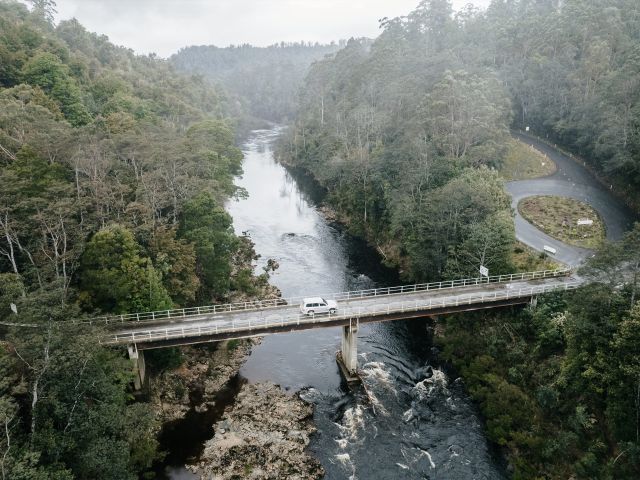
A car crossing a bridge in a rainforest
Savvy travellers use annual leave days around weekends and public holidays to stretch out their break. (Image: Tourism Australia)

Corporate Traveller has analysed how, with the right planning, Aussies can turn their annual leave into extended breaks in 2026. What their analysis shows is that Western Australians can get the most time off with minimal leave used, stretching 31 days of annual leave into an impressive 71 days off in total. 

Tom Walley, global managing director of Corporate Traveller, says thoughtful timing will pay dividends next year: “Public holidays in 2026 are well spaced for extended getaways. By locking in leave requests now, employees can secure the best fares and accommodation, and employers can plan resourcing well in advance. Everybody wins."

Let’s take a look…

Victoria
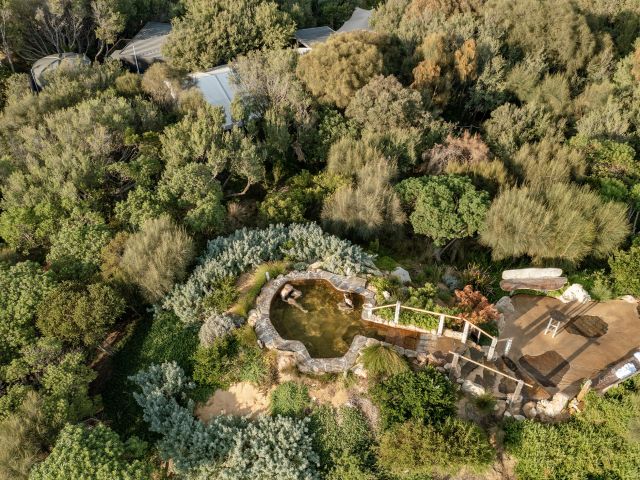
Two people in a hot springs in the Mornington Peninsula
Spend your leave relaxing in hot springs in the Mornington Peninsula. (Image: Tourism Australia)

Victorians can strategically lock in up to 60 days off by using 20 days of annual leave alongside 13 public holidays and weekends. Over the Christmas/New Year period, you could get 16 days off in a row by using seven days of leave, or 16 days off in a row at Easter by taking eight days of leave.

Need tips, more detail or itinerary ideas tailored to you? Ask AT.

AI Prompt

Queensland

Queenslanders can be savvy and lock in up to 58 days off by using 25 days of leave alongside 12 public holidays and weekends. You can use seven days of annual leave to get 16 days off in a row during the Christmas/New Year period, use four days of annual leave to get 10 consecutive days off over Easter, or use four days of annual leave to get 10 days off in a row around Ekka Day in August.

Western Australia
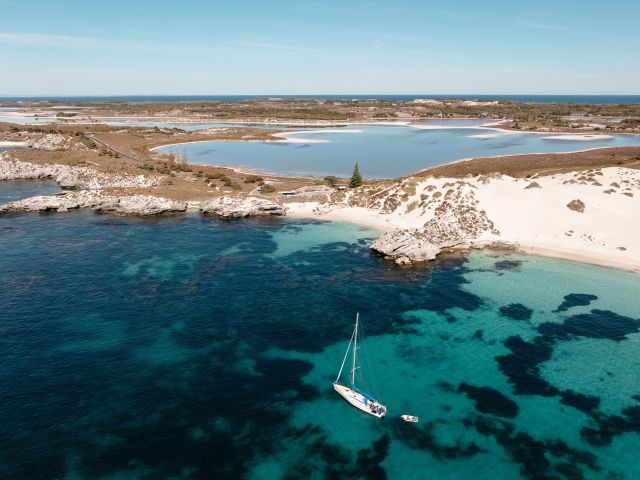
A boat at Rottnest Island
Spend relaxing days on Rottnest Island. (Image: Tourism Australia)

Western Australians can lock in an incredible 71 days off by using 31 days of leave alongside 11 state-wide public holidays and weekends. By using seven days of annual leave around the Christmas/New Year period, you can get 16 consecutive days off, or by using four days of annual leave around Easter, you can get 10 days off in a row. 

South Australia

South Australians can get 62 days off with 27 annual leave days, thanks to 13 public holidays. For extended breaks, you can use four days of annual leave for 10 days off in a row over Easter, and seven days of annual leave for 16 consecutive days off. 

Tasmania

Tasmanians can get 50 days off by using 19 days of annual leave, thanks to 11 official state-wide public holidays, plus either Royal Hobart Regatta Day in the south or Recreation Day in the rest of the state, along with an extra day off for public servants (7 April). You can get up to 16 days off by using seven annual leave days over the Christmas/New Year period or up to 11 days off by using four days of leave (or five with Easter Tuesday) over the Easter period.

Weekly travel news, experiences
insider tips, offers, and more.

New South Wales
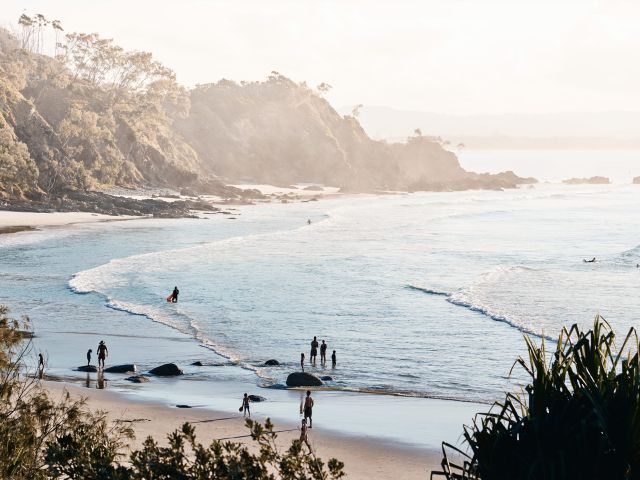
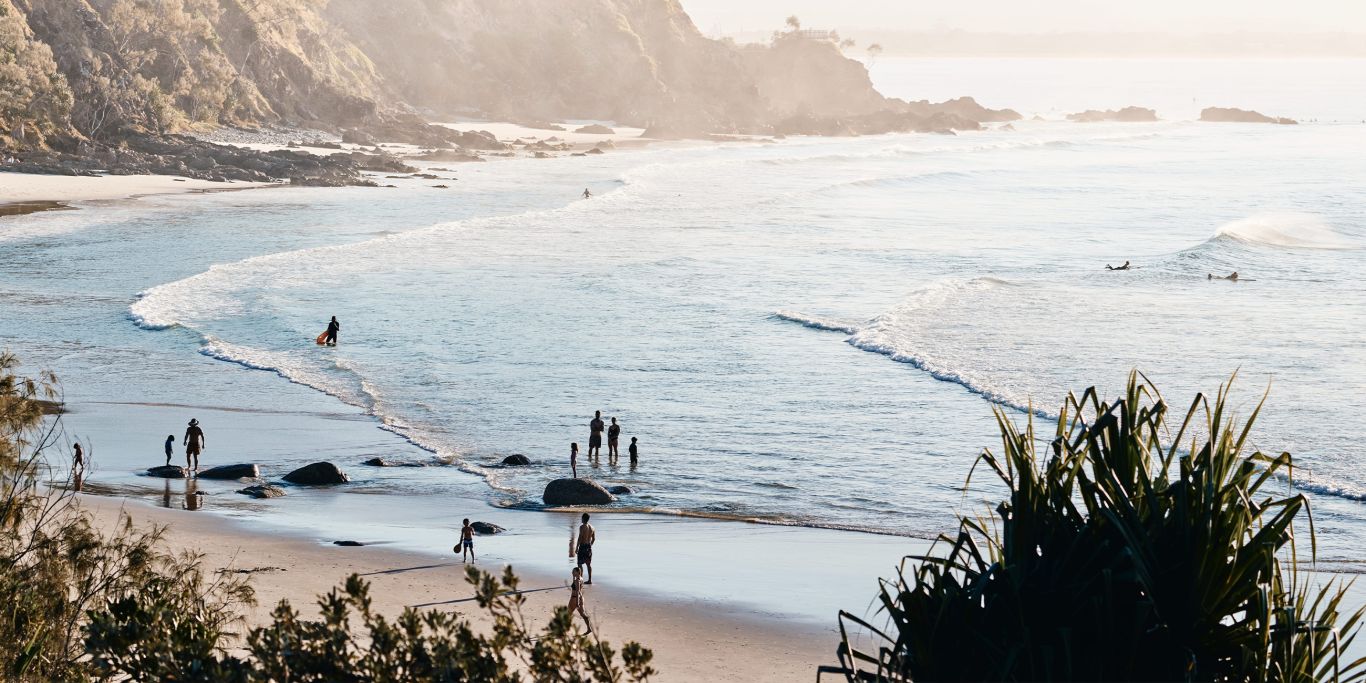
People entering the water at a beach at Byron Bay
Byron Bay is one of the most popular NSW towns to spend summer at. (Tourism Australia)

NSW has 11 state-wide public holidays. Employees can take up to 53 consecutive days off if they use 23 leave days around the Christmas/New Year and January holiday period, when multiple weekends and public holidays coincide. You could also give yourself a 10-day break by using just four days of your annual leave around the Easter break, from Saturday 28 March to Monday 6 April.

Australian Capital Territory

People in the ACT can get 55 days off if they take 23 days of annual leave, thanks to 13 public holidays, which include two extra long weekends Canberra Day (Monday 9 March) and Reconciliation Day (Monday 1 June). To maximise leave, use seven days of annual leave for 16 days off over Christmas/New Year and four days of leave for 10 days off over Easter. 

Northern Territory
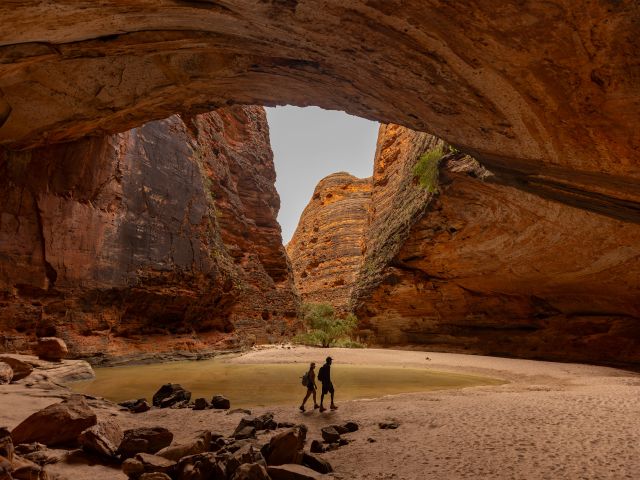
Two people walking around the Bungle Bungle Range is located in the Purnululu National Park.
Western Australians can get the most time off with minimal leave used. (Image: Tourism Australia)

The Top End crowd can get 50 days off if they take 19 days of annual leave, thanks to 11 official public holidays in 2026. You can get 16 consecutive days off over Christmas/New Year by using seven days of annual leave or 10 days off over Easter by using four days of annual leave. 

Rachael Thompson
Rachael Thompson is Australian Traveller's Evergreen Editor and a self-proclaimed cheese and Chablis connoisseur. In her role, she creates and manages online content that remains relevant and valuable over time. With a background in publishing and e-commerce in both interior design and travel, Rachael is dedicated to curating engaging content that informs and inspires. She began her career at Belle magazine, then went on to become Senior Content Producer at Homes to Love focusing on Australian House & Garden and Belle, followed by Editor at Bed Threads. Her work has also appeared in Qantas Travel Insider. When she's not writing, editing, or optimising content, Rachael enjoys exploring the city's newest restaurants, bars, and hotels. Next on her Aussie travel wish list are Uluṟu-Kata Tjuṯa National Park and Lord Howe Island.
View profile and articles
hero media

8 towns in Victoria’s Heartland that will delight your tastebuds

(Image: Visit Victoria)

    Jade Raykovski Jade Raykovski
    Get out of the city and close to nature in Victoria’s Heartland, one of Australia’s finest food-producing regions. 

    This fertile area is abundant in natural beauty, rich volcanic soils, mineral-rich waters, artisan producers and farm fresh produce. In towns spanning the Central Goldfields, Macedon Ranges and surrounds, just a short drive or easy train ride from Melbourne , you can taste a plethora of incredible food and world-class wine in these best of Victoria’s Heartland food regions. 

    1. Daylesford

    Lake House Restaurant, Daylesford
    Dine on the multi-course fare served at the elegant and light-filled Lake House Restaurant. (Credit: Visit Victoria)

    Warm and inviting, fans of Japanese cuisine should make a beeline for Kadota . Settle in for Japanese flavours, in cocktail glasses and on the plate, that have been carefully produced using seasonal local ingredients.

    For those who love a farm-to-table moment, Sault is the place to be. Fresh ingredients – directly from the restaurant’s kitchen gardens, or from regional organic farms and producers – are crafted into a delicious seasonal menu by Chef Hat-awarded Head Chef Jack Powlay.

    Boasting gorgeous water views from its location on the banks of Lake Daylesford, Boathouse Restaurant is perfect for an elevated dining experience.

    For a special treat, a visit to the two-chef-hatted restaurant  at the Lake House is a must. Savour beautiful views and a seasonal menu championing small-scale local suppliers and their own farm just 10 minutes away. 

    2. Hepburn Springs

    If you're exploring Victoria food regions to visit, Surly Goat is one restaurant you won’t want to miss.
    Tuck into hearty, farm-fresh flavours. (Image: Visit Victoria)

    Taking cues from its Swiss-Italian roots and the area’s produce, the picturesque Lavandula Farm  houses a seasonal trattoria, rustic wine bar, and a new deli and larder inside the original Shepherd’s Flat Post Office. 

    For another dining destination immersed in the area’s history, visit The Hepburn Pavilion  café at Hepburn Bathhouse. Brunch, lunch, scones and house-made cakes are served under the vaulted ceiling of this Edwardian heritage-listed building. 

    And while The Surly Goat  may have a farm-like ring to it, it’s in fact a homely restaurant that takes seasonality seriously. Chef David Willcocks heads up an ever-changing set menu celebrating local and small-scale regenerative producers. 

    3. Trentham

    Add Sisko Chocolate to your list of Victoria food regions to visit for a sweet stop along the way.
    Satisfy your sweet cravings with handcrafted treats. (Image: Sisko Chocolate)

    No trip to an Aussie regional town is complete without a stop at the pub. Pig & Whistle Hotel sits surrounded by farmland. Soak it in from the locally beloved beer garden. Here, pub classics include a parmigiana with an Irish twist.  

    For a more refined experienced, dine at du Fermier , where chef and owner Annie Smithers crafts a weekly menu of French farmhouse-style dishes, often sourcing ingredients from her nearby farm in Lyonville. 

    And if you have a sweet tooth, don’t leave town without a cheeky stop at Sisko Chocolate Studio , where owner Christina Tantsis has built a chocolate-lovers wonderland inside a stunning architectural space. Her handcrafted creations use couverture from Valrhona, a certified B Corporation, and the hot chocolates are positively sinful. 

    4. Woodend

    Kuzu Izakaya in woodend, daylesford
    Taste incredible Japanese cuisine at Kuzu Izakaya.

    Taste local drops in town at the family-owned Woodend Cellar and Bar  – complemented by tapas and artisan platters featuring sourdough from the local bakery – or at 600 Above , a wine bar with a sunny courtyard and cosy fireplace serving small and large plates.  

    Nearby, Kuzu Izakaya  is the go-to place for Japanese dining. Chef Eriko Pannam has crafted a moreish menu of creative and traditional dishes; think miso cream scallops and everyone’s favourite, Japanese fried chicken. 

    Mount Macedon Winery  is another must-visit for wine connoisseurs. Enjoy a glass and wood-fired pizza on the deck, or opt for fine dining at their Cellar Door Restaurant.

    5. Kyneton

    Piper Street in Kyneton is overflowing with top-notch eateries. Take Prato , specialising in traditional Greek dishes and pinsa (a lighter, crispier version of traditional pizza); or the upscale Midnight Starling , where chef Steve Rogers serves French classics inside a historic building with bluestone cellar. 

    A little further down, The Piper Street Wine Company is a European restaurant and wine bar inside a gorgeous heritage building. Their evolving menu highlights one European country or region at a time, so there’s always something new to discover. Further along, Fook Shing  delivers a flavour-packed Southeast Asian menu using local and regional Victorian produce.

    6. Castlemaine

    Blue cheese from Long Paddock Cheese.
    Discover rich, creamy cheeses crafted by a certified cow’s milk artisan cheesemaker. (Image: Long Paddock Cheese)

    Cafes, bars and restaurants have taken up residence inside this former Gold Rush town’s historic buildings. At The Mill Castlemaine – an 1870s woollen mill turned creative hub – you’ll find Long Paddock Cheese , a small-scale artisan cheesemaker that uses certified-organic cow’s milk from a nearby family-owned farm; and Das Kaffeehaus , a Viennese cafe serving traditional Austrian food with coffee from their small batch roastery. 

    Meanwhile, inside the Midland Hotel you’ll find the chef-hatted Bar Midland , founded by locals Loudon Cooper and Alexander Marano. Their monthly set menu celebrates Victorian producers who focus on sustainable land management, and often utilises indigenous food, introduced wild animals and weeds.

    7. Lancefield & Romsey

    A flatlay of food from Lost Watering Hole.
    Savour beautifully plated dishes in a relaxed setting. (Image: Visit Victoria)

    Art meets food and wine at Mount Monument , located just outside of Romsey. The beautiful vineyard is home to a sculpture park, cellar door and restaurant with a menu shaped by the Macedon Ranges’ rich seasonal produce.  

    In town, The 1860 Romsey  has reimagined a 160-year-old hotel. Here, country pub charm meets modern bistro, with a menu that supports local at every opportunity (their Central Victorian Oakdale Black Angus steak is a winner).  

    A few minutes’ drive north, the Lost Watering Hole  in Lancefield is a family-friendly brewery and restaurant crafting 100% naturally brewed beers. Their unusual names – No Dodo, Flightless, Big Roo – make sense once you learn Lancefield is the location of one of the richest deposits of megafauna fossils in Australia.

    8. Harcourt

    Lovely pastries from Hartcourt Produce & General Store.
    Treat yourself to buttery, house-made Danish pastries. (Image: Visit Victoria)

    Harcourt is famous for its apple orchards and cider production, and there’s no better place to visit than The Little Red Apple . At this roadside store, you can stock up on fresh crisp apples, ciders, vinegars, juices, and other gourmet products. 

    To taste more local delights, pop into the Harcourt Produce & General Store , renowned for their house-made danishes, or stop at Sutton Grange Winery  where winemaker Chris Smales crafts wines using their organically grown estate fruit. Open on Sundays, it’s an idyllic spot to slow down over wine, pizzas and share plates. 

    Start planning your next outdoor adventure at victoriasheartland.com.au.