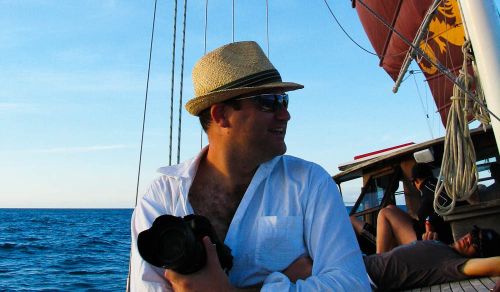
Warts and all: Memoirs of an Australian Traveller

hero media

Australian Traveller started on a flight to Broome in 2004. Surprising then, that from the age of 14, all I wanted to do was get the hell out of Australia.

As far as I was concerned, life started once I crossed the Australian border and started exploring ‘the world’.

I was a fresh-faced, long-haired 18-year-old backpacker when I first travelled through Europe and the US. My round-the-world ticket cost $1800 and flew me via Colombo, Sri Lanka, on an Air Lanka jet where the rivets popped every time we took off and landed. But no matter.

I lived by the words of a weighty Let’s Go Europe guide that weighed a ton. It led me to the most flea-bitten, cheap accommodation I could afford. I survived a mate almost dying in Zermatt, a crazy Viennese slum lord, homeboys and bed bugs in NYC and several memory-impairing visits to Amsterdam. I survived my youthful wanderlust, in other words. Just.

I returned from my gap year not knowing that’s what I had done. Back then you merely ducked uni for a year and went travelling. Most people thought it strange and exotic and said things like, “Wow, you’re adventurous, aren’t you?" I just thought it was a better use of my time than studying.

I took a job in publishing with the hope of using it to fund my travel. It worked.

The boss deported me to Singapore for 18 months, then London for two and a half years. I hated Singapore and loved London.

The summer holidays in Italy were glorious – long days in Florence, the Tuscan coast, Rome and even a week-long sojourn in Venice. It was everything I had always wanted. I didn’t want to leave.

Unfortunately, I returned to Australia earlier than I had hoped to (thanks, boss), this time with a de-facto English girlfriend in tow.

To kick off the Australian leg of our relationship, I booked us a holiday in Broome. It was May 2004.

Flying over Roebuck Bay, I looked down and for the first time, saw the amazing aquamarine water lapping up against the pindan soil of Outback Australia. Why had I never been here?

I was embarrassed. I had seen the world and not seen my own country. Worse – I had never wanted to see my own country.

As the Virgin Blue flight bounced onto the tarmac, my brain synapses seemed to be aligning in one heightened moment. An idea lit up my brain, like a child on red cordial: Australian Traveller. A magazine for those who’ve travelled the world but not their own backyard. People like me. I was electrified by the idea.

I pitched the idea to my flatmate Nigel the night we returned from Broome. He asked one question: “is the web address available?"

And so, I became a website owner.

We spent the next six months having a few hundred beers and trying to figure out why people smarter than us had not yet sold their houses to fund the launch of a domestic travel magazine. I could tell you why now. It’s a lot of effort.

In what could be considered a miracle, we launched the magazine on 25 May 2005. We were mates, and now business partners.

On that day the Aussie dollar was buying 76 US cents, John Howard was two years away from Kevin ’07, Australia had held the Ashes for 16 consecutive years and Gwen Stefani’s Hollaback Girl was on top of the charts. Social media was studying journalism at a uni with a decent student bar.

The launch was crazy – we never expected to get death threats. Someone hated us for publishing ‘the 10 ugliest towns in the country’, so much so that they emailed, promising to kill us if they lost a single booking! I was touched they thought we were so powerful.

Readers loved the magazine. Australia as a destination was resting on its post-Olympic and Rugby World Cup bottom whilst Kiwi luxury lodges were the hot topic in antipodean travel.

We were also lucky to have some powerful friends, with former Deputy Prime Minister Tim Fischer being our founding columnist. True to his great passion, almost every destination featured by Tim in two years of columns included a train somewhere.

His role as Chairman of Tourism Australia at the time helped. Having a beer after we published issue #4, Tim was his usual honest self. “Congratulations boys, that’s three more issues than anyone ever expected."

2006 was a breakthrough year. Our first annual 100 – ‘100 Things To Do Before You Die’ is still our best-selling issue of all time.

We followed that up with our first Outback issue, another cracker sale – and the first time I had returned to the countryside that had inspired me into this crazy venture. Shooting the cover on the Mundi Mundi plains, I felt I was living under ‘the big sky’ for the first time.

That year, a lot of relationships started and ended. The English girlfriend decided Australia was a great place to visit but ‘old Blighty’ was probably a better place to live. I didn’t agree but was in love with other things soon enough.

I had never met Aboriginal people who only spoke their native language until I went to Garma. At Cape Arnhem, I was blown away and it dawned on me that most people’s mysticism is the same.

My new girlfriend didn’t like that I was out of contact for the whole 10 days, however. We moved in together when I got back.

For me, qualia started a new era in Australian travel, the first world-class luxury lodge to take it to the Kiwis… And me. I took my now live-in girlfriend there eight weeks after the opening.

That stay wasn’t all smooth sailing. The activities guys had dropped us off for a romantic picnic on our own beach but forgot to bring the picnic, the umbrella or water… let alone any champagne. The staff arrived just when we started to think panic would be the only solution.

My live-in girlfriend cried when we left qualia. (“I’ll never ever get to stay at a place like this again.") We went back for five nights on our honeymoon. She didn’t cry when we left that time – we were headed for Longitude 131.

True to my reformed travelling self, our entire honeymoon was spent in Australia.

Since that moment, Luxury Lodges of Australia have become all the rage. I took my wife to Wolgan Valley Resort & Spa the day after our first son was officially conceived via IVF. She declared it the greatest bed she has ever slept on. “Even better than qualia."

Now when I meet people and they ask, “How long have you been at Australian Traveller?" I only ever say, ‘from the beginning’.

They immediately want to know my favourite place. The answer is always the same. “Depends."

It depends on what you like, what you want and how you like to travel – for there is only one certainty, as far as I can see. That around every corner I’ll be surprised and delighted by yet another piece of this amazing country.

Need tips, more detail or itinerary ideas tailored to you? Ask AT.

AI Prompt

Quentin Long
Quentin Long is the Co-Founder and Managing Director of Australian Traveller Media. Quentin is a sought-after travel media commentator. He is Australia’s most trusted source for travel news and insights, having held weekly radio segments across the country since 2006, and regularly appearing on Channel 9’s Today and A Current Affair programs from 2010. Don't ask him his favourite travel experience as that's like asking him to choose a favourite child. However he does say that Garma Festival is the one travel experience that changed him the most.
View profile and articles
hero media

The Macedon Ranges is Victoria’s best-kept food and wine secret

    Emily McAuliffe Emily McAuliffe
    Located just an hour north-west of Melbourne, the largely undiscovered Macedon Ranges quietly pours some of Australia’s finest cool-climate wines and serves up some of Victoria’s best food.

    Mention the Macedon Ranges and most people will think of day spas and mineral springs around Daylesford, cosy weekends away in the countryside or the famous Hanging Rock (of enigmatic picnic fame). Or they won’t have heard of the Macedon Ranges at all.

    But this cool-climate destination has been inconspicuously building a profile as a high-quality food and wine region and is beginning to draw serious attention from oenophiles and epicureans alike.

    The rise of Macedon Ranges wine

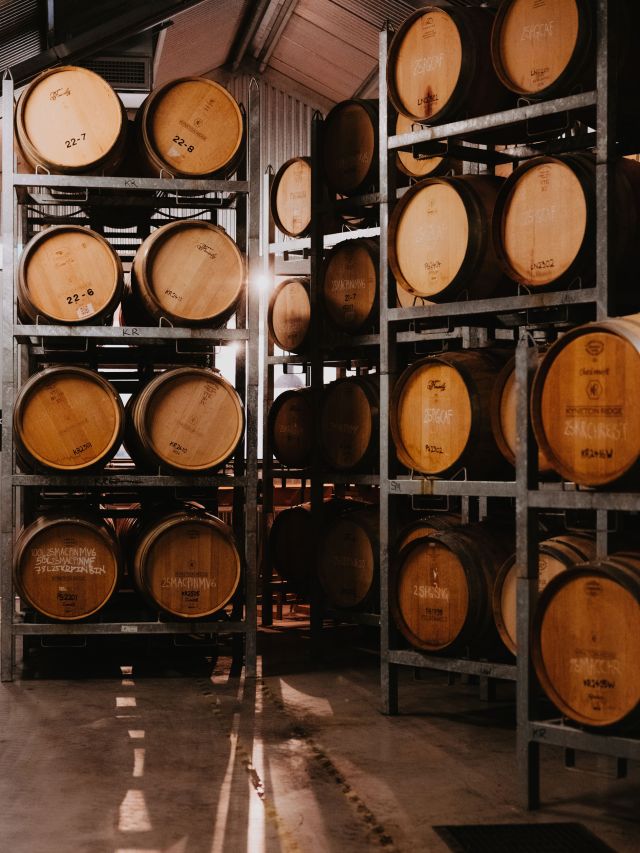
    liquid gold barrels at Kyneton Ridge Estate Winery
    Barrels of liquid gold at Kyneton Ridge Estate Winery. (Image: Chloe Smith Photography)

    With elevations ranging from 300 to 800 metres, Macedon Ranges vineyards are among the highest in the country. This altitude, combined with significant day/night temperature swings, makes for a slow ripening season, in turn nurturing wines that embody elegance and structure. Think crisp chardonnays, subtle yet complex pinot noirs and delicate sparkling wines, along with niche varietals, such as gamay and nebbiolo.

    Despite the region’s natural advantages – which vary from estate to estate, as each site embodies unique terroir depending on its position in relation to the Great Dividing Range, soil make-up and altitude – the Macedon Ranges has remained something of an insider’s secret. Unlike Victoria’s Yarra Valley or Mornington Peninsula, you won’t find large tour buses here and there’s no mass marketing drawing crowds.

    Many of the 40-odd wineries are family-run operations with modest yields, meaning the wineries maintain a personal touch (if you visit a cellar door, you’ll likely chat to the owner or winemaker themselves) and a tight sales circle that often doesn’t go far beyond said cellar door. And that’s part of the charm.

    Though wines from the Macedon Ranges are just starting to gain more widespread recognition in Australia, the first vines were planted in the 1860s, with a handful of operators then setting up business in the 1970s and ’80s. The industry surged again in the 1990s and early 2000s with the entry of wineries, such as Mount Towrong, which has an Italian slant in both its wine and food offering, and Curly Flat , now one of the largest estates.

    Meet the new generation of local winemakers

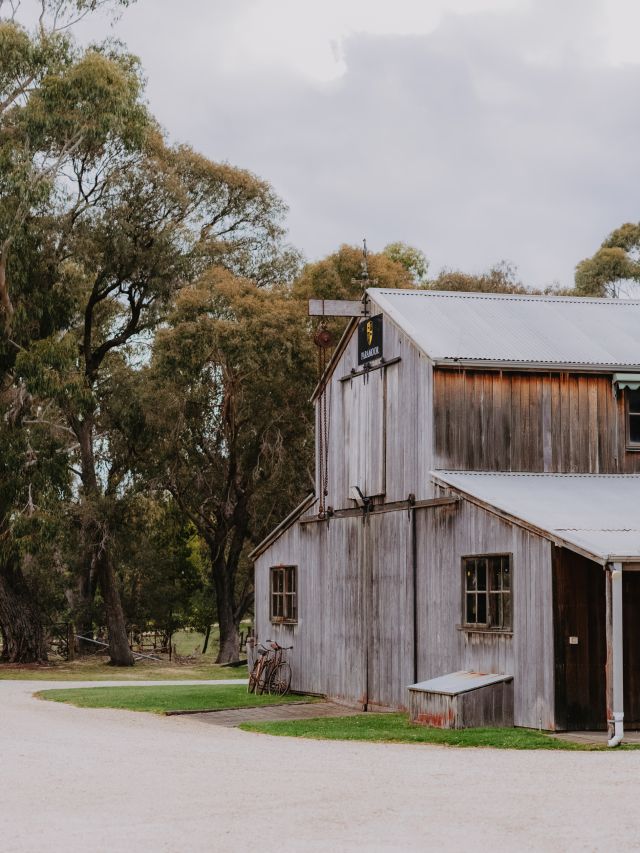
    the Clydesdale barn at Paramoor.
    The Clydesdale barn at Paramoor. (Image: Chloe Smith Photography)

    Then, within the last 15 years, a new crop of vignerons like Andrew Wood at Kyneton Ridge Estate , whose vineyard in 2024 was the first in the Macedon Ranges to be certified by Sustainable Winegrowing Australia; Geoff Plahn and Samantha Reid at Paramoor , who have an impressive cellar door with a roaring fire and studded leather couches in an old Clydesdale barn; and Ollie Rapson and Renata Morello at Lyons Will , who rapidly expanded a small vineyard to focus on top-shelf riesling, gamay, pinot noir and chardonnay, have taken ownership of local estates.

    Going back to the early days, Llew Knight’s family was one of the pioneers of the 1970s, replacing sheep with vines at Granite Hills when the wool industry dwindled. Knight is proud of the fact that all their wines are made with grapes from their estate, including a light, peppery shiraz (some Macedon wineries purchase fruit from nearby warmer areas, such as Heathcote, particularly to make shiraz) and a European-style grüner veltliner. And, as many other wineries in the region do, he relies on natural acid for balance, rather than an additive, which is often required in warmer regions. “It’s all about understanding and respecting your climate to get the best out of your wines,” he says.

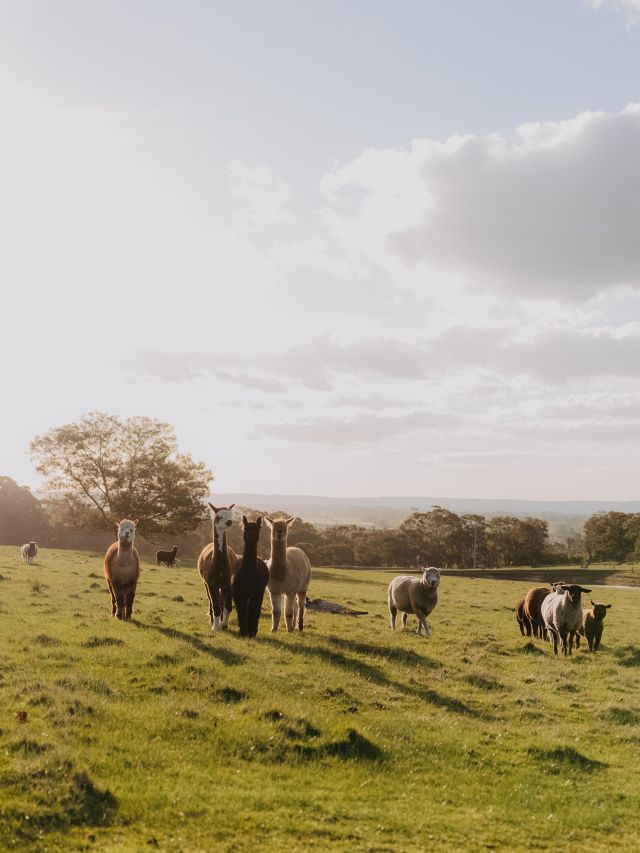
    farm animals atKyneton Ridge Estate
    Curious residents at Kyneton Ridge Estate. (Image: Chloe Smith Photography)

    Throughout the Macedon Ranges, there’s a growing focus on sustainability and natural and low-intervention wines, with producers, such as Brian Martin at Hunter Gatherer making waves in regenerative viticulture. Martin previously worked in senior roles at Australia’s largest sparkling winemaking facility, and now applies that expertise and his own nous to natural, hands‑off, wild-fermented wines, including pét‑nat, riesling and pinot noir. “Wild fermentation brings more complexity,” he says. “Instead of introducing one species of yeast, you can have thousands and they add different characteristics to the wine.”

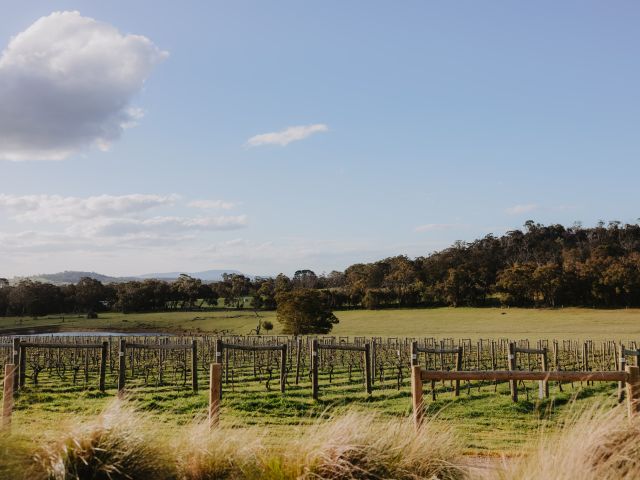
    the vineyard at Kyneton Ridge Estate Winery
    The estate’s vineyard, where cool-climate grapes are grown. (Image: Chloe Smith Photography)

    Most producers also focus on nurturing their grapes in-field and prune and pick by hand, thus avoiding the introduction of impurities and the need to meddle too much in the winery. “The better the quality of the fruit, the less you have to interfere with the natural winemaking process,” says Wood.

    Given the small yields, there’s also little room for error, meaning producers place immense focus on quality. “You’re never going to compete in the middle [in a small region] – you’ve got to aim for the top,” says Curly Flat owner Jeni Kolkka. “Big wineries try to do things as fast as possible, but we’re in no rush,” adds Troy Walsh, owner and winemaker at Attwoods . “We don’t use commercial yeasts; everything is hand-harvested and everything is bottled here, so we bottle only when we’re ready, not when a big truck arrives.” That’s why, when you do see a Macedon Ranges product on a restaurant wine list, it’s usually towards the pointy end.

    Come for the wine, stay for the food

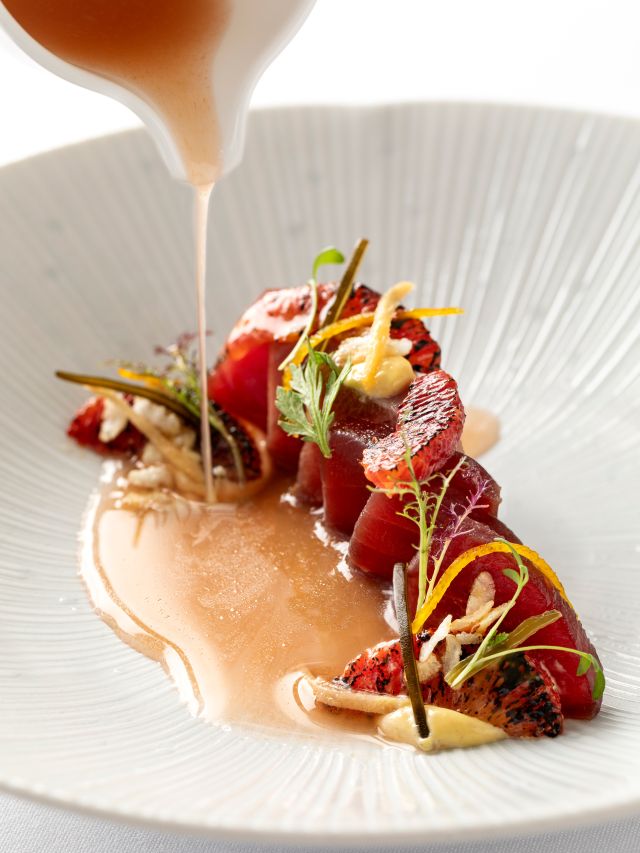
    pouring sauce onto a dish at Lake HouseDaylesford
    Dining at Lake House Daylesford is a treat. (Image: Chloe Smith Photography)

    If wine is the quiet achiever of the Macedon Ranges, then food is its not-so-secret weapon. In fact, the area has more hatted restaurants than any other region in Victoria. A pioneer of the area’s gourmet food movement is region cheerleader Alla Wolf-Tasker, culinary icon and founder of Daylesford’s Lake House.

    For more than three decades, Wolf-Tasker has championed local producers and helped define what regional fine dining can look like in Australia. Her influence is palpable, not just in the two-hatted Lake House kitchen, but in the broader ethos of the region’s dining scene, as a wave of high-quality restaurants have followed her lead to become true destination diners.

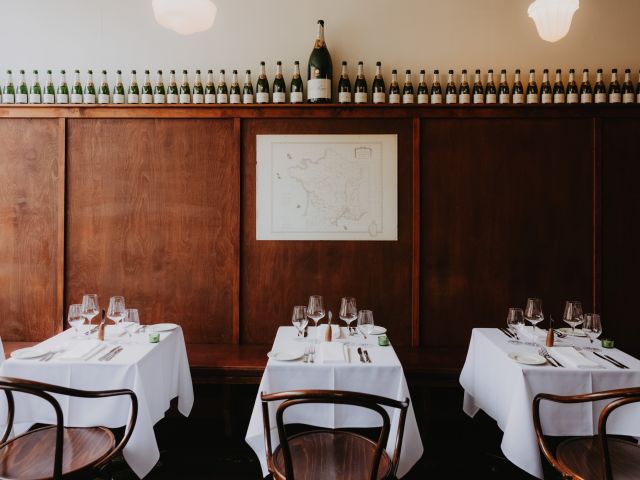
    the Midnight Starling restaurant in Kyneton Ridge Estate Winery
    The hatted Midnight Starling restaurant is located in Kyneton. (Image: Chloe Smith Photography)

    It’s easy to eat well, whether at other hatted restaurants, such as Midnight Starling in the quaint town of Kyneton, or at the wineries themselves, like Le Bouchon at Attwoods, where Walsh is inspired by his time working in France in both his food offering and winemaking.

    The beauty of dining and wine touring in the Macedon Ranges is that it feels intimate and unhurried. You’re likely to meet the winemaker, hear about the trials of the latest vintage firsthand, and taste wines that never make it to city shelves. And that’s worth getting out of the city for – even if it is just an hour down the road.

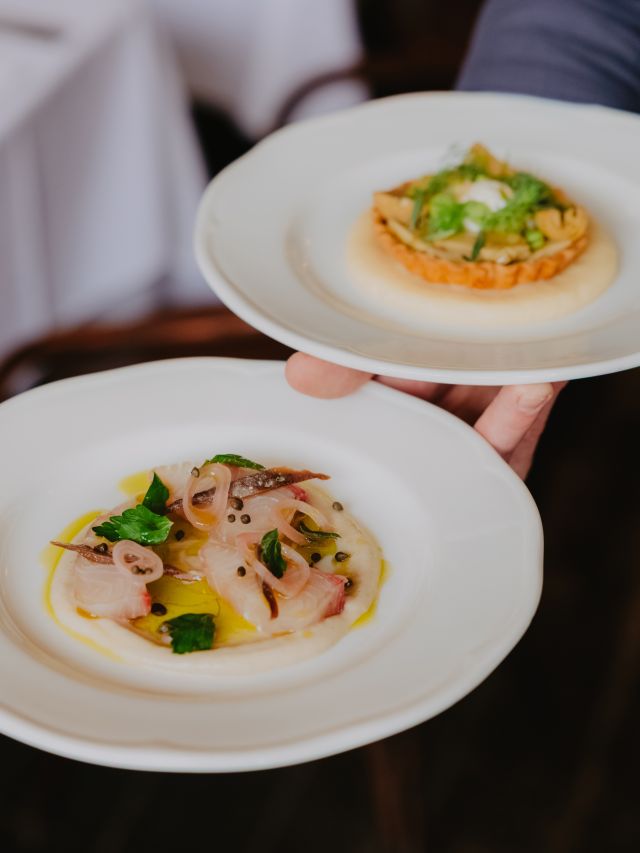
    dishes on the menu at Midnight Starling
    Delicate dishes on the menu at Midnight Starling. (Image: Chloe Smith Photography)

    A traveller’s checklist

    Staying there

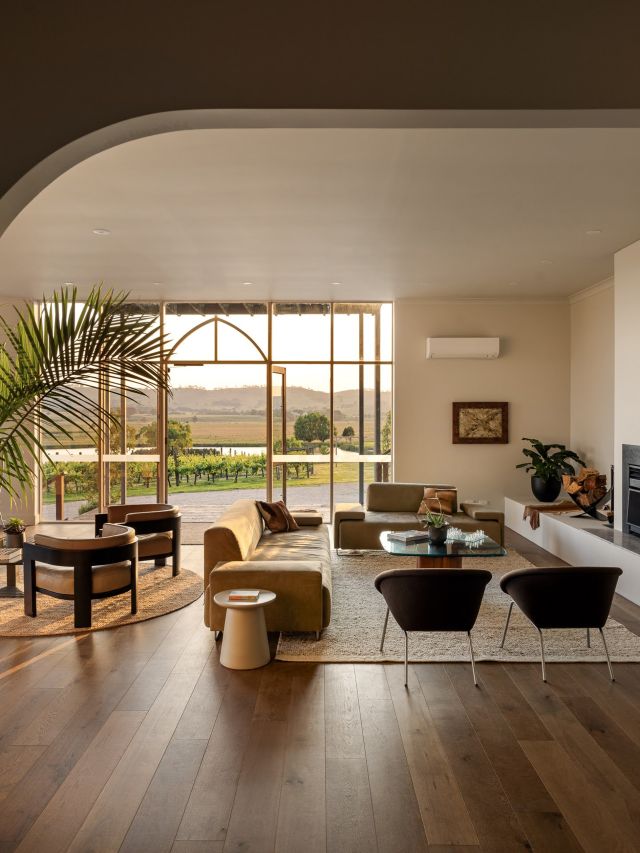
    the accommodation at Cleveland Estate, Macedon Ranges
    Stay at the Cleveland Estate. (Image: Chloe Smith Photography)

    Soak up vineyard views from Cleveland Estate near Lancefield , embrace retro charm at Kyneton Springs Motel or indulge in lakeside luxury at the Lake House .

    Eating there

    Enjoy a four-course menu at the one-hatted Surly Goat in Hepburn Springs, Japanese-inspired fare at Kuzu in Woodend or unpretentious fine dining at Mount Monument , which also has a sculpture park.

    Drinking there

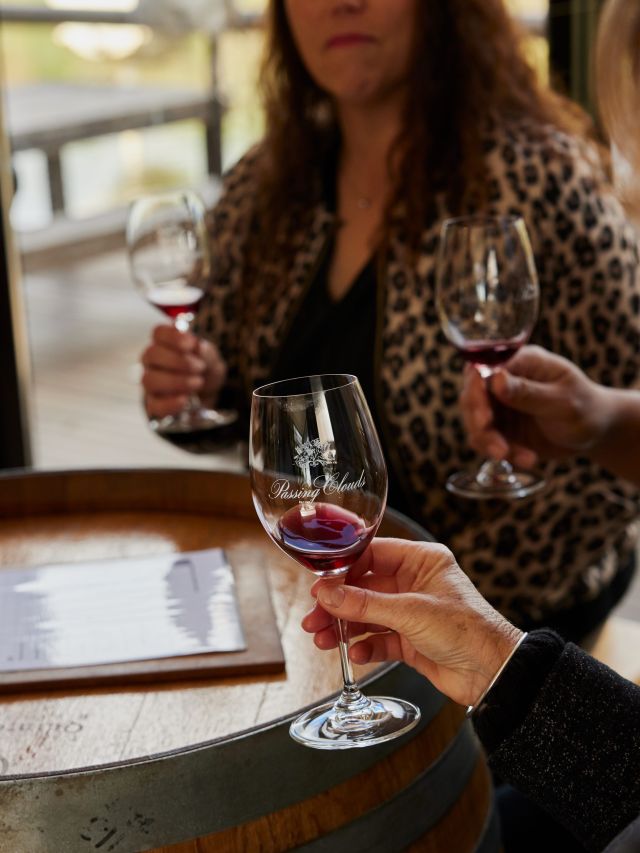
    wine tasting at PassingClouds Winery, Macedon Ranges
    A tasting at Passing Clouds Winery. (Image: Chloe Smith Photography)

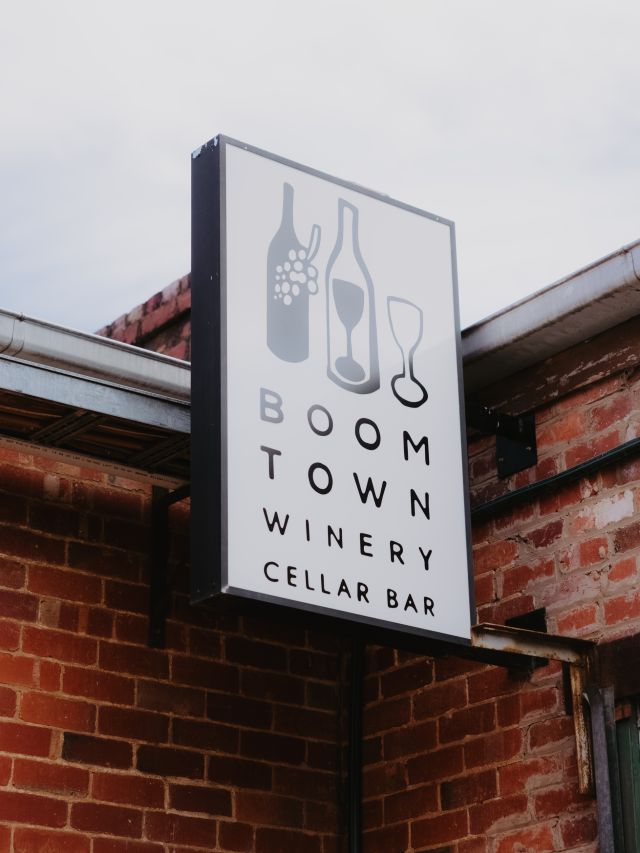
    Settle in for a tasting at Boomtown in Castlemaine, sample local drops at the cosy Woodend Cellar & Bar or wine-hop around the many cellar doors, such as Passing Clouds .

    the Boomtown Winery and Cellar Bar signage
    Boomtown Winery and Cellar Bar. (Image: Chloe Smith Photography)

    Playing there

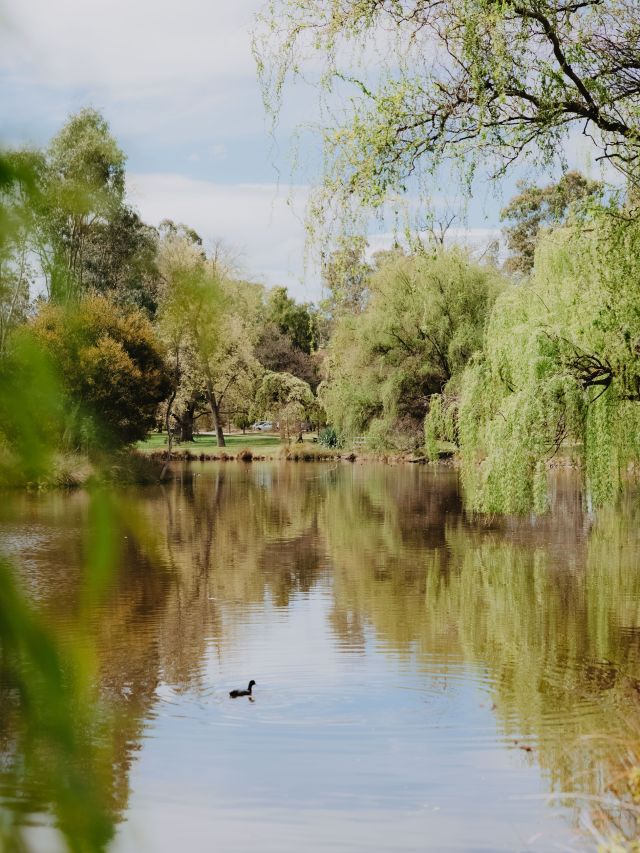
    a scenic river in Castlemaine
    Idyllic scenes at Castlemaine. (Image: Chloe Smith Photography)

    Wander through the seasonal splendour of Forest Glade Gardens , hike to the summit of Hanging Rock, or stroll around the tranquil Sanatorium Lake.

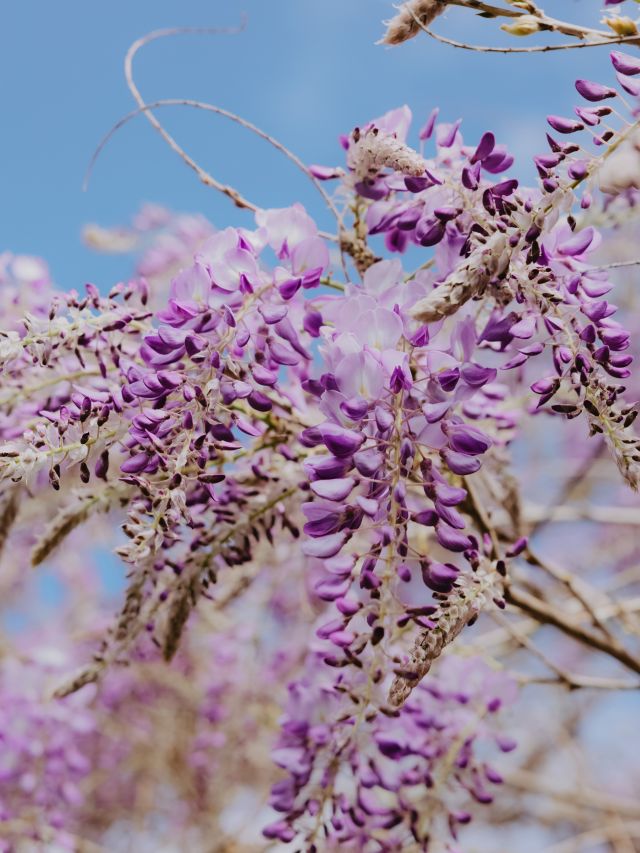
    purple flowers hanging from a tree
    Purple flowers hanging from a tree. (Image: Chloe Smith Photography)