The best Australian places to visit in the off-season

hero media
Discover why the off-season rivals summer as the best time to explore Australia.

If Australia were represented as a season, it would be summer. Hot, balmy days are what the world knows us for. But we know better. We know that in the off-season, some of the real Australian magic happens. Here are some of our favourite things that only happen when the weather starts to cool and the crowds start to thin out.

1. Experience a Tasmanian winter

It’s only right to start with a state whose entire marketing campaign is centred around the off-season. Tasmania really does know how to embrace chillier days. Spend every day staying warm by the fire with Tassie’s famed wine and produce (winter is truffle hunting season, after all). Join the cold plunge craze and take a dip in the ocean. Or, join one of the most renowned winter festivals, Dark Mofo , which is back in 2025.

dark mofo in tasmania
Book a ticket for the grand return of Dark Mofo. (Image: Adam Gibson)

2. See turtles hatching in Queensland

With eggs being laid in the summer heat between November and January, autumn becomes the perfect time to catch little hatchlings as they make a dash for the roaring ocean. There are many places along the coastline where this occurs, but visit Lady Elliot Island, Heron Island or Mon Repos Beach for the most immersive and turtle-friendly experiences.
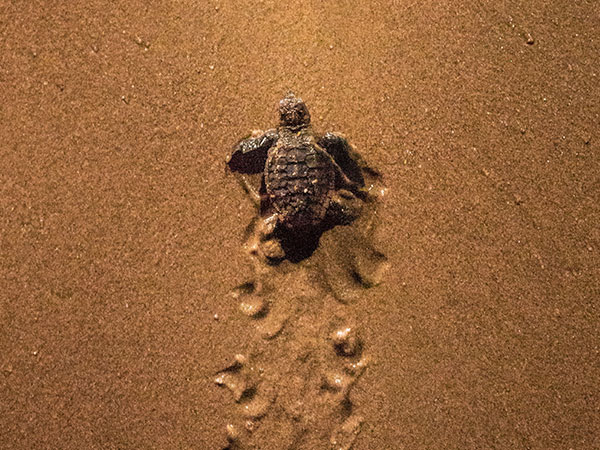
a hatching turtle scuttle towards the ocean Mon Repos Turtle Centre
Visit the Mon Repos Turtle Centre to spot these cuties. (Image: TEQ)

3. Head to the outback

Unlike along Australia’s coast, the outback maintains clear skies and abundant sunshine all through the winter months. Not to mention that the temperatures become very reasonable, with max temps falling to the low 30s. This means it’s the perfect time to explore Uluru or go hiking in the Ikara-Flinders Ranges. Head to the unique Coober Pedy, which becomes a far more bearable temperature from April to October. Or check out Queensland’s Birdsville, and the iconic Big Red sand dune marking the start of the Simpson Desert.

two people drinking at a pub in coober pedy during sunset
Enjoy better temperatures in Coober Pedy over winter. (Image: South Australian Tourism Commission)

4. Spot orcas in Western Australia

Head to Bremer Bay in the southwest corner of the state to see the largest congregation of orca whales in the southern hemisphere. Here, offshore canyons make for rich hunting grounds, enticing orcas from January until April. You might even catch them in something of a feeding frenzy. In general, Australia is an amazing place to find whales of many breeds, discover them all in our guide.
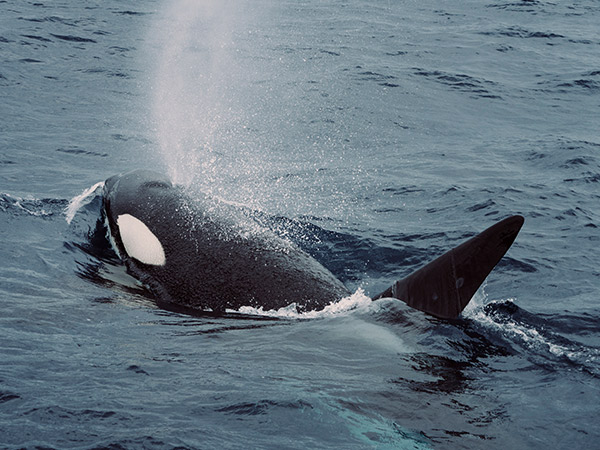
orca on Naturaliste Charters in Bremer Bay
See orcas up close in Bremer Bay. (Image: Tourism WA)

5. Thaw out in the Top End

The off-season doesn’t have to mean bracing for a chill. Chase the eternal sunshine and head up to Australia’s Top End. Darwin is a laid-back city that packs a punch when it comes to good food and epic day trips. Head to the famous Mindil Beach Sunset Market for laksa on the beach as the sun goes down, drive 1.5 hours south of Darwin to swim in Litchfield National Park’s natural water holes or even take a helicopter or 2.5-hour ferry to discover the local culture of Tiwi Islands.

Thanks to summer rains, April and May make the trails around Kakadu National Park and Kings Canyon particularly lush. Plus, most waterholes reopen about this time, after the heavy rains stop.
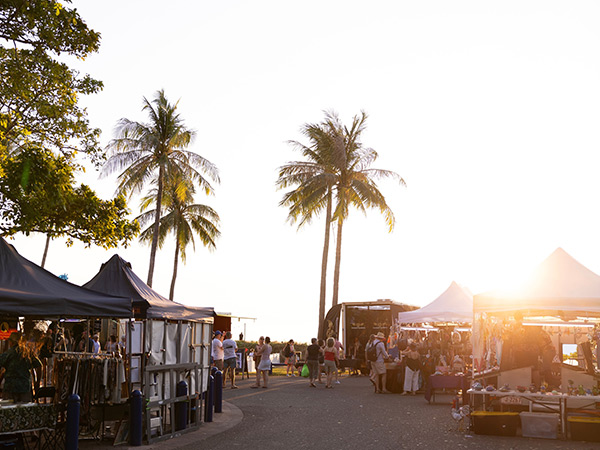
Mindil Beach Sunset Market darwin
Indulge in the famous laksa at Mindil Beach Sunset Market. (Image: Tourism NT/ Sean Scott)

6. Get cosy in Adelaide’s wine country

Wine goes with everything and every season. But there’s something particularly enjoyable about getting cosy in wine country when the air outside is crisp. The best part? Adelaide has several incredible wine regions to choose from. Pick your experiences from some of our favourites, and if you’re heading to Adelaide Hills don’t miss these drops.
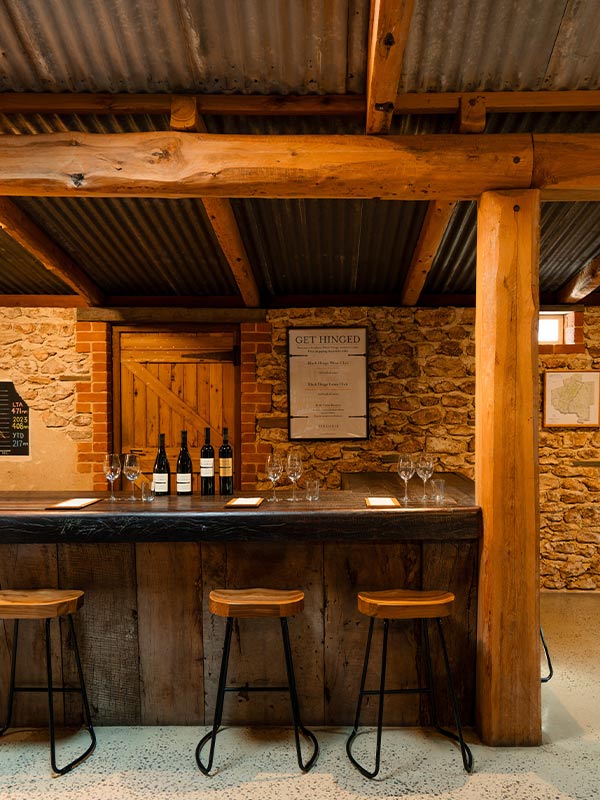
Pindarie winery Barossa south australia
Warm up with quality wine. (Image: South Australia Tourism Commission)

7. Shred New South Wales’ snowfields

Every year, NSW’s Snowy Mountains come alive with snow bunnies. Winter is anything but slow here. Starting around the June long weekend and runs until October, with peak season usually in July and August. You don’t have to love skiing, either. Warming yourself by a hotel’s fireplace and taking snow hikes are totally acceptable ways to enjoy the snow. Just read our tips before you go, even if you’re on a budget.
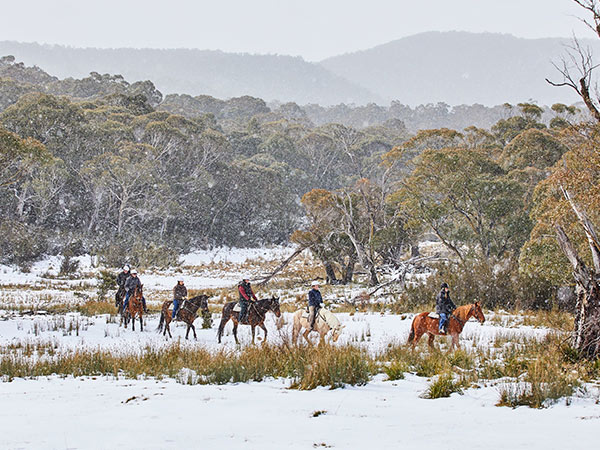
a tour group with Thredbo Valley Horse Riding in the snow
You don’t need to ski to enjoy the snow in NSW. (Image: DNSW)
Kassia Byrnes
Kassia Byrnes is the Native Content Editor for Australian Traveller and International Traveller. She's come a long way since writing in her diary about family trips to Grandma's. After graduating a BA of Communication from University of Technology Sydney, she has been writing about her travels (and more) professionally for over 10 years for titles like AWOL, News.com.au, Pedestrian.TV, Body + Soul and Punkee. She's addicted to travel but has a terrible sense of direction, so you can usually find her getting lost somewhere new around the world. Luckily, she loves to explore and have new adventures – whether that’s exploring the backstreets, bungee jumping off a bridge or hiking for days. You can follow her adventures on Instagram @probably_kassia.
See all articles
hero media

Mornington Peninsula’s storied past: war, shipwrecks and a runaway convict 

The Mornington Peninsula is a coastline of contrasts, where convict and military history meets shipwrecks, wild seas and adventures above and below the surface.

The Mornington Peninsula can be the kind of place where salt-tangled hair feels like a badge of honour – proof you’ve been somewhere wild, raw and real. Peel back the layers and you’ll discover stories that anchor this region to something other than its famed food and wine.

This land is the traditional Sea Country of the Bunurong/Boon Wurrung people. Long before grapevines were planted and artisanal goods were crafted, the Bunurong Traditional Owners lived in deep connection with the land and sea. Today, places such as Mushroom Reef Marine Sanctuary echo that tradition, with families exploring its rockpools in search of colourful sea stars and crabs at low tide and learning how these fragile ecosystems have been cared for across countless generations.

a group of people visiting the Port Nepean National Park
Take in the rugged coastal landscape at Port Nepean National Park. (Image: Tourism Australia)

A visit to Point Nepean National Park feels like stepping back through time. The fort, built in 1882, protected the narrow entrance to Port Phillip Bay until the end of the Second World War. It was here that the first Allied shot of the First World War was fired – at a German cargo ship trying to escape just hours after war was declared. Nearby, the old Quarantine Station, one of Australia’s first permanent quarantine facilities, established in 1852, still stands. Walking through the hospital and disinfecting complex evokes stories of those who arrived from faraway shores.

Not far from here is a story of survival that inspired the Aussie phrase ‘you’ve got Buckley’s chance’. In 1803, escaped convict William Buckley vanished into the bush near what’s now Sorrento. Everyone thought he had no hope of surviving, but he reappeared 32 years later, having lived with local Aboriginal people.

Even the waters here hold history. The infamous stretch known as The Rip, just three kilometres wide at the entrance of Port Phillip Bay, is among the most treacherous waterways. Countless ships were lost here in the 19th and early 20th centuries, and in 1967, Australia’s own Prime Minister Harold Holt disappeared while swimming off the coast, never to be found.

a seal swimming in Port Phillip Bay
A seal swimming in Port Phillip Bay. (Image: Tourism Australia/Two Palms/Harry Pope)

But for all its danger, the sea here also holds extraordinary beauty. Dolphins are often seen near Sorrento’s cliffs, while below the surface, seagrass meadows and rocky reefs teem with life. Marine tours offer a viewing to this underwater wonderland, while back on terra firma, walking trails lead along beaches, through coastal scrub, and over rock pools.

And if you think you’ll forget about the Mornington Peninsula once you’ve left? You’ve got Buckley’s chance.

A traveller’s checklist

Staying there

the suite interior at InterContinental Sorrento
Luxury interiors at the historic InterContinental Sorrento. (Image: Greg Elms)

Point Nepean Discovery Tents is immersive glamping beside the historic Quarantine Station. Or upgrade to luxury at the 1875-built InterContinental Sorrento .

Playing there

an aerial view of Cape Schanck Lighthouse
Make your way to the Cape Schanck Lighthouse. (Image: Tourism Australia/Two Palms/Harry Pope)

Bayplay Adventure Tours offer eco-adventures from snorkelling with sea dragons to kayaking with dolphins and cycling Point Nepean. Cape Schanck Lighthouse is fascinating to explore on a guided tour, which takes you into the lighthouse and keeper’s cottage.

Eating there

Portsea Hotel is a beautifully restored 1876 Tudor-style pub right on the beach, serving seasonal local fare.