The best Australian places to visit in the off-season

hero media
Discover why the off-season rivals summer as the best time to explore Australia.

If Australia were represented as a season, it would be summer. Hot, balmy days are what the world knows us for. But we know better. We know that in the off-season, some of the real Australian magic happens. Here are some of our favourite things that only happen when the weather starts to cool and the crowds start to thin out.

1. Experience a Tasmanian winter

It’s only right to start with a state whose entire marketing campaign is centred around the off-season. Tasmania really does know how to embrace chillier days. Spend every day staying warm by the fire with Tassie’s famed wine and produce (winter is truffle hunting season, after all). Join the cold plunge craze and take a dip in the ocean. Or, join one of the most renowned winter festivals, Dark Mofo, which is back in 2025.

dark mofo in tasmania
Book a ticket for the grand return of Dark Mofo. (Image: Adam Gibson)

2. See turtles hatching in Queensland

With eggs being laid in the summer heat between November and January, autumn becomes the perfect time to catch little hatchlings as they make a dash for the roaring ocean. There are many places along the coastline where this occurs, but visit Lady Elliot Island, Heron Island or Mon Repos Beach for the most immersive and turtle-friendly experiences.
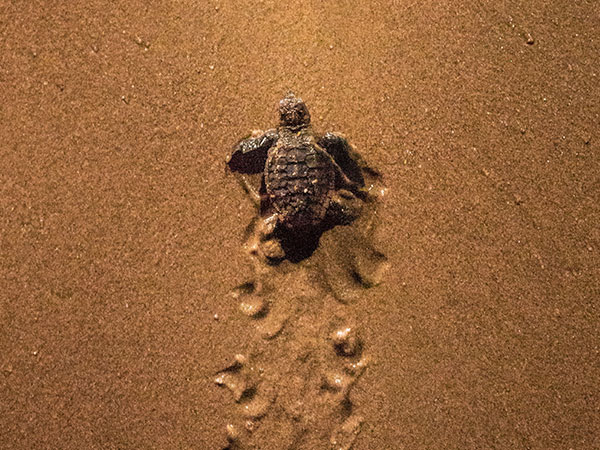
a hatching turtle scuttle towards the ocean Mon Repos Turtle Centre
Visit the Mon Repos Turtle Centre to spot these cuties. (Image: TEQ)

Need tips, more detail or itinerary ideas tailored to you? Ask AT.

AI Prompt

3. Head to the outback

Unlike along Australia’s coast, the outback maintains clear skies and abundant sunshine all through the winter months. Not to mention that the temperatures become very reasonable, with max temps falling to the low 30s. This means it’s the perfect time to explore Uluru or go hiking in the Ikara-Flinders Ranges. Head to the unique Coober Pedy, which becomes a far more bearable temperature from April to October. Or check out Queensland’s Birdsville, and the iconic Big Red sand dune marking the start of the Simpson Desert.
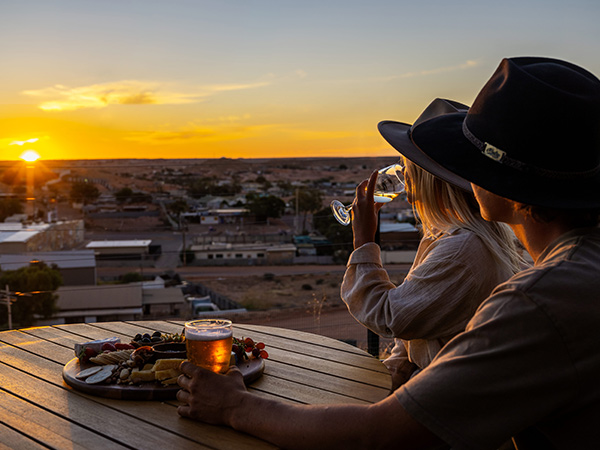
two people drinking at a pub in coober pedy during sunset
Enjoy better temperatures in Coober Pedy over winter. (Image: South Australian Tourism Commission)

4. Spot orcas in Western Australia

Head to Bremer Bay in the southwest corner of the state to see the largest congregation of orca whales in the southern hemisphere. Here, offshore canyons make for rich hunting grounds, enticing orcas from January until April. You might even catch them in something of a feeding frenzy. In general, Australia is an amazing place to find whales of many breeds, discover them all in our guide.
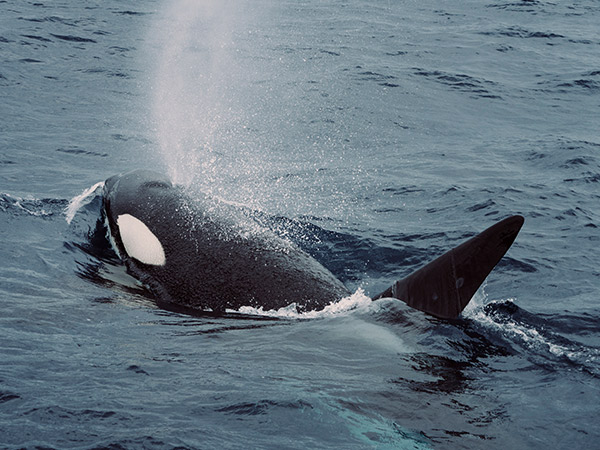
orca on Naturaliste Charters in Bremer Bay
See orcas up close in Bremer Bay. (Image: Tourism WA)

5. Thaw out in the Top End

The off-season doesn’t have to mean bracing for a chill. Chase the eternal sunshine and head up to Australia’s Top End. Darwin is a laid-back city that packs a punch when it comes to good food and epic day trips. Head to the famous Mindil Beach Sunset Market for laksa on the beach as the sun goes down, drive 1.5 hours south of Darwin to swim in Litchfield National Park’s natural water holes or even take a helicopter or 2.5-hour ferry to discover the local culture of Tiwi Islands.

Thanks to summer rains, April and May make the trails around Kakadu National Park and Kings Canyon particularly lush. Plus, most waterholes reopen about this time, after the heavy rains stop.
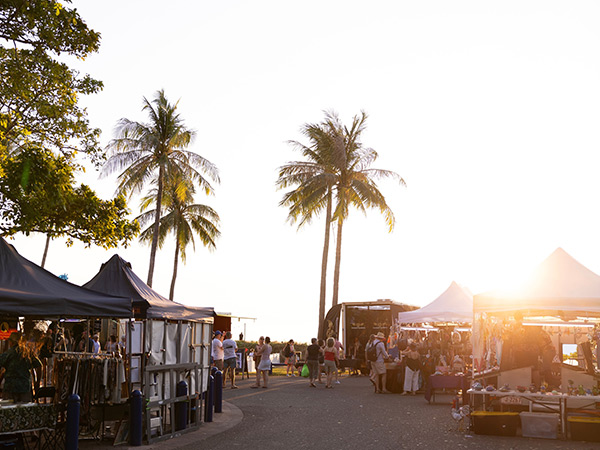
Mindil Beach Sunset Market darwin
Indulge in the famous laksa at Mindil Beach Sunset Market. (Image: Tourism NT/ Sean Scott)

Weekly travel news, experiences
insider tips, offers, and more.

6. Get cosy in Adelaide’s wine country

Wine goes with everything and every season. But there’s something particularly enjoyable about getting cosy in wine country when the air outside is crisp. The best part? Adelaide has several incredible wine regions to choose from. Pick your experiences from some of our favourites, and if you’re heading to Adelaide Hills don’t miss these drops.
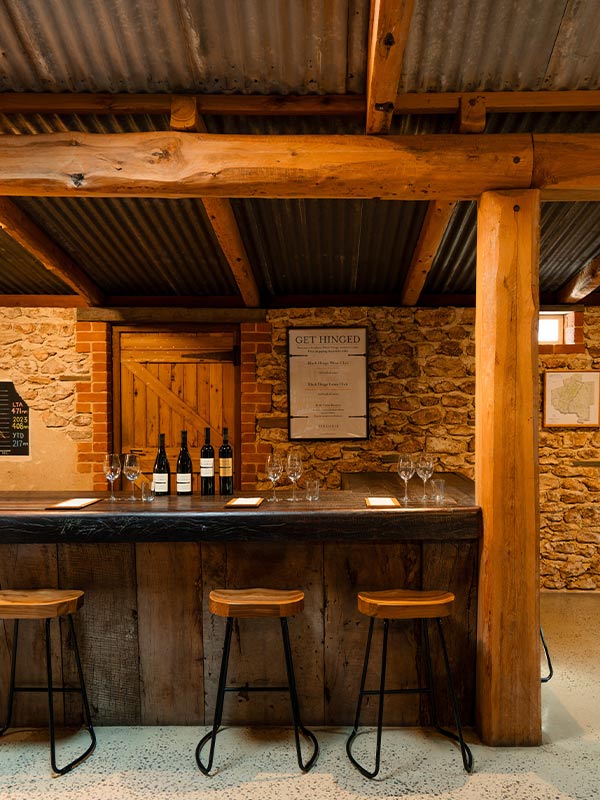
Pindarie winery Barossa south australia
Warm up with quality wine. (Image: South Australia Tourism Commission)

7. Shred New South Wales’ snowfields

Every year, NSW’s Snowy Mountains come alive with snow bunnies. Winter is anything but slow here. Starting around the June long weekend and runs until October, with peak season usually in July and August. You don’t have to love skiing, either. Warming yourself by a hotel’s fireplace and taking snow hikes are totally acceptable ways to enjoy the snow. Just read our tips before you go, even if you’re on a budget.
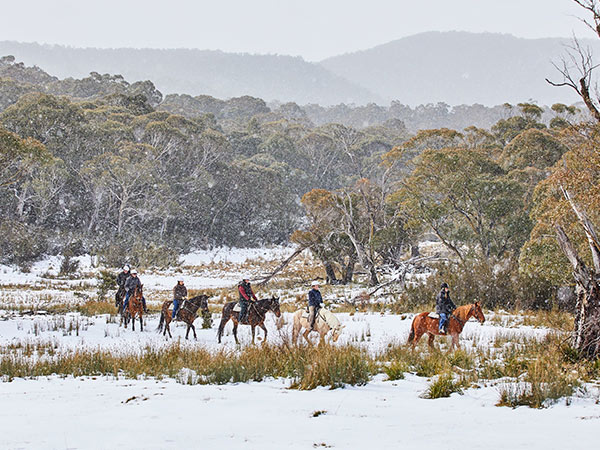
a tour group with Thredbo Valley Horse Riding in the snow
You don’t need to ski to enjoy the snow in NSW. (Image: DNSW)

Want to see more stories from Australian Traveller in your Google search results?

  1. Click here to set Australian Traveller as a preferred source.
  2. Tick the box next to "Australian Traveller". That's it.
Kassia Byrnes
Kassia Byrnes is the Native Content Editor for Australian Traveller and International Traveller. She's come a long way since writing in her diary about family trips to Grandma's. After graduating a BA of Communication from University of Technology Sydney, she has been writing about her travels (and more) professionally for over 10 years for titles like AWOL, News.com.au, Pedestrian.TV, Body + Soul and Punkee. She's addicted to travel but has a terrible sense of direction, so you can usually find her getting lost somewhere new around the world. Luckily, she loves to explore and have new adventures – whether that’s exploring the backstreets, bungee jumping off a bridge or hiking for days. You can follow her adventures on Instagram @probably_kassia.
View profile and articles
hero media

Discovering East Arnhem: Australia’s most unique and rewarding corner

    Joanne Millares Joanne Millares

    Hard to reach and harder to forget, East Arnhem offers something rare in modern travel: the chance to slow down and experience Country on its own terms.

    The sky feels bigger in East Arnhem. It stretches wide and uninterrupted above rouged earth, stringybark woodland and beaches so empty they seem to belong to another era. The coastline curves for kilometres without a footprint and the horizon runs on forever.

    For comedian Lou Wall, the scale of the place was the first thing that hit them.

    “The sheer openness,” they say. “The sky feels infinite and the land stretches out endlessly. It’s pretty breathtaking visually.”

    But the physical landscape is only part of the story. The real reward isn’t only the scenery but the shift in perspective the journey brings. Visitors stop trying to tick off the destination and a real engagement takes over.

    “It made me never want to travel again,” Wall jokes. “In that I never wanted to leave East Arnhem.”

    Getting there

    Aerial shot of East Arnhem’s coastline as cars trace the curve of the shore.
    Sail along the remote coastline on an expedition cruise.

    Reaching East Arnhem is part of the adventure. Travellers typically fly into Gove Airport near Nhulunbuy via Darwin or Cairns, or arrive by expedition cruise along the remote coastline. Others make the journey overland along rutted dirt roads that cut through East Arnhem’s small pockets of monsoon forest.

    However you arrive, there’s a distinct feeling of crossing into somewhere different. Permits are required to visit the region, reflecting the fact that this is Yolŋu land where communities and traditional owners maintain deep cultural connections to Country.

    The extra planning becomes part of the experience. By the time visitors arrive, they understand they’re entering a place not just of respect, but also patience and curiosity.

    At one with nature

    East Arnhem’s  landscapes leave a strong imprint. For Wall, one place in particular still lingers in their memory: Ngalarrkpuy, also known as Lonely Beach, near Bawaka Homeland.

    “I genuinely felt like I was living inside an Instagram filter,” they say. “One of the most stunning feats of nature I’ve ever seen. The water was so clear I swear I could see even the fish smiling.”

    Across the region, natural experiences unfold at a slower pace. Fishing, beachcombing and island hopping reveal the rhythm of the coastline. The tides shape daily life and the vastness of the landscape makes even simple moments feel downright cinematic.

    For visitors with limited time, Wall says the Bawaka Homeland experience is unmissable.

    “I just left and I’m already planning when I can get back there.”

    The sense of remoteness is part of the appeal. In a country where many beaches are crowded and well-trodden, East Arnhem’s coastline still feels wonderfully wild.

    Immersing in local culture

    A visitor spends a meaningful moment alongside Yolŋu guides, gaining insight into their deep cultural knowledge and connection to the land.
    Experience authentic moments with the locals.

    Culture is woven through every experience in East Arnhem. Visitors have the opportunity to spend time on Country with Yolŋu guides and knowledge holders who share stories and traditions that have been passed down for generations.

    For Wall, one of the most powerful moments came during a conversation with a Yolŋu elder.

    “I got to meet a traditional elder, Mayalil, in Nhulunbuy,” they say. “Listening to her talk about her home made the land feel alive in ways I couldn’t have imagined.”

    The region is also home to internationally recognised Aboriginal art centres where artists shape works deeply connected to land and family knowledge.

    Music carries the same cultural energy. East Arnhem has produced globally recognised artists such as King Stingray and Baker Boy, blending Yolŋu language, storytelling and contemporary sound.

    Wall experienced this musical spirit first-hand.

    “A jam session around the fire was it for me,” they say. “Letting the deep joy and history of their music wash over me…  and meeting a few of the King Stingray musicians was unreal.”

    These moments of human connection often become the most memorable part of a visit.

    Spotting local wildlife

    An aerial view of the beach shows tiny figures lined up across the white sand, moving as if in a rhythmic dance.
    Step into a world where nature reigns.

    The wildlife of East Arnhem adds another layer to the experience. The region is home to an extraordinary range of animals, from waterbirds and turtles to dugongs, dolphins and the formidable saltwater crocodile.

    Wall admits they didn’t actually spot a croc during their visit.

    “Devastatingly, I didn’t see one,” they laugh. “But with all the stories from the locals I definitely gained a healthy respect for caution.”

    Some of the most memorable wildlife encounters can be surprisingly small., At Banubanu Beach Retreat on Bremer Island, Wall remembers walking along the beach one morning and watching it come alive.

    “As you walk through the sand you see hundreds of crabs scurrying into their holes as you pass by,” they say. “Such a small thing, but it was completely magical.”

    Moments like this reveal the quieter rhythms of East Arnhem, where even the smallest creatures seem to play a part in the landscape.

    Visitors who make the journey soon learn the most important travel tip of all.

    “Go in open-minded with a sense of curiosity,” Wall says. “Be prepared to ditch your plans. The land and the locals will guide you on an adventure no spreadsheets could ever compete with.”

    And most importantly, they add, don’t rush.

    “The land and people deserve your time and attention. You’ll be all the better for slowing down.”

    For more information on visiting East Arnhem, head to eastarnhem.com.au.