If Australia had this, passengers could be paid for cancelled flights

hero media
Why Australia needs an aviation ombudsman.

The financial difficulties of Rex Airlines , coming so soon after the bankruptcy of Bonza , have brought into sharp focus one of the federal government’s key priorities for aviation: enhancing passenger rights.

In each case, passengers were left with tickets for flights that did not fly. In the case of Rex, tickets were honoured by rivals Virgin Australia and Qantas, possibly trying to recapture the small toehold Rex had established in the Brisbane-Sydney-Melbourne golden triangle.

The Bonza story was more complex as the fledgling airline, which collapsed in May, had sought to exploit under-serviced routes to smaller leisure-based cities including Maroochydore and Port Macquarie.

In many cases, passengers were left out-of-pocket and stranded.
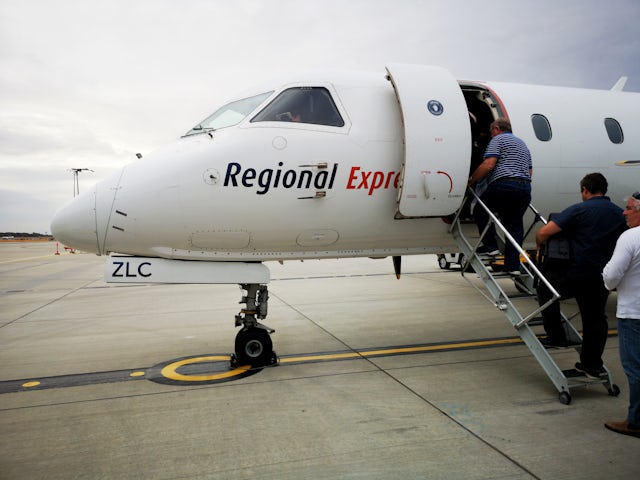
People boarding a Rex Airlines flight

Passenger rights have been brought into sharp focus after the recent financial difficulties of Rex Airlines and Bonza.

Support for an ombudsman

These failures will have emboldened the federal government’s plans to introduce stronger passenger protections and an airline ombudsman.

The release of its policy white paper is imminent. The paper covers aviation issues including competition between airports and airlines, the sector’s environmental impact and better mechanisms for consultation.

After years of opposition, Qantas and Virgin quietly fell in behind the idea in May , signalling a deal is close to being announced.

The ombudsman is designed to protect consumer rights in what is often monopolistic or quasi-monopolistic operating environments. With the exception of residents of southeast Queensland and the western suburbs of Melbourne, most Australians only have one airport from which to fly.

This, coupled with an effective airline duopoly, can lead to higher prices and poorer service for consumers, the Australian Consumer and Competition Commission (ACCC) has argued.
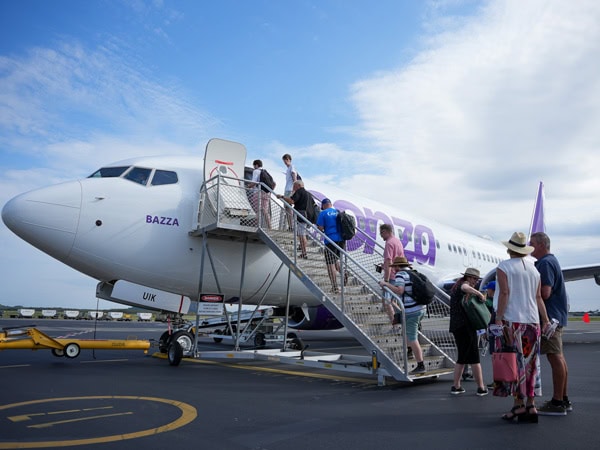
People boarding Bonza flight
Bonza suspended all flights and entered voluntary administration on 30 April.

The ACCC has been calling for better passenger rights for more than a decade. But its calls grew louder after it fined Qantas A$120 million for selling “ghost" flights in May .

Passengers did receive refunds, but the process was not easy compared to many overseas jurisdictions where compensation is automatic and based on distance travelled.

Australia is rare among developed countries for not having automatic compensation if a flight is cancelled or delayed.

The EU model

The leader in air passenger rights, as in many areas of consumer protection, is the European Union. The EU Passenger Rights regulation is 20 years old and now also applies to rail and bus passengers.

The regulation favours the passenger and awards compensation of up to €600 (almost A$1,000) for delays or cancellations . There are clauses for when a delay is unavoidable, but generally airlines have now built the scheme into their costs of doing business.

The scheme is well publicised and in 2022, about eight million passengers were eligible for refunds .

Air passenger rights in the UK continued in the EU mould after Brexit and were even strengthened.

But in a 2023 review into the UK scheme, some airlines argued “private insurance was a better option for some passengers", particularly those with disabilities.

The same reasoning led to the removal of Australia’s previous consumer protection scheme for airline passengers, the Travel Compensation Fund , which refunded customers when airlines or travel agencies went bankrupt.
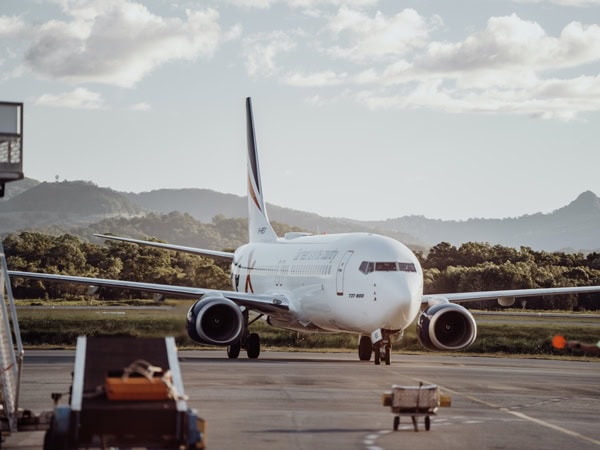
Rex flight on ground
Australia’s Travel Compensation Scheme was abolished in 2014. (Image: Josh Withers)

The scheme was ended under the Abbott government in June 2014, with travellers told instead to take out their own travel insurance.

Labor is expected to reintroduce an element of corporate responsibility for airline delays, not least since Brazil, Canada and Türkiye have also followed the EU’s lead.

Brazil’s scheme is particularly generous, with up to R7,500 (A$1,950) available to passengers who have to pay for last minute accommodation if their flight is cancelled.

Lawmakers there countered claims by airlines that low cost airline passengers could stay in cheaper hotels, by applying the compensation uniformly, regardless of travel class.

Air passenger rights can be a vote winner, too. Before he withdrew his bid for reelection, US President Joe Biden trumpeted the automatic airline compensation scheme the US Department for Transportation will bring in this year.

Until now, airline compensation was mandated by the states without coordinated processes meaning some airlines used vouchers, some credits and a few cash to compensate customers.

Despite this, about US$3 billion (A$4.6 billion) in refunds have been issued to US passengers since 2020, including more than US$600 million to Southwest Airlines passengers alone.

This was due to a serious scheduling crisis which forced the low-cost carrier to cancel almost 60% of its flights in the 2022 summer.

By contrast, in Australia, air passengers have only had basic protections under consumer rights law since deregulation in 2002.

There is no guarantee of a seat or even flight the consumer purchased. This has led consumer advocates including Choice to support calls for an airline ombudsman and automatic delay and cancellation compensation.The Conversation

Rex flight in air
Australia offers weak consumer protection in a market with little competition. (Image: David Syphers)

Justin Wastnage , Adjunct Industry Fellow, Griffith Institute for Tourism, Griffith University .

This article is republished from The Conversation under a Creative Commons license. Read the original article .
Justin Wastnage
Justin Wastnage is the principal at aviation and tourism policy consultancy Message Shapers. In this position he has led research projects into cruise ship access options for Sydney Harbour, air transport access to New Caledonia and work around privatisation of council-owned airports in New South Wales.
View profile and articles
hero media

The best new accommodation along the Great Ocean Road

    Louis Costello Louis Costello
    A new wave of retreats, hotels, glamping sites and more is encouraging visitors to savour their time spent along the Great Ocean Road.

    Long holding a place as one of Australia’s most rewarding drives, cliffs, curves and shifting coastal light continue to draw travellers to Victoria’s coastline year after year. What has evolved more quietly is the range of new accommodation along the Great Ocean Road to add new dimensions to the drive.

    Rather than competing for attention, these stays are shaped by their settings. They sit beside rivers, among vines, on the edge of lakes and close to town centres where local life unfolds at an unhurried pace. Together, they point to a way of travelling the Great Ocean Road that values time spent in place, as much as distance covered.

    1. The Monty, Anglesea

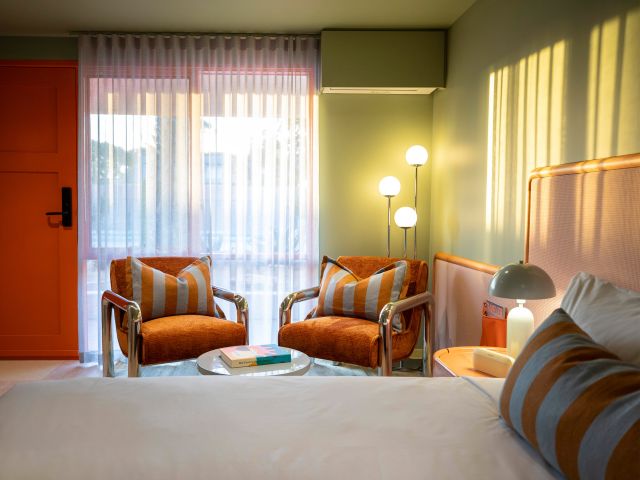
    inside a classic room at The Monty Anglesea Great Ocean Road
    Settle into The Monty’s unique style.

    Anglesea has always appealed to travellers drawn to a quieter stretch of coast, where surf culture, bushland and river scenery blend into one. The Monty complements that character with a recent rebrand and refresh with traditional beach road trip nostalgia in mind. Mid-century retro decor means rooms are contemporary and funky, without being over-styled.

    A highlight of the stay is Nina Cantina, the on-site Mexican restaurant overlooking the Anglesea River. Opening in 2026, it will undoubtedly become a popular gathering point, bringing together locals, day trippers and overnight guests. Watch the river flow while tucking into plates of tacos, before enjoying a digestion swim in The Monty’s pool.

    Mornings in Anglesea often begin quietly. Kangaroos are a familiar sight on the nearby golf course, and walking tracks wind through heathland that reflects the natural landscape of the Surf Coast. From here, the road south feels like a continuation rather than a departure, easing travellers into the next stretch of the journey.

    2. Basalt Retreats, Port Fairy

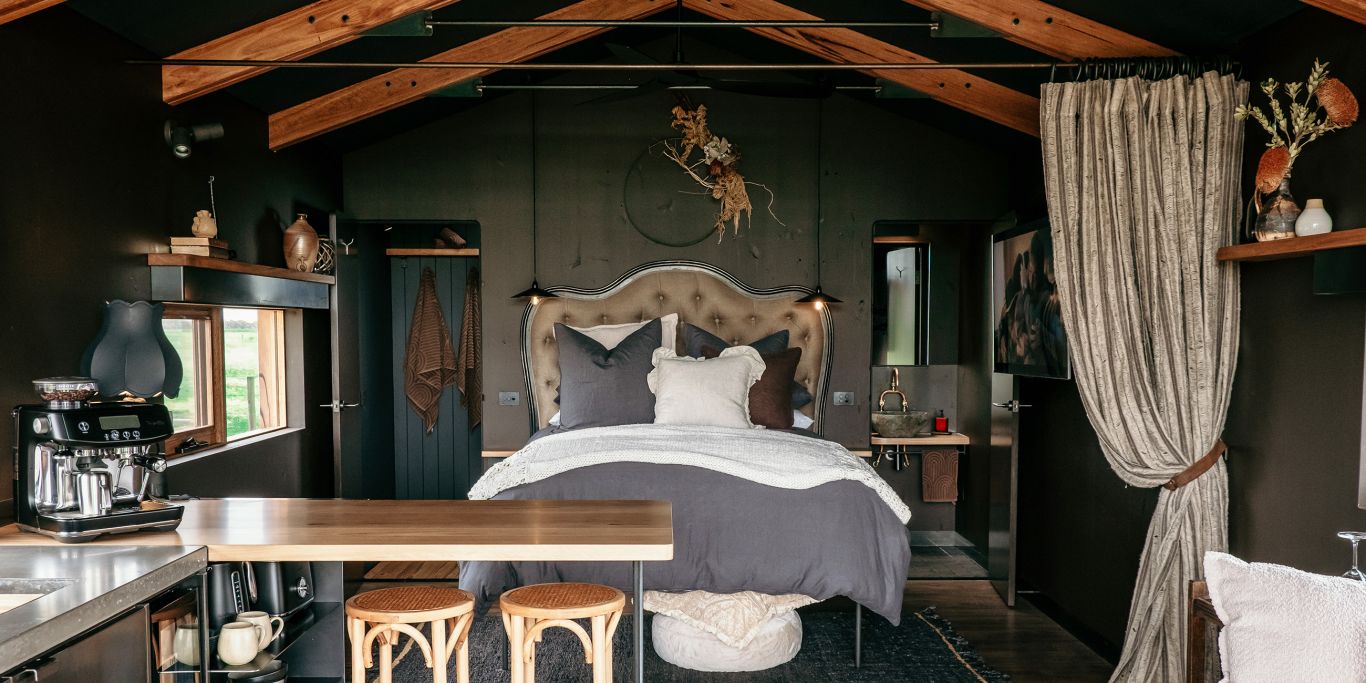
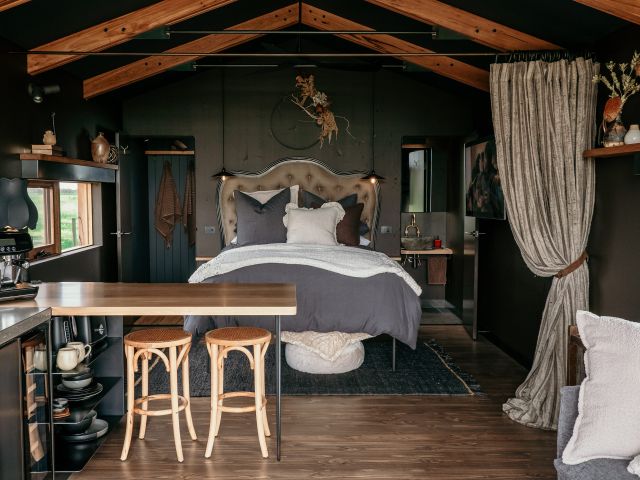
    Basalt Retreat Private Villa interior
    Discover this new adults-only retreat.

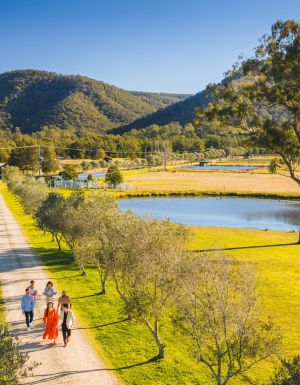
    Near Port Fairy, Basalt Retreats is an adults-only delight set among a 24-year-old vineyard at Basalt Wines . The accommodation is a mixture of luxury and linens (and ultra comfy beds), allowing the long stretches of grapes to take centre stage. As the sun sets, Basalt Retreats settles into stillness. With minimal light pollution, the night sky becomes part of the experience, and star-searchers will delight in the uninterrupted views of our vast universe.

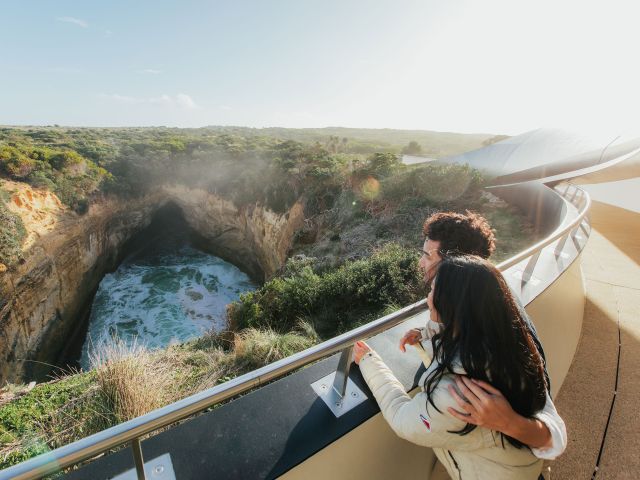
    Poombeeyt Koontapool lookout
    See Poombeeyt Koontapool from the lookout.

    Staying along the Great Ocean Road western region gives you en route access to coastal landmarks. A visit to Poombeeyt Koontapool at Loch Ard Gorge is a must for those fascinated by natural blowholes, with enough walking trails to tucker out the most seasoned hiker.

    The Poorpa Yanyeen Meereeng Trail between Timboon and Port Campbell reveals how wetlands, farmland and coastline connect across the region, best appreciated on foot or by bike.

    3. Lake Colac Holiday Park, Colac

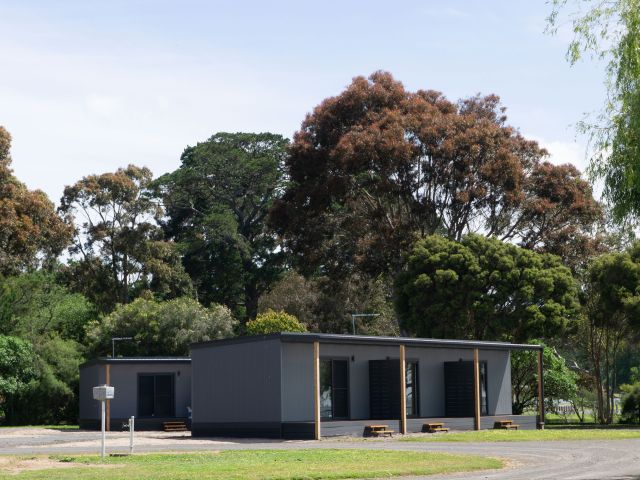
    cabin at Lake Colac Holiday Park
    Book into a cabin at Lake Colac Holiday Park.

    Lake Colac Holiday Park introduces new cabin accommodation set along the edge of a broad volcanic lake. The cabins are modern and light-filled, designed to make the most of the water views and open skies.

    Lake Colac plays an important role in local life, hosting community events and everyday rituals alike. Staying here offers insight into the agricultural heart of the Great Ocean Road region, where the pace is shaped by seasons rather than sightseeing schedules.

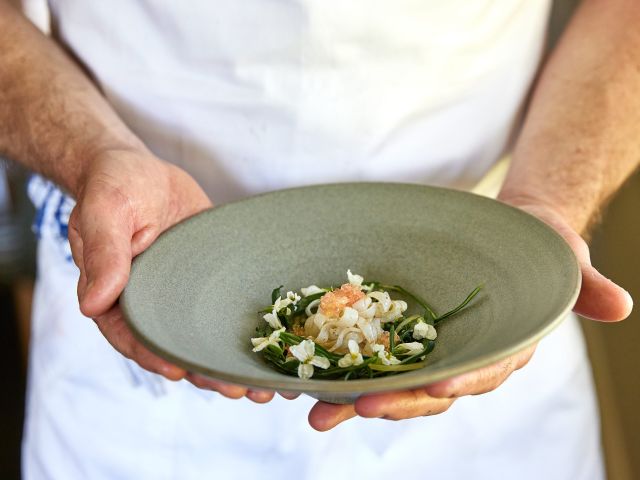
    Brae Restaurant great ocean road victoria
    Have a delicious lunch, then join a farm tour at Brae Restaurant. (Image: Visit Vic)

    Colac’s central location places visitors within reach of standout regional experiences. Otways Distillery’s Birregurra cellar door reflects the surrounding forest in its approach to spirits. While Brae Restaurant’s guided farm and kitchen garden tours offer a closer look at the land that underpins its acclaimed dining. Together, they highlight the strong connection between produce, place and people.

    4. Glamping tents, Apollo Bay Recreation Reserve

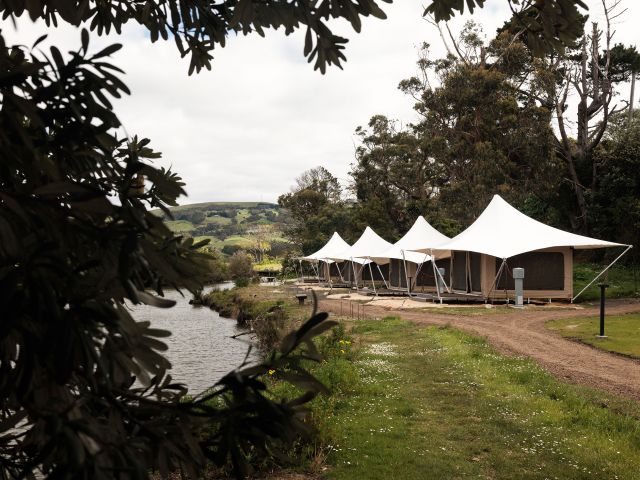
    Apollo Bay Recreation Reserve Glamping
    Take a breather in Apollo Bay with brand new glamping tents.

    Back on the coast, Apollo Bay has always been known to be a natural place to take a breather, sitting roughly at the Great Ocean Road’s midway point. The brand-spanking new glamping tents at the Apollo Bay Recreation Reserve offer comfortable accommodation that remains closely connected to the outdoors. With ensuite bathrooms and thoughtfully designed interiors, the cabin-tent hybrids offer enough privacy and luxuries to make the trip feel more luxurious than your standard camping affair.

    Set near the river and within walking distance of the town centre, the location allows guests to move easily between beach walks, forest drives and relaxed meals.

    A session at The Corner Sauna fits naturally into a stay here. The wood-fired sauna has become part of Apollo Bay’s way of life, offering warmth and restoration after time spent in the elements (also known as a frolic at the beach).

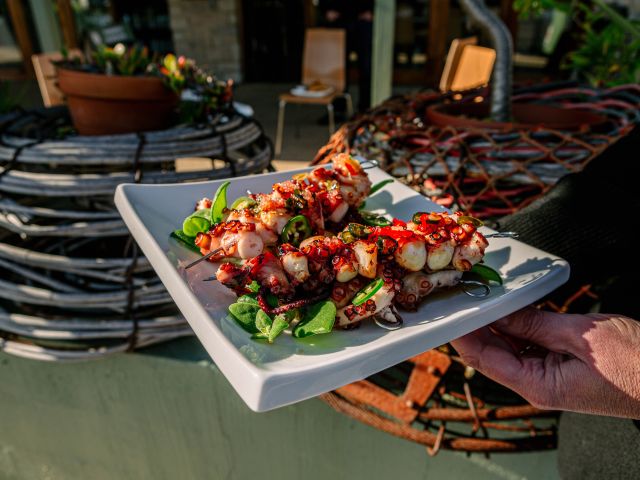
    Apollo Bay Fishermens Co-op
    Enjoy fresh seafood at Apollo Bay Fishermen’s Co-op.

    Apollo Bay has enough to entertain and dazzle travellers more than your average town. Graze on fresh seafood at local cafes – like Graze or Apollo Bay Fishermen’s Co-op  before venturing to nearby waterfalls. Spend hours kayaking among real-life seals, try your hand at surf lessons taught by understanding and patient guides, or simply spend your days reading a book while the surf crashes in front of you.

    Together, these new accommodation openings highlight the Great Ocean Road’s continued evolution. With more places that invite travellers to slow down and stay a little longer, the journey becomes less about rushing between landmarks and more about engaging with the unique towns along the way.

    Start planning your next trip along the Great Ocean Road at visitgreatoceanroad.org.au .