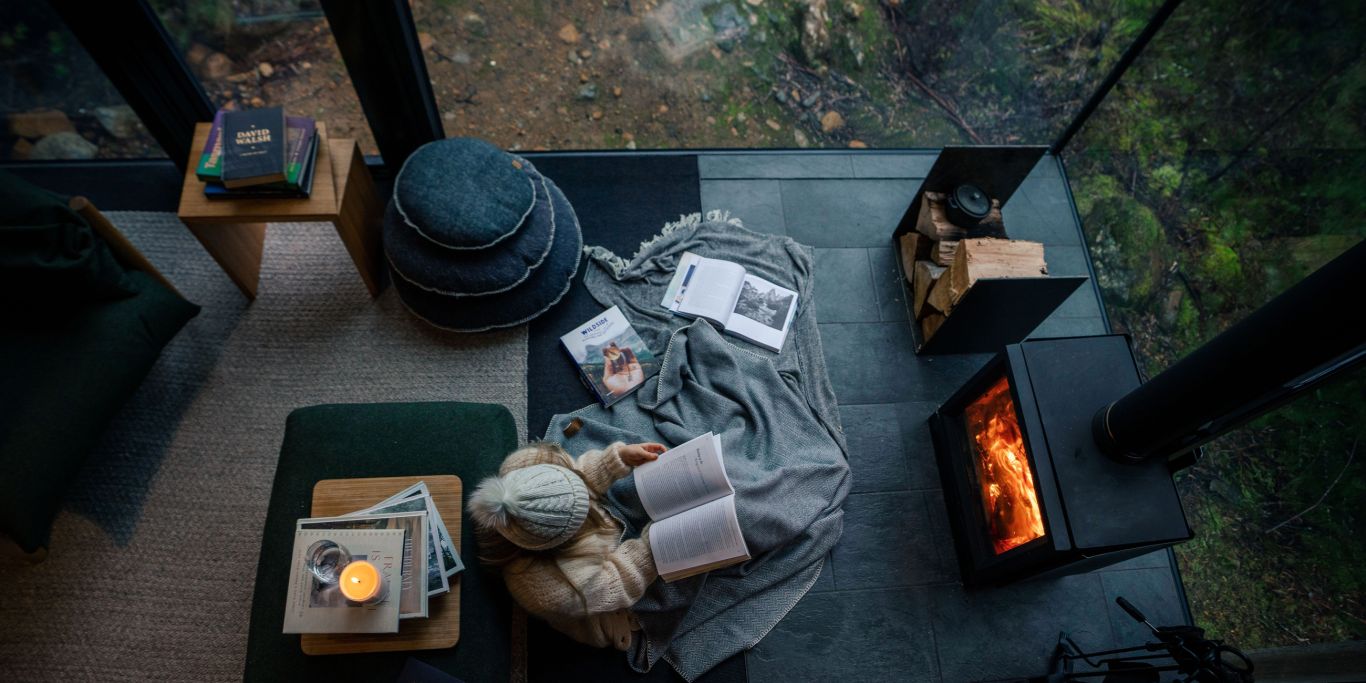
hero media

Forget vitamin D, psychotherapists say rainy holidays are better for your brain

Credit: Emilie Ristevski

What if rain was the secret to a better holiday?

For many Aussies, the ultimate holiday has always been synonymous with sun, sea and sand. It may come as a surprise then that psychotherapists are now saying the opposite could be true.

Recent research shows that slow rainy escapes may not only be more restorative, but better for your brain. So if storm clouds roll in on your next getaway, you might just find they’re doing you a favour.

The science behind a rainy retreat

Ever checked the weather app ahead of a holiday and felt a wave of disappointment at the sight of rain? We’ve all been there. But new research by Tiny Away suggests grey skies may have an unexpected upside, as global interest in ‘fake camping’ shows a whopping 414 per cent increase over the past year.

Girl enjoying a coffee in bed on a rainy day
New research shows rainy days are good for our brain. (Credit: Unsplash/Amin Hasani)

The term ‘fake camping’ is relatively new, describing a growing preference for off-grid stays immersed in nature that come with the mod-cons of home. People are craving the slow pace and simplicity that camping offers, but without having to sacrifice the creature comforts that help us relax.

“We’re seeing more guests choose cabins not because they want to camp, but because they’re looking for somewhere to properly switch off," says Jeff Yeo, co-founder of Tiny Away.

“People still want nature, fresh air and slower mornings, but increasingly they’re seeking comfort alongside those experiences. It’s less about adventure, and more about finding space to rest."
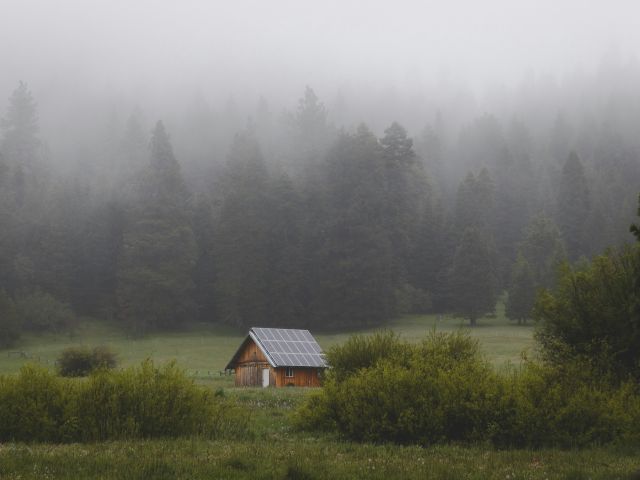
Small cabin in a misty forest
Travellers are increasingly seeking slow stays immersed in nature. (Credit: Unsplash/Alex Bierwagen)

So, what does the weather have to do with it? Well, anyone who’s organised a summer holiday will understand. While a week chasing the sun is often seen as the gold standard for relaxation, it can actually induce the opposite.

Big crowds, packed itineraries, constant noise and unrelenting heat can be overstimulating, and leave travellers feeling more drained than refreshed. Rain not only removes that pressure, but gives us permission to do less: to rest, read, nap or simply just sit still without guilt.

“Modern life keeps our nervous systems switched on almost constantly, and what people are really drawn to – cabins, rain and quiet – is the opportunity to recover from cognitive overload," says Jeremy Neumann, psychotherapist and clinical director at Humans Being Counselling.
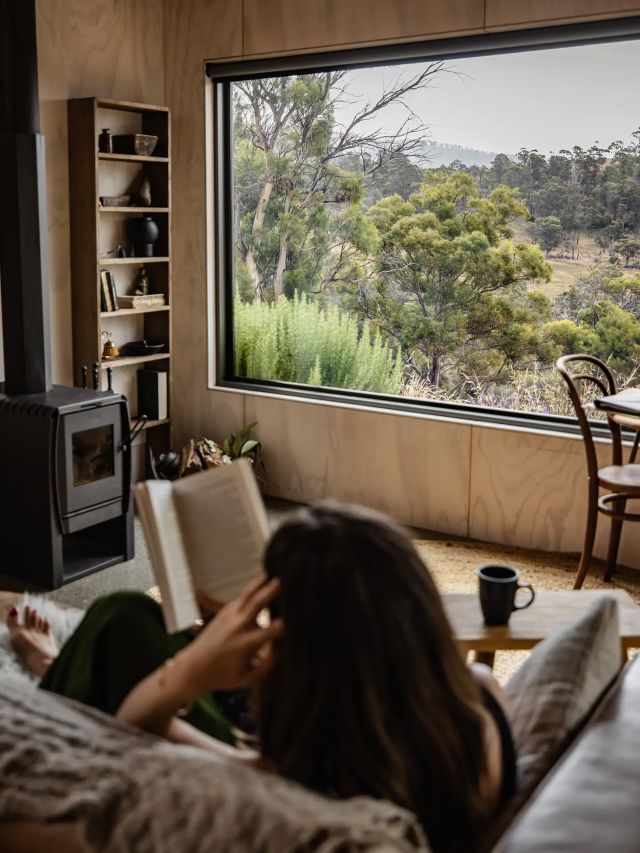
Tiny George, Tasmania
Off-grid stays like Tiny George in Tasmania encourage rest.

“Physiologically, the nervous system can shift towards greater parasympathetic activity in these lower-stimulation environments. That supports slow breathing, lower muscle tension and improved recovery… offering deeper psychological restoration."

Not only does rain encourage us to slow down, it also helps our brain rest and recover. Rain, birdsong and cosy cabin ambience have become some of the internet’s biggest comfort categories, with soundscape videos attracting millions of views online.
Rainy views from a cosy cabin
Winter is the perfect opportunity to book a rainy retreat in Australia. (Credit: Unsplash/Pilar Rubio)

According to the World Health Organization, nearly 25 per cent of the population suffers from disturbed sleep due to environmental noise. However, clinical research conducted in 2023 found people who fell asleep to rain sounds reported a 73 per cent improvement in sleep-onset time compared to silence.

“Unlike phone notifications or traffic, rainfall and birdsong gently hold our attention without demanding it," says Neumann. “That’s what’s known in psychology as soft fascination, and it allows the brain’s directed attention systems to actually recover."

Need tips, more detail or itinerary ideas tailored to you? Ask AT.

AI Prompt

Cosy stays made for rainy days

As Australia settles into the depths of winter, there’s no better time to book a rainy retreat. But don’t let the options overwhelm you. We’ve rounded up some of the country’s cosiest stays, so all you have to do is rock up, pop the kettle on, and let the weather do the rest.

Mill Cabin, NSW
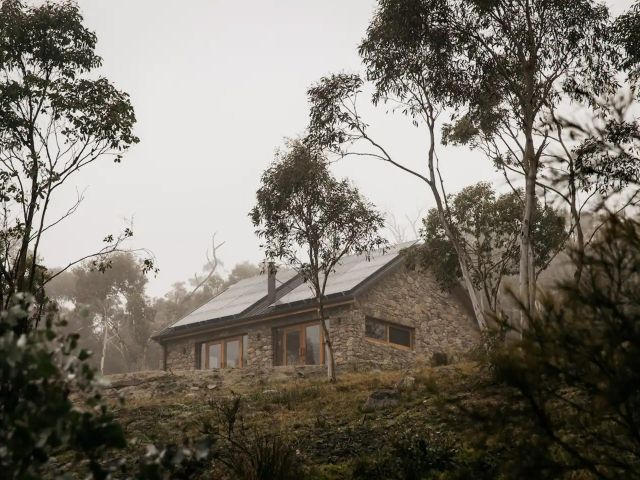
Mill Cabin in NSW
Rain only adds to the moody atmosphere at Mill Cabin.

Built from hand-selected granite and Australian hardwood, Mill Cabin in Jindabyne is a masterclass in slow living. This peaceful retreat blends seamlessly into the surrounding Snowy Mountains, where sweeping vistas, warm blankets and a steaming cup of tea are all you need for a rainy day inside.

Wattle Bank Farm, Vic
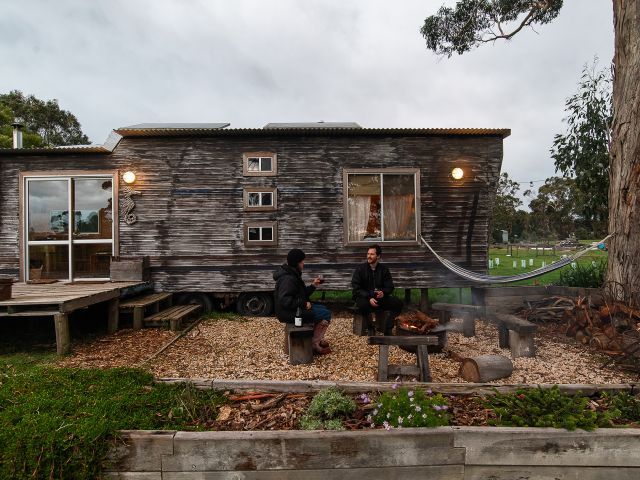
Wattle Bank Farm in Vic
Stay on a working farm in the rolling hills of South Gippsland.

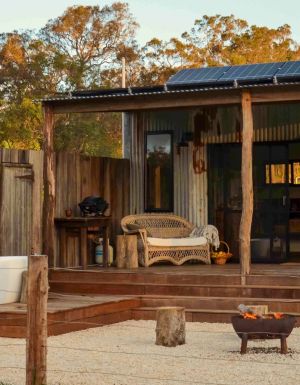
Slow living comes naturally at Wattle Bank Farm, a beautiful off-grid cabin in South Gippsland. Spend rainy afternoons beside the fireplace with a good book, snacking on fresh produce from the garden and watching life on the working farm unfold from the warmth of your cabin.

Tiny George, Tas
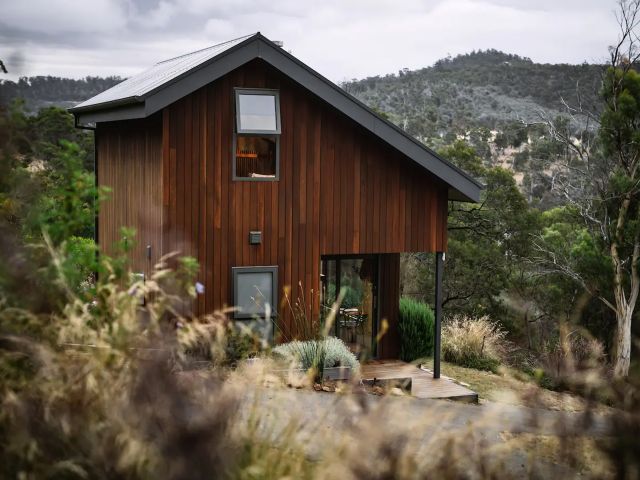
Tiny George in Tasmania
The Coal River Valley provides the perfect backdrop at Tiny George.

You’ll find Tiny George hidden deep within Tasmania’s picturesque Coal River Valley. Warm timber tones create a cosy space, while expansive windows frame the surrounding landscape. On your way there, pop into the nearby Book Cellar, one of the country’s cutest bookshops, for the perfect storm-watching companion.

Barrel View Cabin, Qld
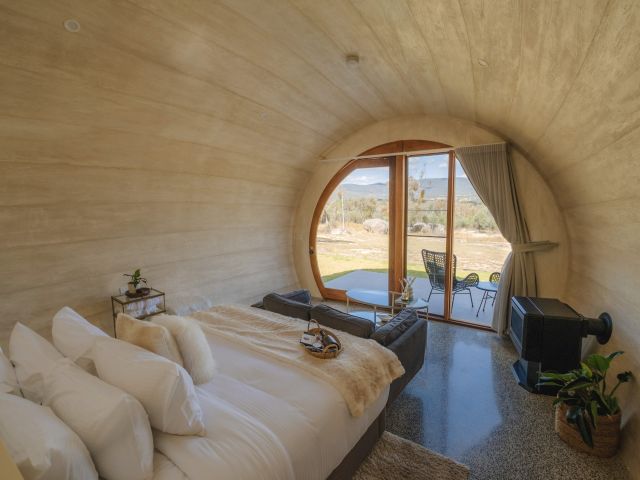
Barrel View Luxury Cabins in Queensland
Barrel View Cabins pair local wine with vineyard views. (Credit: Reuben Nutt)

Perched high above Queensland’s Granite Belt, Barrel View is one of Australia’s most unique stays. The architecturally designed wine barrel cabins pair vineyard views with little luxuries like soft linens, fluffy pillows and plush robes. Pour a glass of local wine, curl up and admire rain clouds as they roll across the valley.

Weekly travel news, experiences
insider tips, offers, and more.

CABN Kuitpo Forest, SA
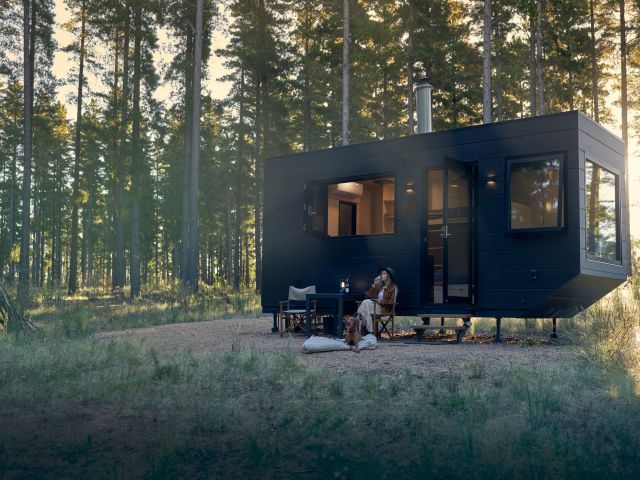
CABN Kuitpo Forest, SA
Settle in among the pines at CABN Kuitpo Forest. (Credit: Safari Global)

Towering pine trees set the scene at CABN Kuitpo Forest in the Adelaide Hills, where off-grid cabins invite you to embrace the art of doing less. Watch the rain filter through the forest canopy from your window, then curl up beside the indoor fireplace as the sounds of the bush replace the noise of everyday life.

Little Black Cabin, NSW
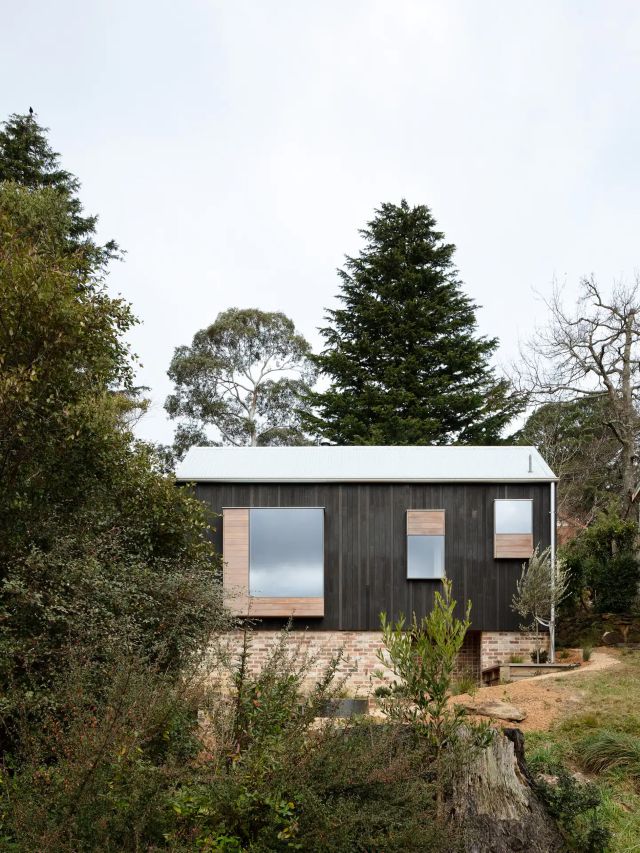
Little Black Cabin in Blackheath NSW
Enjoy misty mornings in the quiet Blue Mountains town of Blackheath.

Rainy mornings feel right at home at Little Black Cabin in Blackheath. Here, it’s all about getting cosy beside the crackling potbelly fire or sinking into a window seat overlooking the escarpment, then letting the Blue Mountains do what it does best come winter: disappear beneath a blanket of mist.

Kookaburra Retreat, Vic
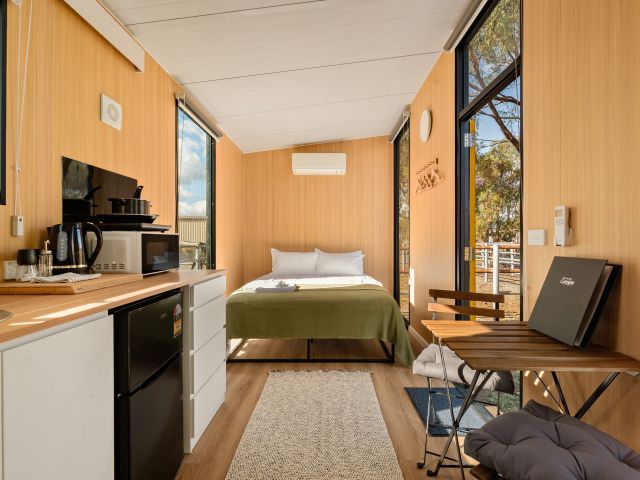
Kookaburra Retreat in Victoria
Escape to Kookaburra Retreat in regional Victoria.

Framed by gum trees, rolling paddocks and wide-open skies, Kookaburra Retreat sits on the outskirts of Arcadia in country Victoria. The property’s rural surrounds act as a soundboard for nature, from birdsong with your morning coffee to rain on the roof as you fall asleep.

Pumphouse Point, Tas
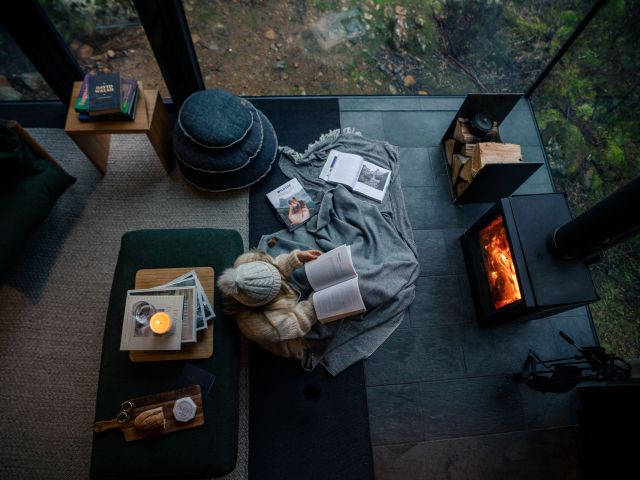
Pumphouse Point in Tasmania
Cosy up by the fire with a good book at Pumphouse Point. (Credit: Emilie Ristevski)

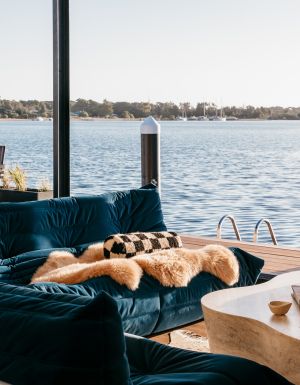
Rain-soaked days and stormy nights are all part of the charm at Pumphouse Point. Set on the edge of Australia’s deepest lake, the adults-only retreat is centred around roaring fireplaces, outdoor bathtubs, local Tasmanian produce and untamed wilderness views that are even more dramatic beneath a gloomy sky.

Want to see more stories from Australian Traveller in your Google search results?

  1. Click here to set Australian Traveller as a preferred source.
  2. Tick the box next to "Australian Traveller". That's it.
Taylah Darnell
Taylah Darnell is Australian Traveller's Writer & Producer. She has been passionate about writing since she learnt to read, spending many hours either lost in the pages of books or attempting to write her own. This life-long love of words inspired her to study a Bachelor of Communication majoring in Creative Writing at the University of Technology Sydney, where she completed two editorial internships. She began her full-time career in publishing at Ocean Media before scoring her dream job with Australian Traveller. Now as Writer & Producer, Taylah passionately works across both digital platforms and print titles. When she's not wielding a red pen over magazine proofs, you can find Taylah among the aisles of a second-hand bookshop, following a good nature trail or cheering on her EPL team at 3am. While she's keen to check out places like Scotland and North America, her favourite place to explore will always be her homeland.
View profile and articles

From coast to bush: these are Gippsland’s best hikes

    Michael Turtle Michael Turtle

    Video credit: Tourism Australia

    From coast to mountains, hiking in Gippsland offers a stunning array of landscapes, with trails that take you deep into the region’s heritage.

    I step out onto the sand and it cries out underfoot. Kweek! I take another step and there’s another little yelp. Screet! Picking up the pace, the sounds follow me like my shadow, all the way down to the water. It’s obvious how this spot got its name – Squeaky Beach – from the rounded grains of quartz that make the distinctive sounds under pressure.

    For many, Wilsons Promontory National Park is the gateway to Gippsland, and the best way to explore it is by walking its network of hiking trails, from coastal gems such as Squeaky Beach through to the bushland, among the wildlife. But it’s still just a taste of what you’ll find on foot in the region.

    Venture a bit further into Gippsland and you’ll discover the lakes, the rainforest, and the alpine peaks, each changing with the season and offering summer strolls or winter walks. Just like that squeaky sand, each step along these trails has something to tell you: perhaps a story about an ancient spirit or a pioneering search for fortune.

    The best coastal hikes in Gippsland

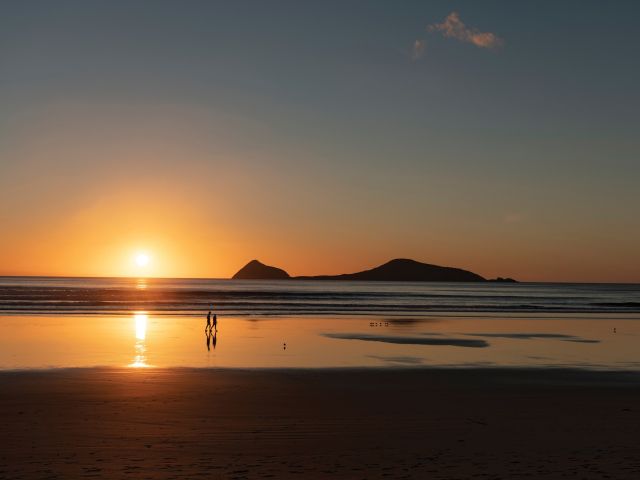
    sunset at Wilsons Promontory National Park
    Wilsons Promontory National Park is a sprawling wilderness with many coastal bushland trails. (Image: Mark Watson)

    Wilsons Promontory National Park (or ‘The Prom’, as you’ll end up calling it) is an easy three-hour drive from Melbourne, but you might ditch the car when you arrive, with much of the park’s 50,000 hectares accessible only by foot. From the inky water of Tidal River (dyed dark purple by abundant tea trees), I like the easy walks along the coast, among lichen-laden granite boulders, to golden beaches and bays.

    a couple on Mount Oberon
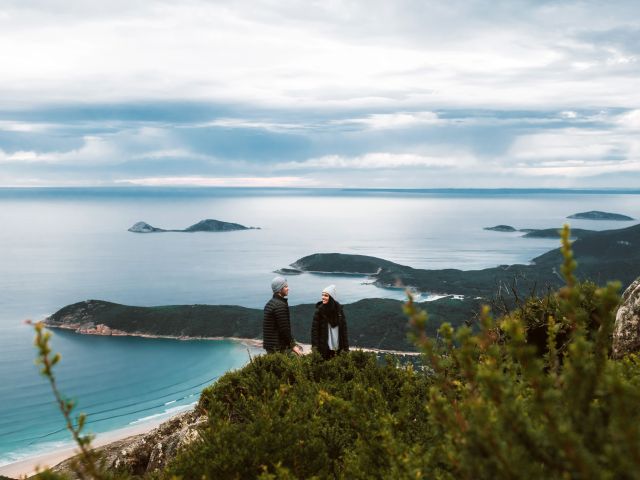
    Panoramic views from the summit of Mount Oberon. (Image: Everyday Nicky)

    The trail to the panoramic views at the summit of Mount Oberon is a bit harder, up steep timber and granite steps, but it’s a popular 6.8-kilometre return. The more remote hikes are found through the open banksia and stringybark woodland of the park’s north, or along the multi-day Southern Circuit, which ranges from about 35 to 52 kilometres, with sunrises and sunsets, kangaroos and cockatoos, and maybe even whales.

    a golden sand beach at Wilsons Promontory National Park
    Walk ‘The Prom’s’ golden sand beaches. (Image: Tourism Australia/Time Out Australia)

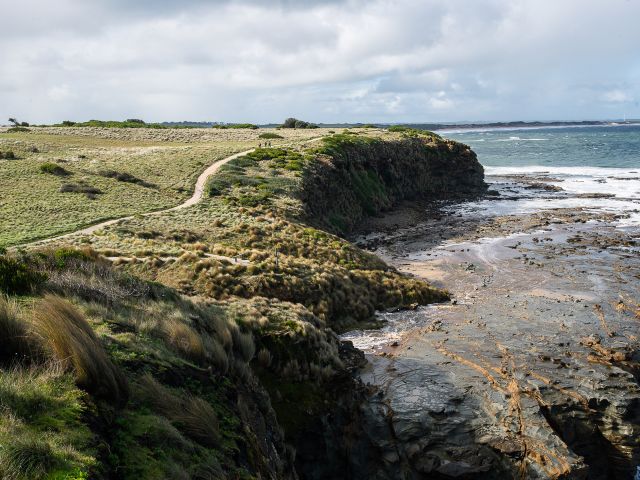
    You might also see whales on the George Bass Coastal Walk, even closer to Melbourne on the western edge of Gippsland. This dramatic seven-kilometre trail along the clifftops takes in sweeping views of the wild ocean, occasionally dipping down from grassy green hills to coastal gullies and a secluded beach. It also now links into the Bass Coast Rail Trail for an extra 14 kilometres.

    the George Bass Coastal Walk
    George Bass Coastal Walk trails for seven kilometres along clifftops. (Image: Visit Victoria/Time Out Australia)

    Over at the eastern edge of Gippsland, in Croajingolong National Park, you can wander along the lakeshores beneath koalas and around goannas (I keep my distance since one chased me here!). For those who are even more adventurous, the park is also the starting point for the 100-kilometre Wilderness Coast Walk, usually done over seven days.

    the Croajingolong National Park, Gippsland
    Wander along the lakeshores in Croajingolong National Park. (Image: Tourism Australia)

    The best bush hikes in Gippsland

    the Baw Baw National Park
    The alpine heath of Baw Baw National Park. (Image: Everyday Nicky)

    Deep in the Long Tunnel Extended Gold Mine at Walhalla, mining guide Richard tells me how this small town in the mountains east of Melbourne boomed when prospectors found gold here in 1862. These days, you’ll find most of the town’s treasure – its heritage – above ground, with the Walhalla Tramline Walk a wonderful way to explore it.

    Just seven kilometres long, the walk takes you through decades of Gold Rush history, following the original rail trail from lush bushland to the mining sites, and through the charming village of just 20 residents with its wooden cottages and old shopfronts adorned with turn-of-the-century advertising posters. Blazing a trail where trailblazers once opened up the region, this is also the starting point for the 650-kilometre Australian Alps Walking Track.

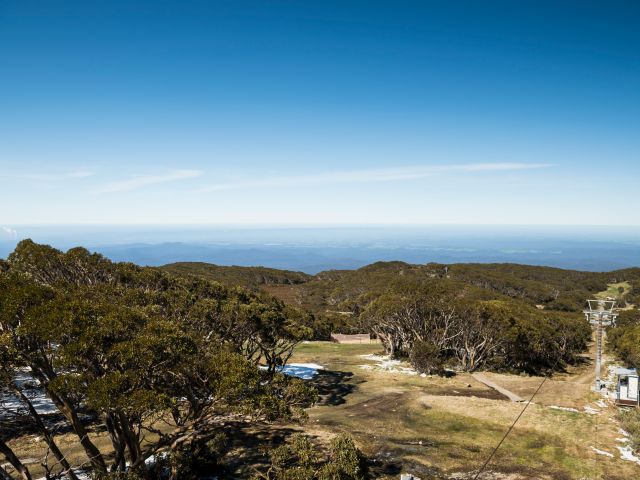
    Nearby, Baw Baw National Park has walks through gnarled snow gums and alpine heaths that show off the colourful wildflowers in summer and the pristine carpet of white in winter. Several trails are perfect for snowshoes, including a 45-minute route from St Gwinear up to vast views across the Latrobe Valley.

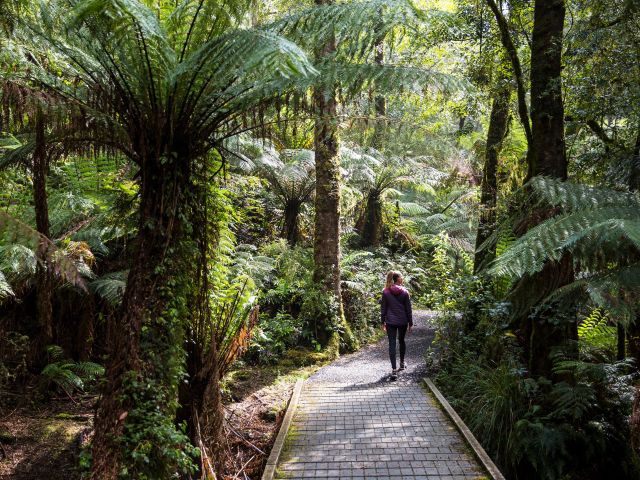
    Further up into the mountains, the Toorongo and Amphitheatre Falls Loop Walk is an easy 2.2-kilometre path that serenades you with the sound of flowing water as you pass mossy rocks and tree ferns en route to two sets of waterfalls cascading over boulders in the remote wilderness.

    The best cultural hikes in Gippsland

    the Mitchell River National Park, Gippsland
    Hike the Mitchell River National Park. (Image: Parks Victoria/Grace Lewis)

    Across a pool in a natural sandstone amphitheatre, deep within a cave behind a waterfall, it’s said the Nargun has its lair. A fierce creature, half human and half stone, that abducts children and can’t be harmed by boomerangs or spears, the story of the Nargun has been told around the campfires of the local Gunaikurnai people for generations.

    As a culturally significant place for women, hikers are asked not to go into the Den of Nargun, but a 3.4-kilometre loop walk leads you through a rainforest gully to the entrance where you can feel the powerful atmosphere here in Mitchell River National Park, along Victoria’s largest remaining wild and free-flowing waterway.

    the bee-eaters at Mitchell River National Park
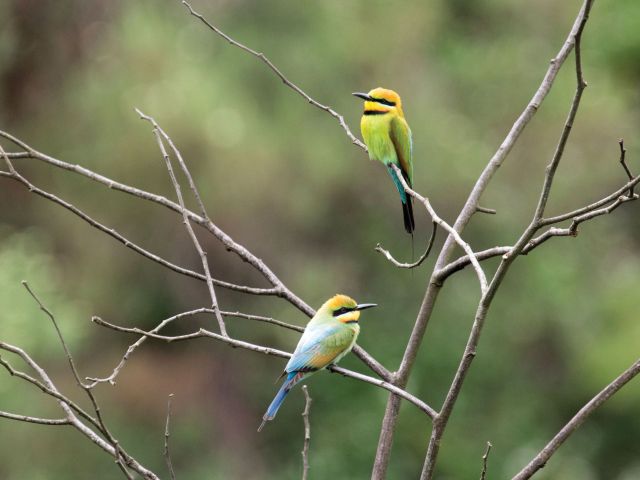
    Bee-eaters at Mitchell River National Park. (Image: Parks Victoria/Grace Lewis)

    The Den of Nargun is part of the Bataluk Cultural Trail, a series of important traditional Gunaikurnai sites through central Gippsland. Another location is Victoria’s largest cave system, Buchan Caves Reserve, with trails to important archaeological sites of human artefacts up to 18,000 years old. The FJ Wilson Interpreted Walk includes the naturally sculpted white limestone steps of the 400-metre-long Federal Cave, while the Granite Pools Walk goes among tall timber and moss-covered gullies.

    the ancient rainforest of Tarra-Bulga National Park
    The ancient rainforest of Tarra-Bulga National Park. (Image: Josie Withers)

    Also important to the Gunaikurnai people is Tarra-Bulga National Park, known for its ancient myrtle beeches and enormous mountain ash trees. Just 40 minutes return, the Tarra Valley Rainforest Walk offers a taste of this verdant landscape, while the Grand Strzelecki Track takes you deep into the lost world of forest giants on an epic 100-kilometre trail rich with tradition.

    A traveller’s checklist

    Staying there

    the WildernessRetreats in The Prom
    Wilderness Retreats in The Prom. (Image: Christian Pearson)

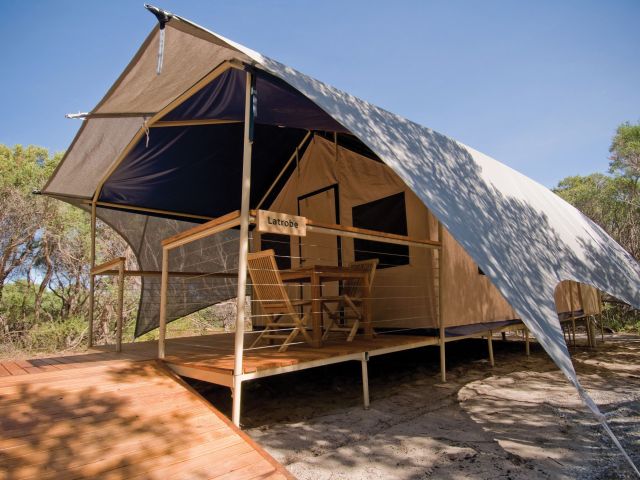
    Wilderness Retreats in Wilsons Promontory offers glamping-style tents with luxurious queen beds. Star Hotel is a reconstruction of a Gold Rush-era hotel from 1863 in the heart of heritage Walhalla. Caves House is a historic three-bedroom house with views over the Buchan River.

    Eating there

    the Carrajung Estate, Gippsland
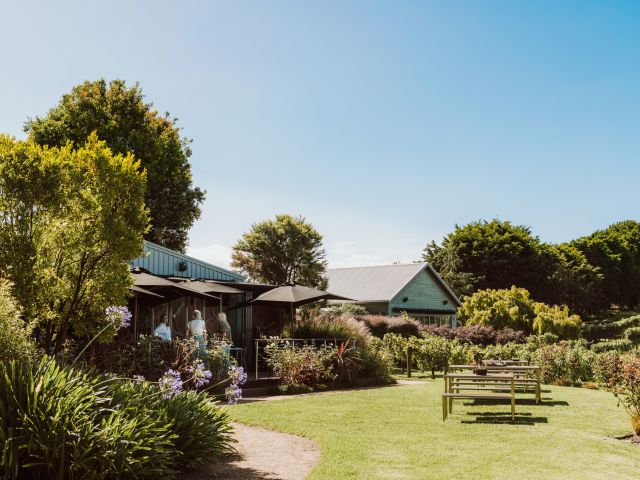
    Enjoy a post-hike lunch at Carrajung Estate. (Image: Everyday Nicky)

    Kilcunda General Store serves great coffee and meals of local produce at the George Bass Coastal Walk. Alpine Trout Farm is located near Toorongo Falls in Noojee. Fish for your own lunch and barbecue it with the provided cookware.

    Carrajung Estate is a short drive from Tarra-Bulga National Park. The winery’s restaurant offers a seasonal menu of regional ingredients and you can stay at The Lodge.

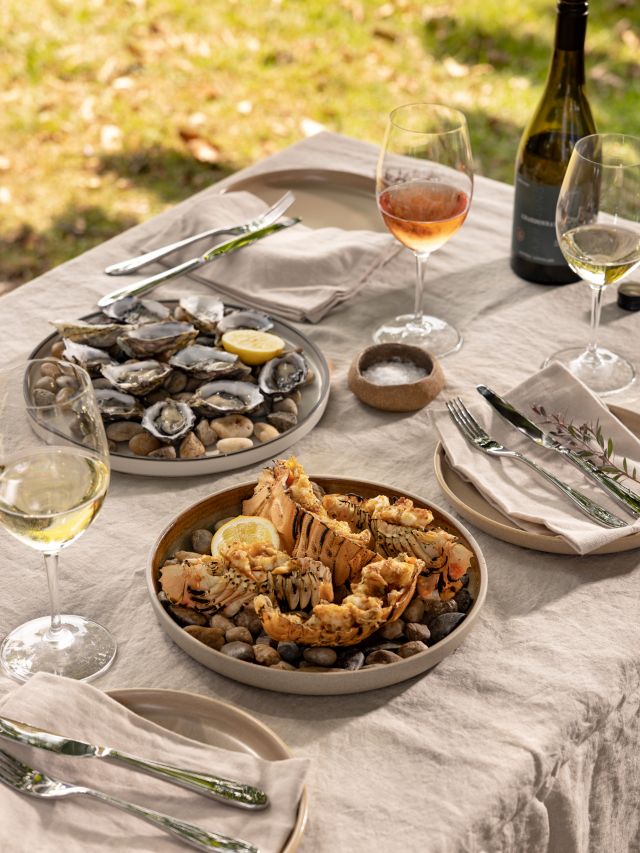
    a seafood feast at Carrajung Estate, Gippsland
    The table is set for a seafood feast at the estate.

    Video credit: Tourism Australia