The myths versus the reality

hero media

When most people look to get away for their holidays they opt for a car or a plane to get to their desired locations, instead of choosing an RV, and there are plenty of objective reasons for this. Some people simply like to unwind and get to a destination as soon as possible and thus opt for a plane, while others like to explore the sites along the way and thus travel with a car, but others are simply afraid of trying out RV travel because of myths that surround it.


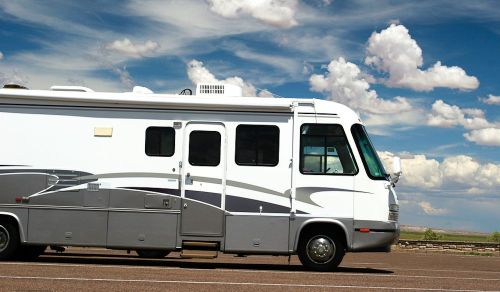
Of course, the quality of RV (Recreational Vehicle, a self contained camper van) travel depends on the type of vehicle that you are driving. Models differ greatly, ranging from the always popular Winnebago Adventurer ($120,000-$180,000 new) to the ultra-luxurious Newell Coach ($1,700,000), but the myths are universal. Here the five most common RV myths – and why they are not true:

RV travel is more expensive than other types of holidays

The big upfront cost of buying or renting an RV can seem steep, but in reality it can be one of the more cost-effective ways to travel. What many people forget to consider is the hefty price of things such as airfare, car rental, accommodation and eating, which can result in a bigger sum than the cost of travelling with an RV. According to research by US travel consulting agency PKF, “typical RV family vacations are on average 27 to 61 per cent less expensive than other types of vacations studied."

RVs are difficult to drive and park

Many people fear that they will not be able to safely manoeuvre an RV, even though when you try it, there’s no reason to be overly worried. You actually get used to the size of the vehicle quite quickly and, if you only drive as fast as you feel comfortable with, there’s really no extra danger on the road. Here are a few tips to make your RV driving experience easier:


Always monitor your surroundings through windows and mirrors.

Know how many cars are following you, if you have anyone driving beside you, and what potential obstacles are ahead.

Decelerate slowly and steadily.

Cornering with a larger vehicle requires more turning radius so always watch the back of your vehicle.

Always plan your routes in advance, even in seemingly familiar areas – your RV might not be able to pass where your car can.

RVs are gas guzzlers

Well, this one actually used to be at least somewhat true – a few decades ago RVs were often quite the gas-guzzlers, but luckily the newer models are actually quite fuel efficient. Of course, travel conditions vary greatly, but some models get terrific mileage; a 10-metre Winnebago Rialta reportedly uses 12.8 litres/100km and the 6-metre Roadtrek Sprinter uses around 14.1 litres/100km, compared with a relatively fuel efficient car, such as the Toyota Camry, which uses about 9.4 litres/100km. The lighter the RV, generally the more efficient it will be.

You need a special RV licence

Another common myth that has to be debunked: no, you do not need any additional driver’s licence besides the one you have for your car.

RVs can’t be as comfortable as a home

Many people see RV travel as a big step-down from what they are used to at home and are hesitant to live this way for extended periods on the road. Luckily, it couldn’t be further from the truth. You can cook any food you would at home in the RV’s kitchen, relax in the lounge area and find privacy for work just as easily as at home – nowadays it’s common to even have internet and satellite TV. Of course, the space is somewhat smaller, but everything is laid out in a way to make the difference minimal. In some of the most luxurious RVs, you can even find features such as home theatre systems, roof top hot tubs, in-room baths or even retractable sky decks, which might make living even more extravagant than in most ordinary homes.


By Jeremy Fenwick who writes for RV Pages , part of Intermedia Group. RV Pages is an online resource for the recreational vehicle industry.


MORE

The ultimate test: Winnebago versus Maserati

hero media

No time to hibernate: experience the best of winter in NSW

Whales breaching, fires crackling and slow-cooked feasts that make the cold so cosy, one might wish it lasted longer. Winter is no time to stay at home in NSW.

When the mercury drops, winter in NSW comes into its own. Beaches are quieter, the air is crisper and hearty food tastes even better when there’s ice on the windows.

Winter here isn’t for hiding away. It’s for long walks, deep baths, deeper reds and the kind of fireside lounging that feels simultaneously indulgent and entirely deserved after a day of exploring. From whale-watching up north to moodily lit bushwalks and pastry pilgrimages, we’ve mapped out your new favourite season.

a beach winter in nsw
From coastal walks to tasty delights, winter in NSW is a time to get out and about.

The Tweed

In winter, the NSW north coast has a front-row seat to one of nature’s greatest migrations. From May to November, humpbacks cruise past the Tweed coast between Antarctica and the Great Barrier Reef. Spot them from the Cabarita Beach headland or get up closer with a boat cruise.

Inland, find the Tweed Regional Gallery & Margaret Olley Art Centre , which is home to a rotating cast of big-name exhibitions (including Monet).

Later, grab a table at Bistro Livi , where the modern Spanish menu features whipped salt cod on toast and spanner crab with curry butter and spelt flatbread. Stick around to poke through the artist studios and indie boutiques of M|Arts Precinct .

visitors at Tweed Regional Gallery & Margaret Olley Art Centre
Browse the art. (Image: Destination NSW)

The next day, jump aboard the Indigenous Lunch Cruise with Tweed Escapes. You’ll cruise upriver listening to yarns from local Indigenous guides, stop at the Minjungbal Aboriginal Cultural Museum and tuck into lemon myrtle-crusted snapper.

Next, drive out to Farm & Co to pull apart some juicy smoked lamb shoulder with green olive tapenade while gazing out over the macadamia fields and avocado groves of this working farm.

End the day at Mantra on Salt Beach where you’ll enjoy beach access, a heated rock spa and a lagoon pool.

dining room at Bistro Livi
Taste modern Spanish at Bistro Livi.

Blue Mountains

The cold season is hands down the best time to visit the Blue Mountains. Temperatures are perfect – sunny enough for hikes, and crisp enough at night for snuggling up.

For a trip that equally soothes and stirs, start with a meditative meander through the national park’s eucalypts and Australian wildflowers. Brave the steepest passenger railway in the world, Scenic Railway , then hop the Skyway aerial cable car for unrivalled Three Sisters views.

Thaw out at the Japanese Bath House in South Bowenfels. Soak in steamy outdoor onsens filled with natural mineral water and mountain views, wander the rose and zen gardens, or sip hot drinks in the tea house.

group leader at Blue Mountains Stargazing
Rug up for Blue Mountains Stargazing. (Image: Destination NSW)

Afterwards, head to Ates in Blackheath, where everything revolves around a 150-year-old ironbark-fuelled oven – like the wood-roasted duck with nectarines and Szechuan spice. Or visit Tempus Katoomba , which leans experimental and sustainable, serving up dishes like braised fennel with cumin, spiced yogurt and Aleppo pepper.

Rug up and head into the night with Blue Mountains Stargazing . Sessions are guided by astrophysicists, helping you understand what you’re looking at as you look into deep space.

Wrap it all up at Fairmont Resort Blue Mountains – MGallery Collection . There’s a whiskey bar in the basement (and crackling fires that make a dram taste even better), indoor and outdoor pools and a day spa. Kids will love the mirror maze and ice rink, too.

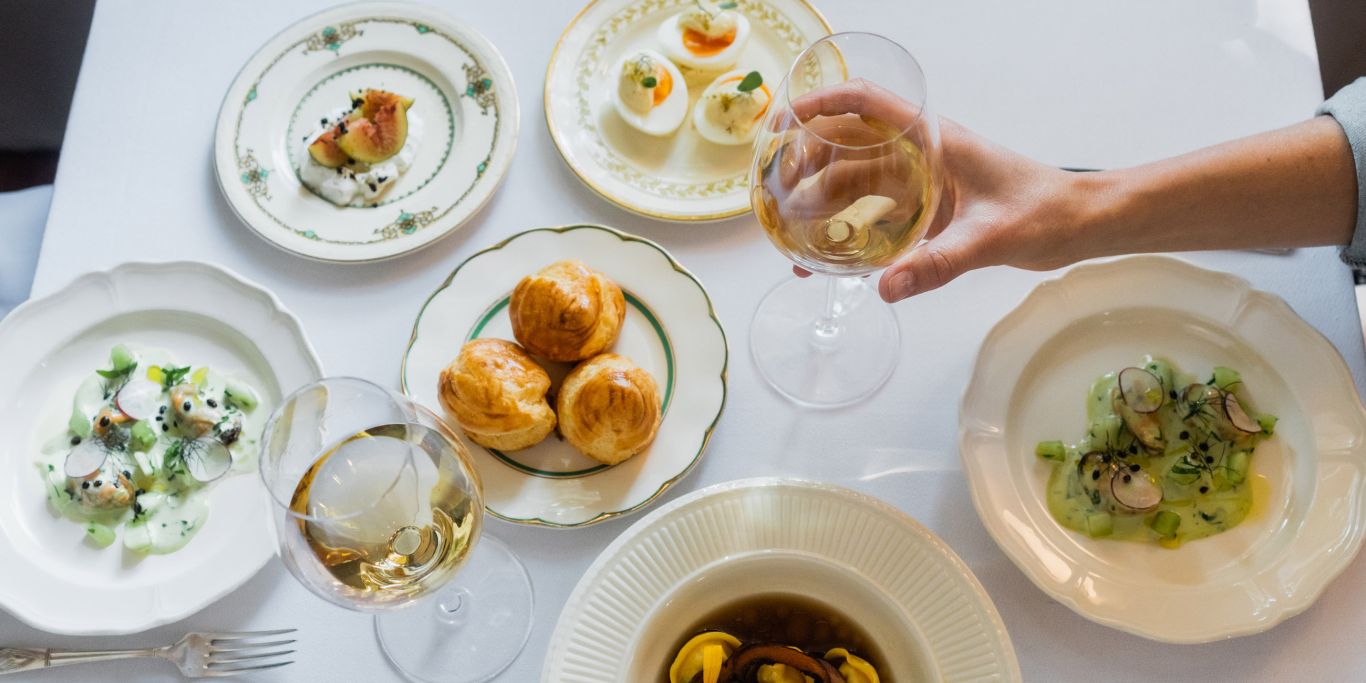
dishes laid out on table at Fairmont Resort Blue Mountains
End the day with delicious meals at Fairmont Resort Blue Mountains. (Image: Destination NSW)

Southern Highlands

Good food and wine by the fire, experienced between sifting through second-hand treasures, is a winter vibe in Bowral.

Start with a lap around Dirty Janes , an antique and vintage market. Recover from your shopping frenzy at Bendooley Book Barn , where floor-to-ceiling shelves and a roaring fire set the tone for an afternoon of red wine or hot coffee.

When it’s time to eat, head to Hickory’s Restaurant & Bar , Peppers Craigieburn Bowral’s onsite restaurant. Try the crispy pork belly with Granny Smith crisps and apple gel, or ocean trout with wakame, lemon gel and pickled radish.

couple looking through Dirty Janes in bowral
Wander the antiques at Dirty Janes. (Image: Destination NSW)

Another option, Onesta Cucina , does Italian with flair. For something more casual (with cocktails), Flour Bar swings between brunch and dinner, with an onsite bakery, over 400 wines and a hidden deli in the old bank vault.

Later, clamber Mt Gibraltar , where trails wind through eucalypt forest to views over Bowral and Mittagong.

Stay at Peppers Craigieburn Bowral , a century-old estate with open fires, elegant lounges and a nine-hole golf course.

woman and her dog winter in nsw at Peppers Craigieburn Bowral
Stay cosy at Peppers Craigieburn Bowral.

Penrith

Shake off winter inertia with an adrenaline boost out in Penrith. Kick things off with a kayak paddle on the Nepean River with Horizon Line, or head to Cables Wake Park , where cold-weather wetsuits take the edge off a wipeout.

For something a bit more cruisy, opt for the Nepean Belle Paddlewheeler for slow-floating views and a hot cuppa.

kayakers on the nepean river in penrith
Head out on the Nepean River. (Image: Destination NSW)

Refuel at Marcel Bar & Bistro , where reimagined European comfort food – like seafood risotto in bisque with little neck clams and Moreton Bay bugs – is king. Then check in at the Pullman Sydney Penrith , the area’s first international five-star hotel, to enjoy your well-earned rest.

Pullman Penrith
Set yourself up at Pullman Penrith.

Start planning your NSW winter getaway at all.com.