hero media

Every stunning Forster beach worth road tripping for

Credit: Destination NSW

Soak up sparkling surf, safe swimming conditions and photo-ready rock pools at every standout Forster beach.

While Forster on the NSW North Coast is awash with trendy eateries and treasure-filled boutiques, I love it most for its sensational stretches of sand. Whether I’m keen to get my snorkel on, slip slowly into a natural rock pool, wrestle waves without bumping into others, or let the kids get their sillies out safely, there’s always a Forster beach with my name on it. Here, I round up the hot spots and precisely who they’re perfect for.

If you only visit one Forster beach, make it Pebbly Beach for its safe-entry rock pools (a railing takes you down a short, paved pathway), expansive coastal views and a mainly local atmosphere.

1. Forster Main Beach
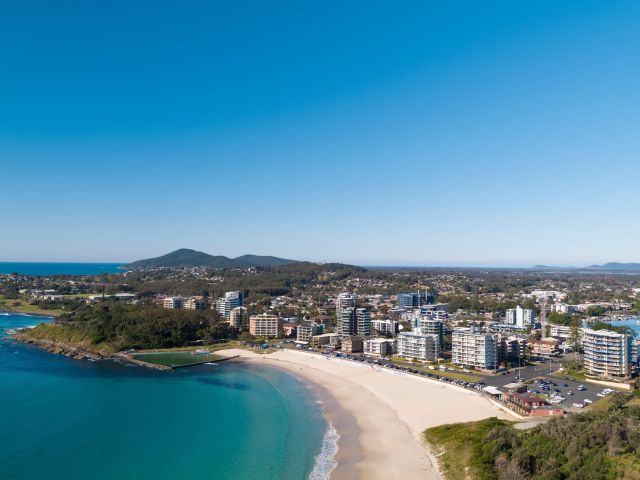
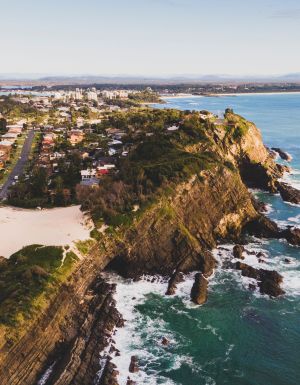
Forster Main Beach from above
The family-friendly Forster Main Beach is renowned for its relatively calm waters. (Credit: Destination NSW)

Best for: Families looking for proximity to the centre of town

I wander up an easy hill to Forster Main Beach from bustling Wharf Street within a few short minutes and my breath settles quickly. Then it slows entirely. Standing out the front of Forster Surf Life Saving Club (which opens its balcony overlooking the surf for ‘Friday Sips’ from 4pm to 7pm weekly), the view is hypnotic. Reaching 563 metres from Forster Breakwall to the Forster Ocean Baths, known locally as The Bull Ring, this Forster beach offers a wide patch of white sand and protection from big swells, so I immediately bookmark it for an easy family beach day with the kids. The Bull Ring is a star attraction, adjacent to the southern end of the beach, which is cleaned monthly to ensure non-grimy swims. Amenities include public toilets and change rooms.

2. Pebbly Beach
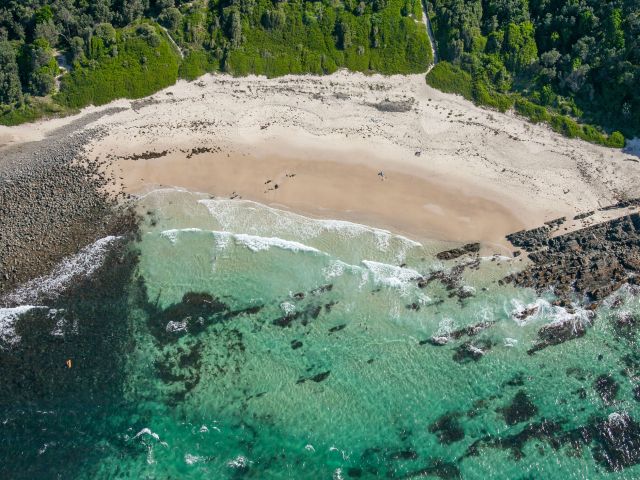
Pebbly Beach in Forster
Take the Bicentennial Walk from the southern end of Forster Main Beach towards Pebbly Beach. (Credit: Destination NSW)

Best for: Surfers, snorkelling, families and Instagram gratification

Pebbly Beach’s wild beauty – think super-sized black rocks, grassy headlands and frothy waves – makes it one of my favourite Forster beach picks, and that’s before I jump into its natural rock formation, The Tanks, and its rock pools. A railed concrete pathway snakes from the Bicentennial Walk, one of the best Forster walks, off Head Street, down to The Tanks’ glorious, protected waters and my children immediately race down it to plunge themselves in. While there’s not enough sand down there to pop a cabana up (especially at high tide when it fills to beyond full-body dunk levels), setting up on the grass at the top of the path will allow you to keep an eye on things – that is when you’re not lapping up this magical spot in there with them. Amenities along the wider beach include a playground, picnic shelters, barbecues and bathrooms.

3. One Mile Beach
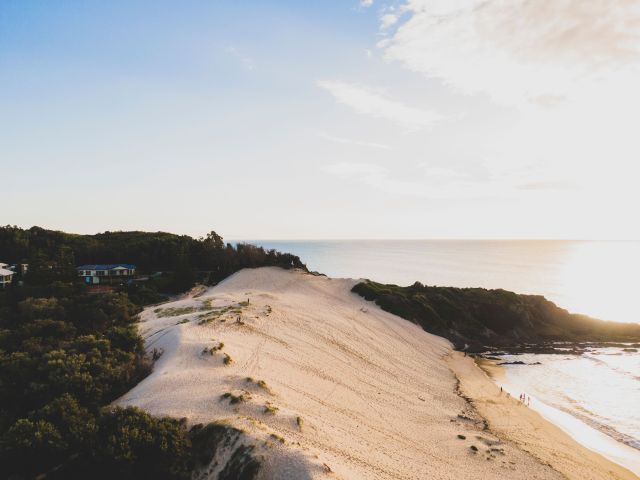
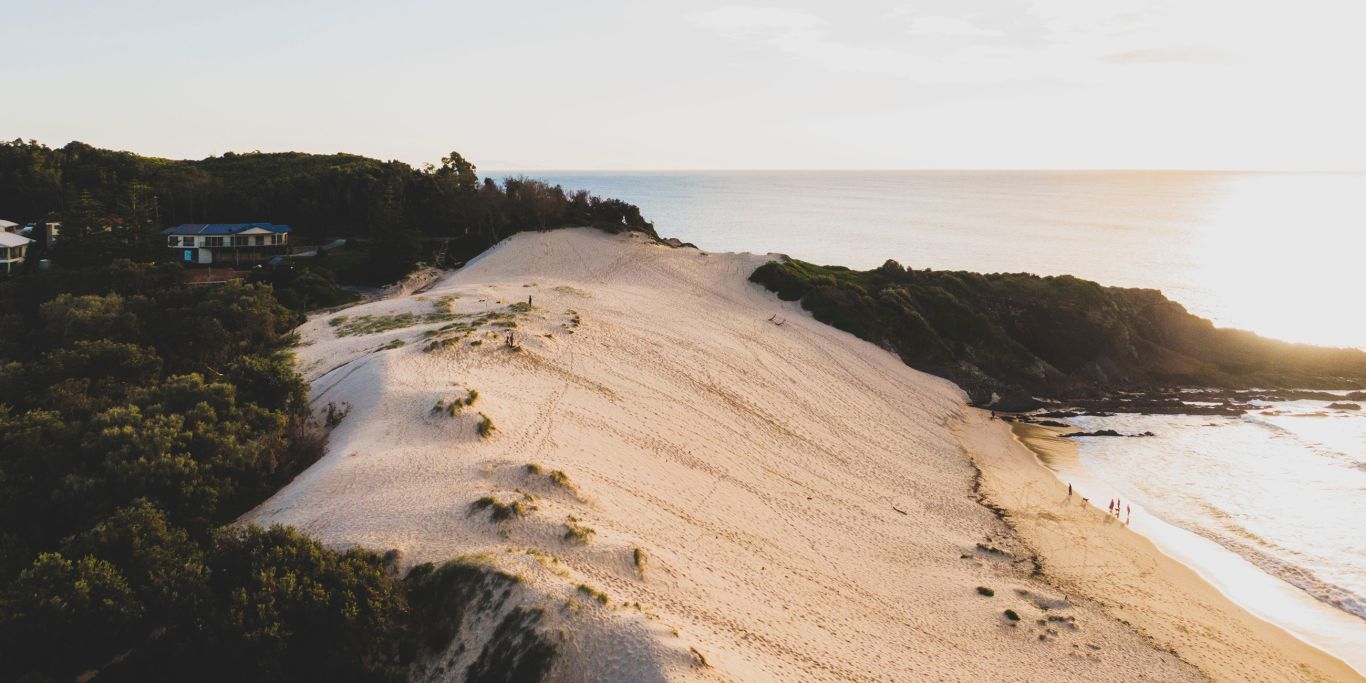
One Mile Beach in Forster
A giant sandhill is located at the northern end of One Mile Beach. (Credit: Destination NSW)

Best for: Surfers and sand sledding

Grabbing my son’s boogie board, I succumb to One Mile Beach’s giant sand dunes at the northern end and love every second of it. Sure, the walk back up to my very amused family takes some muscle – and I eat sand a little while sailing down the end – but why should the kids have all the fun? I also discover that jumping into the patrolled waters of this Forster Beach is the perfect post-sled remedy. Amenities include toilets (but they’re at the middle of the beach and the southern end, so factor that into your kids’ tactile wee planning) and a kiosk run by the Cape Hawke Surf Club. Surfers should also note that side currents and persistent rips are common, so stay cautious.

Need tips, more detail or itinerary ideas tailored to you? Ask AT.

AI Prompt

4. Burgess Beach
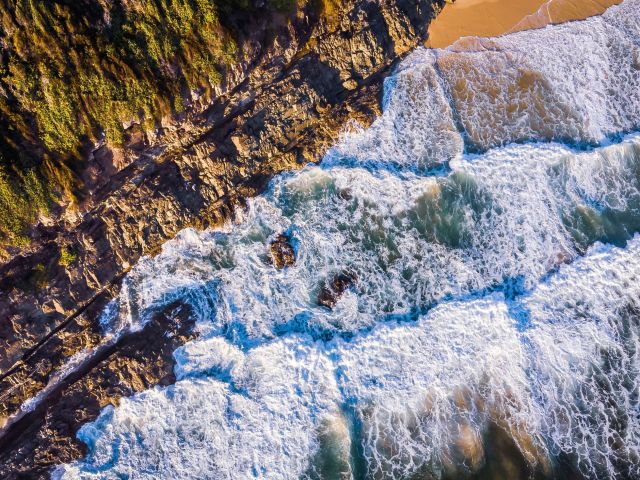
Burgess Beach in Forster
The secluded Burgess Beach is surrounded by rocky outcrops. (Credit: Destination NSW)

Best for: Sunsets and family-friendly rock-hopping

I find a practically spiritual family moment at Burgess Beach one late afternoon as the sun sinks over a cluster of rocks and rock caves while waves oscillate, tickling toes. As my little ones searched for crabs and attempted to catch tiny fish with their fists, I was floored by the quiet calm of this Forster beach, which is reachable via a pathway off Burgess Road. I highly recommend visiting this spot, right near Booti Booti National Park, to create your own holiday memories. Unsurprisingly, it’s a popular spot for newlywed photos and there’s a viewing platform to fall in love with, too.

5. Seven Mile Beach

Best for: Surfers and fishing

The team at my Forster accommodation tell me about Seven Mile Beach’s secret fishing spot (technically it’s around the corner from the Forster beach) so I’m excited to tackle a dirt track at the southern end to get my angler on. When I reach Janies Corner, where I’m told bream and whiting frequent, it feels like a deserted island; a reward to satisfy my outdoorsy side before I even throw a line in. Keen surfers hit the waves beyond me, but they should be warned that this spot must only be navigated by experienced board riders due to permanent rips. Additionally, fishing should be attempted with serious caution. As for the beach itself, it’s wide and spectacular, but unpatrolled.

6. McBrides Beach

Best for: Selfies and swimming

I’d seen photos of McBrides Beach prior to descending down its hefty 600-metre foot track from Cape Hawke in Booti Booti National Park, but truly, they had nothing on seeing this Forster beach up close. While it’s unpatrolled, dipping in its fairy pool is often on the to-do list as glassy turquoise water, encircled by huge, rugged rocks, create the backdrop of Instagram dreams. To reach the showstopper, park at the McBrides Beach carpark off Cape Hawke Drive where the track begins.

7. Nine Mile Beach
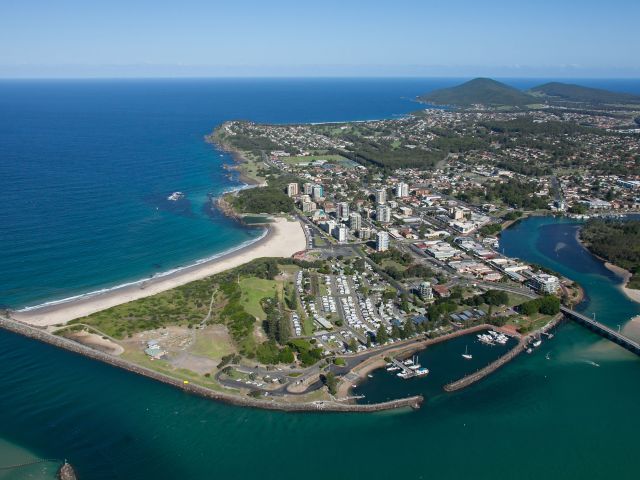
Coolongolook River from above
Coolongolook River flows past Tuncurry towards the southern end of Nine Mile Beach. (Credit: Destination NSW)

Best for: 4WDing, fishing, surfing, dogs, families

A beautiful stretch of sand that’s often referred to as Tuncurry beach, Nine Mile Beach is about 12 kilometres long so there’s plenty of room to set an umbrella up. It’s a magnet for surfing, spitting out consistently long breaks, and if you’ve got a permit, 4WDing on the sand is also plenty irresistible. If you’re a fur parent, there’s a sizable off-leash area north of the Beach Street entry. Amenities include a playground, barbecues and bathrooms.

Weekly travel news, experiences
insider tips, offers, and more.

8. Tuncurry Rock Pool

Best for: Dolphin spotting, families, swimming

I land my first dolphin sighting at Tuncurry Rock Pool (I tallied three individual occasions during my February 2026 visit), where a little guy was cruising from the breakwall at the Coolongolook River mouth towards Nine Mile Beach. The rock pool is situated at the southern end of Nine Mile, where the bustling Rockpool Beach Cafe – one of the best Forster cafes, in my book – provided a convenient morning coffee before I caught more of the show from a park bench by the water. A safety net with buoys bought me more time as my kids swam happily, as did the nearby playground (less than two minutes’ walk away), cementing it as my favourite family-friendly Forster beach.

9. Little Street Baths
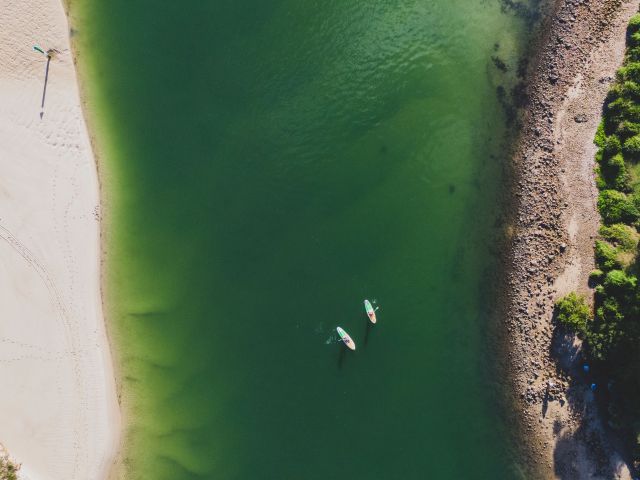
Paddleboarders on Wallis Lake
Hit the water on a stand-up paddleboard. (Credit: Destination NSW)

Best for: Families

Just around the corner (well, about 500 metres) from the centre of town, Forster’s Little Street Baths offers enclosed swimming in Wallis Lake. My kids spent plenty of time attempting to snorkel (there’s fish and other marine life in there) while large trees on the grass behind the sand provided ample shade for my husband and I to kick back.

Tip: Bring your rod as you’ll spy families fishing off the nearby jetty and pontoon throughout the day – and the FOMO gets really real.

Want to see more stories from Australian Traveller in your Google search results?

  1. Click here to set Australian Traveller as a preferred source.
  2. Tick the box next to "Australian Traveller". That's it.
Kristie Lau-Adams
Kristie Lau-Adams is a Gold Coast-based freelance writer after working as a journalist and editorial director for almost 20 years across Australia's best-known media brands including The Sun-Herald, WHO and Woman's Day. She has spent significant time exploring the world with highlights including trekking Japan’s life-changing Kumano Kodo Pilgrimage and ziplining 140 metres above the vines of Mexico’s Puerto Villarta. She loves exploring her own backyard (quite literally, with her two young children who love bugs), but can also be found stalking remote corners globally for outstanding chilli margaritas and soul-stirring cultural experiences.
View profile and articles
hero media

8 reasons Moree should be on your next road trip itinerary

    Lucy Cousins Lucy Cousins
    Discover what makes this country town the perfect place to slow down, switch off and recharge.

    At first glance, the country town of Moree may look like just another charming highway town, with heritage buildings, a leafy town centre and classic pubs the locals love. However, this regional New South Wales town is Australia’s Artesian Spa Capital, a wellness hub with a rich Indigenous cultural history and a growing reputation as a destination for slow travel.

    Moree is ideally located at the crossroads of the Gwydir and Newell highways (and is also easily reached by train and air), making it a refreshing destination, or stop, on any road trip. And these eight experiences show why.

    1. Taste Moree on a Plate

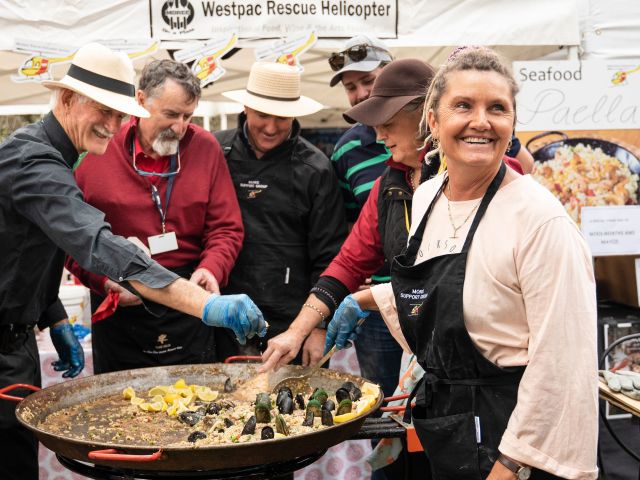
    Westpac Helicopter Rescue Service team with their Seafood Paella at the 2019 Moree on a Plate Festival
    Taste the best of regional produce and culinary talent. (Credit: Destination NSW)

    Time your trip for Mother’s Day weekend in May, and you’ll find yourself in the middle of the popular annual food and wine festival, Moree on a Plate, celebrating regional produce and culinary talent from the region’s fertile plains.

    Browse the stalls and sample olives, pecans, citrus fruits, honey, boutique wines and handmade condiments. You can also enjoy live cooking demonstrations by celebrity chefs, a local barbecue competition, plein-air art, live music and a dedicated children’s activity area.

    2. Experience artesian waters

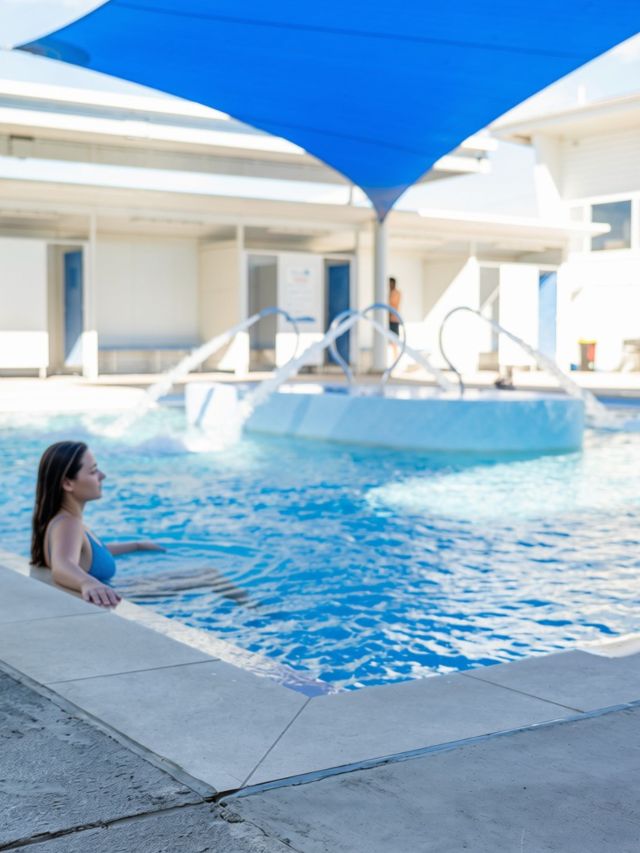
    woman at the Moree Artesian Aquatic Centre
    Chill out in Moree’s famous artesian waters.

    Moree’s famous artesian waters have attracted visitors for over 130 years. First discovered by accident in 1895, this mineral-rich, naturally heated water is drawn from deep within the Great Artesian Basin. Soak and slow down in the recently renovated pools at the Moree Artesian Aquatic Centre, where you can choose between the active pool with massaging water jets or the passive pool for a more relaxing experience.

    For a longer soak, stay at one of the many motels within walking distance of the aquatic centre. Or book a stay with its own artesian pools.

    Gwydir Thermal Pools Motel & Caravan Park has five on-site thermal pools and a broad range of accommodation, while the Phoenix Resort offers both indoor spas and outdoor thermal pools as well as recently upgraded self-contained apartments and motel rooms. Meanwhile, the Artesian Spa Motel is set on five acres of landscaped gardens and features swimming and thermal pools, including an indoor artesian spa and an on-site restaurant.

    3. Enjoy an arty experience

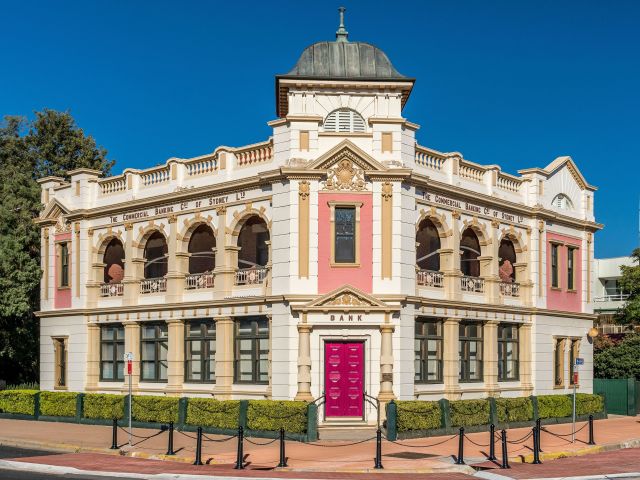
    Bank Art Museum Moree
    Step inside the gorgeous Bank Art Museum Moree. (Credit: Destination NSW)

    To connect with Moree’s artistic side, head to Bank Art Museum Moree (BAMM), an independent contemporary art gallery housed in a beautifully preserved, Federation-era bank dating back to 1910. Inside, a nationally significant collection celebrates the art and culture of the Gamilaroi/Kamilaroi people and other First Nations artists alongside regional Australian art, while changing exhibitions offer something new.

    Follow the Moree Art Mural Trail through the CBD, and you’ll pass large-scale murals and small galleries reflecting stories of the town’s people, history and culture. While you’re exploring this open-air gallery, look out for the eclectic mix of Art Deco and early 20th-century architecture, including the Moree Courthouse and the striking Capitol Theatre facade.

    4. Discover cotton country

    Aerial overlooking cotton farming in progress on the Newport Cotton Farm, Moree
    Learn more about Moree’s cotton industry. (Credit: Destination NSW)

    Surrounded by the black-soil plains of the Gwydir Valley, Moree is at the centre of one of Australia’s major cotton-growing areas. Visit between March and May, and you’ll see fields covered in the distinctive fluffy white cotton bolls being harvested by huge machinery.

    Trace the cotton from paddock to fabric on the Cotton Farm and Gin tour, running from April to September. You’ll visit a cotton farm and a working cotton gin up close, where you’ll see the cotton fibres separated from the seeds. Tours run weekly and include transfers.

    5. Explore the Moree Plains

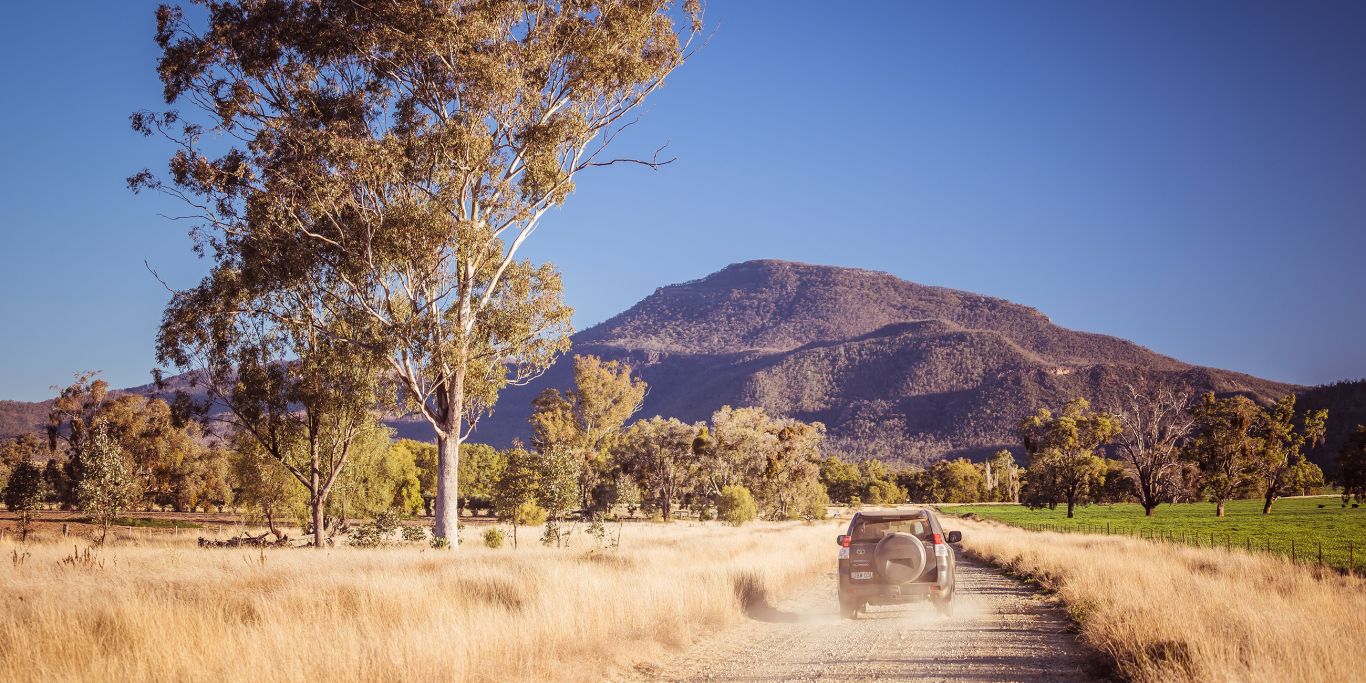
    care driving around moree
    Head out of town to explore the plains.

    Outside of the city centre, Moree is surrounded by charming rural villages dotted around the plains. The quiet village of Boomi, around 90 kilometres north-west of Moree, offers historic early 20th-century architecture, its own artesian thermal waters at the Boomi Artesian Baths and vast outback skies.

    Further west, the pioneer border town of Mungindi straddles the Barwon River between New South Wales and Queensland. Follow the 2.5-kilometre sculpture trail to take in the outdoor public art, and you’ll cross the state border twice.

    6. Relax by the water

    bird at Gwydir Wetlands in moree
    Spot the locals at Gwydir Wetlands.

    Just a short drive away, the peaceful Tareelaroi Weir Recreation Area makes the most of the meandering Gwydir River. Set up camp along the riverside and enjoy picnicking, fishing and swimming.

    A little further afield, the Gwydir Wetlands are home to 75 recorded waterbird species, including brolgas, magpie geese, egrets, spoonbills, ibis and black-necked storks, also known as jabirus. Watchers can settle into the hide at Waterbird Lagoon, or follow a short walking trail through the wetlands, keeping an eye out for rare species.

    7. Immerse in local Indigenous culture

    Terry Hie Hie Aboriginal Area
    Learn about the history of the Gamilaroi People.

    Moree lies on the traditional lands of the Gamilaroi People, whose connection to the land stretches back thousands of years. Today, visitors can learn about this history at Terry Hie Hie Aboriginal Area, which includes the 3.5 kilometre Yana-y Warruwi Walking Track.

    Back in town, the Open Space Aboriginal Art Trail allows you to enjoy the Mehi River with a free, self-guided public art trail of work from local Indigenous artists and their personal connection to Country. Finish with a visit to the remarkable Dhiiyaan Aboriginal Centre, where more than 110,000 family genealogies are recorded. Browse artefacts, art and over 15,000 photographs. There are also changing exhibitions of historical photographs and local art.

    8. Local cafe culture

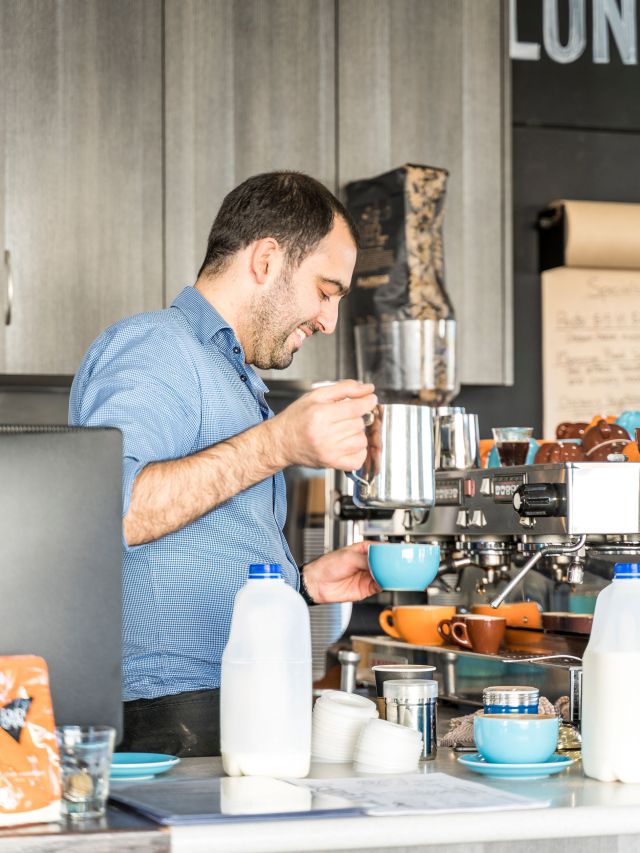
    Barista making a coffee order at 61 Balo Cafe, Moree
    Get amongst’s Moree’s vibrant cafe scene. (Credit: Destination NSW)

    From relaxed country cafes to stylish modern eateries, Moree’s CBD has a surprisingly vibrant foodie scene. There are plenty of spots to choose from for a freshly brewed coffee, long lunch or tasty dinner, featuring menus showcasing local produce and loads of country charm.

    If you’d rather dine in the great outdoors, grab a takeaway coffee or a picnic and head to leafy Jellicoe Park, a riverside oasis just a short walk from the centre of town. Pick a spot under the trees, enjoy the park’s art installations and keep watch for waterbirds along the river.

    Start planning your Moree retreat at visitmoreeplains.com.au.