Unique places to go in NSW you’ve never heard of

hero media
If you’re in search of a holiday without the crowds, consider these lesser-known gems of NSW.

With so many beautiful beaches, world-renowned wine regions, charming country towns, boundless snowfields and the state’s magnificent outback hogging the spotlight in NSW you could be forgiven for thinking there is nowhere left to discover. But if you break away from the caravan convoy you’ll find a range of fascinating places that even the most seasoned traveller hasn’t heard of. Here are our picks.

Jugiong

Why should you visit?

It’s primed to become the state’s newest foodie hotspot.


Sydneysiders who can sniff out a trend are driving 300 kilometres away to the country town of Jugiong on the banks of the Murrumbidgee River, just to eat lunch at the swanky Sir George Pub.
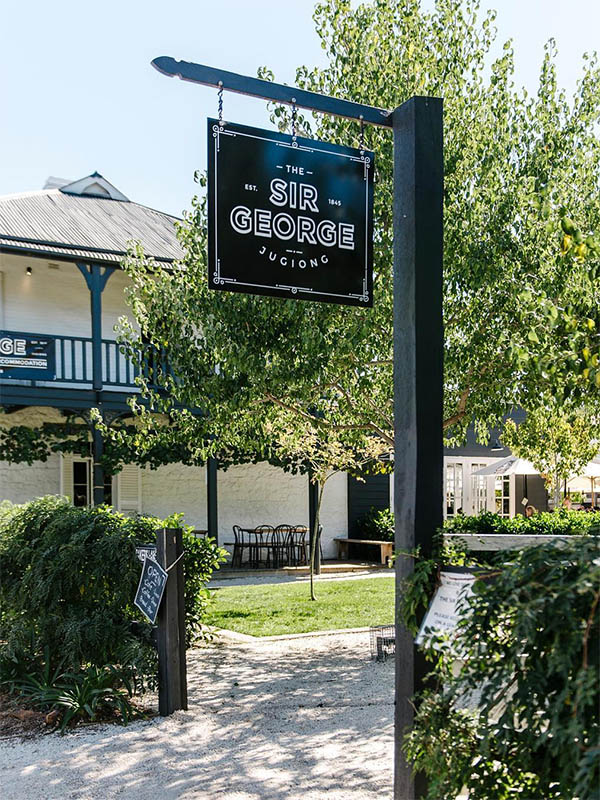
Grounds at the Sir George Jugiong
Grounds at the Sir George Jugiong.

After two years’ worth of renovations, the pub (which was built in 1852 and had been in the same family for 165 years before the handover) reopened, and the reimagined venue now houses a restaurant, sourdough bakery and beer garden. Heritage-listed accommodation (even older than the pub — dating back to 1845) is attached for those eager to rest their head among history.


Add to this The Long Track Pantry, the award-winning store, cafe and cooking school next door; and the Curators Collective, a fashion, homewares and furniture store located just above the pub; and we’re sensing a hint of Merivale vibes in the Hilltops Region of NSW, especially with its convenient position just off the Hume Highway.
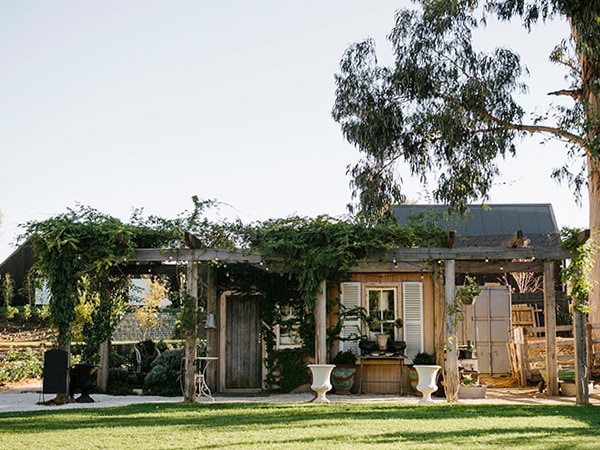
 Potting Shed Jugiong
Housed on the property, the beautifully picturesque Potting Shed sells gifts for the gardener.

Mungo National Park

Why should you visit?

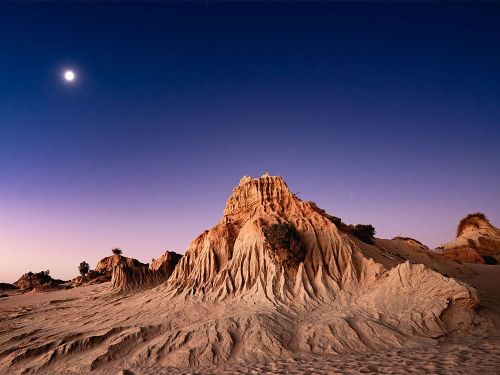
For the otherworldly beauty of the landscape and fascinating ancient history.


Mungo National Park, located within the Willandra Lakes Region (a World Heritage area in far Outback NSW), provides a tantalising glimpse into the earliest years of white settlement in Australia – and, importantly, even further back to the beginning of the Paakantji, Ngiyampaa and Mutthi Mutthi peoples heritage. The park’s cultural legacy paints a vivid picture of Australian Ice Age environments, and the people who lived and died during those ancient times.


It’s an eerie place, but a fabulous one in which to dream of the first civilisations to occupy this country. In fact, the park is home to Mungo Lady and Mungo Man, who both date back 42,000 years and are considered to be the oldest human remains found outside of Africa.


If you make the trip with lake-clad fantasies in mind, you’ll certainly be left a little confused. Having long since dried up, the once 135-square-kilometre stretch of water is believed to have evaporated some 10,000 – 15,000 years ago. Instead, guided walks with NSW National Parks and Wildlife Indigenous rangers can be arranged at the Mungo Visitor Centre  (July through October).
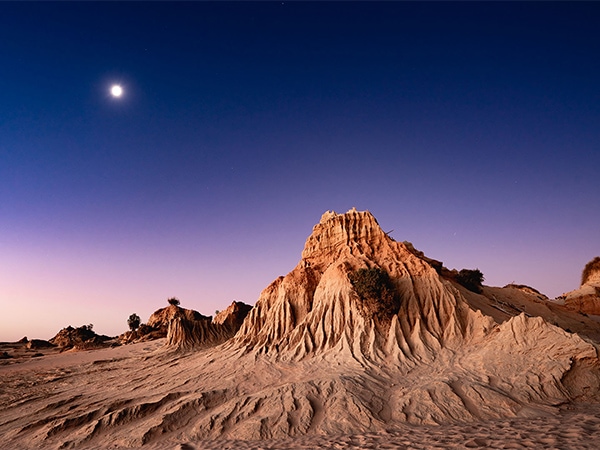
Mungo National Park at sunset
Lake Mungo mesmerises visitors with its otherworldly beauty. (Image: Mildura Regional Development)

Bungonia National Park

Why should you visit?

To immerse yourself in nature, get your adrenalin pumping and feel refreshed.


You don’t need to drive far from civilisation to find a pristine national park in NSW. Just a 2.5-hour drive southwest of Sydney or 1.5 hours from Canberra lies Bungonia National Park, also known as the adventure capital of the NSW Southern Tablelands and the Country of the Njunawal people.


This mini-Eden can be explored in myriad intrepid ways. On-foot is an obvious one; find over 10 hiking, walking and lookout trails on offer for visitors. A popular walk is the 6.7-kilometre Green Track  (allow 2.5 to 3.5 hours to complete the loop). Multi-day guided adventure treks  are also available.


Thrilling opportunists can also abseil, rock climb, go canyoning or caving in Bungonia. Many of the caves are steep and precipitous and should only be explored by well-equipped and experienced cavers.


Before you head out, read up on safety during adventure sports  in NSW national parks.
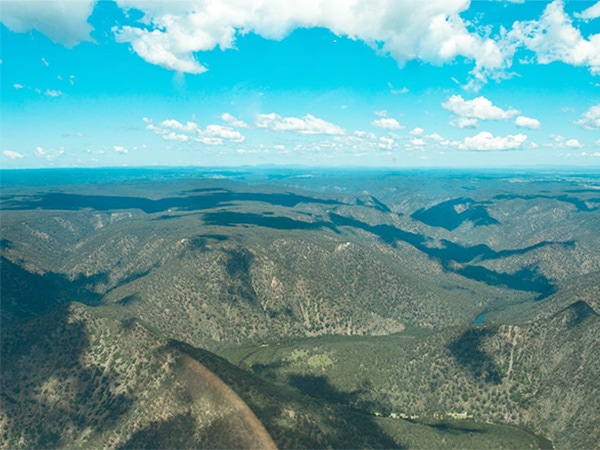
Bungonia National Park
Bungonia National Park is an outdoor adventure playground.

White Cliffs

Why should you visit?

To dig for opals and experience a night sleeping underground.


Often mentioned in the same breath as her more famous South Australian cousin in Coober Pedy, White Cliffs also lays claim to a slice of Australia’s underground. Located in the Central Darling Shire, the town is around 255 kilometres northeast of Broken Hill and 93 kilometres north of Wilcannia.
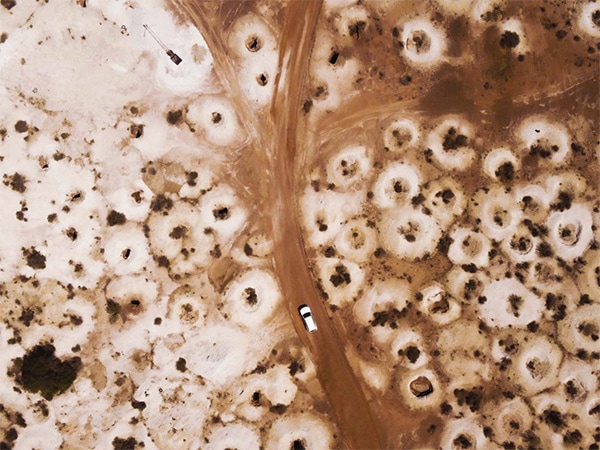
White Cliffs from above
Drive through the beauty of White Cliffs

Ever since kangaroo shooters stumbled across the precious white opal here, a tight community of quirky dreamers have called this deserted town home. We’re not sure how often they see each other, however, with an estimated two-thirds of the 100 or so residents living underground to escape the lunar-level extremes.


While you’re in town, go underground into a working mine with the Red Earth Opal Mine Tour  and try your hand at uncovering a glittering gem. And you can’t go past a stay at the Underground Motel, with its rabbit warren of ever-expanding dugouts that will have little ones running amok for hours.
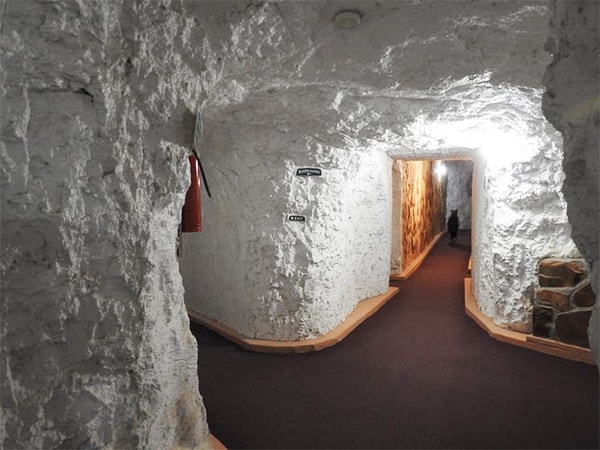
White Cliffs Underground Motel
White Cliffs Underground Motel is a huge complex with 40 underground rooms.

Brewarrina

Why should you visit?

To learn about one of the oldest human-made structures on Earth.


Brewarrina Fish Traps, on the banks of the Barwon River in northwest NSW, are among the oldest human-made structures on Earth – and we bet you’ve never even heard of them.


Forty-thousand years is a long time to be sitting in the same riverbed, but the engineering prowess of early indigenous Australians is evident from the Brewarrina Fish Traps, a system of stone weirs and pools that are still intact all these years later.


The fish traps are about half a kilometre long and were devised to catch fish as they swam upstream. They once served as a major meeting place for the region’s First Peoples and were added to the Australian heritage list back in 2005.


They’re a remarkable example of ancient innovation, and exploiting the natural landscape to one’s advantage – in an entirely environmentally-friendly way. Head up to the museum to learn more.
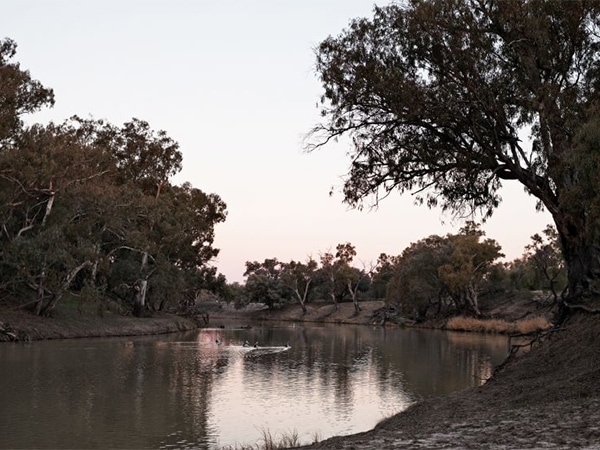
Brewarrina’s beauty.

Cameron Corner

Why should you visit?

To see how big the world’s biggest fence really is.


Eager to catch a glimpse of the biggest fence in the world? That may just seem like just another “biggest" claim, but to give you a feel for just how big we’re talking, consider this: drive from Melbourne to Sydney and back. You’re not even close. Now drive to Perth. You’ve almost driven as long as this fence stretches. (You’ve driven 5133 kilometres. Only 187 kilometres to go.)


Playing an important role in Australia’s agricultural development, and well-known by its cinematic adage, the ‘Rabbit Proof Fence’ has kept sheep safe from dingoes since its erection in 1901. The fence explains why you don’t really see many dingoes across Australia’s southeast – except the pure breeds on K’gari, of course.


The best place to see and feel the scope of it is out at Cameron Corner, at the intersection of SA, Qld and NSW. Here the fence is “one chain" (22 yards, or exactly one cricket pitch) from the post that marks the meeting point of the three states.
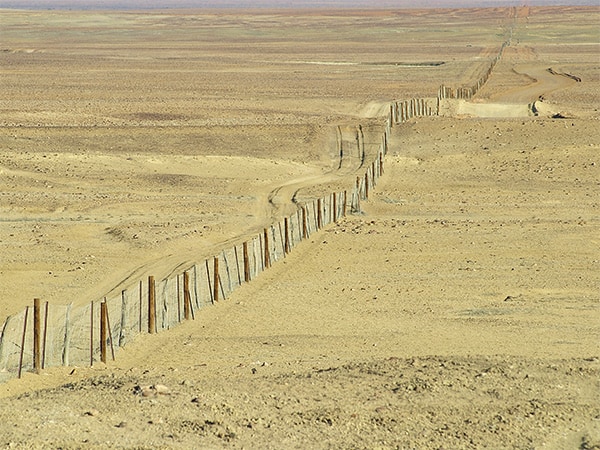
The 1.8m high fence traces a crooked line from Jimbour in Queensland’s south-east to the Great Australian Bight.
Want to discover more of NSW? Read to our ultimate holiday guide to NSW here.
hero media

Dive into summer with hikes, great bites and wellness in The Tweed

Warmer days call for slowing down and relaxing in nature. Discover why The Tweed is the ultimate destination to do just that.

As the end of the year draws near, the need for rest and restoration grows ever more prominent. For many, that means heading into nature – and there’s plenty of science to back up the benefits of doing so. It quite literally makes us happier as it reduces stress hormones, lowers our blood pressure and more. And what better place to lean into this feel-good effect than during summer in The Tweed (in the Northern Rivers region of NSW)? Blending sparkling beaches, riverside towns and hinterland villages, this area has nature covered, while also offering top activities and dining options.

Slip, slop, slap.

And of course, pack your SPF. We Are Feel Good Inc’s Ultra-Light Mineral Sunscreen Lotion SPF 50 is a lightweight and fast-absorbing formula that keeps your skin hydrated and shielded, thanks to nourishing Coconut Oil and Vitamin E. But it’s also helping preserve the natural beauty around you on your Tweed vacation, thanks to 30 per cent ocean waste packaging.

Discover eight experiences that make The Tweed the perfect place for summer.

1. Underwater worlds

two people swimming after turtle on the tweed
Get a chance to swim with the locals.

There’s something about the ocean that calls to us as humans, and what’s below the surface is even more magical.

Green, hawksbill and loggerhead turtles (not to mention an abundance of other marine life) all use the protected waters around Cook Island, near Fingal Head, as their foraging ground, making it the perfect place to dive and snorkel to spot these adorable creatures.

Join Cooly Eco Adventures on a guided snorkelling tour that combines unforgettable turtle encounters with an inspiring look into marine conservation.

2. Farm-to-table dining

table spread at Potager restaurant
Treat your taste buds at Potager. (Image: Cara Sophie)

Respecting the land and nature also means appreciating its abundance of food. From farm-to-table cafes and boutique breweries to river cruises and restaurants championing local produce, dining around The Tweed often means engaging with the best local producers.

The award-winning Potager Restaurant , part of The Hinterland Collection , is the perfect example; beginning life as a kitchen garden, the passion to champion local producers is woven into every dish. Vegetables, fruit and herbs are picked from the garden or sourced from other local producers, the seafood comes from the Northern Rivers, and meat is sourced from ethical local producers. Even the cocktail list features local distillers.

Extend your stay with a night (or several) at boutique on-site accommodation, Potager House . This French-inspired country four-bedroom retreat boasts stunning views of the surrounding hills and nearby ocean, as well as a large pool, outdoor entertaining area and infrared sauna.

3. Water wellness

Waterguru Mindfulness in the Mangroves summer on the tweed
Find mindfulness in mangroves. (Image: Matt Johnson)

You’ll find mindfulness while floating around the mangroves of Kingscliff’s Cudgen Creek at any time, but Watersports Guru offers an immersive experience to help guests do so with more intent. Join a 90-minute guided session on a stand-up paddleboard to reconnect with nature and relax through breathwork, gentle movement and sensory awareness.

If you’re feeling more adventurous, Watersports Guru also offer Kayak fishing adventures or join a Sea Turtle Odyssey experience.

4. Restorative seaside stays

woman relaxing in spa at Halcyon Wellness, halcyon house
Unwind at Halcyon Wellness.

The Tweed encourages locals and visitors alike to slow down. To really indulge, a seaside stay is a must. Halcyon House has understood the assignment, blending a wellness philosophy centred on balance and self-discovery with luxurious surrounds. Stay in one of 22 rooms and suites (each individually designed by eclectic interior designer Anna Spiro) right on the beachfront. Book restorative treatments at the onsite spa, Halcyon Wellness, relax by the pool, dine at the hatted Paper Daisy restaurant and just let The Tweed work its magic.

While Blue Water Motel offers a relaxed coastal escape, just steps from Kingscliff Beach. Settle in stylish rooms, recently restyled by Jason Grant, nodding to the cool of Kingscliff with a fun retro vibe. Hire a bike from reception to explore the surrounding area.

5. Tasty drops

Husk Farm Distillery
Join a Farm to Bottle tour. (Image: Salsingh Photography)

The owners at Husk Farm Distillery aren’t just about creating high-quality rum: they’re also farmers themselves. In fact, they create one of the world’s only single estate, farm-to-bottle spirits. Join a Farm to Bottle tour to discover the sustainable ‘full circle’ distilling practices used here, and even get hands-on with your own cane knife to help harvest and juice your own stalk of cane. And, of course, a welcome drink plus complimentary tastings along the way.

6. Rail trail adventures

Cycle the Northern Rivers Rail Trail.

Exploring the rolling green slopes and historic towns of the 24-kilometre Tweed section of the Northern Rivers Rail Trail is one of the best ways to connect with the region’s lush hinterland and interesting heritage. In this section of the trail, discover the area’s railway history at heritage-listed Murwillumbah Railway Station, and traverse by 18 railway bridges and through two railway tunnels.

Linking vibrant towns and villages with the larger hub of Murwillumbah, this section of the trail is covered in asphalt or compacted gravel, making it accessible for all ages and abilities, from prams to adaptive bikes. 

7. Linger longer

surfer at fingal heads the tweed
Enjoy beachside locations, like Fingal Heads.

Linger longer at one of the seven idyllic beach, river and creekside locations of Tweed Holiday Parks – including at Tweed Heads, Kingscliff Beach, Hastings Point and Pottsville South. All just steps from the water’s edge, they make the ideal base to unwind, or head out for exploration of The Tweed. Choose from luxury waterfront cabins, accessible cabins, surfari tents (yes, they are basically glamping tents) or spacious sites for caravans, motorhomes and campervans or tents.

Tweed Holiday Parks
Stay for longer and indulge in plat at Tweed Holiday Parks.

Find your feel-good summer in The Tweed at visitthetweed.com.au .