hero media

7 best towns in the Northern Territory to visit now

Credit: Bill Blair

These towns have officially been ranked the best in the NT. And they leave a mark on all who visit.

The Northern Territory is a truly special place. Home to some of the country’s most culturally sacred sites, it boasts otherworldly geology, impossibly blue gorges and rock art offering a glimpse into the Dreamtime. And it’s the state’s communities that give it these rich and unique layers. Ranked among Australian Traveller’s 100 best Aussie towns to visit by our expert industry panel, the top towns to visit in the Northern Territory are your passport into this region’s vibrant spirit.

1. Yulara

Overall rank: 15/100 

Anangu Country 
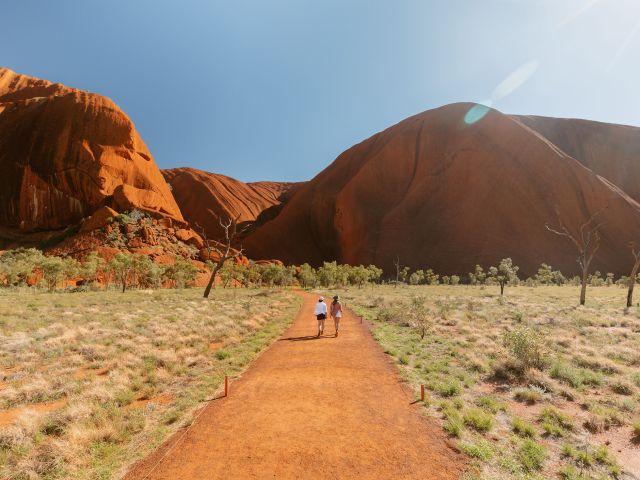
Uluṟu-Kata Tjuṯa National Park
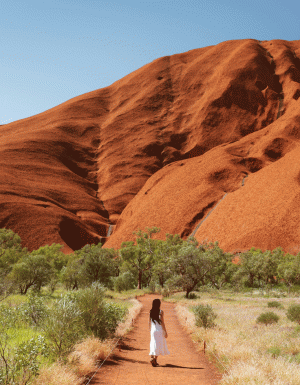
Yulara is the gateway to Uluṟu-Kata Tjuṯa National Park. (Credit: Tourism and Events NT/Lola and Jir)

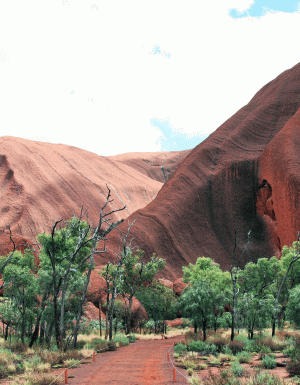
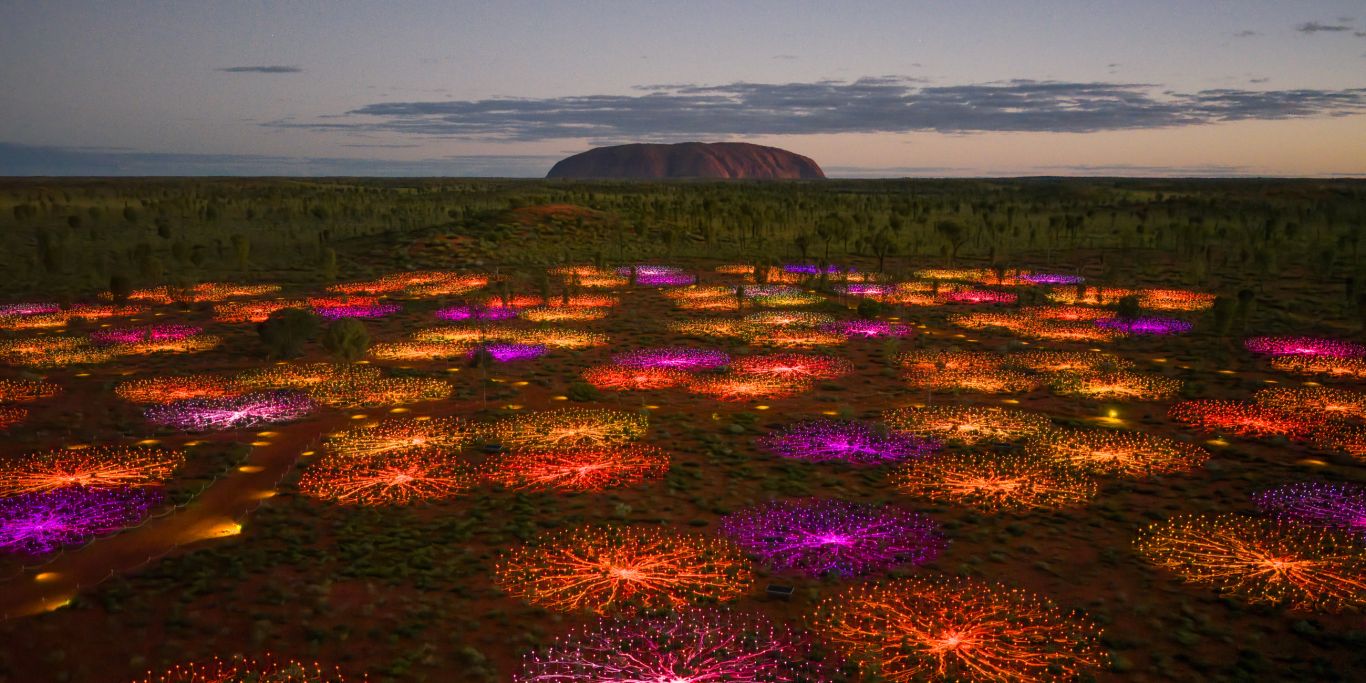
Formed in the late 1970s as a base for visitors to Uluru-Kata Tjuta National Park, Yulara is home to our most famous ancient monolith that rises 348 metres out of the Central Australian Desert. This landscape is one of intense beauty and sacred importance; for the Aṉangu people, Uluru is entwined in traditional Tjukurpa law. For the rest of us, it is a place that has the power to be transformative. Panellist Brett Godfrey says, “This is truly Australia’s spiritual heart… Every Australian needs to visit at least once. You leave ‘different’." 

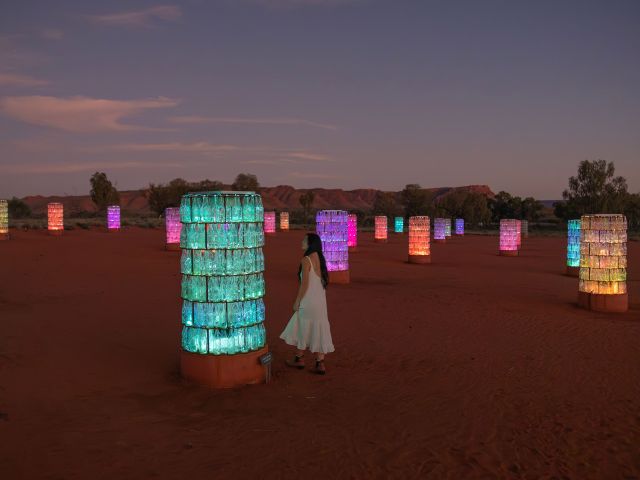
Don’t miss:  At least one of the immersive light and sound shows: Bruce Munro’s Field of Light, which celebrates 10 years in 2026; Wintjiri Wiru, a drone show that tells an ancient Creation story; or Sunrise Journeys, a laser and light experience co-created by three Aṉangu female artists. 

2. Katherine

Overall rank: 37/100

Jawoyn, Dagoman & Wardaman Country
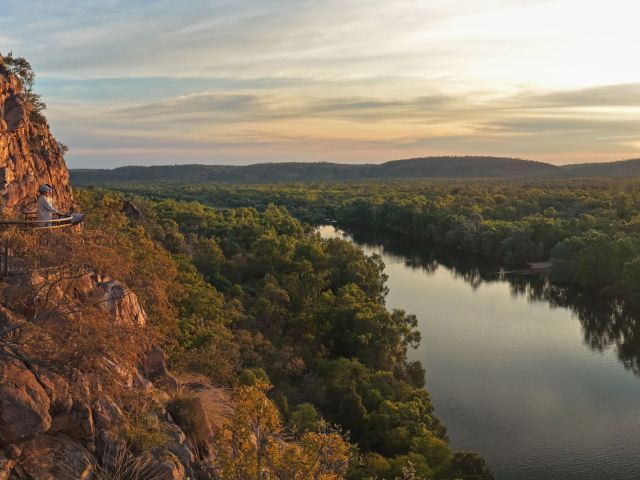
Baruwei Lookout at Nitmiluk Gorge
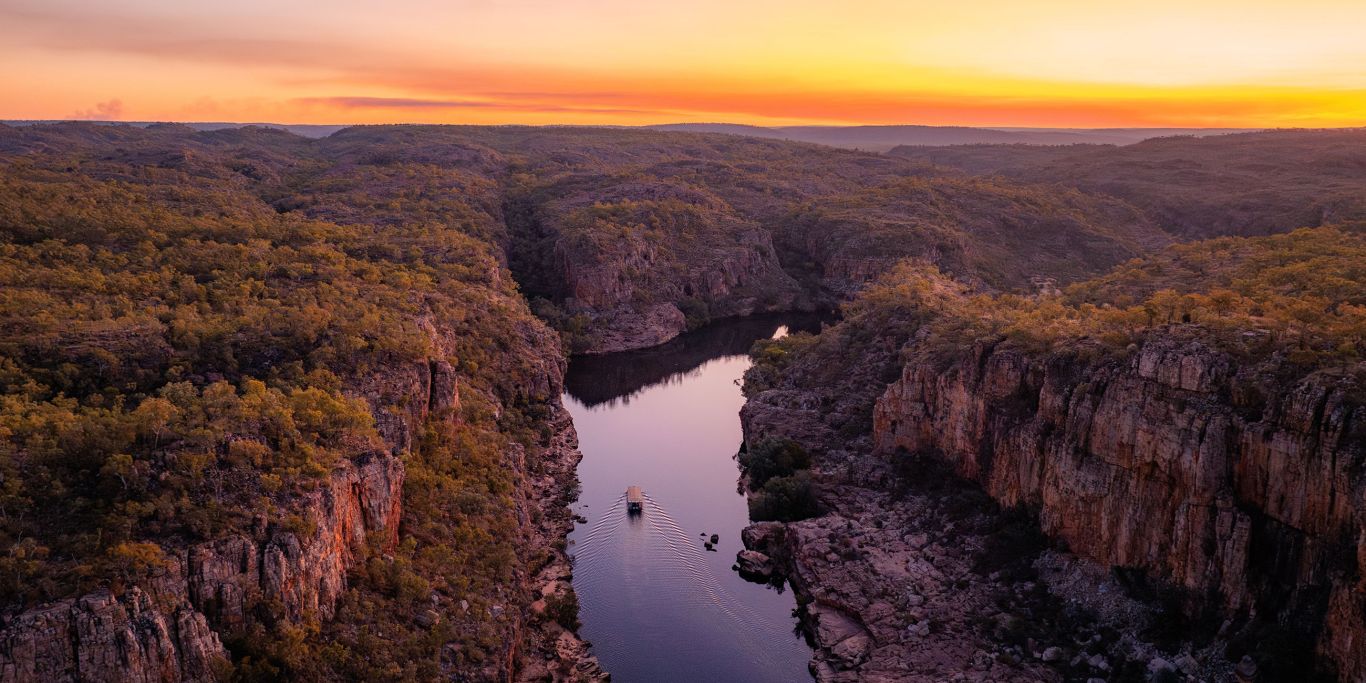
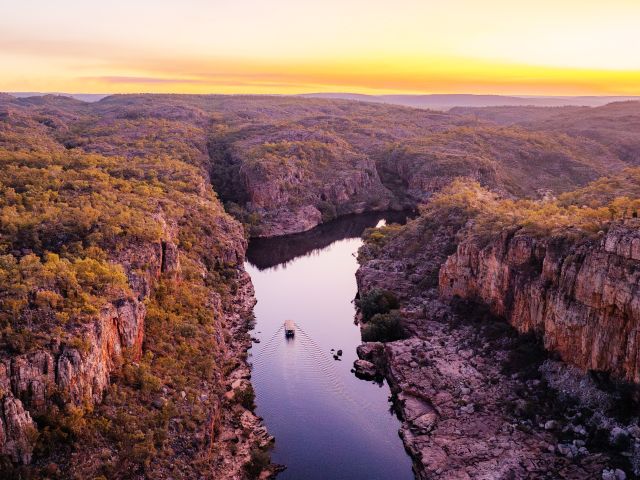
Take in jaw-dropping views from Baruwei Lookout at Nitmiluk Gorge. (Credit: Tourism & Events NT/Safari Global)

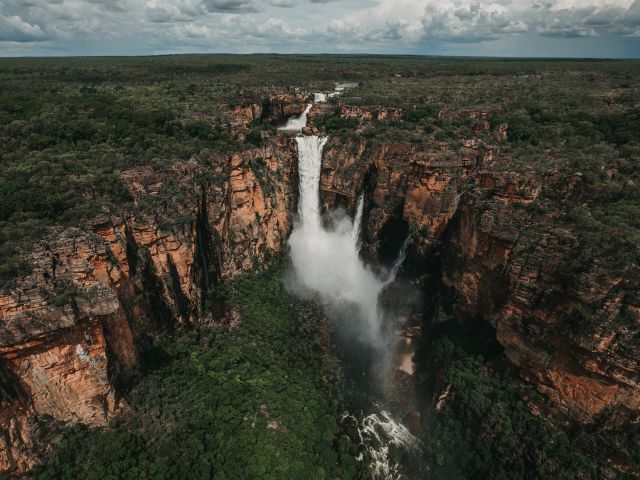
Known for its intersection of Aboriginal cultures and pastoral history, this Top End town delivers a double drawcard of muscle-soothing hot springs and the breathtaking Nitmiluk Gorge right on its doorstep, as highlighted by panellist Paul Ah Chee. But Katherine is also emerging as a hotspot for coffee snobs.

A growing collection of cafes – such as Finch Cafe, Maidens Lane and The Black Russian Caravan Bar – is punching well above its weight in the flat white stakes.

Don’t miss: Many Aussies will drive hundreds of kilometres for a decent coffee, but the reason you’re really here is Nitmiluk Gorge. For this alone, panellist Adrian Williams rates Katherine 11/10.

Need tips, more detail or itinerary ideas tailored to you? Ask AT.

AI Prompt

3. Hermannsburg 

Overall rank: 54/100 

Western Arrarnta Country 
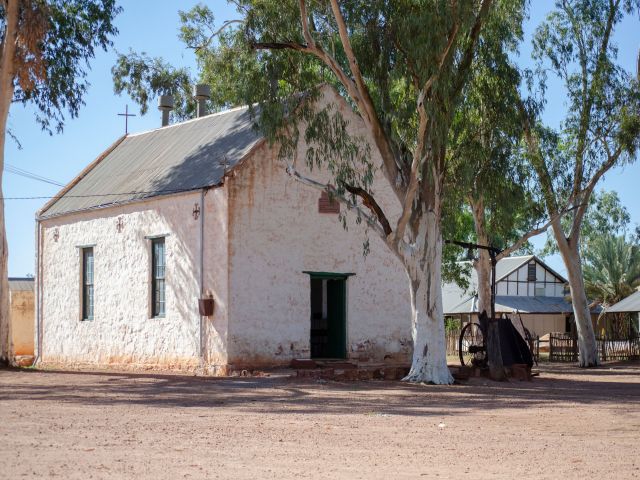
Hermannsburg Historic Precinct
The Hermannsburg Historic Precinct carries a deep history. (Credit: Tourism & Events NT/Hermannsburg Historic Precinct)

Lying in the remote, red-dirt folds of the outback west of Alice Springs/Mparntwe, Hermannsburg is a tiny but vibrant settlement whose artistic legacy has long helped put it on the map. Established as a Lutheran mission in the 1880s, the town carries a layered history of hardship and resilience, and is famously the birthplace of iconic Arrernte painter Albert Namatjira, whose luminous landscapes reshaped how Australia saw its interior. Panellist Paul Ah Chee describes it as “a wonderful precinct where the heritage of the Lutheran theology and the Arrernte culture are reflected in the township."  

Don’t miss: A visit to (or tour of) the Hermannsburg Potters art centre, where Western Arrarnta artists shape ceramics that speak to stories of Country, cultural values and lived histories. 

4. Nhulunbuy

Overall rank: 58/100 

Yolŋu Country 
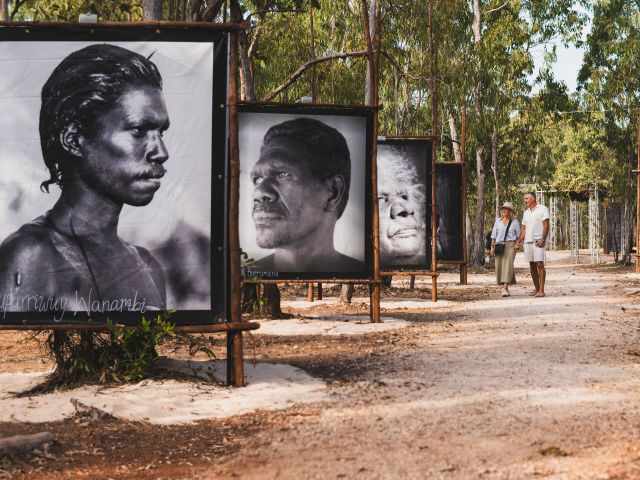
Indigenous art in the coastal town of Nhulunbuy
Indigenous art in the coastal town of Nhulunbuy. (Credit: Tourism and Events Queensland/Garma Festival/Shaana Mcnaught)

Where the road eases its grip on the bitumen, East Arnhem begins – all salt-edged and rich in story. The coastal town of Nhulunbuy is the front door to the Garma Festival each August, drawing Indigenous leaders, policymakers and artists to a four-day program of song, ceremony and debate. It’s also an introduction to Yolngu culture, with nearby Buku-Larrnggay Mulka Centre in Yirrkala offering authoritative art: bark, print and film grounded in Yolŋu law.  

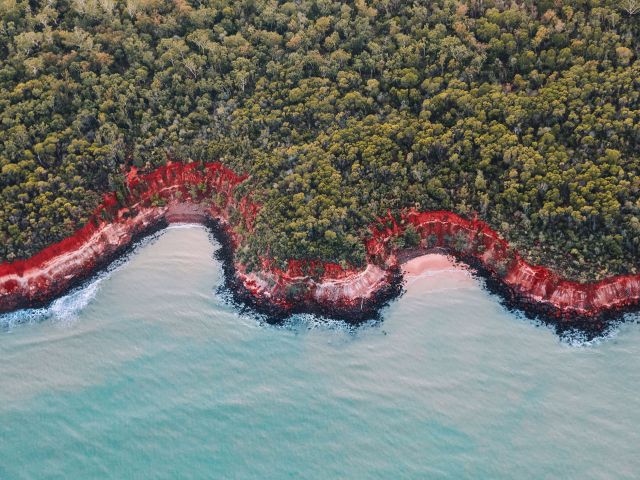
Don’t miss: This slow-paced spot delivers nature in spades: world-class fishing, deserted beaches, striking red cliffs and show-off sunsets. “I spent the better part of a month in Nhulunbuy while filming for Back Roads, and spent hours walking there every day," says panellist Rae Johnston. “It’s probably the most relaxed I’ve ever felt."

5. Alice Springs

Overall rank: 77/100

Arrernte Country
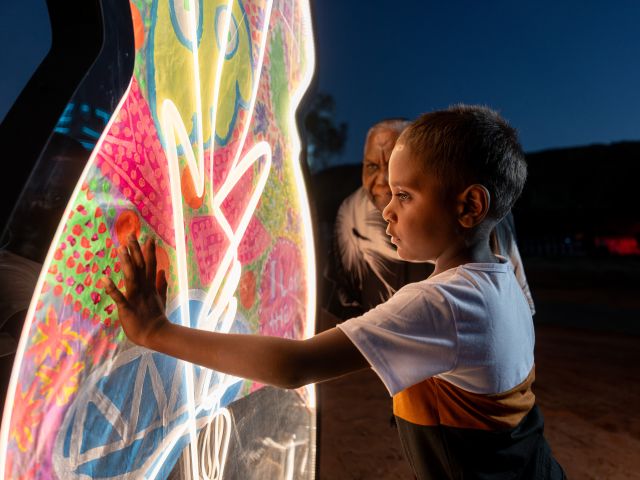
Parrtjima festival in Alice Springs
The only Aboriginal festival of its kind, Parrtjima. (Credit: Lisa Hatz)

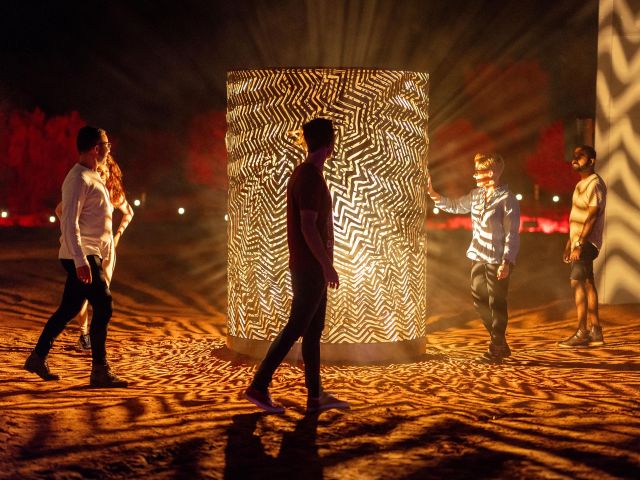
Alice Springs/Mparntwe draws on its desert setting as the backdrop for its distinctive festival calendar. Culture is lived and shared here, from the glow of Parrtjima – A Festival in Light to the offbeat charm of the Alice Springs Beanie Festival, which is in its final year in current format. Events such as DesFest and Desert Mob round out a program celebrating creativity and Aboriginal art. “Alice Springs is the gateway to the outback, a perfect base to explore beyond," says panellist Sally Cope.
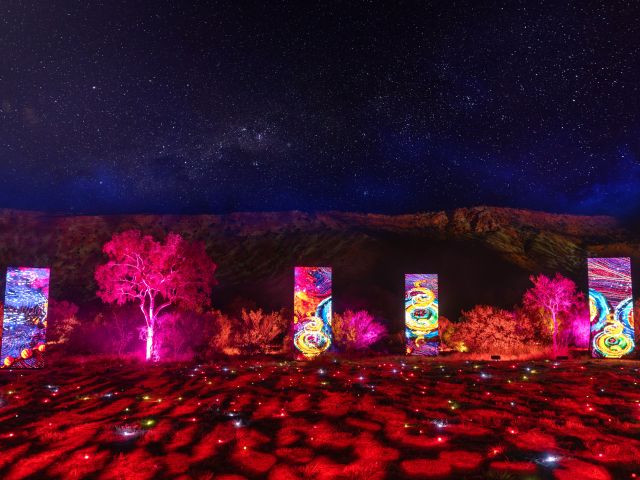
light installations at Parrtjima festival in Alice Springs
An inspiring blend of new light installations dazzles on Arrente Country. (Credit: Lisa Hatz)

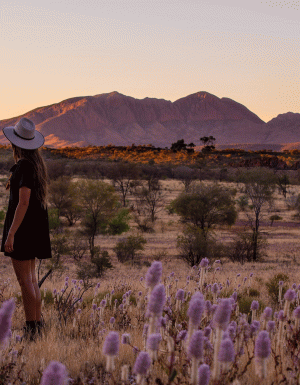
Don’t miss: The “incredible [surrounding] landscapes including the MacDonnell Ranges," says panellist and Parrtjima cultural advisor Paul Ah Chee.

Weekly travel news, experiences
insider tips, offers, and more.

6. Batchelor

Overall rank: 91/100

Kungarakan & Warrai Country
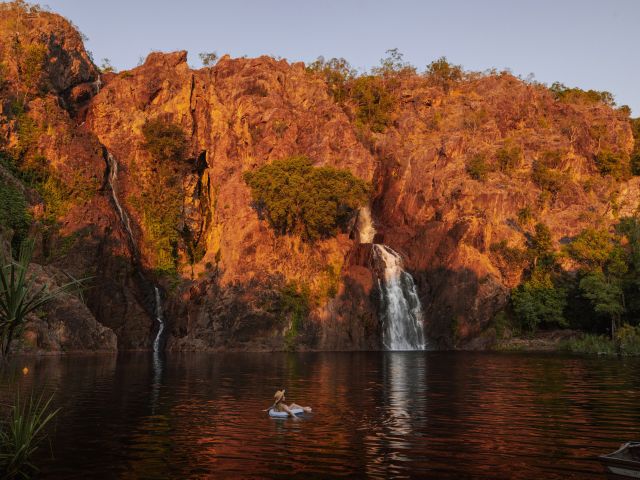
Wangi Falls in Litchfield National Park
Wangi Falls cascades into a huge, deep plunge pool. (Credit: Tourism & Events NT/@75VIBES_)

While first established in the early 20th century, the town of Batchelor grew slowly until the 1950s when uranium was found at nearby Rum Jungle. Today, the small outback town of around 500 is best known as the gateway to Litchfield National Park – home to waterfalls, rock pools, a sandstone ‘lost city’ and more. In the characterful town, you’ll find Litchfield Outback Resort, a local museum, tavern and an eccentric butterfly farm complete with farm animals and a restaurant.

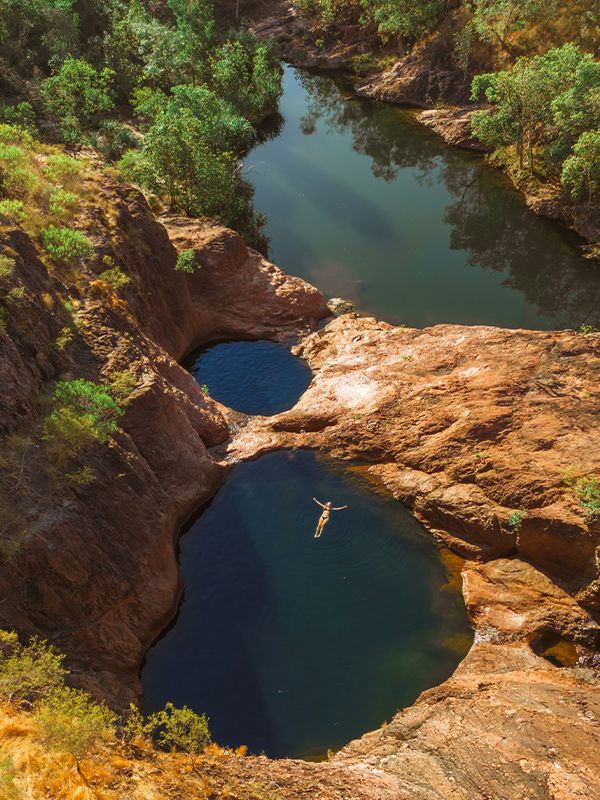
Don’t miss: The reason you come to Batchelor is for Litchfield National Park, particularly the “swimming at Florence and Wangi Falls," says Ben Hall.

7. Wurrumiyanga

Overall rank: 96/100 

Tiwi Country 
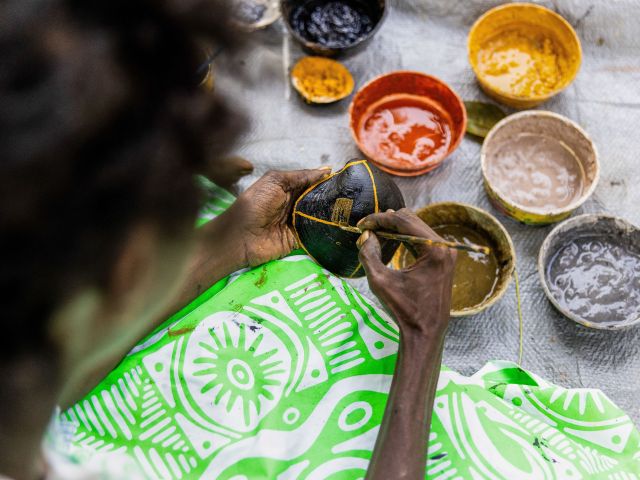
Wurrumiyanga
Wurrumiyanga is a vibrant masterpiece of Tiwi culture and community. (Credit: Tourism NT/Helen Orr)

Art, craft and culture flourishes in Wurrumiyanga on Bathurst Island, the largest Tiwi Islands community. You’ll find it in lacquered bowls, carved masks and printed fabrics, as well as the laughter spilling from community life where AFL reigns supreme. Panellist Ben Hall describes a visit as a “once-in-a-lifetime opportunity to visit a modern-day Aboriginal community." Beyond the village, the sea and sky stage exhibitions of their own: mangroves frame the tide, beaches double as Mother Nature’s art and electric sunsets demand applause. 

Don’t miss: The unique Ngaruwanajirri Art Centre. Known as the Keeping Place, or the Tiwi Sistine Chapel for its remarkable ceiling panels, this unique art centre provides a daily workspace for a small group of artists. Keen to explore more? Read our full Tiwi Islands guide.

This article is part of Australian Traveller’s 100 best Aussie towns to visit, as chosen by a panel of industry experts, well-known Aussies and travel insiders. See our full list of 100 best Aussie towns here and visit the special 100 best Aussie towns hub here.

Want to see more stories from Australian Traveller in your Google search results?

  1. Click here to set Australian Traveller as a preferred source.
  2. Tick the box next to "Australian Traveller". That's it.
hero media

Discovering East Arnhem: Australia’s most unique and rewarding corner

    Joanne Millares Joanne Millares

    Hard to reach and harder to forget, East Arnhem offers something rare in modern travel: the chance to slow down and experience Country on its own terms.

    The sky feels bigger in East Arnhem. It stretches wide and uninterrupted above rouged earth, stringybark woodland and beaches so empty they seem to belong to another era. The coastline curves for kilometres without a footprint and the horizon runs on forever.

    For comedian Lou Wall, the scale of the place was the first thing that hit them.

    “The sheer openness,” they say. “The sky feels infinite and the land stretches out endlessly. It’s pretty breathtaking visually.”

    But the physical landscape is only part of the story. The real reward isn’t only the scenery but the shift in perspective the journey brings. Visitors stop trying to tick off the destination and a real engagement takes over.

    “It made me never want to travel again,” Wall jokes. “In that I never wanted to leave East Arnhem.”

    Getting there

    Aerial shot of East Arnhem’s coastline as cars trace the curve of the shore.
    Sail along the remote coastline on an expedition cruise.

    Reaching East Arnhem is part of the adventure. Travellers typically fly into Gove Airport near Nhulunbuy via Darwin or Cairns, or arrive by expedition cruise along the remote coastline. Others make the journey overland along rutted dirt roads that cut through East Arnhem’s small pockets of monsoon forest.

    However you arrive, there’s a distinct feeling of crossing into somewhere different. Permits are required to visit the region, reflecting the fact that this is Yolŋu land where communities and traditional owners maintain deep cultural connections to Country.

    The extra planning becomes part of the experience. By the time visitors arrive, they understand they’re entering a place not just of respect, but also patience and curiosity.

    At one with nature

    East Arnhem’s  landscapes leave a strong imprint. For Wall, one place in particular still lingers in their memory: Ngalarrkpuy, also known as Lonely Beach, near Bawaka Homeland.

    “I genuinely felt like I was living inside an Instagram filter,” they say. “One of the most stunning feats of nature I’ve ever seen. The water was so clear I swear I could see even the fish smiling.”

    Across the region, natural experiences unfold at a slower pace. Fishing, beachcombing and island hopping reveal the rhythm of the coastline. The tides shape daily life and the vastness of the landscape makes even simple moments feel downright cinematic.

    For visitors with limited time, Wall says the Bawaka Homeland experience is unmissable.

    “I just left and I’m already planning when I can get back there.”

    The sense of remoteness is part of the appeal. In a country where many beaches are crowded and well-trodden, East Arnhem’s coastline still feels wonderfully wild.

    Immersing in local culture

    A visitor spends a meaningful moment alongside Yolŋu guides, gaining insight into their deep cultural knowledge and connection to the land.
    Experience authentic moments with the locals.

    Culture is woven through every experience in East Arnhem. Visitors have the opportunity to spend time on Country with Yolŋu guides and knowledge holders who share stories and traditions that have been passed down for generations.

    For Wall, one of the most powerful moments came during a conversation with a Yolŋu elder.

    “I got to meet a traditional elder, Mayalil, in Nhulunbuy,” they say. “Listening to her talk about her home made the land feel alive in ways I couldn’t have imagined.”

    The region is also home to internationally recognised Aboriginal art centres where artists shape works deeply connected to land and family knowledge.

    Music carries the same cultural energy. East Arnhem has produced globally recognised artists such as King Stingray and Baker Boy, blending Yolŋu language, storytelling and contemporary sound.

    Wall experienced this musical spirit first-hand.

    “A jam session around the fire was it for me,” they say. “Letting the deep joy and history of their music wash over me…  and meeting a few of the King Stingray musicians was unreal.”

    These moments of human connection often become the most memorable part of a visit.

    Spotting local wildlife

    An aerial view of the beach shows tiny figures lined up across the white sand, moving as if in a rhythmic dance.
    Step into a world where nature reigns.

    The wildlife of East Arnhem adds another layer to the experience. The region is home to an extraordinary range of animals, from waterbirds and turtles to dugongs, dolphins and the formidable saltwater crocodile.

    Wall admits they didn’t actually spot a croc during their visit.

    “Devastatingly, I didn’t see one,” they laugh. “But with all the stories from the locals I definitely gained a healthy respect for caution.”

    Some of the most memorable wildlife encounters can be surprisingly small., At Banubanu Beach Retreat on Bremer Island, Wall remembers walking along the beach one morning and watching it come alive.

    “As you walk through the sand you see hundreds of crabs scurrying into their holes as you pass by,” they say. “Such a small thing, but it was completely magical.”

    Moments like this reveal the quieter rhythms of East Arnhem, where even the smallest creatures seem to play a part in the landscape.

    Visitors who make the journey soon learn the most important travel tip of all.

    “Go in open-minded with a sense of curiosity,” Wall says. “Be prepared to ditch your plans. The land and the locals will guide you on an adventure no spreadsheets could ever compete with.”

    And most importantly, they add, don’t rush.

    “The land and people deserve your time and attention. You’ll be all the better for slowing down.”

    For more information on visiting East Arnhem, head to eastarnhem.com.au.