How families can spend a fun 7 or 14 days in the Red Centre

hero media
From exploring the base of Uluru to marvelling at the Devils Marbles, here’s a Red Centre itinerary the whole family can get excited about.

The Northern Territory is not a place to turn up and see what takes your fancy. It requires planning, which can be daunting for travelling families. To make it stress-free, here’s our awesome self-drive itinerary for a seven- or 14-day Red Centre adventure.

Alice Springs – Days 1 & 2

The best place to kick off your outback holiday is Alice Springs, the epicentre of the NT. Stroll through Todd Mall Markets, popping into the Aboriginal art galleries, souvenir shops and cafes. Parents and teenagers will enjoy learning about the town’s history at Alice Springs Telegraph Station, only four kilometres north of the CBD. Younger children, however, will get more of a kick out of catching a birds of prey show at Alice Springs Desert Park. The park also runs a great bush tucker program that’s bound to fascinate the whole family.


Don’t miss: Heading up high in a hot-air balloon for spectacular outback views.

Alice to Glen Helen – Day 3

132 kilometres
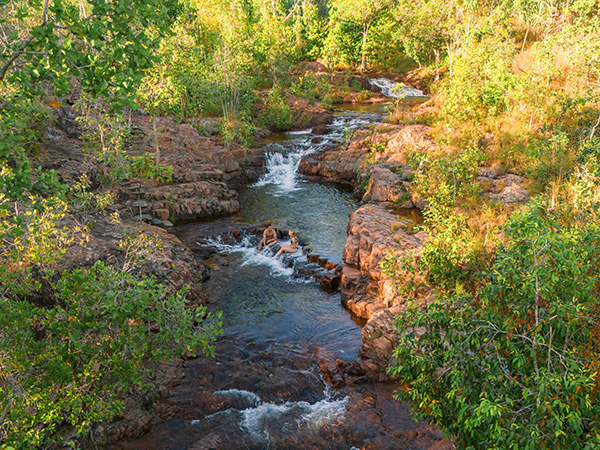
Northern Territory, Australia.
How’s the serenity? Breathtaking, really.

Start your journey along the Red Centre Way, a 1135-kilometre loop, by pointing your vehicle toward the majestic West MacDonnell National Park and the town of Glen Helen. The national park is riddled with walks, and young families will appreciate the easy Waterhole Walk, just five minutes and wheelchair-friendly, as well as the 20-minute (one way) Ghost Gum Lookout Walk. If you have a tiny tot, don’t forget to take a hiking backpack and high-energy treats to motivate little legs mid-scramble.


Don’t miss: Swimming in the near-permanent waterhole only 500 metres from the Walks Information Shelter.

Glen Helen to Kings Canyon – Day 4

234 kilometres


Also known as Watarrka National Park, Kings Canyon is a Red Centre must-visit. Spend the morning getting there and the afternoon chilling out in the pool at Kings Canyon Resort.


Don’t miss: Popping into the resort’s Thirsty Dingo Bar, where you’ll meet other travelling families and sing along to the live music.

Kings Canyon – Day 5

The Kings Canyon Rim Walk is the highlight of any stay here as it offers hikers stunning 360-degree views of the sandstone walls. It’s a six-kilometre trail, with 500 steep steps at the start, so most suited to active older families. If you’re keen to do a walk but want something easier, the 2.6-kilometre Kings Creek Hike is a better option.


Don’t miss: Sunrise from the rim, when the light paints the landscape with red and orange brush strokes.

Kings Canyon to Uluru – Day 6

300 kilometres
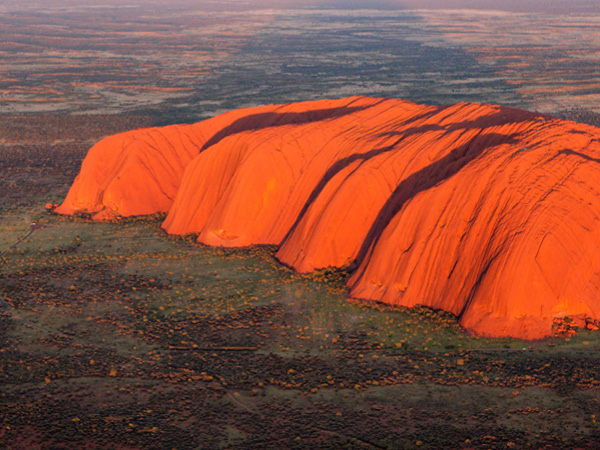
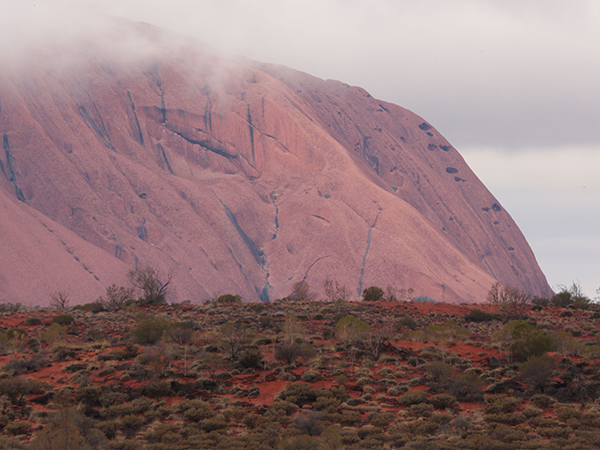
Uluru, Northern Territory.
A bird’s eye view of Uluru.

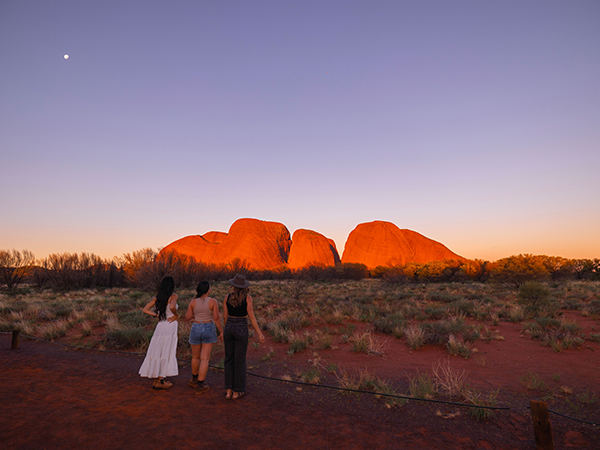
Nothing can prepare you for the first time you set eyes on the Northern Territory’s most impressive landmark – Uluru. This 348-metre-high monolith, with a 9.4km circumference, isn’t any old rock, but a sacred site to the Anangu Aboriginal people. After your long drive there, stretch your legs and view Uluru from a distance at Talinguru Nyakunytjaku lookout.


Don’t miss: At night-time, wow the entire family at the Field of Light Uluru art installation. Seeing 50,000 coloured solar lights illuminate the desert is a holiday experience you’ll remember for years.

Uluru – Day 7

Wake early and hop atop a dromedary for an iconic camel ride to Uluru. Plod across the ochre sand as the sun casts shadows down Uluru’s face and turns the sky shades of pomegranate, mandarin and lemon. Uluru Camel Tours’ sunrise excursion is suitable for children aged five and over. Afterwards, join a free ranger-guided Mala Walk (8am or 10am), during which you’ll learn about Aboriginal culture and rock art. It’s an easy two-kilometre (return) route and is wheelchair accessible. You can also take a Segway around the rock, a fun alternative for children 12 and over.


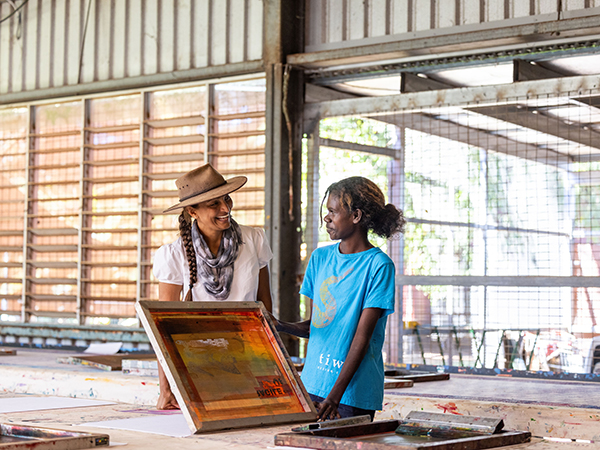
Don’t miss: A Maruku Arts dot-painting workshop held at Ayers Rock Resort or the Cultural Centre. It’s an experience that will enrichen your time while visiting Uluru and a fun activity for all ages.


*Note: You can no longer climb Uluru. The Anangu community has long since urged people to circumnavigate the rock on foot, rather than climb it due to its spiritual significance and for their own safety. To understand why and to help you plan your trip, check out 5 reasons the Uluru climbing ban makes total sense and 11 things to do in Uluru that aren’t climbing.

If you have 14 days…

Uluru to Kata Tjuta (return) – Day 8

59 kilometres


It’d be a shame to visit Uluru and not make the extra effort to see Kata Tjuta , 36 rock domes that rise out of the desert. Also called the Olgas, it’s a fascinating formation big and little hikers will love. Older families may be keen to tackle the 7.4-kilometre Valley of the Winds walk, while those with young kids can amble to Karu Lookout (2.2-kilometre return).


Don’t miss: The Cultural Centre while exploring Uluru-Kata Tjuta National Park to learn more about the cultural history of the area.

Uluru to Rainbow Valley – Day 9

405 kilometres


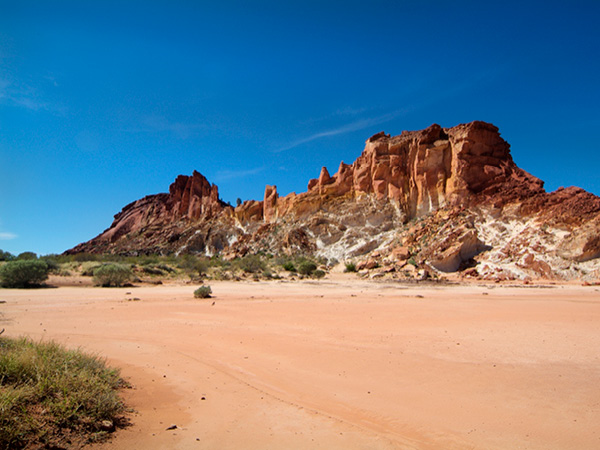
Marvel at the colourful sandstone cliffs that give this little-known valley its name. Arrive in the afternoon when the softening sunlight brings out the purple, red and orange shades in the bands of stone. Rainbow Valley Conservation Reserve has two campgrounds. If you need a hotel, you’ll have to push on to Alice Springs, about three hours’ drive to the north.


Don’t miss: Mushroom Rock, which has been sculpted by the weather over millennia.

Rainbow Valley to Alice – Day 10

100 kilometres


It may not seem far on the map, but a mix of unsealed and sealed roads means you still have some ground to cover before returning to Alice. Once you arrive, give yourself some downtime by wandering the quirky National Road Transport Hall of Fame. Expect to be gobsmacked by the rows of number plates climbing to the ceiling, the truck museum and other motoring relics.


Don’t miss: Bertha, the restored road train.

Alice to the Devils Marbles – Days 11 & 12

400 kilometres
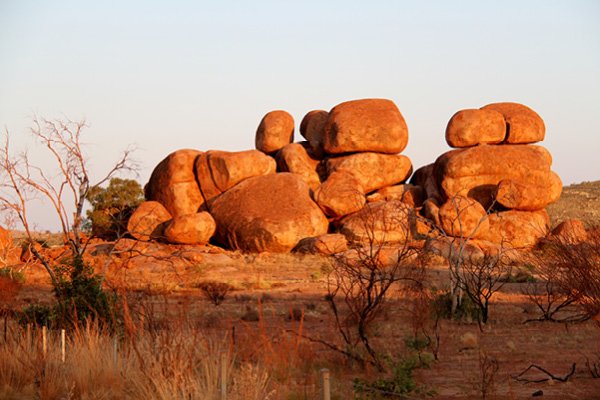
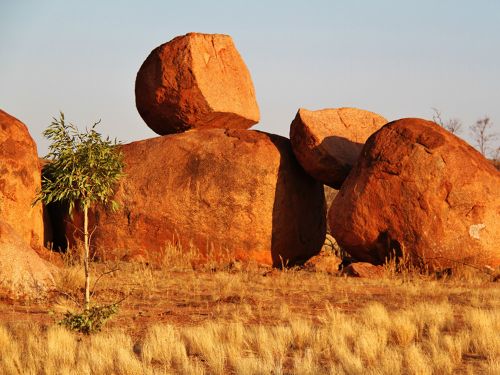
The Devils Marbles are huge granite boulders scattered across a wide, shallow valley, 100 kilometers south of Tennant Creek in the Northern Territory.

Slicing north from Alice Springs (where the Red Centre Way ends), head along the Stuart Highway to another of the NT’s impressive geological features, Karlu Karlu, or the Devils Marbles. These giant rocks appear to be balancing precariously atop one another and will be a highlight for any snap-happy photographers in the family. As Georgia Rickard writes: “To wander through here is to wander through the happenstance of an Alice in Wonderland narrative, where half-broken boulders lie, scattered, as if dropped from a careless child’s pocket as she skipped across the sky."


Don’t miss: Seeing the Marbles at night; they’re magical. To do so, stay at Devils Marbles Hotel (formerly Wauchope Hotel), eight kilometres south.

Karlu Karlu to Tennant Creek – Day 13

100 kilometres
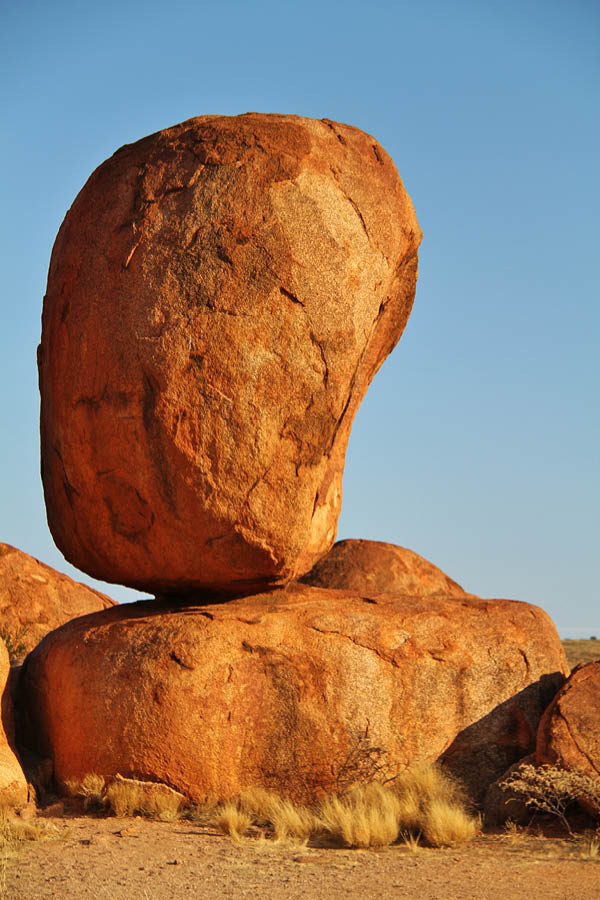
Devils Marbles, Northern Territory.
Devils Marbles: they’ll get your attention every time.

Return to Karlu Karlu for sunrise before heading to Tennant Creek , the location of Australia’s last gold rush in the 1930s. Give the kids a fun history lesson by signing up for an underground tour at Battery Hill Mining Centre, a quirky little museum.


Don’t miss:  The Nyinkka Nyunyu Art and Culture Centre located on the main street of Tennant Creek.

Tennant Creek to Alice – Day 14

500 kilometres


It’s time to say farewell to the Red Centre and return your hire vehicle to Alice Springs. Along the way, call into the strange outpost of Wycliffe Well, not far from Karlu Karlu. Considered the UFO capital of Australia, parents and kids will get a thrill out of the alien-themed roadhouse.


*If you don’t want to drive, there are a large number of companies that offer Red Centre tours, including G Adventures and AAT Kings .


For more information on the Red Centre with kids & things to do in the NT, visit the official Northern Territory website at northernterritory.com

Jennifer Ennion
Jennifer Ennion is a freelance travel and ski journalist who loves encouraging people to spend more time outdoors. From snorkelling with belugas in sub-Arctic Canada to hiking the Himalayas, Jennifer is constantly searching for stories that inspire readers to push their boundaries.
See all articles
hero media

8 Red Centre locations to explore after seeing the new movie, Kangaroo

Spend a few days visiting the real-life Central Australian locations that inspired the new film everyone is talking about, and discover why Alice Springs is such an important part of Australian culture.

In the credits of the new Australian film Kangaroo , the first name under ‘cast’ should read ‘The Northern Territory ’. Not only is Alice Springs (and the surrounding landscape) integral to the movie itself, but the spiritual heart of Australia and its local Indigenous owners also inform the look and feel of every frame, explains Producer Trisha Morton-Thomas of Brindle Films, who also plays Charlie’s grandmother Gwennie.

“By setting Kangaroo in Alice Springs (Mparntwe), the film embraces how visible Aboriginal people are here, and the living Aboriginal culture that is woven through this community,” she explains.

still from kangarro film
See Kangaroo, then visit the real-life filming locations.

And while shooting in such a sacred part of the Northern Territory required extra planning, it was something the cast and crew were highly invested in.

“There are incredibly significant sacred sites and places of deep cultural stories in the area, that at times are very gender-specific, which we’ve kept out of the production,” she explains. “Even if overhead drone footage captures a sacred site that isn’t meant to be seen by other people outside of that clan, we’ve made sure to omit it from the film.”

If Kangaroo piqued your interest in a Central Australian holiday, we don’t blame you. Read on to discover eight places featured in the movie that you can visit in real life – and get planning. Don’t forget to pack sunscreen and a hat.

1. Alice Springs/ Mparntwe

artist at Many Hands Art Centre
Visit the galleries of Alice Springs, like Many Hands Art Centre. (Image: Tourism NT/ Helen Orr/ Many Hands Art Centre)

The red and dusty streets of the film’s fictional town of Silvergum were filmed on the outskirts of Alice Springs. And, while the art gallery featured in the film is fictional, Alice Springs is a hub of creativity. See the work of local artists at the Araluen Art Centre , Yubu Napa Art Gallery , Iltja Ntjarra (Many Hands) Art Centre and the famous Tjanpi Desert Weavers .

2. The Kangaroo Sanctuary & Kangaroo Rescue Centre

The Kangaroo Sanctuary Alice Springs, the inspiration for the Kangaroo move
Visit the movie’s inspiration at Kangaroo Sanctuary. (Image: Tourism NT/ Kangaroo Sanctuary)

Kangaroo was inspired by the journey of Chris ‘Brolga’ Barns, who founded the now world-renowned Kangaroo Sanctuary based in Alice Springs. For lead actor, Aussie Ryan Corr, the animals were central to the movie, alongside the landscapes.

“The animals in this story were a real calling point for me,” he explains. “What this story tries to tell us about the connection between humans and animals is beautiful.”

To gain a real insight into the fauna and flora of the Red Centre, you can visit the Kangaroo Sanctuary on a sunset tour, where you might even get the chance to hold a baby kangaroo.

3. Ormiston Gorge

woman walking along the edge of Ormiston Gorge near alice springs
Take a dip in Ormiston Gorge. (Image: Tourism NT/ @domandjesso)

The film captures the raw beauty of the West MacDonnell Ranges, known in the Arrernte language as Tjoritja. This national park is rich in Indigenous culture and stark geological wonders.

Only a 15-minute drive from Alice Springs, Tjoritja offers visitors the chance to camp, hike and swim among ancient landscapes (most attractions are less than a three-hour drive away).

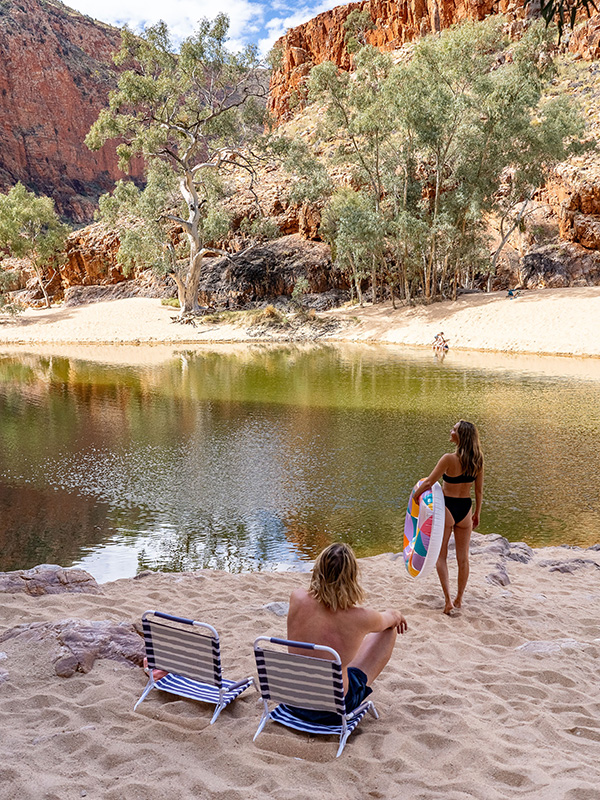
Ormiston Gorge , a cooling oasis in among the red desert sands, is one of the most popular destinations, no doubt because of the permanent swimming hole and towering red cliffs. From here, visitors can also embark on the beautiful Ormiston Pound Walk and the shorter – more accessible – Ghost Gum Walk. Bring your bathers – it’s safe for swimming.

4. Standley Chasm

woman walking through Standley Chasm near alice springs
Wander through Standley Chasm. (Image: Tourism NT)

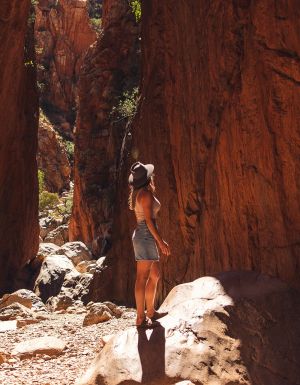
The 1.2-kilometre walk to nearby Standley Chasm will be a highlight for any visitor as the imposing 40 metre-high chasm walls project strength and ancient wisdom.

Visit at midday to experience the path illumined by the midday sun. Not only will you fill your camera roll with vibrant red images of the gorge and its intoxicating shadows, but you can also camp nearby in a powered or unpowered site so you can watch the brilliance of the desert stars fill the night sky after dusk.

5. Simpsons Gap

three people walking on path through simpsons gap near alice springs
Walk the trails of Simpson’s Gap. (Image: Tourism NT/ Helen Orr)

Closer to Alice Springs, the photogenic Simpsons Gap is the perfect place to spot the endangered Black-footed Rock wallaby near the permanent watering hole. While swimming isn’t permitted, soaking up the sun and views certainly is.

Explore the area’s numerous walking trails, appreciate the soaring cliffs on either side of the ‘gap’ and pick out the shooting locations of Kangaroo in the area.

6. Ellery Creek Big Hole

aerial of Ellery Creek Big Hole near alice springs
Dive into Ellery Creek Big Hole. (Image: Tourism NT/ Tourism Australia)

When it comes to classic Northern Territory landscapes, you can’t go past Ellery Creek Big Hole/ Udepata : tall gum trees sidling up to a refreshing watering hole (fed by the West MacDonnell Ranges and surrounded by rugged red cliffs.

Swim in the cooling waters, hike the cliff tops, watch for birds and even stargaze as you camp here overnight. It’s locations like this that attracted the film’s director Kate Woods to the project.

“It humbles you to be in this environment: it’s so beautiful, so old and so vast,” she explains. “I was thrilled to get a chance to … shoot such a beautiful story in the incredible landscape of the Northern Territory.”

7. Larapinta Drive

aerial of Larapinta Drive into alice springs
Drive along Larapinta Drive. (Image: Tourism NT)

There is no better way to get a feel for how the characters arrived at the fictional Central Australian town of Silvergum than to travel along the iconic state road, Larapinta Drive.

Connecting Alice Springs to the mighty King’s Canyon in the west, via the historic community of Hermannsburg, this road takes in the West MacDonnell National Park, Alice Springs Desert Park and artist Albert Namatjira’s house, among other attractions. Take your time, bring a camera and prepare for numerous stops along the way.

8. Todd River

competitors in Henley on Todd Regatta, alice springs
Join in the fun of the quirky Henley on Todd Regatta. (Image: Tourism NT/ TImparja Creative)

Meandering through Alice Springs like a lazy Western Brown snake, the Todd River is a central part of Alice Springs culture. Known as an ‘intermittent river’, the Todd can go from a dry dusty riverbed to a flowing waterscape in less than 15 minutes after heavy rainfall.

When it’s dry, the famous Henley on Todd Regatta fills the sandy riverbed with handmade ‘boats’ carried by sailors. This is the world’s only dry river boating event, and it’s referenced in the ‘Silvergum Boat Race’ in the movie. Inspired by the real-life event, the characters built quirky “Flintstones-style boats” and competed in teams.

See Kangaroo in cinemas now, and start planning your NT getaway at northernterritory.com.