This is the western half of the Savannah Way, if you are considering doing it all, then you will also need our itinerary and guide to the eastern half, Cairns to Darwin.
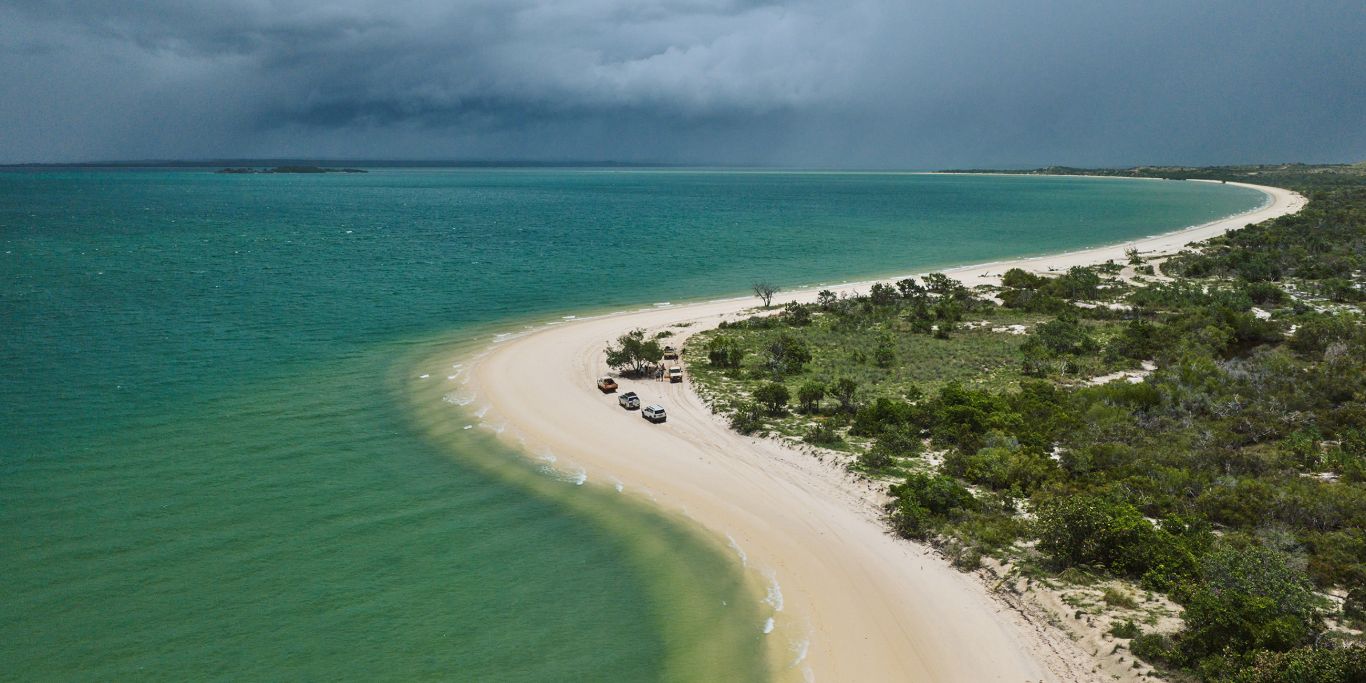
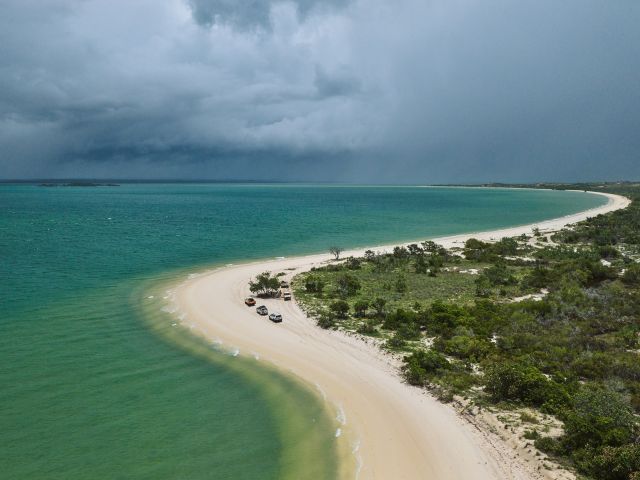
Starting in the country’s tropical Top End, this epic 2,000-kilometre Darwin to Broome road trip cuts through the vast wilderness of The Kimberley along the legendary Gibb River Road and ends in a pearling town where the desert meets the sea.
Here is your 10-day Darwin to Broome road trip itinerary covering the where, what and how.
Day one: Darwin to Nitmiluk National Park
After leaving the tropical city of Darwin, head south for three hours along the Stuart Highway towards Katherine, through the historic townships of Adelaide River and Pine Creek. Before hitting “K-Town", as it’s affectionally known, stop in for a dip at the pandanus-fringed Leliyn (Edith Falls) on Nitmiluk National Park’s west side.
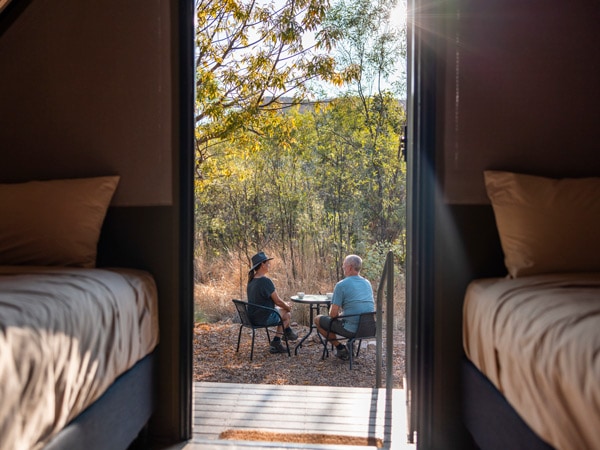
Refreshed, drive another hour down the track to Katherine and onto Nitmiluk National Park, which has powered sites, cabins, and permanent tents.
Must-see
1. Litchfield National Park
The key attraction between Darwin and Pine Creek is Litchfield National Park, where you can swim in waterfalls such as Florence Falls, Tolmer Falls and Wangi Falls.
2. Pine Creek
Stop in this awesome little town for a dose of history, unusual buildings and memories of the old railway and telegraph line.
3. Edith Falls (Leliyn)
Dust yourself off from the drive before you reach Katherine with a swim at gorgeous Leliyn in Nitmiluk National Park, 60 kilometres north of K-Town.
Accommodation tip: Cicada Lodge
Day two: Nitmiluk National Park
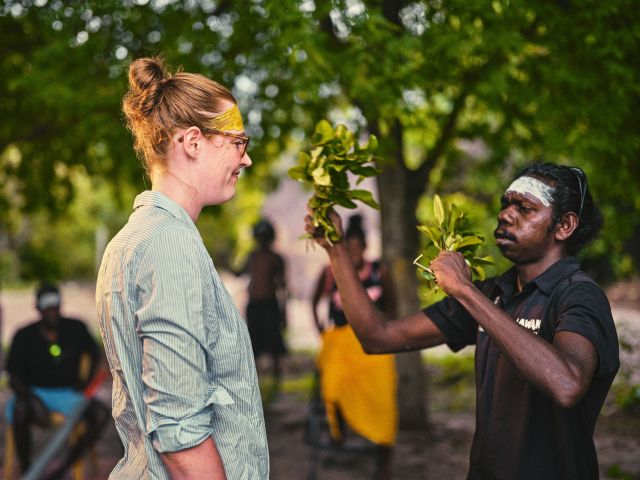
Spend the day exploring Nitmiluk National Park, home to 13 dramatic gorges that rise up from Katherine River. Join a scenic cruise, swim at rock pools and waterfalls, hire a canoe to paddle the gorges, take a helicopter flight to see the landscape from above, or join a local Indigenous guide for a presentation on Jawoyn culture.
Make the drive one hour south of Katherine before the day’s out to the tiny town of Mataranka. Renowned for its sandy-bottom thermal pool, Mataranka was made famous by the novel We of the Never Never, which is about the nearby Elsey Station.
Must-see
1. Top Didj
Learn about fire-starting with sticks, spear throwing and painting with Aboriginal artist Manuel Pamkal, who shares his cultural insight on his tours at Top Didj.
2. Canoe at Nitmiluk Gorge
Hire a canoe from the visitors’ centre in Nitmiluk National Park and cruise at your own pace – you should reach the third gorge in a day.
Accommodation tip: Mataranka Homestead
Day three: Katherine to Lake Argyle
The drive into Western Australia will take most of the day via the Victoria Highway so get an early start and make sure you’re well-prepared for the drive with plenty of petrol and water. Stop at Timber Creek (two hours before the NT-WA border) for lunch and stretch your legs on the town’s two-kilometre Heritage Trail.
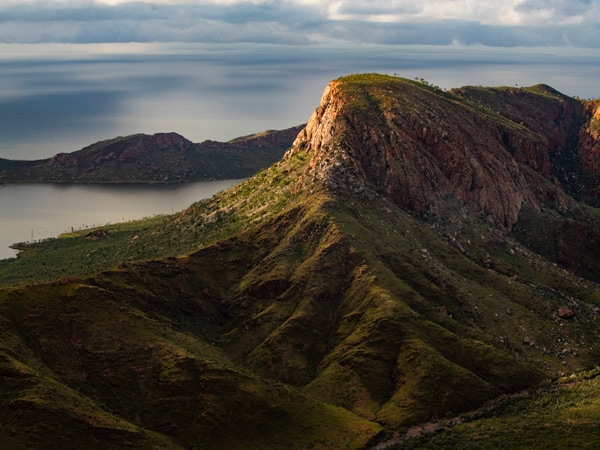
Strict quarantine laws mean you can’t carry any fresh food with you over the border, so stop at Kununurra, the first major town in Western Australia, to stock up on any supplies.
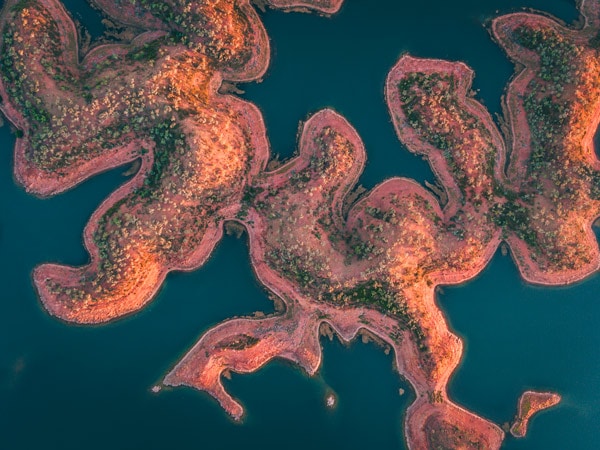
Farewell the Northern Territory and head across the border, making a beeline for Lake Argyle, 75 kilometres south of Kununurra.
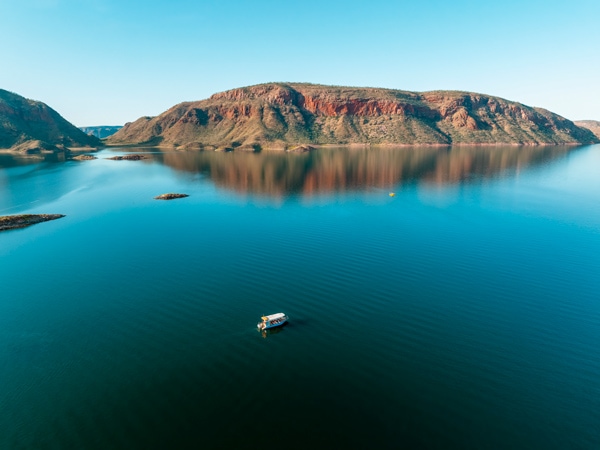
It’s not often you get the phrases ‘caravan park’ and ‘world-class pool’ in one sentence, but Discovery Parks – Lake Argyle hits the mark with its infinity pool. With views across Lake Argyle, this paradise is one of the Kimberley’s most Instagrammed.
Must-see
1. Keep River National Park
Just before the NT – WA border, you’ll find Keep River National Park, home to ancient Aboriginal rock art and Bungle Bungle-like sandstone structures.
2. Argyle Homestead Museum
Step back in time at the fascinating Argyle Homestead Museum, where you can walk through the 1890s home of the famous Durack family.
Accommodation tip: Discovery Parks – Lake Argyle
Need tips, more detail or itinerary ideas tailored to you? Ask AT.
AI Prompt
Day four: Purnululu National Park
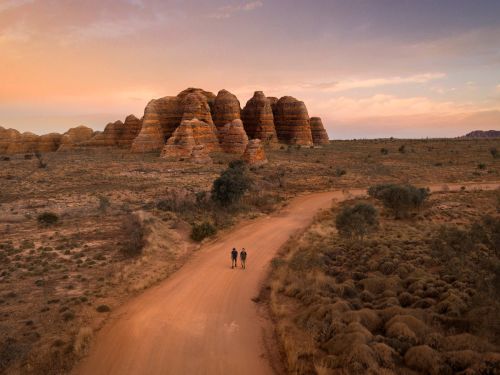
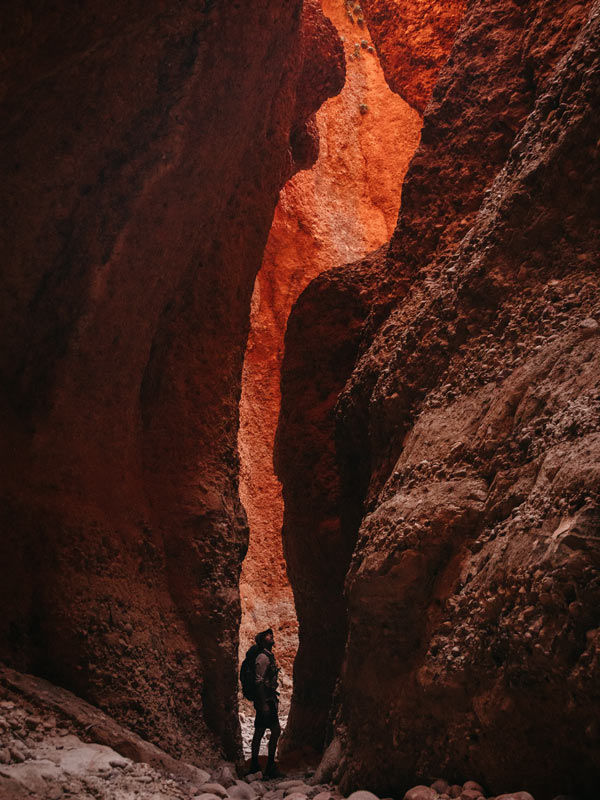
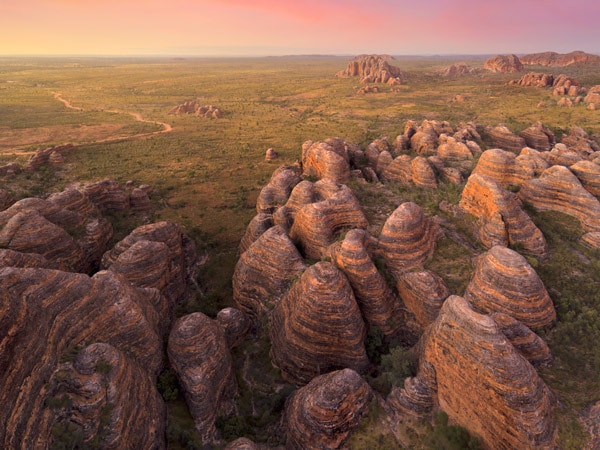
Continue on to Purnululu National Park, home to the fascinating Bungle Bungle Range, a maze of orange and black-striped sandstone domes.
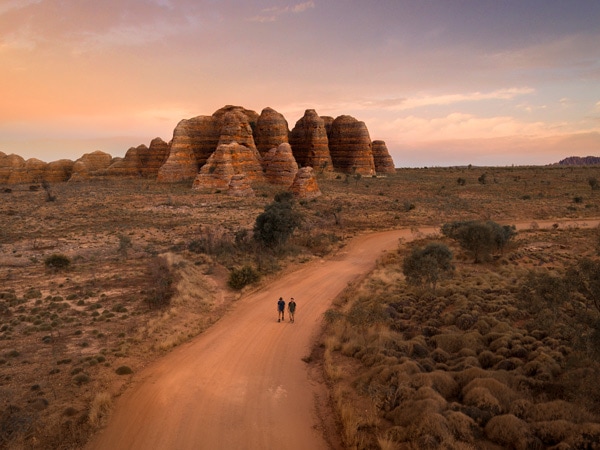
Hike through the Bungle Bungles, marvel at the acoustics of Cathedral Gorge and wander through the narrow red walls of Echidna Chasm.
Must-see
1. Fly over Purnululu National Park
Take to the skies on a scenic flight and pass over the domes and Piccaninny Gorge, where the ochre escarpment abruptly ends, plunging hundreds of metres down to a lush green floor.
Accommodation tip: Bungle Bungle Caravan Park
Day five and six: El Questro Station
Head north to El Questro Station this morning, a 283,000-hectare property that was a former cattle station in the heart of the Kimberley, located on the legendary Gibb River Rd.
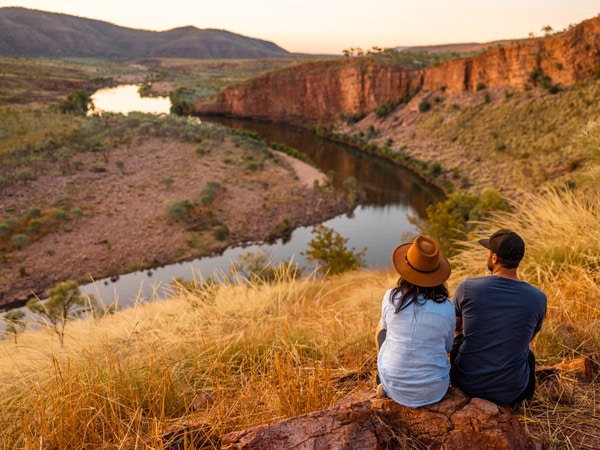
El Questro Station, 11 kilometres from Kununurra, is synonymous with just about every Aussie adventurer’s bucket list.
This vast cattle station turned tourism venture, is peppered with boabs, spinifex plains, river as wild as the crocodiles that inhabit them, and gorges so perfectly shaded with palms you’d think a landscaper has been at work.
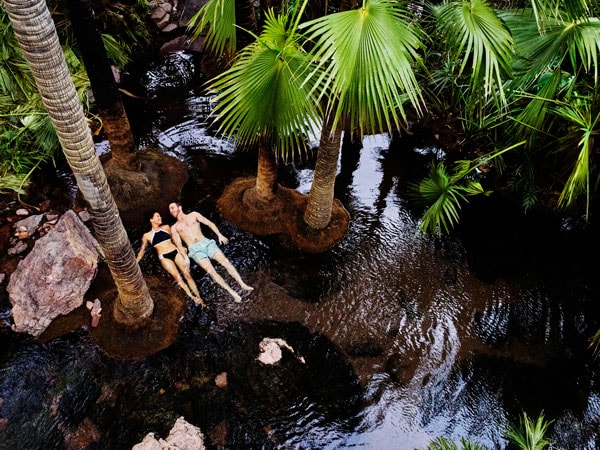
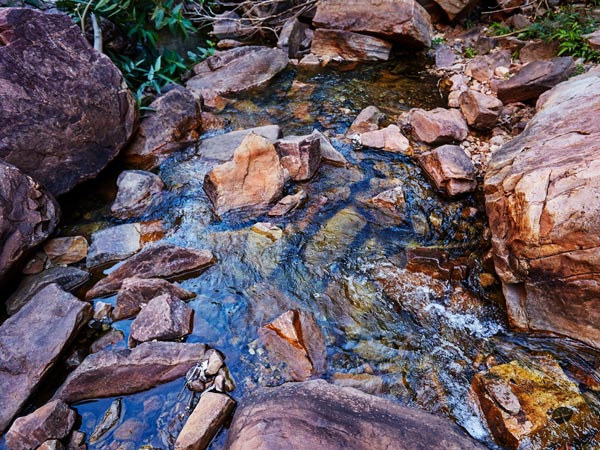
Join a cruise to Chamberlain Gorge, relax in the thermal pools of Zebedee Springs, take a trek to Emma Gorge or even take a dip in remote waterholes only accessible by helicopter.
Must-see
1. Horse trek at El Questro
Take a two-hour ride from El Questro Station to get even more off the beaten track and experience otherwise inaccessible areas on horseback.
2. Swim at Emma Gorge
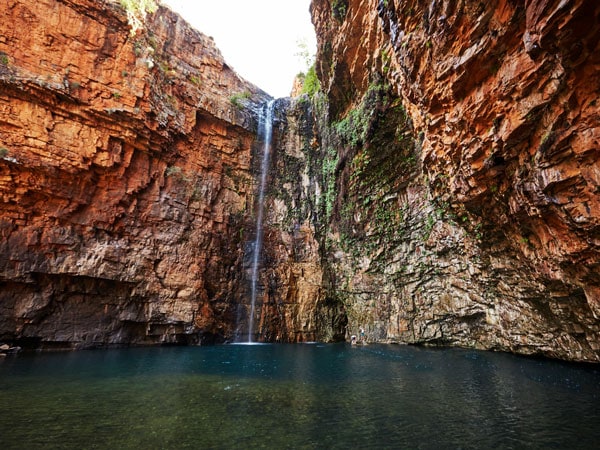
Take the challenging walk to Emma Gorge – one of the best known and spectacular gorges of the Kimberley.
Accommodation tip: El Questro Homestead
Day seven: Ellenbrae Station
Top up on petrol and supplies before leaving El Questro and head west along the Gibb River Road, stopping at the Cockburn Ranges Lookout for a spectacular view of the 600-metre-high sandstone escarpment.
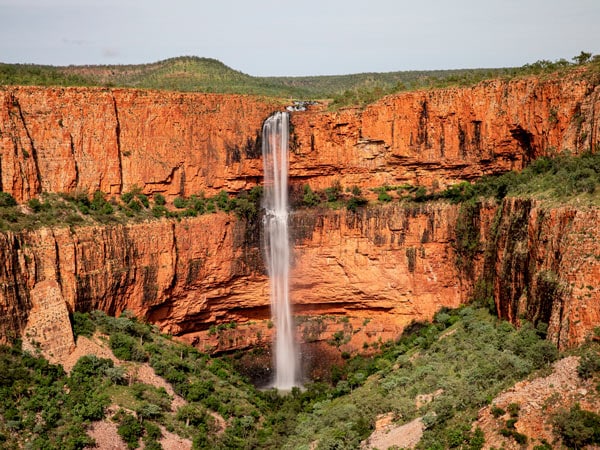
Stop in at Ellenbrae Station, a 400-hectare station for a dip in the swimming holes or to try one of their famous scones. Continue west along the rugged Gibb River Road towards Mount Barnett Roadhouse, the entrance point for Manning Gorge and a great spot for supplies and petrol.
Must-see
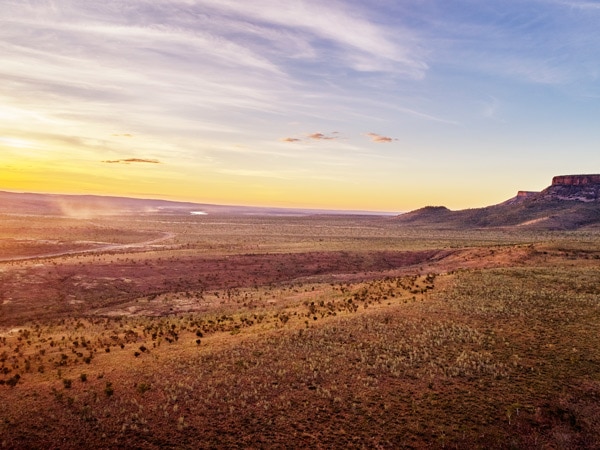
1. Cockburn Ranges Lookout
Walk the 1.8-kilometre loop from the front gate at Home Valley Station on Balanggarra country to catch the great views of the Cockburn Ranges and the meteorite crater.
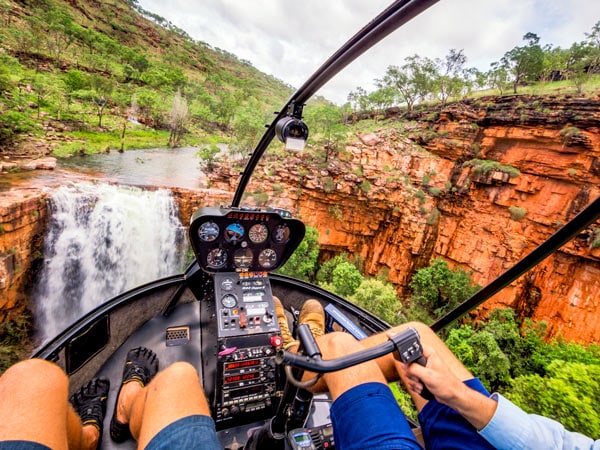
2. Ellenbrae baths
Wash away the Gibb River Road dust and soak in a tub at Ellenbrae Station, which you can hire for one-hour sessions. You can also add a grazing platter to the experience.
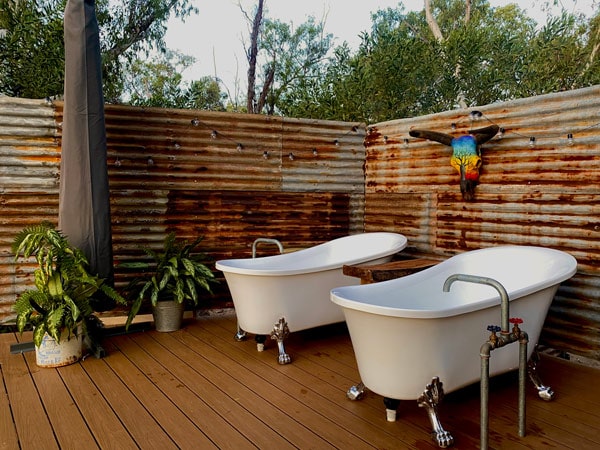
Accommodation tip: Ellenbrae Station
Weekly travel news, experiences
insider tips, offers, and more.
Day eight: Manning Gorge
On the grounds of Mt Barnett Station, take the three-kilometre trail from the campsite to the top of Manning Gorge. The trail includes a swim across the Manning River (or you can take the rope-guide with floats to ferry your belongings) and has views out to the ranges and savannah woodland. The gorge has several waterfall-fed pools, which are perfect for swimming and rock hopping.
Must-see
1. Adcock Gorge
From Mt Barnett Roadhouse it’s 34 kilometres to Adcock Gorge, a picturesque swimming spot on Mt House station.
Accommodation tip: Manning Gorge
Day nine: Bandilngan (Windjana Gorge) National Park
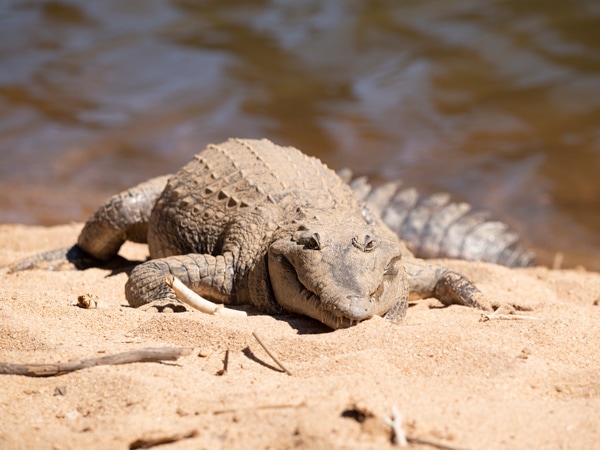
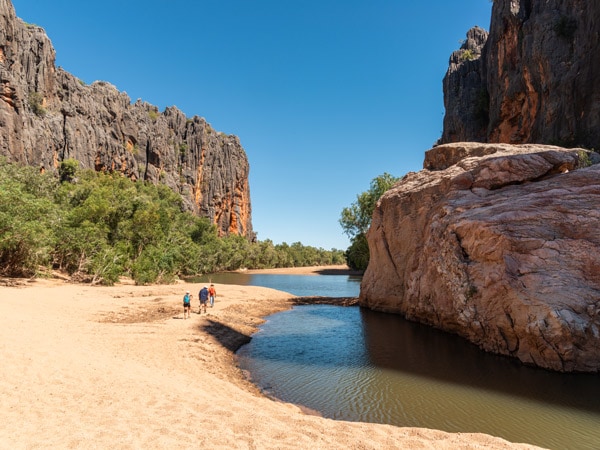
Rise early and fuel up for the drive to Windjana Gorge, where you’ll stay the night at the large campground. Spend the afternoon exploring the 3.5-kilometre gorge, which was once the bottom of a tropical sea. Fossilised remnants are visible in its limestone walls. At its centre, the Lennard River is home to a huge concentration of freshwater crocodiles, so stay safe and don’t go in the water.
Must-see
1. Gorge Walk Trail
Take plenty of water and set off on the Gorge Walk Trail, which winds through Windjana Gorge for 3.5 kilometres each way.
2. Time Walk Trail
Discover the marine life forms fossilized within the limestone of the walls of Windjana Gorge.
Accommodation tip: Windjana Gorge Campground
Day 10: Broome via Derby
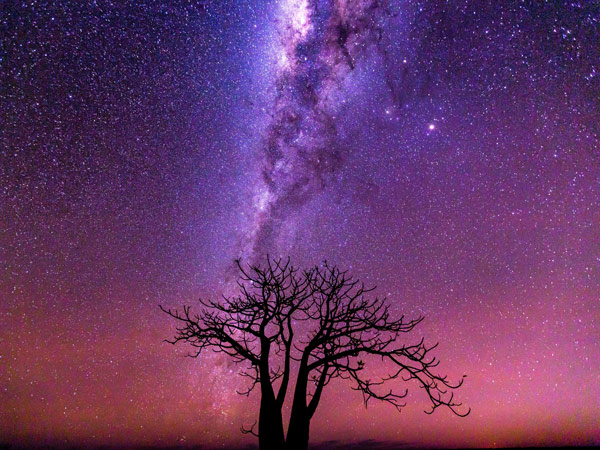
You’re on the final stretch! The Gibb River Road ends in the small town of Derby today, located on the edge of King Sound, its streets lined with boab trees.
For those wanting to see the famous Horizontal Falls, stay overnight in Derby and join a day tour to this natural wonder. If you want to stay longer at the Horizontal Falls, book a night on the vessel Jetwave Pearl, which offers luxury rooms for a maximum of 20 guests.
After a break in Derby, continue along the Great Northern Highway to Broome. This small multicultural pearling town is where the desert meets the sea and your final destination on this epic outback road trip.
Must-see
1. Mowanjum Arts
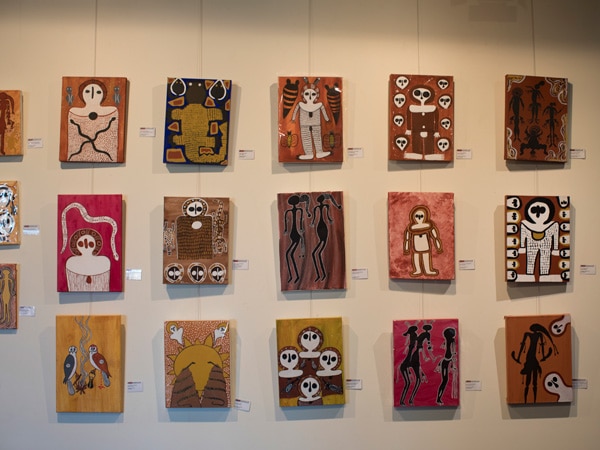
In the Mowanjum community art centre near Derby, visitors can view and purchase artworks by custodians of Wandjina law and iconography from the Worrorra, Ngarinyin and Wunumbal tribes.
2. Boab Prison Tree
One of the finest examples of a Kimberley boab tree is the Boab Prison Tree found just 6km south of Derby.
Accommodation tip: Birdwood Downs Station
Important information
Distances on this Darwin to Broome road trip are approximate. The best time to travel is in the dry season, from May to September. Check seasonal information before travelling.
Many sections of this Darwin to Broome road trip are suitable for 4WDs only – don’t attempt it in a 2WD.
Be sure to fuel up your car regularly as petrol stations are few and far between, particularly on the Gibb River Road. Carry a couple of jerry cans with you just in case.
Always carry ample water; around five litres per traveller is recommended.
While you should have phone reception in most major towns, other areas of this road trip will have sketchy connections. A satellite phone is recommended.
Consider hiring a campervan if you’d prefer to be more flexible with your itinerary.
For more information read our survival guide on driving in the outback and this story on driving in the NT.
Original article written by Megan Arkinstall, updates by Leah McLennan.
Want to see more stories from Australian Traveller in your Google search results?
- Click here to set Australian Traveller as a preferred source.
- Tick the box next to "Australian Traveller". That's it.