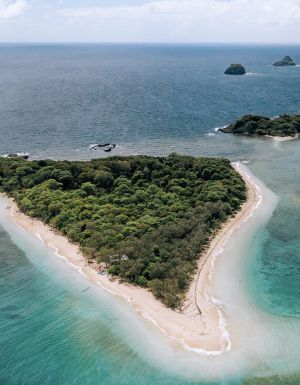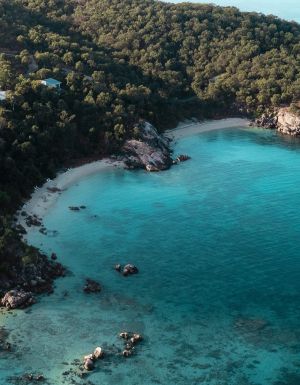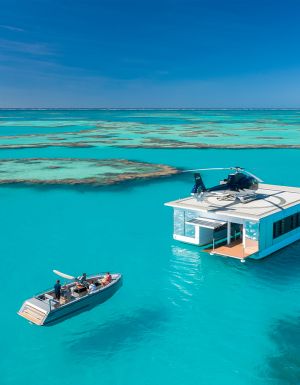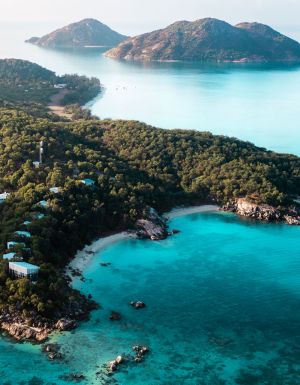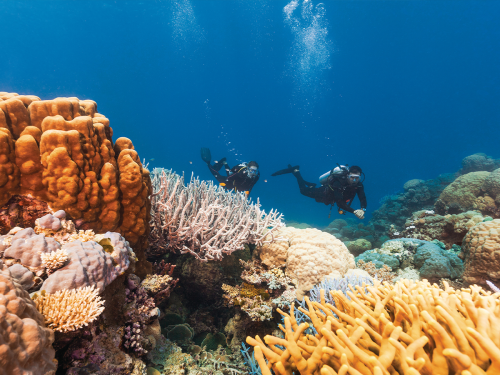
Immerse yourself in under-the-sea wonderment with our guide to precisely where to dive and snorkel on the Great Barrier Reef.
One of the seven wonders of the natural world, the Great Barrier Reef is an otherworldly playground for wide-eyed exploration. The largest coral reef system on the planet, it measures in at more than 348,000 square kilometres, a breathtaking labyrinth of caves, caverns, pinnacles, ethereal monuments, boulders, vivid coral and, of course, marine life, just off the northeastern coast of Queensland. But while the delicate ecosystem can be accessed from various points across the state, knowing exactly where to dive and snorkel the Great Barrier Reef is going to showcase the most astonishing sights.
Spanning remote islands and ancient shipwrecks to famed bays, our guide to the best spots is here to elevate your next underwater expedition.
1. Agincourt Reef
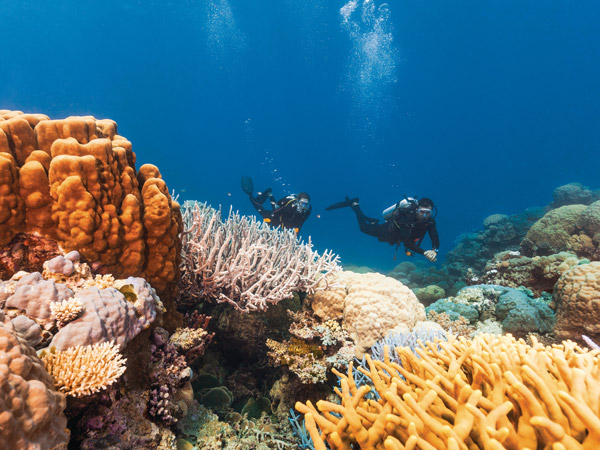
What it offers: 16 unique dive sites, caves, vibrant fish life and a mammoth wall dive.
Getting there: High-speed boats from Port Douglas depart frequently, and it’s a 90-minute ride each way.
While more than a dozen individual dive sites will keep water babies busy for days, Agincourt Reef’s main sites offer the stuff of dreams. Located about 65 kilometres northeast of Port Douglas, Agincourt Reef’s Barracuda Bommie (one guess what you’ll spy there), Castle Rock, The Channels (filled with swimmable tunnels), and The Chapel are hugely popular. Agincourt itself sits within the Ribbon Reefs – more on that wider Great Barrier Reef non-negotiable just below – but given this single location’s diverse appeal, it deserves a mention entirely of its own. Ask your guide to point you in the direction of Blue Wonder, too, a wall dive that travels more than 40 metres below the surface.
2. Lady Elliot Island
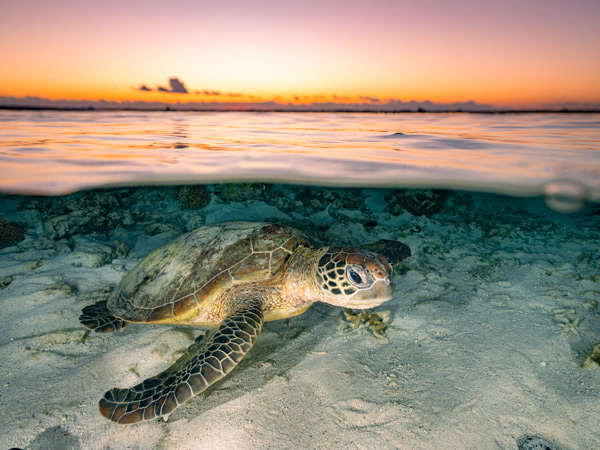
What it offers: Easy snorkelling and diving access, day-trip proximity from Brisbane, Hervey Bay, the Gold Coast and Bundaberg, marine-life encounters.
Getting there: Lady Elliot Island is roughly 90 km north-east of Bundaberg, accessible by air.
Located on the southern tip of the Great Barrier Reef, Lady Elliot Island is a haven for those in search of the majestic manta ray. For those who make the journey via a chartered flight from the mainland, a snorkelling or diving encounter with one of the gentle giants is most definitely on the cards. Just make sure you time your visit right – stick to the winter months when they flock to the island in search of cooler water temperatures. Additionally, the coral edges on the island’s western side offer the opportunity to swim alongside dolphins and turtles, with coral gardens visible from the moment you step off the beach. Need more convincing? Excellent year-round water visibility also makes this spot popular amongst families (easy snorkelling), while affordable accommodation at Lady Elliot Island Eco Resort (especially compared to other Great Barrier Reef islands) helps seal the deal.
3. Ribbon Reefs
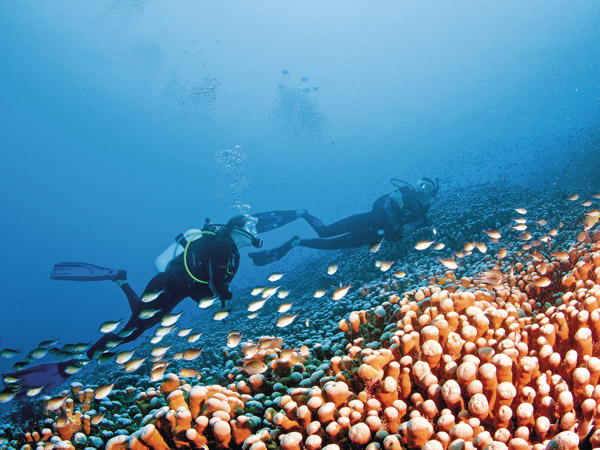
What it offers: Brightly coloured anemones, the famed Clam Gardens, diverse marine life and crystal-clear conditions.
Getting there: The Ribbon Reefs consist of 10 individual reefs (including Agincourt, outlined above), accessible via a boat trip from Cairns or Port Douglas.
Beginning north of Cairns, and finishing east of Lizard Island, the Ribbon Reefs fringe along a 200-kilometre stretch of the Great Barrier Reef. They are relatively isolated and support a huge range of biodiversity, so a trip anywhere along here will reward you with the likes of huge plate corals, delicate anemones, channels, caves, clams, canyons and shallow coral gardens. It’s just about the clearest portion of the Great Barrier Reef to marvel at. Visitors also choose this place for the famous Cod Hole dive site, home to the massive and friendly potato cod – yet another once-in-a-lifetime photo opp in this neck of the woods. Don’t miss the Clam Gardens dive site, too, where soft corals, a vibrant mecca of fish and, of course, giant clams can be explored.
Need tips, more detail or itinerary ideas tailored to you? Ask AT.
AI Prompt
4. Milln Reef
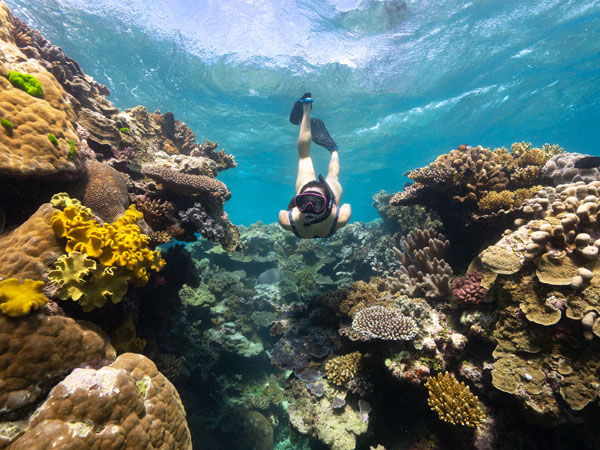
What it offers: Great beginner diving conditions, high visibility levels on the outer reef, night diving.
Getting there: Day boat tours depart regularly from Cairns and take about 1.5 hours each way.
Boasting a collection of unique dive sites, each varying in scale and opportunity, Milln Reef’s clear, turquoise waters offer a relaxed entry point to the Great Barrier Reef. It’s about 56 kilometres southeast of Cairns and renowned as one of Cairn’s best dive sites. Navigate both shallow and deep dive opportunities, with depths varying from 10 to 20 metres depending on where you drop off. Its Whale Bommie dive site, found in Milln Reef’s Three Sisters cluster on the western side, is the pick for night dives with depths flowing deeper than 20 metres and sea turtles, lobsters, crabs, soft coral and black coral waiting to be discovered.
5. Lizard Island
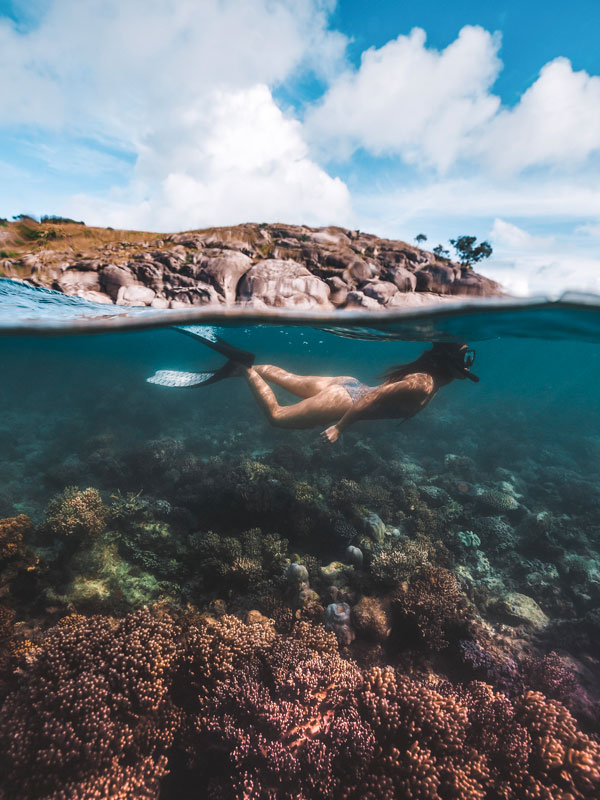
What it offers: Excellent walk-in beach snorkelling, good access to Cod Hole
Getting there: Chartered flights regularly depart from Cairns and last about an hour each way.
Lizard Island is primarily an island national park, covering 1013 hectares in total. Completely isolated from the rest of the world, it offers one of the Great Barrier Reef’s most northern dive points, plus there are private white-sand beaches and easy snorkelling to help fill your days. More than 150 species of corals and an abundance of marine life can be found in the surrounding waters, while the fringing reef is typically colourful, healthy and vibrant. Divers can reach the likes of Cod Hole and the rest of the Ribbon Reefs via a short boat trip organised by the team behind Lizard Island’s luxurious accommodation offerings, making an overnight stay all too enticing.
6. Hayman Island
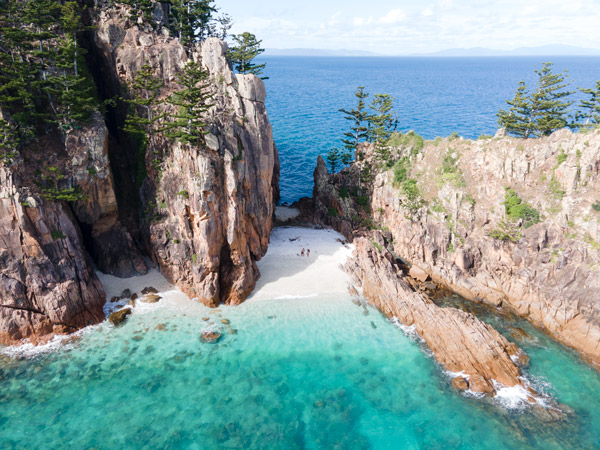
What it offers: Exceptional snorkelling suitable for families, good access to the Reefworld pontoon at Hardy Reef.
Getting there: Flights to Hayman Island depart from Hamilton Island airport.
Serving as the closest Whitsundays island to the outer reef, Hayman Island features an array of snorkelling opportunities to keep your entire clan entertained. Blue Pearl Bay, less than 1 kilometre from the island, offers stellar conditions as well as the chance to meet Priscilla, a giant Maori wrasse renowned for interacting with guests. For those wanting more, journey about an hour to Reefworld, located at Hardy Reef, for more than 1,400 species of brightly hued coral plus clownfish, rays and a friendly 2-metre-long groper named George who patrols the area.
Weekly travel news, experiences
insider tips, offers, and more.
7. S.S. Yongala Wreck
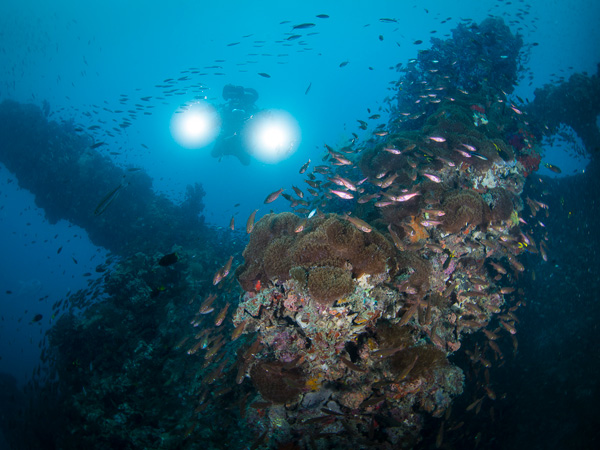
What it offers: Intermediate to advanced diving conditions, historical insight and ample marine life.
Getting there: 30-minute boat trips depart from Ayr, near Townsville, but you can also get there via boat from Townsville, which takes three hours each way.
A mysterious and historically significant dive site teeming with marine life, the S.S. Yongala wreck is considered one of the world’s best dive sites. Sinking thanks to a cyclone in 1911, the S.S. Yongala’s structure can still be discovered — almost 75 per cent of the vessel remains intact. The 110 metre-long wreckage is covered with colourful coral and sponges, which have evolved into a magnificent artificial reef and haven for diverse marine life. Fishing and penetration diving bans have upped fish numbers and prevented corrosion, allowing both hard and soft coral to thrive alongside super-sized marine life.
8. Flynn Reef
What it offers: Swim-through coral fields, good beginner snorkelling and diving conditions, high chances for sea turtle spotting.
Getting there: 90-minute boat trips frequently depart from Cairns.
It’s easy to see why visitors from all over the world are drawn to Flynn Reef. Featuring expansive fields of hard coral and plenty of marine life, the underwater hot spot is what Great Barrier Reef postcards are made of. You’ll find it roughly 60 kilometres east of Cairns, sitting pretty as one of the closest reefs to the continental shelf and the Pacific Ocean. Once you’re there, navigate schools of clownfish, batfish, trout, cod, fusiliers, butterflyfish and angelfish along your journey and keep your eye out for sea turtles (including the prevalent green sea turtle), grey reef sharks, moray eels, octopus, lionfish, barracuda and nudibranchs.
Discover the best Great Barrier Reef tours
Want to see more stories from Australian Traveller in your Google search results?
- Click here to set Australian Traveller as a preferred source.
- Tick the box next to "Australian Traveller". That's it.