I skipped the Great Ocean Road’s most famous landmark entirely and found a crowd-free bay that hit harder than any postcard ever could.
My sister and I drove the entire Great Ocean Road and skipped the Twelve Apostles. On purpose. And I’d do it again.
Just to be clear, I’m not dissing the Apostles. They’re a genuine natural wonder, and I get why they’re on every bucket list. But somewhere between the queues, the car park and the fact that I was watching a koala shimmy up a tree with my own eyes earlier that day, I realised the Apostles were never actually the point. They’re just the postcard. The road is the point.
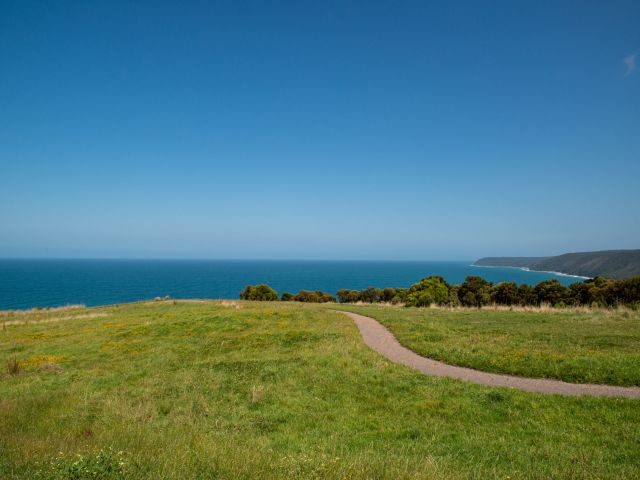
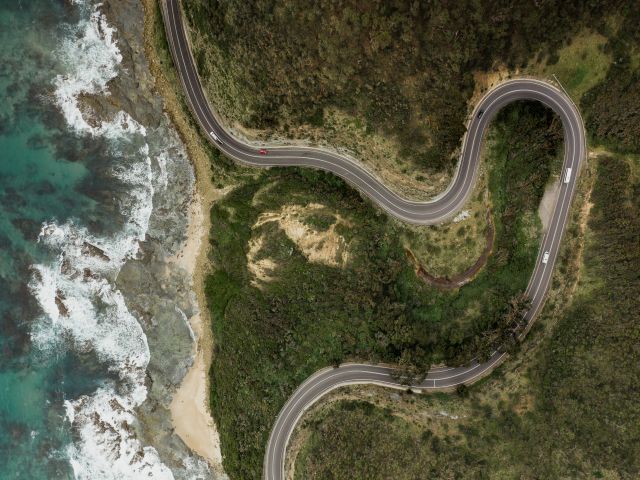
Turns out the drive is the destination. 243km of coastline and not one bad view. The Great Ocean Road delivers every single time.
We started backwards, and it was the best decision we made
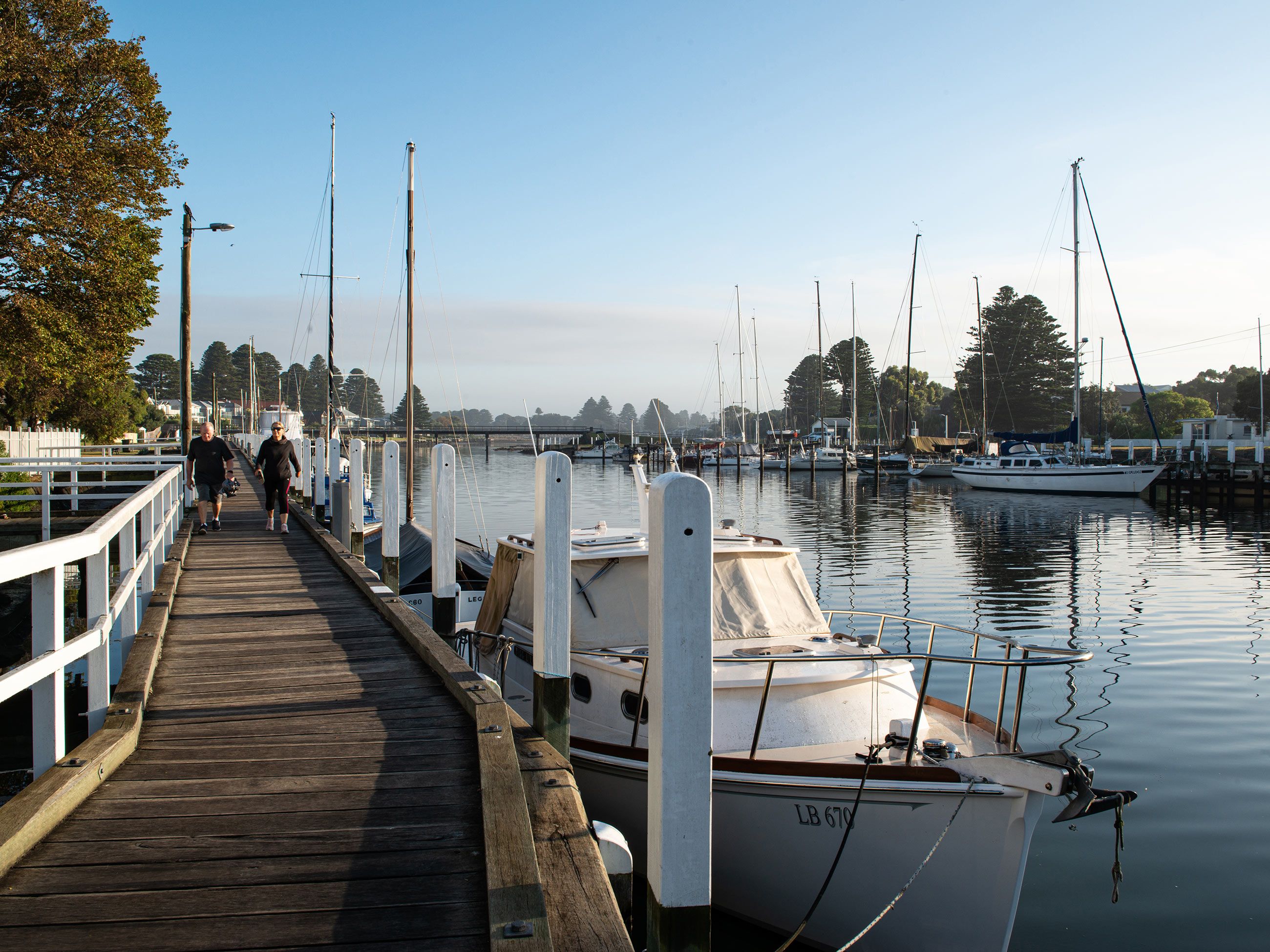
Moyne River in Port Fairy. (Credit: Adeline & Lumiere)
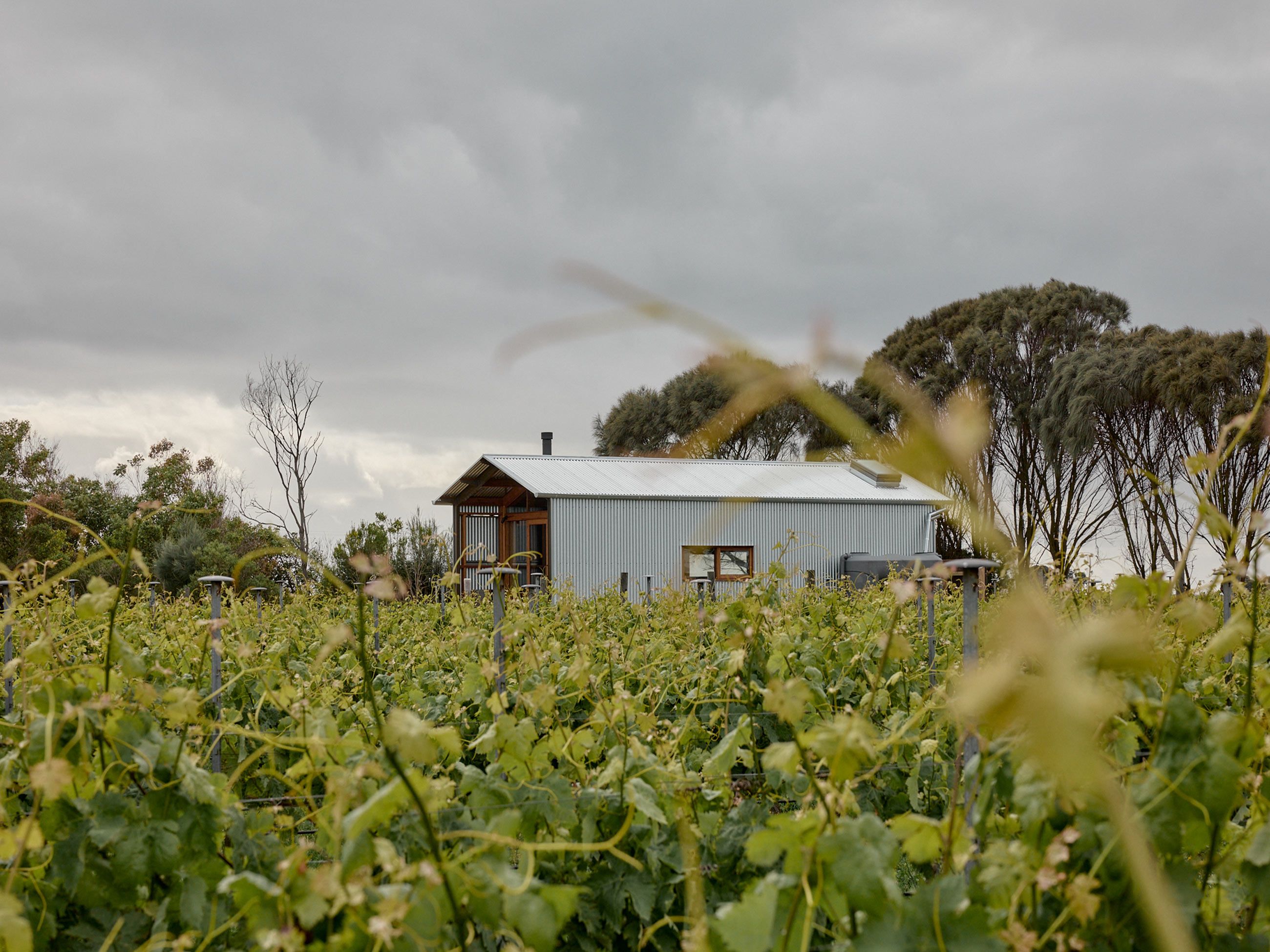
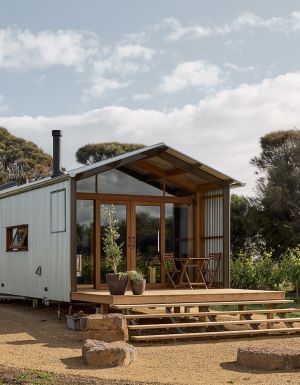
Boutique villas immersed in the vines at Basalt Retreat. (Credit: Ample Co + Brook James)
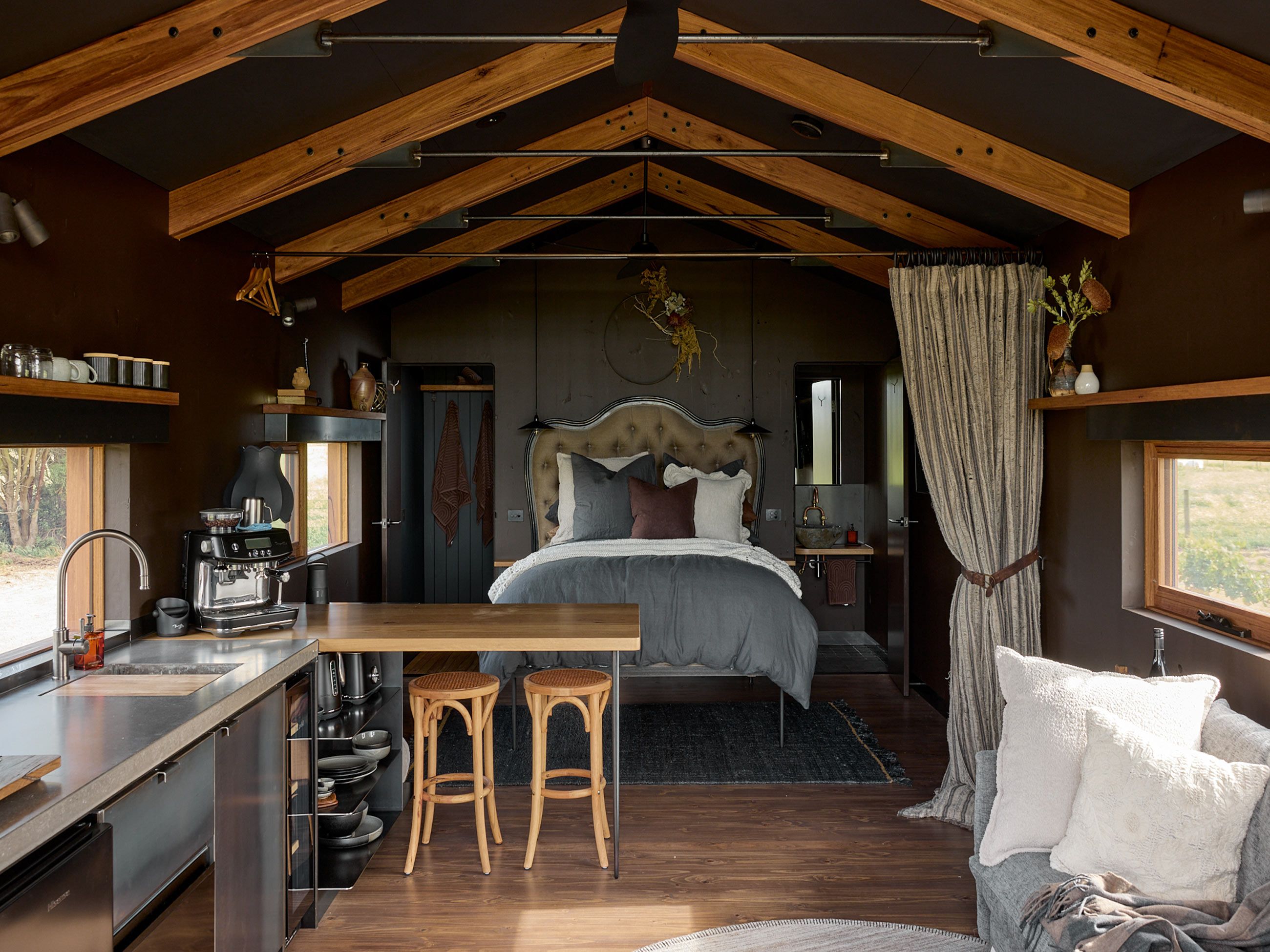
An intimate and grounding stay. (Credit: Ample Co + Brook James)
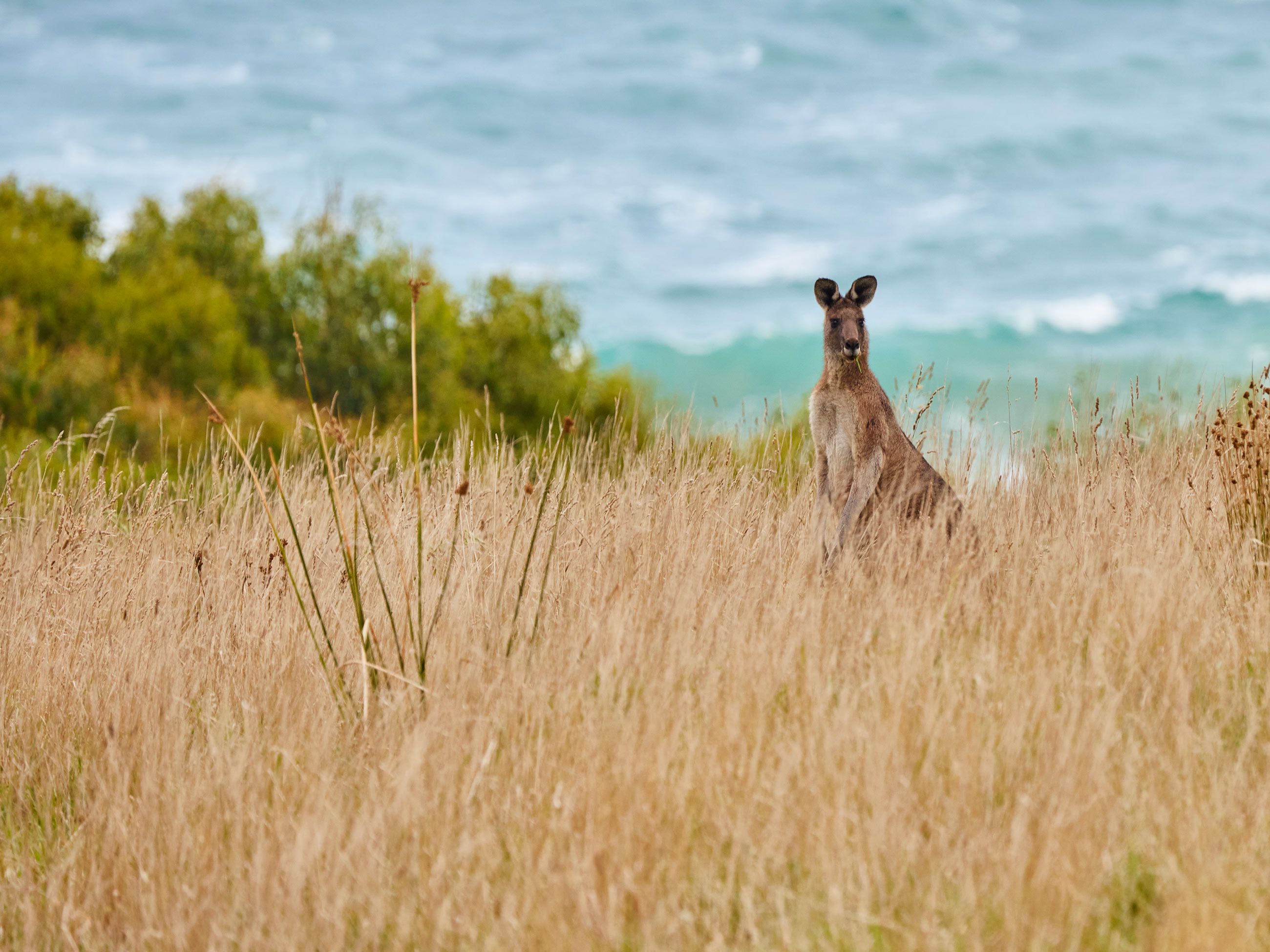
Witnessing a kangaroo in the wild. (Credit: Tourism Australia)
Most people do the Great Ocean Road from Melbourne heading west, hit the Apostles as the grand finale, then turn around. We flipped it. We started in Port Fairy, Australia’s best festival town, and worked our way back towards Melbourne.
Night one was at Basalt Retreat, in a little vineyard villa called Villa Pinot Noir, which is exactly as good as it sounds. The next morning, we went to Tower Hill Wildlife Reserve, a volcanic crater turned nature reserve, and I saw my first-ever wild koala.
An actual koala, doing its own thing, in a tree, in the wild. I was more excited about that than I will admit.
The bit nobody tells you about
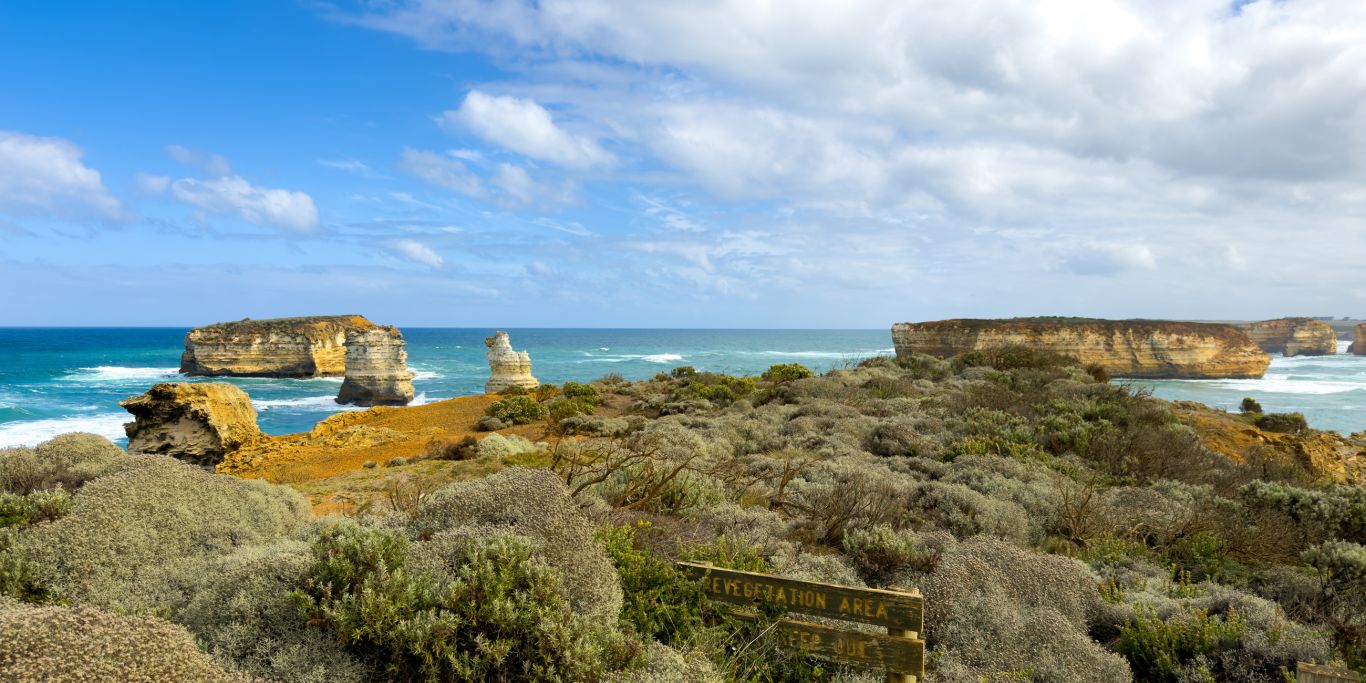
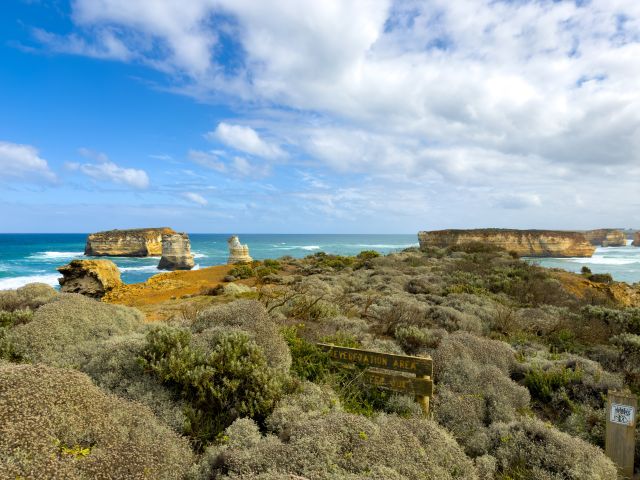
The Bay of Islands is an underrated spot. (Credit: Emily Murphy)
We drove the coast, ticked off most of the icons, and then we got to Port Campbell National Park, where things became spectacular. We stood at the Poombeeyt Koontapool Lookout and watched the blowhole doing its thing at Loch Ard Gorge. We saw The Grotto, which looks like something out of a fantasy film. But the moment that actually stopped me in my tracks was the Bay of Islands.
If you’ve never been – imagine the Twelve Apostles, but with no crowds, no queue for the carpark, no jostling for a photo spot. Just you, the cliffs, and a coastline that looks like it was designed by someone showing off. The Bay of Martyrs, just down the road, is cut from the same cloth. Honestly, between the two of them, I got everything I wanted visually from “iconic limestone stacks" without a single elbow in my ribs.
Need tips, more detail or itinerary ideas tailored to you? Ask AT.
AI Prompt
Sleeping cliffside with the kangaroos
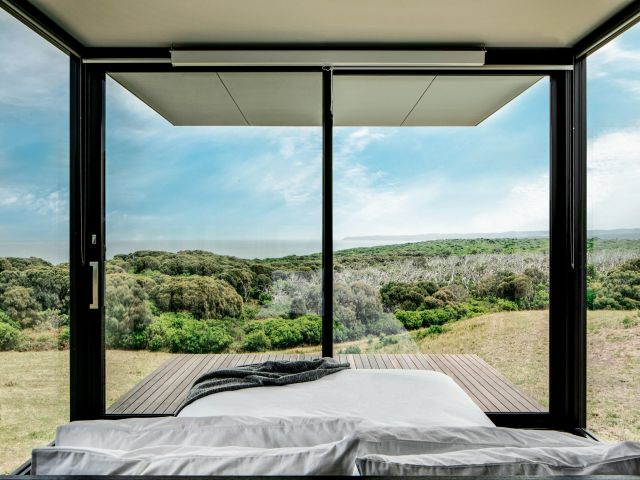
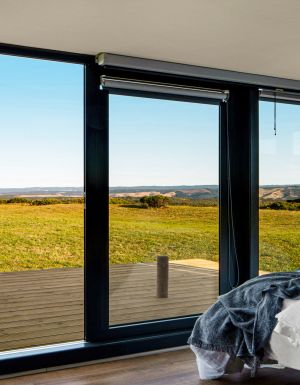
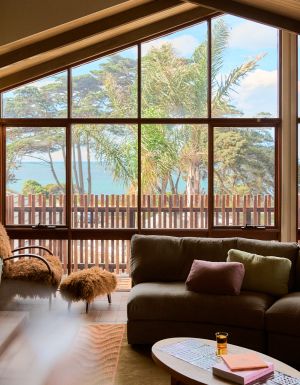
Relax in luxurious architecturally designed self-contained pods. (Credit: Supplied/Skypods)
From there, we headed into the Otways to Sky Pods, which is one of the coolest places I’ve ever stayed. Our pod was perched overlooking the cliff, and apparently it gets wild up there when the wind picks up, but we lucked out with a dead calm evening, kangaroos grazing right in front, and a property so big it felt like we had the whole forest to ourselves. It’s fully self-contained, so we cooked dinner, put the fire on, and just sat there taking it all in.
Seafood and retro motels
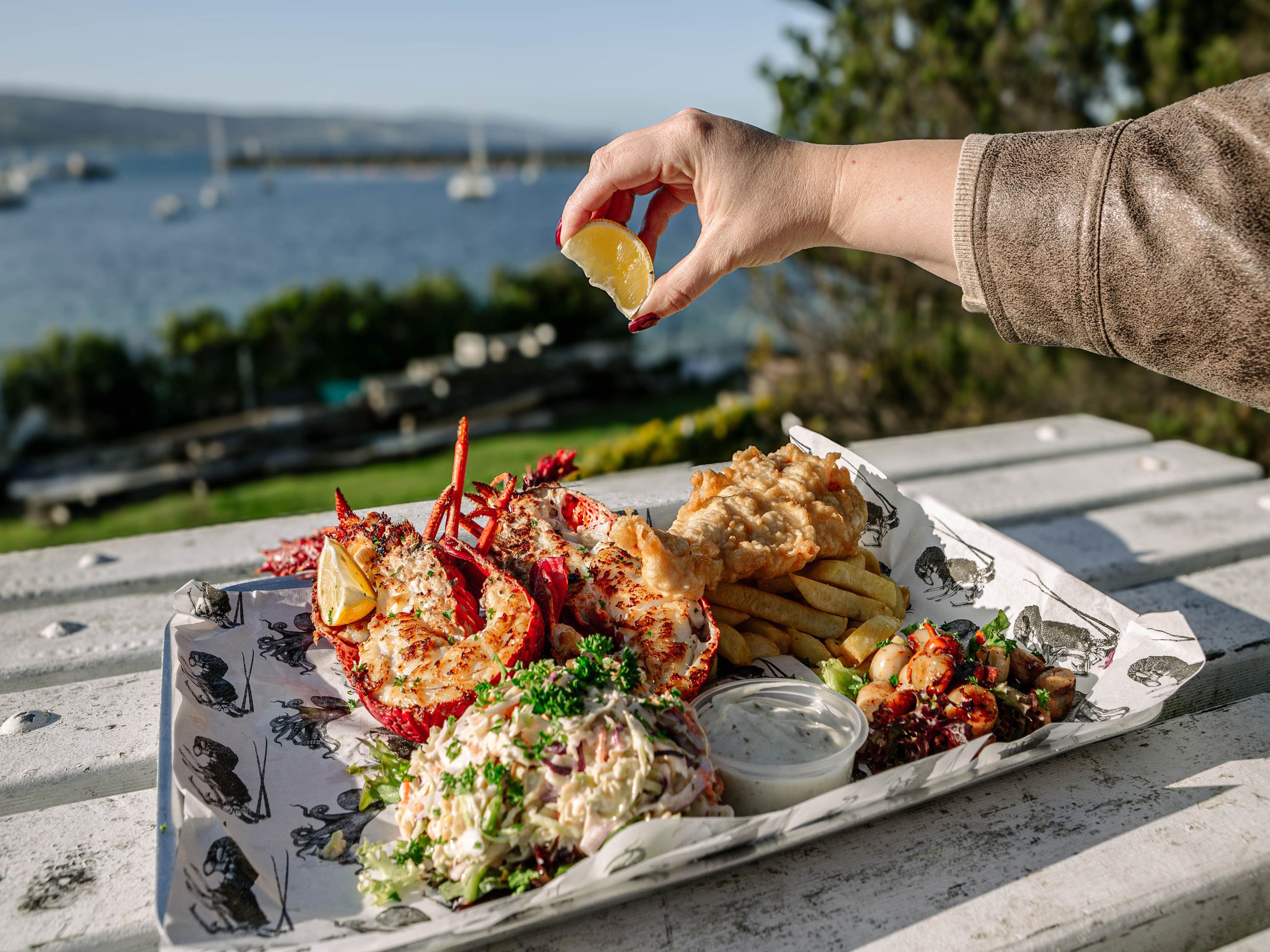
Seafood platters at Apollo Bay Fisherman's Coop don't miss. (Credit: Supplied)
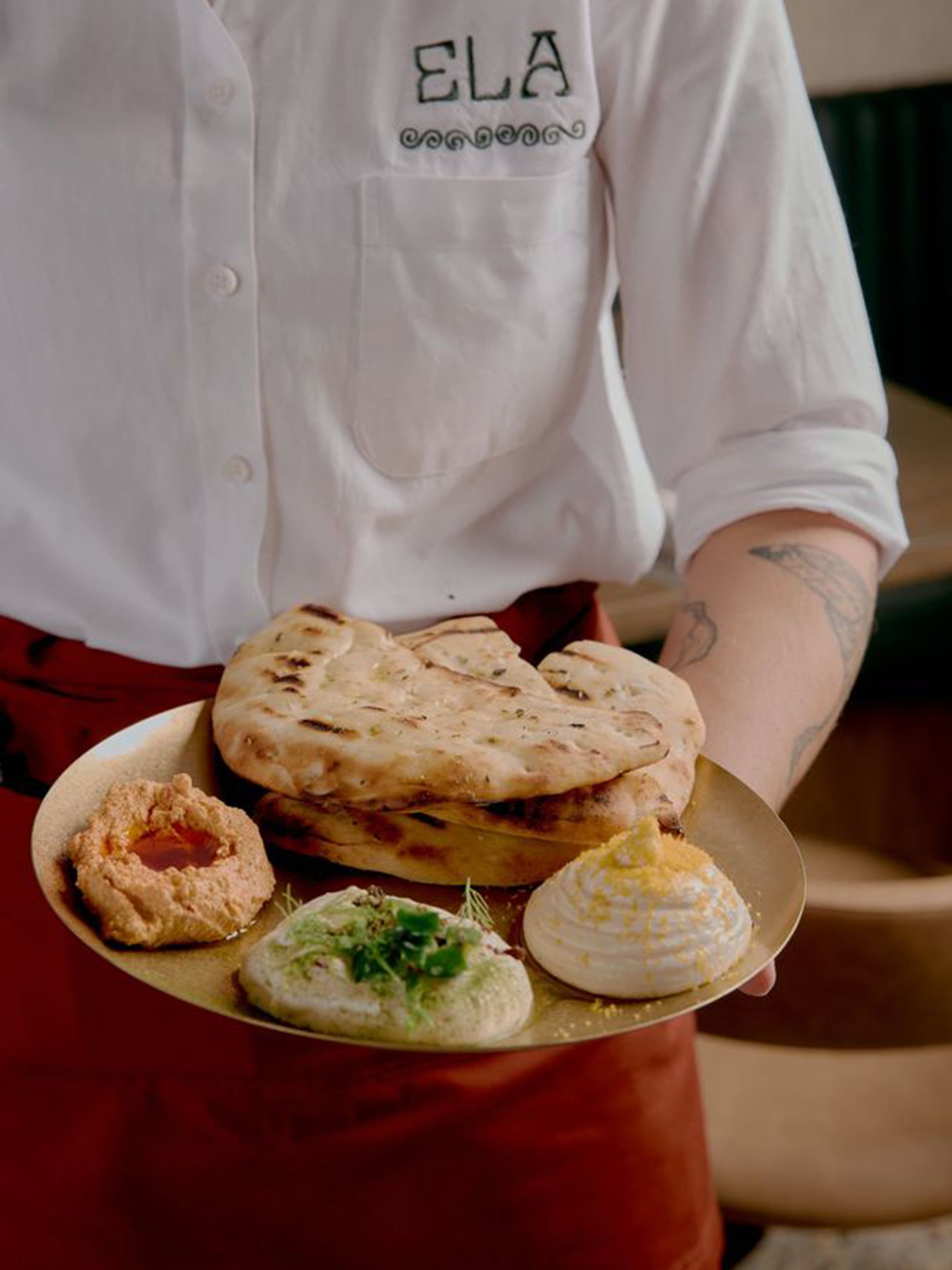
A Greek feast at Ela Torquay. (Credit: Supplied/Ela Torquay)
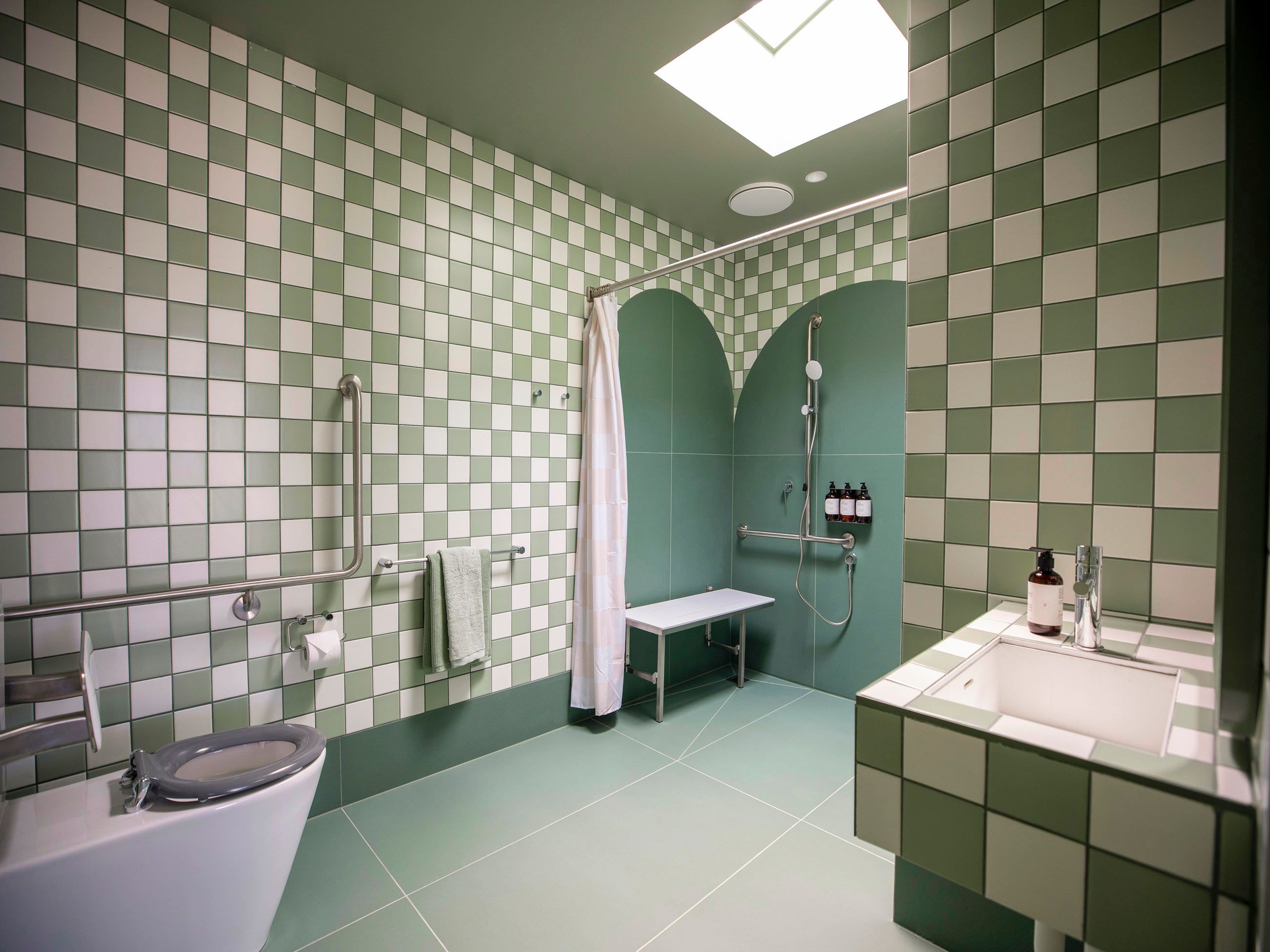
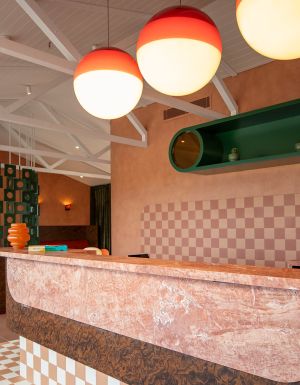
The Monty gives off cool retro vibes. (Credit: Supplied/The Monty)
The next day, we had lunch at the Apollo Bay Fishermen’s Co-Op, which is one of those places that’s iconic for a reason – the seafood platter did not miss. Then it was on to Anglesea, where we stayed at The Monty, a retro motel that’s been renovated within an inch of its life and made even cooler for it. Dinner that night was at Ela in Torquay, a Greek restaurant that I’d happily drive back for on its own merits.
Turns out the drive is the destination. 243km of coastline and not one bad view. The Great Ocean Road delivers every single time.
My sister surfs; I ice bathe
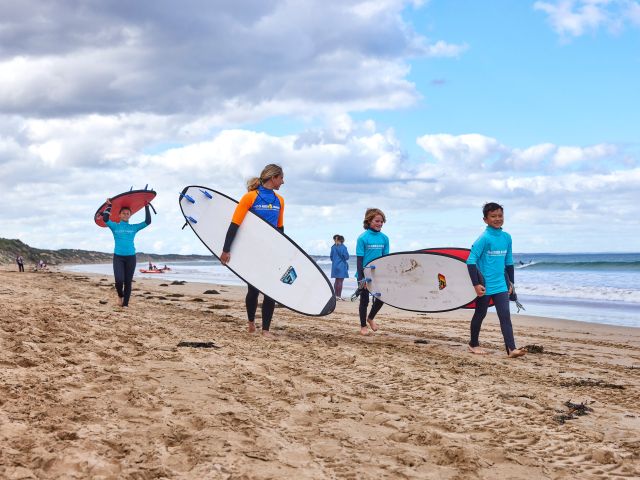
Surfers at Go Ride A Wave. (Credit: Tourism Australia)
The next morning, we had a surf lesson with Go Ride a Wave in Torquay. My sister was, annoyingly, a natural. I was more of an “enthusiastic participant" than a surfer, but that’s fine, because I redeemed myself later that day at About Time Bathhouse.
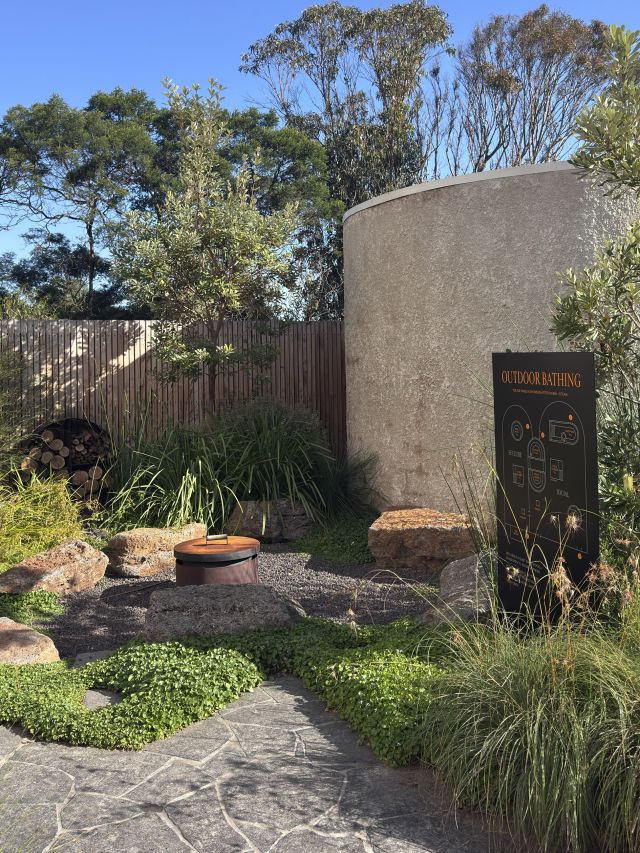
Enjoy a session at About Time Bathhouse.
I first tried hot-cold therapy in Bali back in 2024, and I have been chasing that feeling ever since, so this was a highlight for me. They’ve got a few ice baths ranging from 8°C to 11°C, and yes, I went in all of them. There’s something about being in that cold that just flips a switch in my brain – it’s honestly a bit of a thrill. I had just finished one of my plunges when an older lady, a regular, told me it was impressive, and that the only other person she’d seen handle it like that was a Scottish guy who went fully under and sat on the bottom of the pool. I have thought about that compliment more than is probably healthy. My sister owned the surfing; I owned the ice baths. Balance restored.
We closed the trip out with dinner at The Monty’s Nina Cantina, then drove back to Melbourne the next morning, completely satisfied with a Great Ocean Road trip that didn’t include its most famous landmark.
Weekly travel news, experiences insider tips, offers, and more.
So, about that Twelve Apostles tourist tax
The Twelve Apostles Tax is for environmental conservation. (Credit: Adeline & Lumiere)
Here’s the thing that actually pushed me to write this. If you’ve been paying attention to Great Ocean Road news lately, you’ll know the Twelve Apostles are getting a shake-up. The site currently pulls in more than two million visitors a year, and it’s starting to show. According to Liz Price, general manager of Great Ocean Road Regional Tourism, 2019 was rough at the site – overcrowded, with people parking on the roadside and walking across fragile ground because there simply wasn’t the infrastructure to handle the numbers. And it’s only heading in one direction: pre-Covid visitor numbers were tracking toward six to eight million a year before growth was interrupted.
The response is a new $126 million Visitor Experience Centre, plus, controversially, an entry fee. Before you picture a cash grab, it’s worth knowing the fee isn’t just about paying to see the view – it’s part of a broader sustainability push, funding a proper visitor precinct with parking, food and beverage options, and better facilities than the current setup, which Liz describes as little more than a small building with toilets, a modest kiosk and limited parking, where visitors currently just pull up, glance at the view and leave. The exact cost hasn’t been locked in yet, and it’ll likely work alongside a new timed booking system designed to spread crowds out instead of dumping everyone at the lookout at once.
I actually think this is a good move, and not just because it validates my decision to skip the place entirely. Overtourism doesn’t just wreck the view for the next person – it wrecks the actual site, the cliffs, the ecosystem, the whole reason anyone wanted to go there in the first place. A modest fee that funds conservation and a proper booking system so you’re not fighting a bus tour for a photo spot seems like a fair trade.
But it also proves my point. If the Apostles need a tax and a booking system just to be bearable, and the Bay of Islands gives me the same jaw-dropping moment with zero crowds and zero fees, why would I queue?
The road is the destination, not the postcard
There are more than enough gorgeous views on the Great Ocean Road. (Credit: Caddie Magazine Golf Shoot)
I’m not telling you to skip the Twelve Apostles forever – go see them, especially once the new centre opens and the crowd management actually kicks in, because they’re spectacular and they deserve a proper visit, not a drive-by. But I am telling you that if you’re tight on time, or the queues are horrendous, or you just fancy doing things differently, the Great Ocean Road doesn’t fall apart without them. Between wild koalas, empty limestone bays, cliffside pods full of kangaroos, ice baths that fuel your ego, and a sister who’s astronomically better than you at surfing, there’s more than enough road trip here without ever stepping foot near that carpark.
Sometimes the best souvenir isn’t the photo everyone else has. It’s the one nobody else got.
Want to see more stories from Australian Traveller in your Google search results?
Tick the box next to "Australian Traveller". That's it.
Emily Murphy is Australian Traveller's Email & Social Editor, and in her 4+ years at the company she has been instrumental in shaping its social media and email presence, and crafting compelling narratives that inspire others to explore Australia's vast landscapes. Her previous role was a journalist at Prime Creative Media and before that she was freelancing in publishing, content creation and digital marketing. When she's not creating scroll-stopping travel content, Em is a devoted 'bun mum' and enjoys spending her spare time by the sea, reading, binge-watching a good TV show and exploring Sydney's vibrant dining scene. Next on her Aussie travel wish list? South Australia and The Kimberley.
Come for a couple of unmissable festivals, stay for a long, leisurely weekend of wining, dining and exploring all the heritage-rich glory Ballarat has to offer.
Far from a sleepy town, the historic city of Ballarat is an unexpectedly vibrant cultural and culinary destination. Year-round, it hosts a roster of events and experiences – including the upcoming Ballarat Heritage Festival, a celebration of the city’s past, and the new Ballarat Craft and Design Week, a must for fans of all things handmade and thoughtfully designed.
Beyond the festivals, there’s a bevy of things to see, do, eat and drink – making a weekend in Ballarat an absolute no-brainer.
Plus, just 90 minutes away from Melbourne by car along the Western Freeway or an easy train ride from Southern Cross, getting here is simple and stress-free.
Day 1
Morning
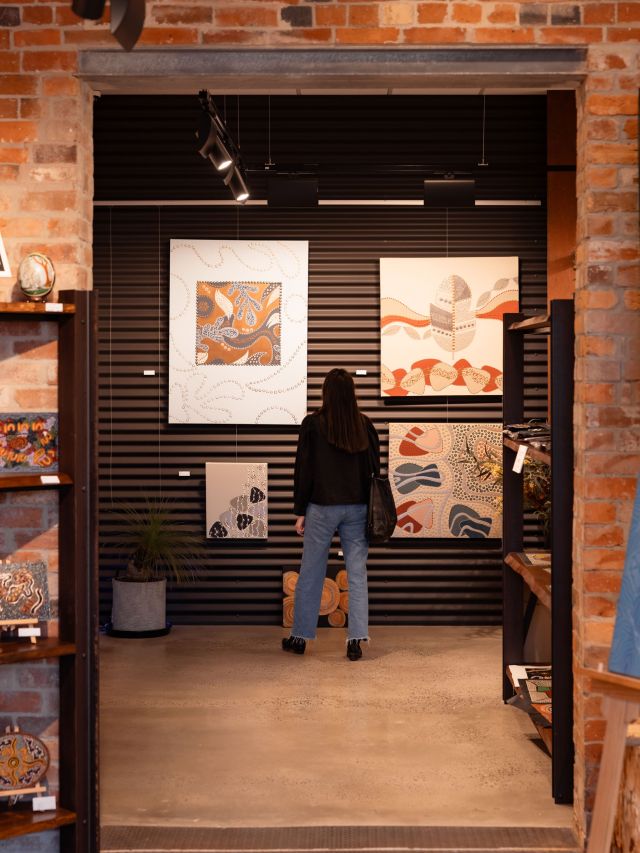
Peruse works by local First Nations artists at Perridak Arts. (Credit: Tony Evans)
Start your Ballarat jaunt at Johnny Alloo, a beautifully restored cafe harking back to the 1870s with original details and contemporary touches. Order a seasonal plate from the all-day brunch menu alongside a cleverly reimagined ‘cup of tea’ – the cafe’s very own Earl Grey-infused early bird spritz.
Next, head to Perridak Arts, a First Nations-owned and operated gallery filled with powerful works by local First Nations artists. Your next stop is Hop Lane, an alleyway crowned by a floating canopy of technicoloured umbrellas and centred on Hop Queen, a striking mural of a commanding female figure.
Afternoon
Create your own artworks at The Pottage. (Credit: Mass Motion)
Cobb’s Coffee is a firm favourite for consistently good coffee and thoughtful food, making it a solid lunch spot. The cafe’s signature sandwiches and toasties are well worth trying as you take in the heritage surrounds.
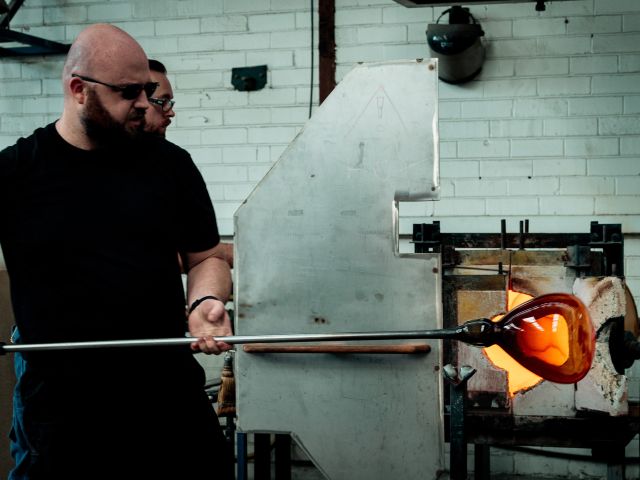
While away your afternoon at The Pottage, where Ballarat ceramicist and social media favourite Shelby Sherritt has just moved into brand-new digs. Try a throwing workshop, or pick a piece of pottery to paint from the extensive collection (the team will post it to you once it’s fired).
Now it’s time to check into Hotel Vera, the newest boutique accommodation in the city’s already-impressive line-up. The hotel presents a modern spin on Ballarat’s gold rush-era past – think design-led rooms, gold detailing and a curated art collection. There are only seven suites, each as beautifully finished as the next, with high-quality linens and plush furnishings.
Evening
Sit down to a seven-course feast at Babae. (Credit: Einwick)
Treat yourself to a pre-dinner drink at Grainery Lane. The saloon-style bar has rich, period-inspired decor (including an original bar top sourced from Chicago) and drinks reminiscent of 1900s classics, crafted with local ingredients.
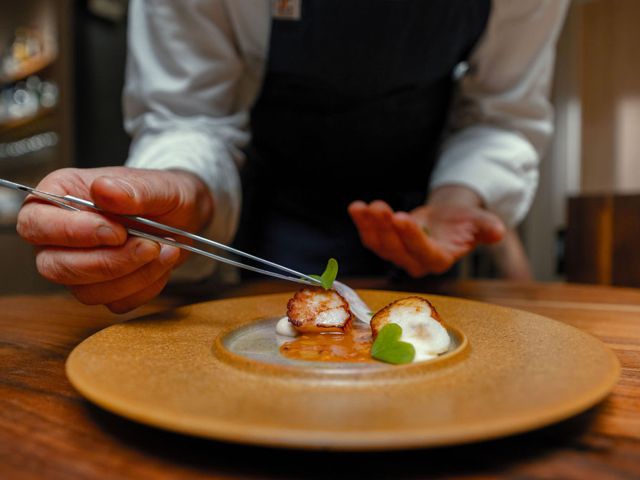
Head back to Hotel Vera for a seven-course feast at Babae. This intimate dining room serves up a refined, ever-evolving menu made with exceptional produce and is a truly memorable experience.
Day 2
Spend the day at Ballarat Craft and Design Week. (Credit: Klapper Films)
Linger over a slow breakfast at Hotel Vera. You’ll graze your way through a spread of locally sourced treats, from toasted granola and pastries to seasonal fruit, and will need a strong coffee before a busy day at the main event: Ballarat Craft and Design Week.
This year marks the event’s inauguration, a celebration of artists, makers, designers and manufacturers. It’s a testament to Ballarat’s position as a UNESCO Creative City of Crafts and Folk Art.
The festival features a thoughtfully curated roster of events and activities, including free talks, hands-on workshops where you can craft your own keepsake, displays, studio tours and more. The central theme is Bound, with a flagship exhibition hosted in Ballarat’s grand and iconic Mining Exchange. The exhibition brings together five immersive projects designed to be touched, explored and experienced.
Afternoon
Discuss your favourite artworks over lunch at Pancho. (Credit Einwick)
The Craft and Design program continues at The Unicorn Collection. The gallery is hosting Why Are You Here?, an installation presented by artists from the community that centres on the meaning of Ballarat as home.
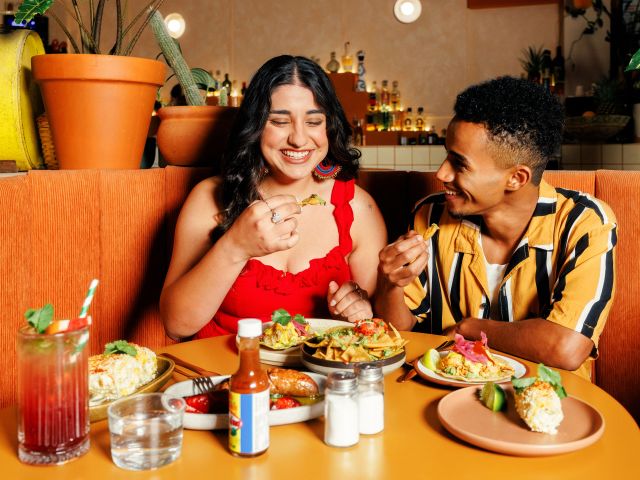
Recharge with lunch at Pancho, which turns out vibrant food from across Central and South America. Make sure to order from the specials board, often featuring dishes from more far-flung locations.
For a top-up of local craftsmanship, a visit to Wootten is a must. This workshop and retail space is a Ballarat institution, making and selling made-to-order and customised footwear alongside a selection of handcrafted leather goods.
Evening
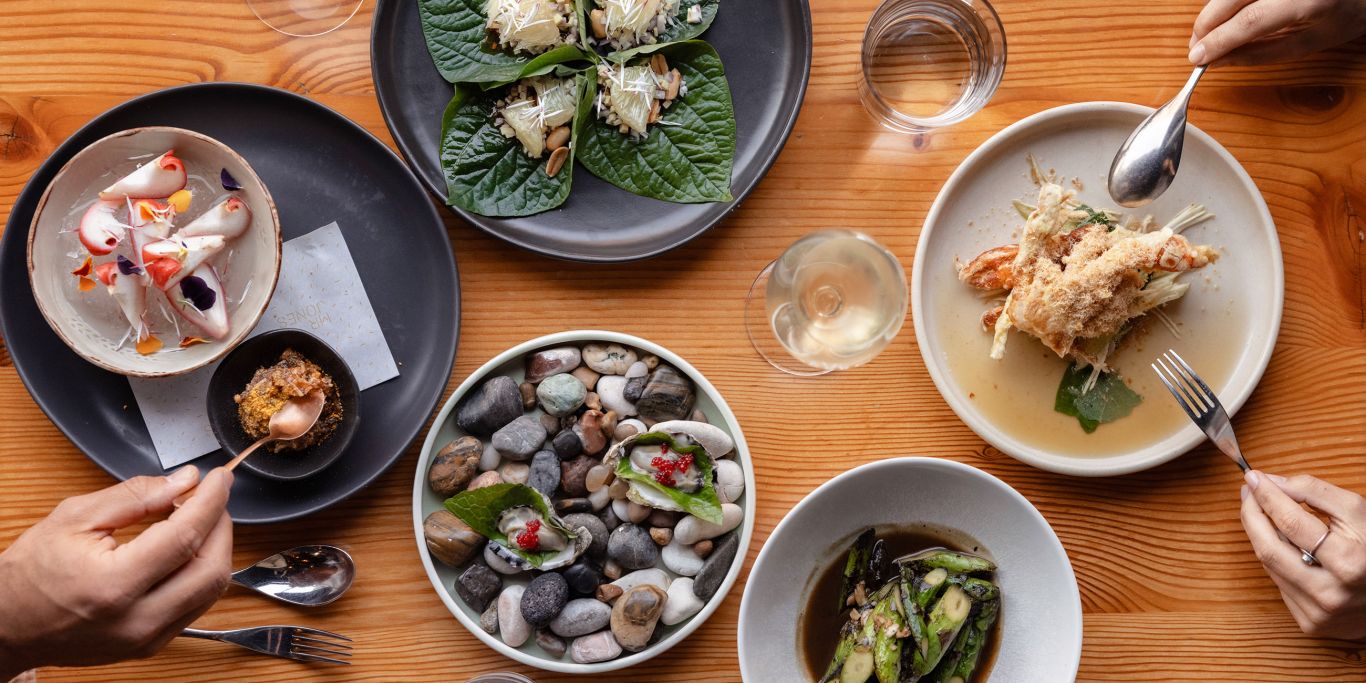
Ballarat’s streets contain incredible dining options. (Credit: Tony Evans)
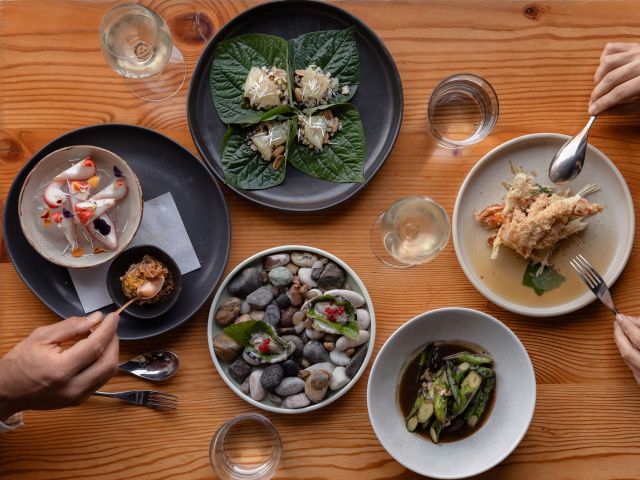
Book a table at Mr Jones, headed by chef Damian Jones, who’s worked in Michelin-Starred restaurants around the globe. The modern Asian menu changes weekly, but you can always expect the very best ingredients cooked with precision and restraint.
Finish off your day of art and exploration with a nightcap (and maybe a cheeky late-night snack) at Renard. This intimate and atmospheric cocktail bar does clever drinks alongside French-leaning small plates – we love the smoked trout pate and goat’s cheese doughnuts.
Day 3
Morning
Stop into Black Cat Truffles before heading home. (Credit Einwick)
It’s your final morning in Ballarat (that is, until you inevitably return), so it’s worth making it an unhurried one. Turret Cafe is your best bet for a relaxed and satisfying breakfast, with a produce-driven all-day menu and excellent coffee inside a character-filled setting.
A wander around the leafy Ballarat Botanical Gardens, followed by an excursion to Ross Creek Gallery, is the ideal way to stretch your legs after your morning feast. The gardens are replete with seasonal flower displays and heritage-listed trees, while the gallery is hosting a group exhibition centred on printmakers from across the region as part of Craft and Design Week.
Farewell your weekend escape – and fuel up for the journey home – at Black Cat Truffles. True to its name, the restaurant serves truffle-infused dishes (alongside regular fare) and the surrounding farm hosts truffle hunts and experiences. Pair your meal with a drop from the on-site Meredith Wines cellar door.