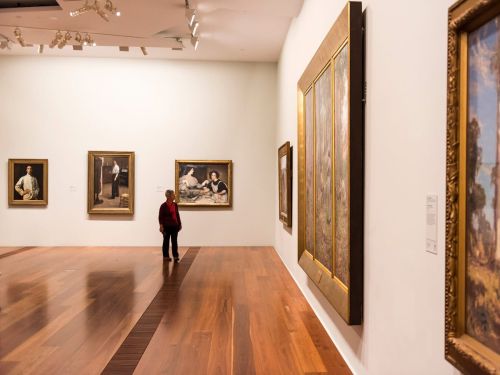
Add these 19 art galleries and museums to your Melbourne itinerary to get a sense of the city’s intimate and endearing relationship with the arts.
Melbourne has long been anchored with a proud artistic flair. One that’s inseparable from the city’s identity and ongoing evolution as one of the world’s most creative cities.
From Southbank to Footscray, Melbourne Museum to NGV International, Melbourne’s art galleries and museums are generously scattered throughout the city. Better yet, most of them are open to the general public for free, with special exhibitions usually ticketed.
Below, you’ll find a list of 19 of the best art galleries in Melbourne. As well as several important museums that serve as constant sources of inspiration, whether it’s for a rainy day or an all-encompassing art crawl. As you’ll see, Melbourne’s art scene is thorough and fiercely open-minded, taking in everything from photography and contemporary art, to fine art, sculpture work, film, video games and more.
1. NGV International, Southbank
As the state’s most recognised art institution, the National Gallery of Victoria (NGV) International is always going to be the first place mentioned in any discussion on the best art galleries in Melbourne. A permanent collection of over 75,000 works spread across two sites, NGV International on St Kilda Rd and the Ian Potter Centre: NGV Australia nearby at Federation Square, is completely free to view, while frequent special exhibitions are ticketed.
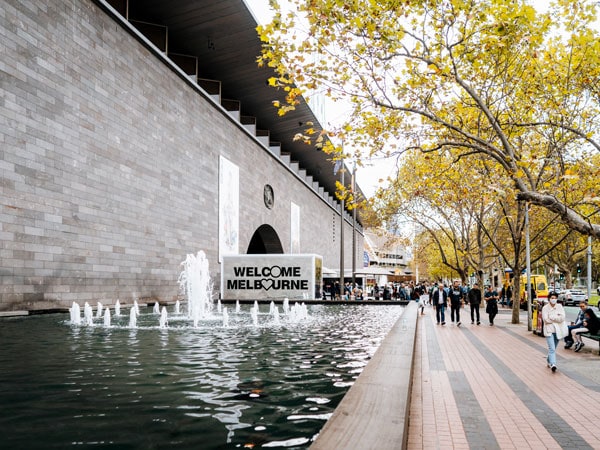
The gallery, which was first opened in 1861, has a reputation for hosting some of the world’s biggest exhibitions, so it’s always worth checking to see what’s on when you’re in town. Past highlights include exhibitions dedicated to Dior, Alexander McQueen, Andy Warhol, John Wolseley and Louise Zhang.
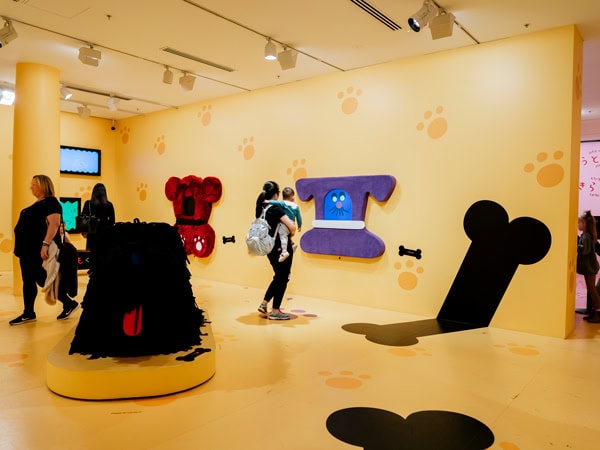
Cost: Entry to the gallery is free but some special exhibitions may be ticketed.
Address: 180 St Kilda Rd, Melbourne
2. Australian Centre for the Moving Image (ACMI)
From David Bowie to Yayoi Kasuma, ACMI is big and bright with many rotating exhibitions. The public art gallery is dedicated to the screen, encompassing everything from video games to music.
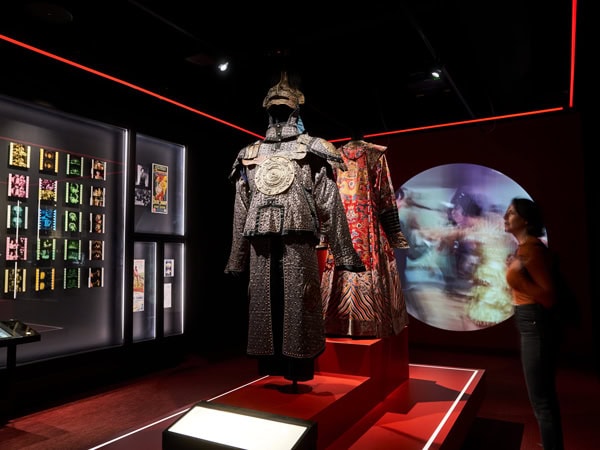
You’ll find exhibitions that focus on one subject at ACMI, but you’re just as likely to find broad, overarching exhibitions dedicated to fascinating ideas and forward-thinking mediums. This is in addition to a permanent collection of over 250,000 objects illustrating video games, TV and film dating back to 1946.
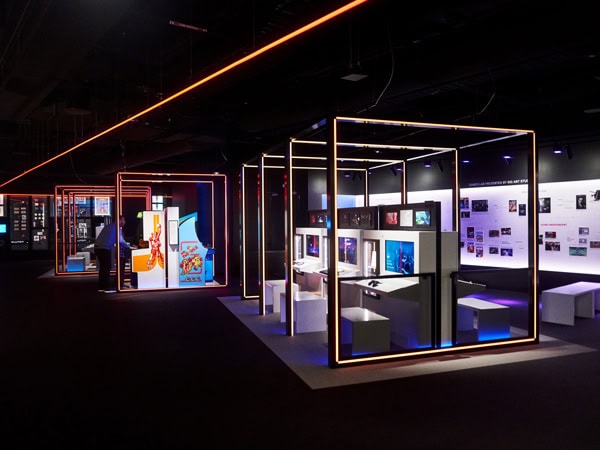
Cost: Entry is free but select events will be ticketed.
Address: Federation Square, Flinders St, Melbourne
3. Australian Centre For Contemporary Art, Southbank
ACCA is where you go when your scope of contemporary art needs a swift expansion. This not-for-profit gallery is one of the most recognised in Australia with a reputation for experimentation.
Local and international artists are showcased across big, shapely spaces, geared towards making an impact and leading cultural conversations.
Show-stopping exhibitions are designed to explore bold ideas and works, alongside programs of talks, lectures, performances, screenings and other events to help push the ongoing development of the arts in Australia.
Cost: Gallery entry is always free but Monday is closed for appointment-only visits. Special events will be ticketed.
Address: 111 Sturt St, Southbank
4. Melbourne Museum
Melbourne Museum rests on a more traditional structure, presenting history, culture, science and nature with fascinating exhibitions for all ages in the heart of Carlton Gardens.
Immaculate dinosaur fossils, a replica of a living rainforest, and a Children’s Gallery make Melbourne Museum one of the most multifaceted in the country.
It’ll only cost you $15 for an adult ticket, so it’s worth spending a few hours wandering through the museum’s eight galleries to get a thorough education on the land and its history.
Cost: Free entry for members, children and concession; Adults $15; Seniors $10
Address: 11 Nicholson St, Carlton VIC 3053
5. Bunjilaka Aboriginal Cultural Centre
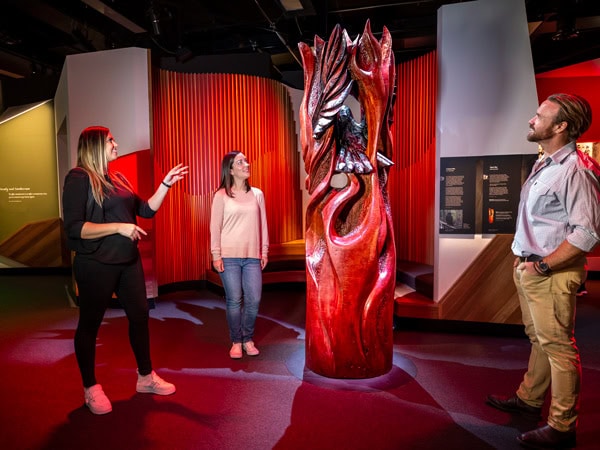
Located at Melbourne Museum, the Bunjilaka Aboriginal Cultural Centre provides exhibitions with incredible depth and power around First Peoples and their stories.
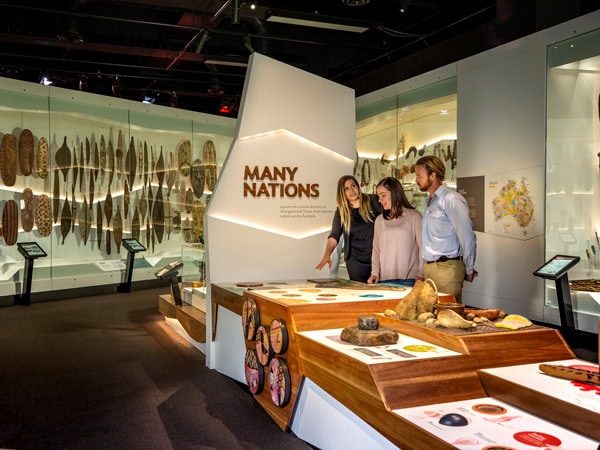
The space hosts just three exhibitions a year dedicated to Koorie artists. There’s also a performance stage for cultural events and an art gallery highlighting Aboriginal and Torres Strait Islander artists throughout the year.
Cost: Free entry for members, children and concession; Adults $15; Seniors $10.
Address: 11 Nicholson St, Carlton
6. The Ian Potter Centre: NGV Australia, CBD
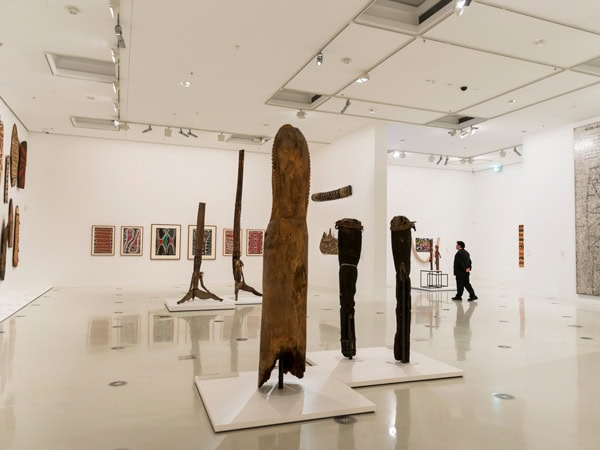
While NGV International looks at the bigger picture, The Ian Potter Centre: NGV Australia in Federation Square is dedicated to Australia.
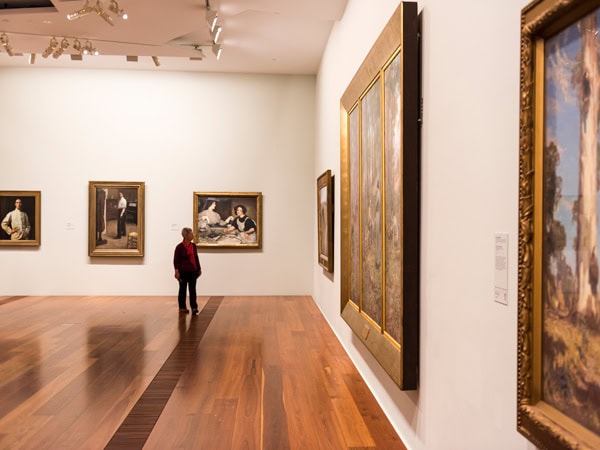
An extensive collection of Australian artwork tells our story from the Colonial period through to contemporary art in a way that provides great insight into the issues that have built our country from then to now.
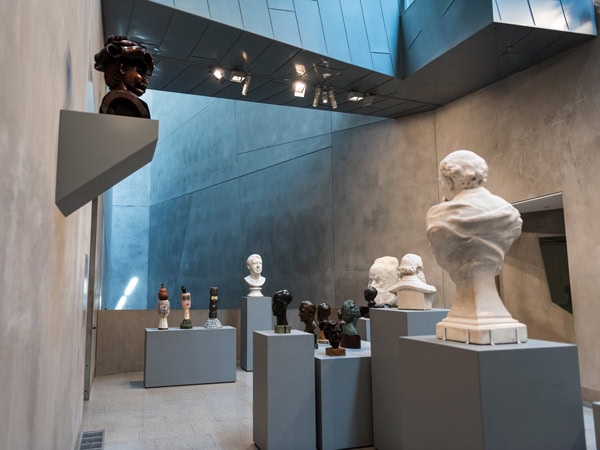
The highlight is the rich collection of works and regular exhibitions from First Nations artists, occupying a sizable space across a total of 25,000 works from indigenous and non-indigenous artists.
Cost: Entry to the gallery is free although some special exhibitions may be ticketed.
Address: Federation Square, Flinders St &, Russell St, Melbourne
7. Heide Museum of Modern Art
Made up of three buildings set around beautiful gardens and a popular sculpture park, Heide Museum of Modern Art is one of Australia’s most important hubs for the arts.
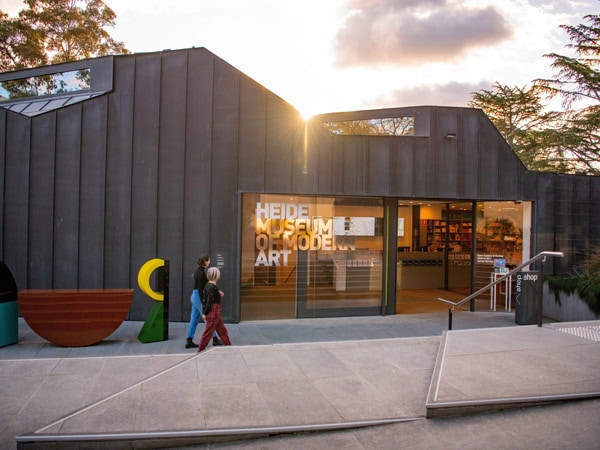
The former farm property of locals John and Sunday Reed has been transformed into this massive art complex just 30 minutes outside of Melbourne CBD, dedicated mostly to the modernist period in Australia.
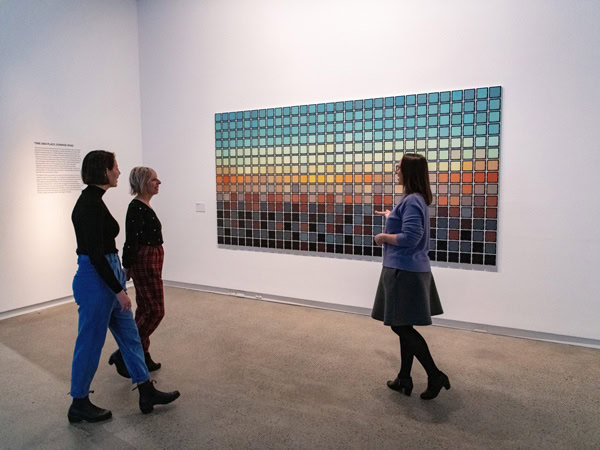
Throughout their lifetime, the Reeds assembled a massive collection of pieces from The Heide Circle, a notable art collective. And it’s this extensive network that has resulted in a unique display of works from across history, anchored by an incredible range of sculptures by local artists.
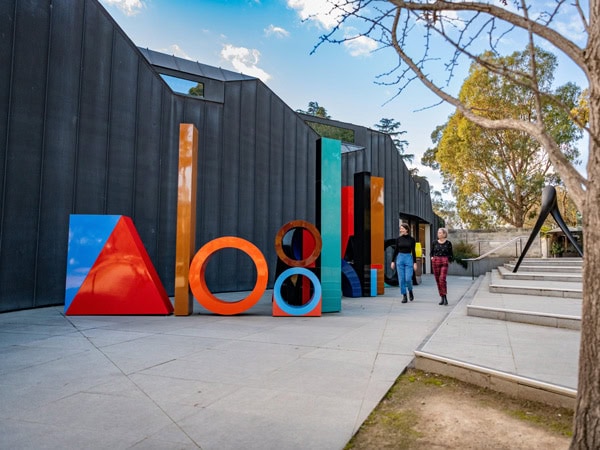
Cost: The gardens and sculpture park are always free. Entry to the gallery is ticketed: Adult $25; Concession $20; Seniors $20 on Tuesdays; free for members, children under 16, and Manningham residents.
Address: 7 Templestowe Rd, Bulleen
Need tips, more detail or itinerary ideas tailored to you? Ask AT.
AI Prompt
8. Footscray Community Arts Centre, Footscray
The Footscray Community Arts Centre (FCAC) was established in 1974. Multiculturalism flows throughout the building, taking an open approach to art with a preference for Melbourne’s western suburbs.
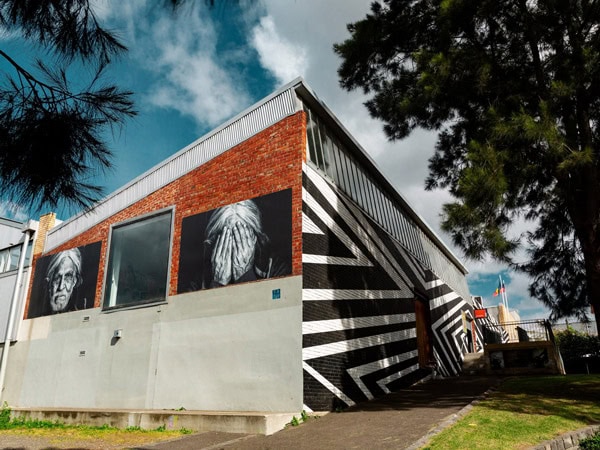
A constant stream of performances and workshops draws many people out to Footscray just for this space. There are also art workshops for people with disabilities.
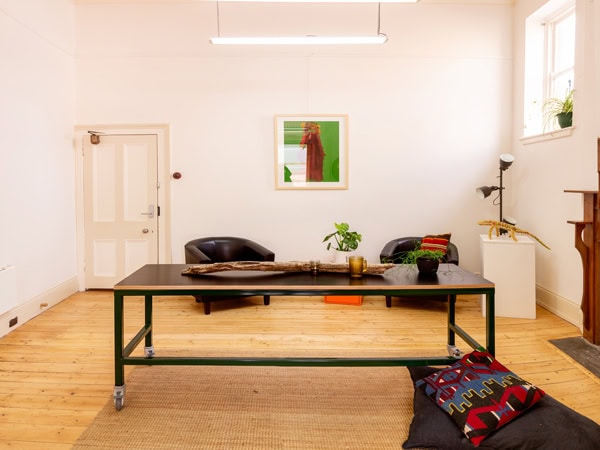
With diversity at its core, the regular program of special exhibitions takes a similarly wide-ranging approach so you’ll often find everything from photography to light works. No manner of expression is off the table.
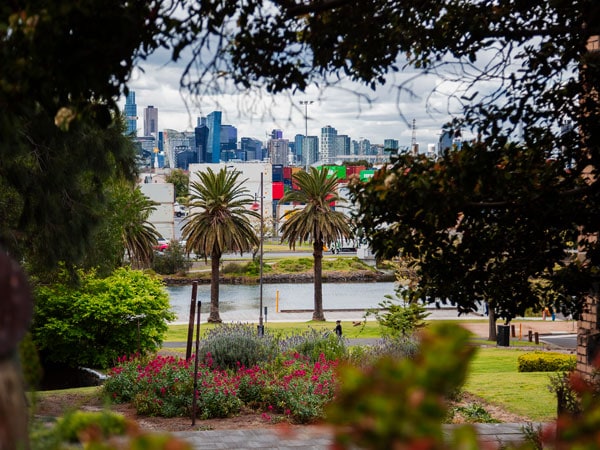
Cost: Entry to the gallery is free.
Address: 45 Moreland St, Footscray
9. Linden New Art, St Kilda
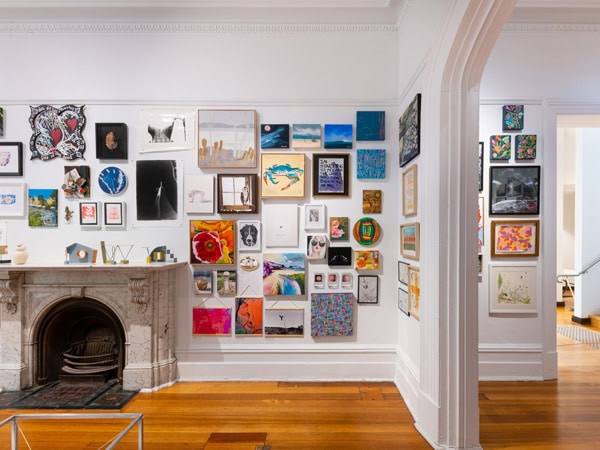
Located in St Kilda, Linden New Art is a gallery designed to hero works from unestablished Australian artists. The space is best known for its annual Postcard Show, which prefers tiny wall-hung pieces from Australian artists across every medium, from watercolour and textiles to ceramics and glass.
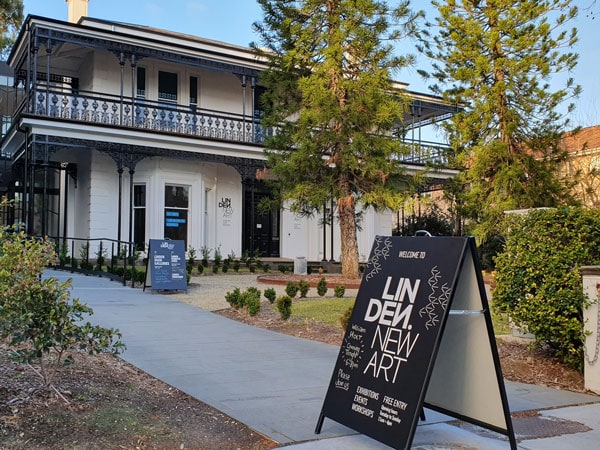
With the gallery specialising in pint-sized works, you’ll find many locals heading along to the not-for-profit to grab several pieces and cobble them together for their collage back home.
Cost: Entry to the gallery and annual Postcard Show are free for the public.
Address: Bunurong Boon Wurrung Country, 26 Acland St, St Kilda
10. MARS Gallery, Windsor
Melbourne Art Rooms , or MARS, is one of the more recognisable galleries in Melbourne, founded in 2004 by Andy Dinan.
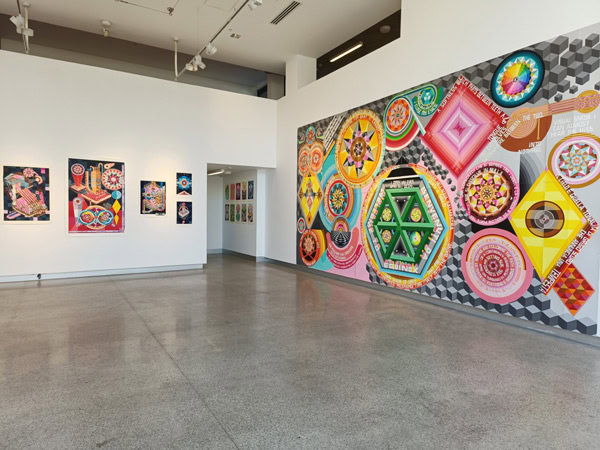
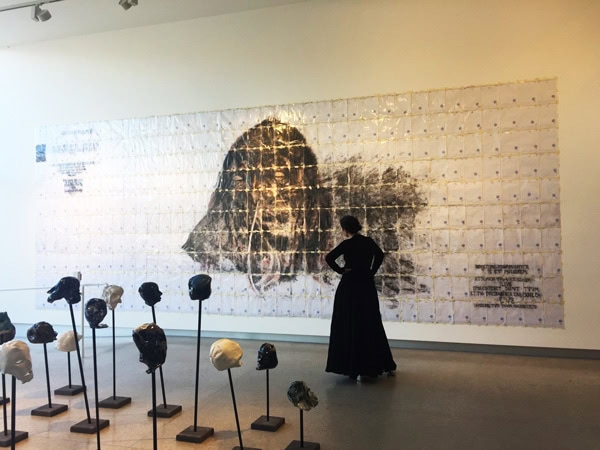
Originally in Port Melbourne, the art gallery has since moved to a purpose-built space in Windsor, expanding its collection to support further and build the careers of Australia’s emerging contemporary artists.
While the collection is free to view for the public, you’ll find that most people here would be serious buyers looking to score their next treasure.
Cost: Entry to the gallery is free but there may be ticketed special events.
Address: 7 James St, Windsor
11. Anna Schwartz Gallery, CBD
Founded by Anna Schwartz in 1986 before moving to Flinders Lane in 1993, this eponymous gallery is considered one of the city’s foremost cultural institutions and the quintessential Melbourne art gallery.
The long history Schwartz has within the local art community has given her unparalleled access to established and emerging artists. As such, her collection is curated with high standards, representing over thirty different artists.
Cost: Entry to the gallery is free.
Address: 185 Flinders Ln, Melbourne
12. Buxton Contemporary, Southbank
Local property developer and collector Michael Buxton has built up a trove of pieces so impressive and varied that his eponymous Buxton Contemporary is now part of the University of Melbourne’s Victorian College of Arts.
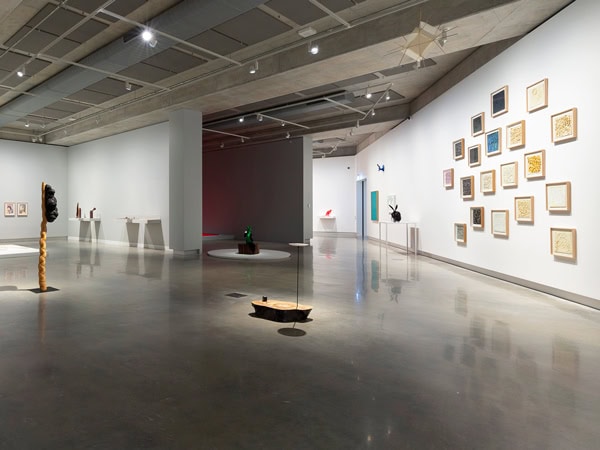
You’ll find Buxton Contemporary on the corner opposite the NGV, championing mostly Australiasian artists and favouring moving images and video works. Video is so central to how Buxton Contemporary operates that the space hosts the largest outdoor screen in Australia.
Special exhibitions are only open Wednesday through Sunday and entry is completely free.
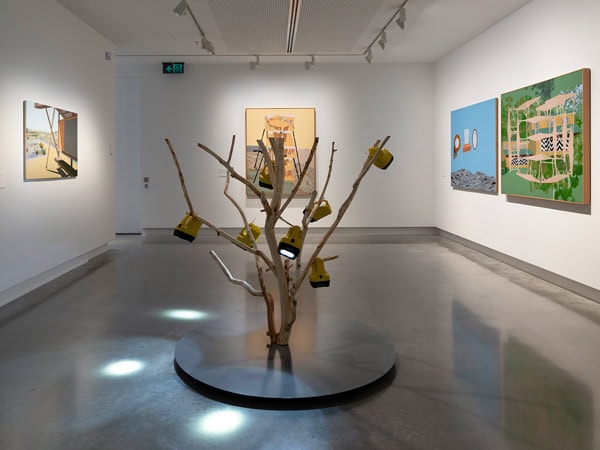
Cost: Entry to the gallery and most special exhibitions is free.
Address: Corner Southbank Boulevard &, Dodds St, Southbank
13. Centre For Contemporary Photography, Fitzroy
Art lovers with a specific interest in photography should head to Fitzroy, where they’ll find the Centre For Contemporary Photography .
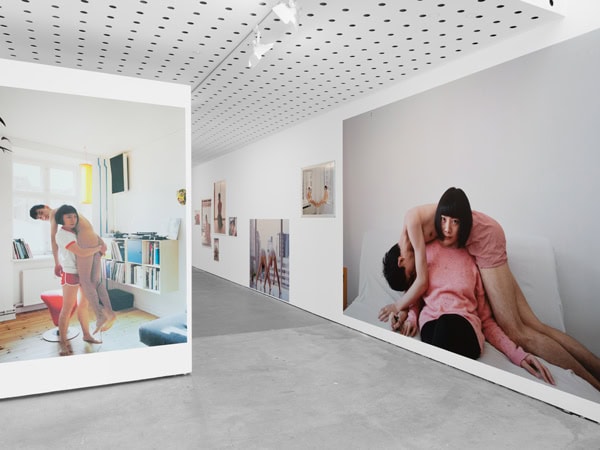
The not-for-profit institution has been around since the mid-80s and acts as an important resource centre for anyone looking to get into photography.
The collection is free to view and is mostly made up of works from emerging and established photographers across a wide range of practices.
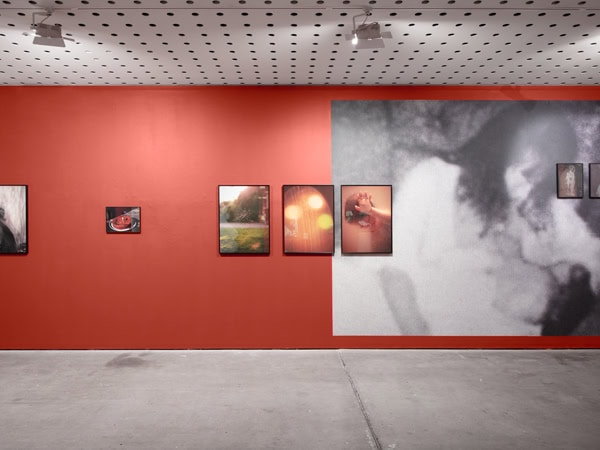
Cost: Entry to the gallery is free but education workshops are $5-$10 for students.
Address: 404 George St, Fitzroy
Weekly travel news, experiences
insider tips, offers, and more.
14. Gertrude Contemporary, Preston
You’ll now find Gertrude Contemporary in Preston but the project began its life in Fitzroy in 1983, established as a series of artist studios. There is also a satellite exhibition space called Gertrude Glasshouse, which can be found on Glasshouse Road in Collingwood.
The art complex is popular amongst Melbourne’s core art crowd, referenced mostly for its conceptual artworks and tireless support of the arts community through constant studio residencies.
Highlights: A frequently rotating collection of works across all types of mediums.
Cost: Entry to the gallery and most special exhibitions is free.
Address: 21-31 High St, Preston
15. The Blender Studios, West Melbourne
The Blender Studios is less of a year-round gallery that’s open to the public and more of an artist hub with space for residences and exhibitions.
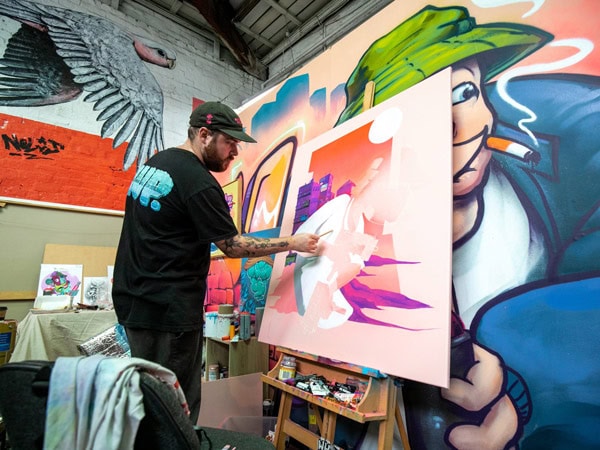
As opposed to more commercial galleries, this space is purposed for more accessible mediums, such as a wide variety of street art. As such, you can head along here to buy works from Blenders artists as well as join a street art tour of West Melbourne.
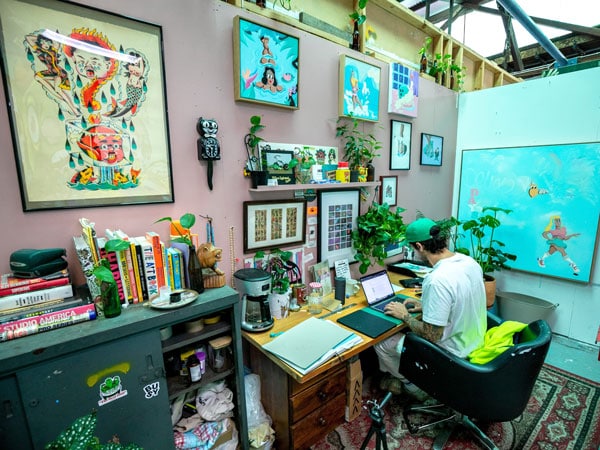
Cost: Entry to the gallery is free although most workshops will be ticketed.
Address: 33-35 Dudley St, West Melbourne
16. Koorie Heritage Trust, CBD
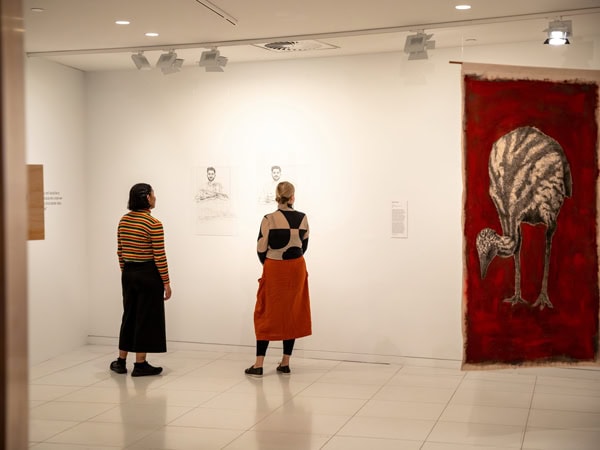
Dedicated to Koorie culture and First Nations art, the Koorie Heritage Trust is one of Melbourne’s most important art complexes with three dedicated gallery spaces.
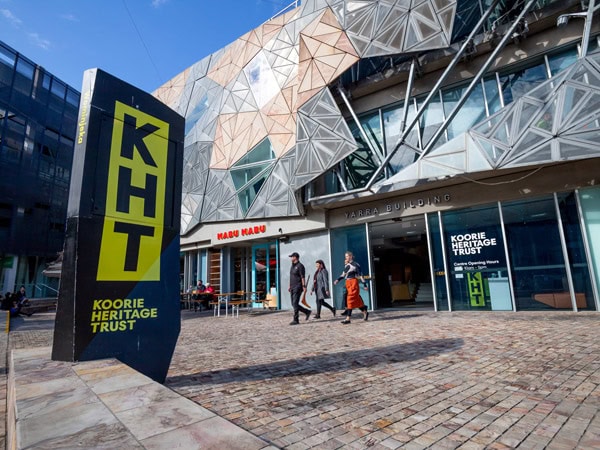
Works displayed here have been collected since the early 1980s, presenting a broad scope for those who want to admire Indigenous art and culture.
Most popular is the centre’s walking tours which explore the heart of Melbourne with an Indigenous guide, offering insights into the rich and complex history of the world’s oldest continuous living culture.
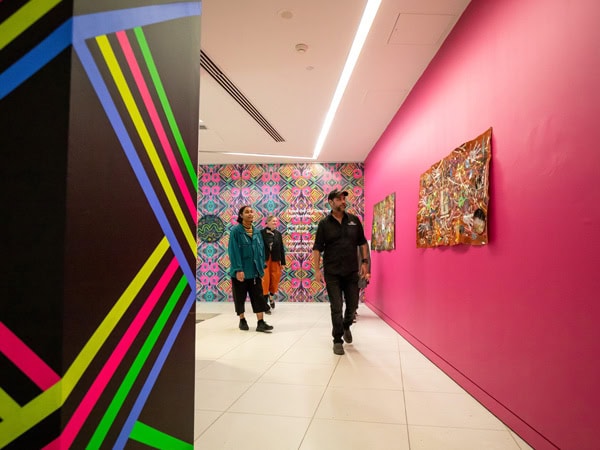
Cost: Entry to the gallery is free although some exhibitions may be ticketed.
Address: The Yarra Building, Federation Square, Flinders St &, Swanston St, Melbourne
17. Honey Bones Gallery, Brunswick
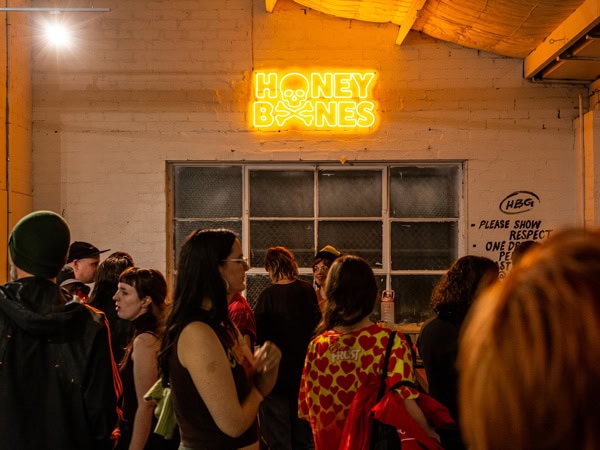
Run by artists, the Honey Bones Gallery in Brunswick is known for group shows that often showcase up to 50 artists at a time, as well as popular communal art parties.
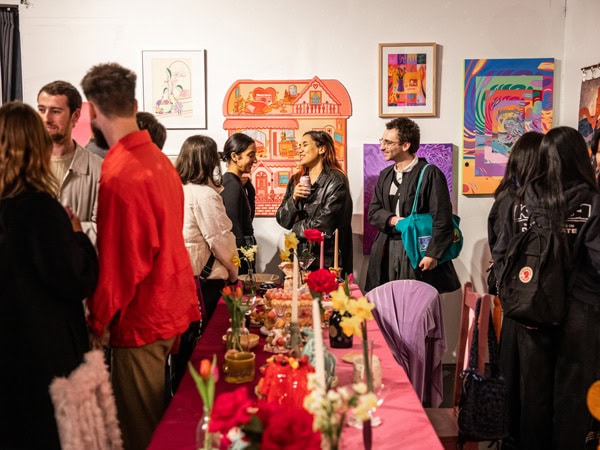
The gallery has a prescient reputation for digging deep into the community and championing artists before they become much bigger names. This is why collectors hold Honey Bones Gallery in such high regard.
Cost: Entry to exhibitions is generally free to the public.
Address:46 Trafford St, Brunswick
18. Museum of Australian Photography (MAPh), Wheelers Hill
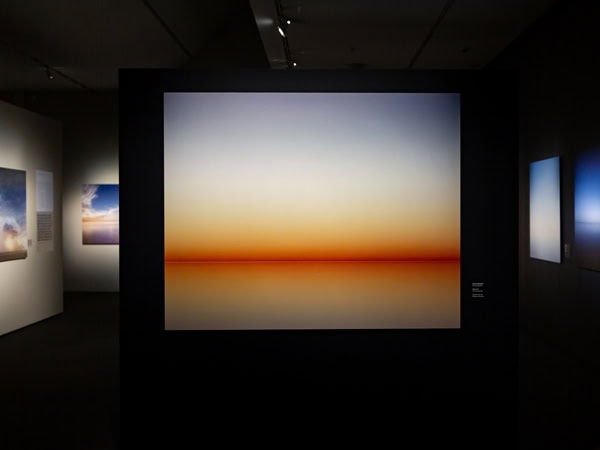
This Harry Seidler-designed building, hidden in Wheelers Hill, is a bastion of the visual arts. Everything MAPh does in the local community is in complete support of Australian artists.
Australian photographers take centre stage at MUPh throughout the year, fostering a comprehensive permanent collection of over 1,500 works tracking the history of visual storytelling in Australia.
With around 20 exhibitions per year, the Museum of Australian Photography is one of Melbourne’s busiest and most active incubators. There’s also a constant stream of innovative programs and talks, much like Fitzroy’s Centre For Contemporary Photography.
Cost: Entry to the gallery is free to the public but workshops and talks may be ticketed.
Address: 860 Ferntree Gully Rd, Wheelers Hill
19. RMIT Gallery, CBD
RMIT Gallery is another ode to visual storytelling with exhibitions that change frequently, blending art and research from the global University of Technology and Design.
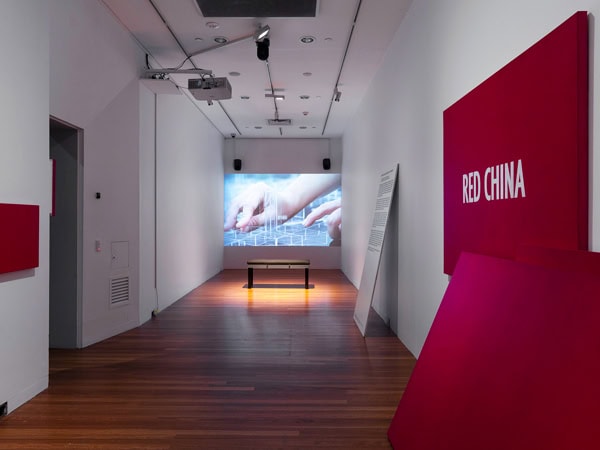
Exhibitions generally tackle big, cerebral questions like healing and connection, while also leaning heavily on RMIT’s extensive network in the worlds of arts and academia.
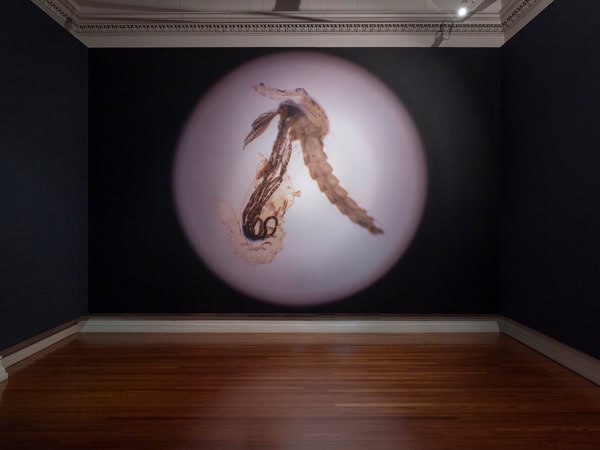
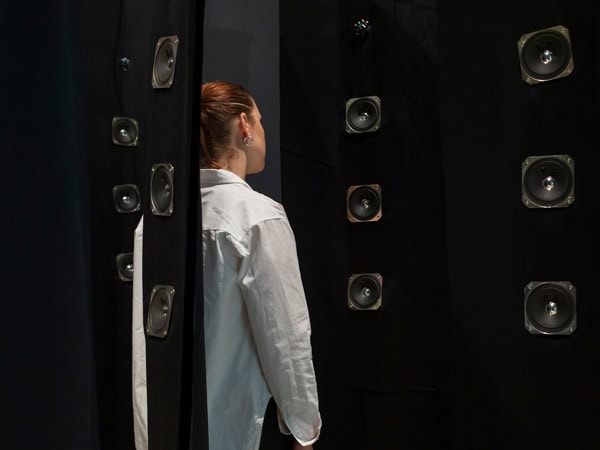
The throughline of cultural stories and provocative works is aimed mostly at the student population but anyone can enter this free public gallery.
Cost: Entry to the gallery is free.
Address: 344 Swanston St, Melbourne
Discover our must-read guide to Melbourne’s neighbourhoods.