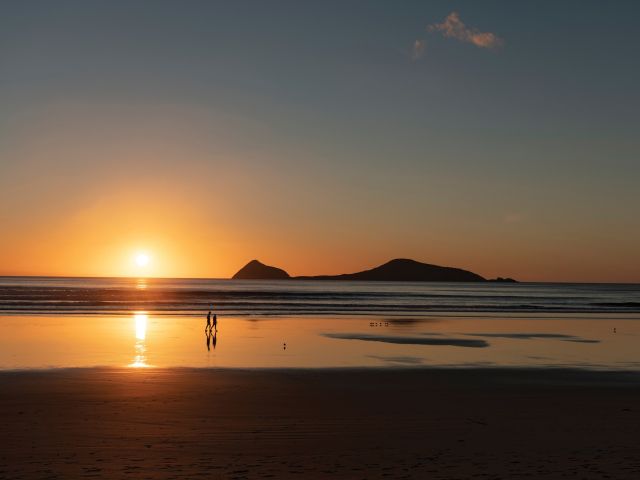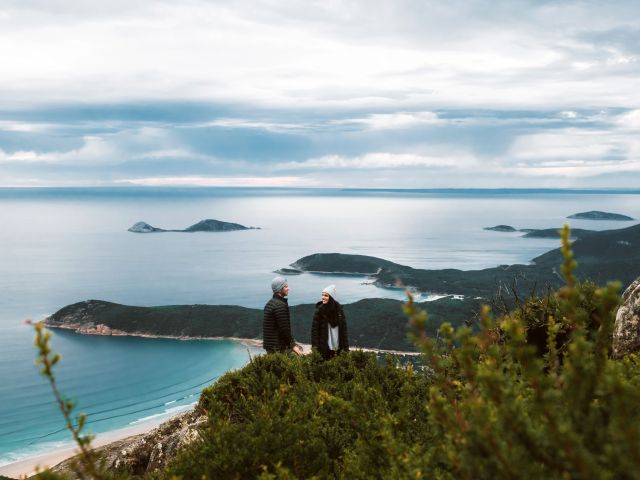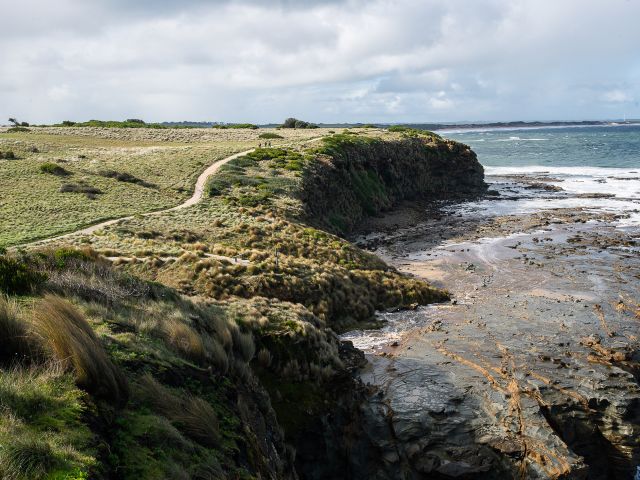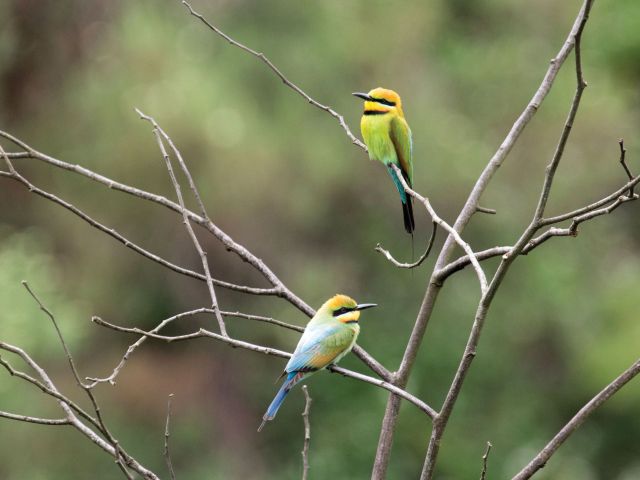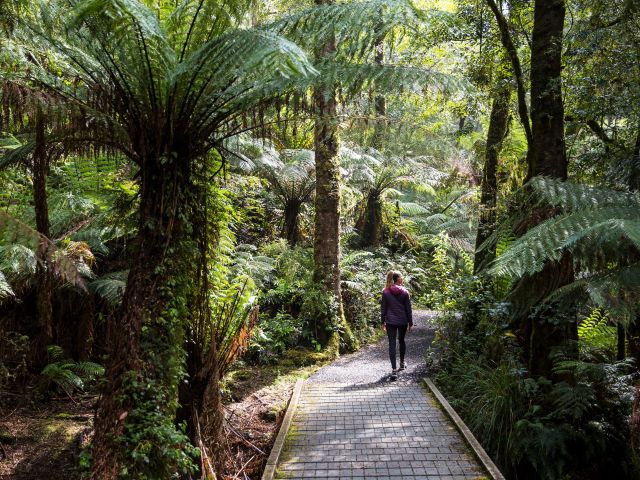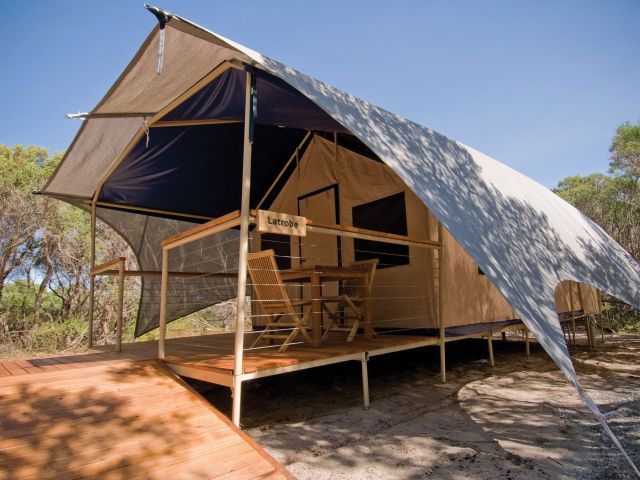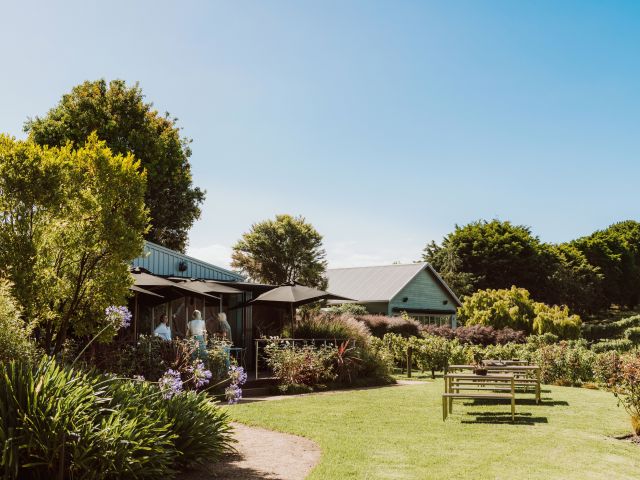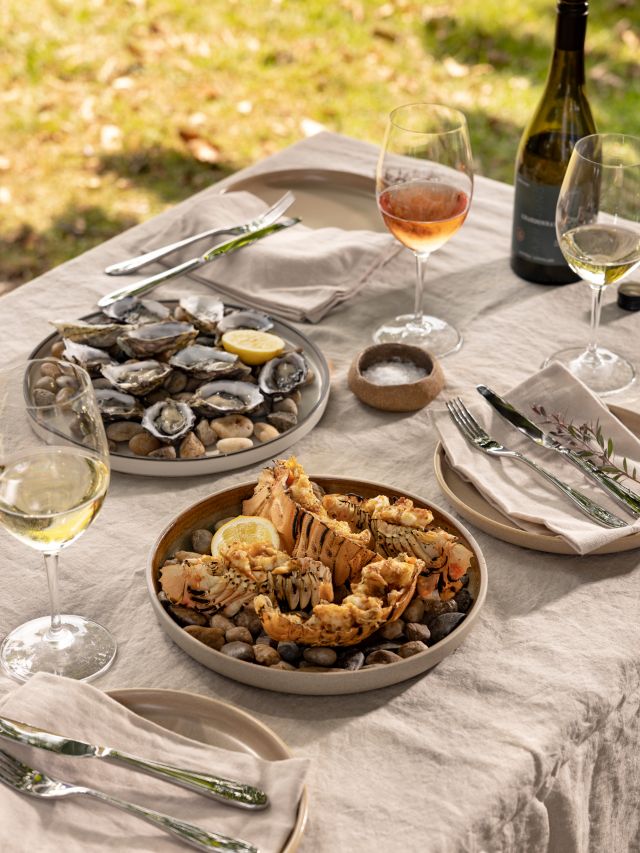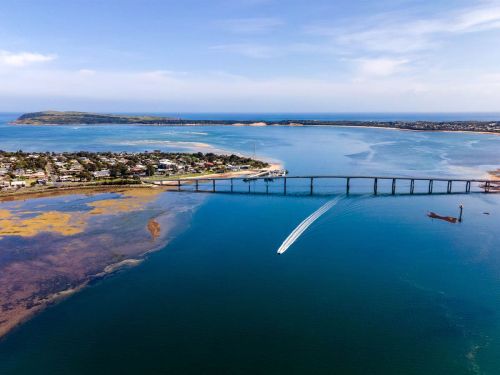
Phillip Island is a peaceful refuge, known for its flora and fauna – think penguins and fur seals – as well as its mesmerising sunsets, fantastic surfing, romantic dining and outdoor adventures on land or at sea.
A road trip doesn’t have to be a long trip. On Victoria’s Phillip Island, the answer to the perennial, “Are we there yet?" question is usually, “Yes, we are!"
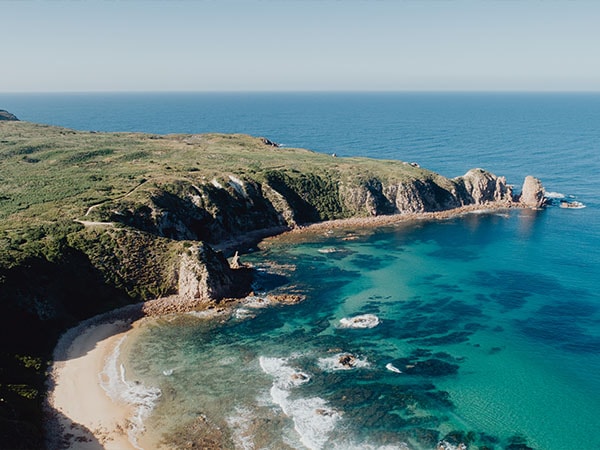
It packs so much into its 101 square kilometres, you’ll be hopping in and out of the car for hours, and even days on end, to see seals, koalas and, of course, penguins. You can surf, swim or just saunter at uncrowded beaches, and taste everything from succulent seafood to local wines. And there are modern and ancient history lessons, too.
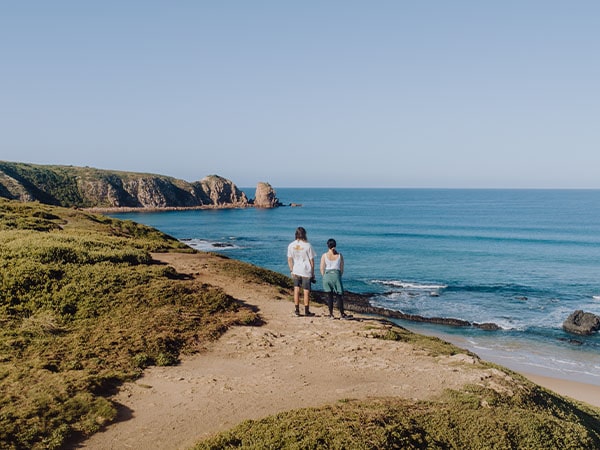
Phillip Island is a great destination to visit, whether as a weekender down from Melbourne or as part of the great around-Australia drive. Here are five easy road trips on the island that cover so many of the attractions and, once out of the car, there’s plenty to see and do on foot, too.
1. San Remo to Churchill Island
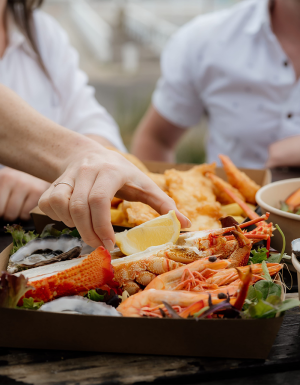
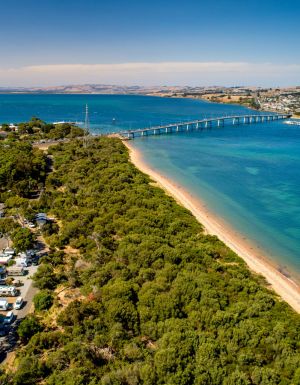
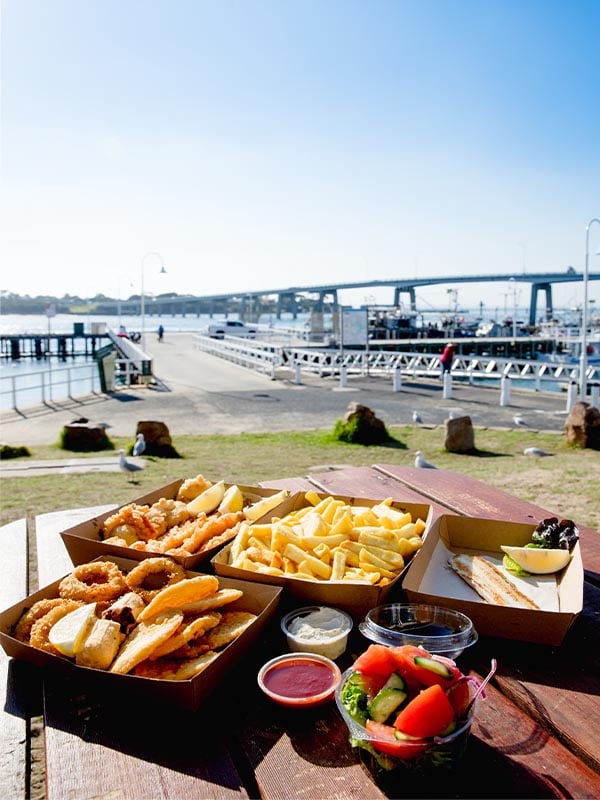
San Remo sits at the mainland end of the bridge onto the island, and it’s a good spot to break the drive if you’ve come down from Melbourne or across from Gippsland. It has a fisherman’s co-op, which means two things: the freshest seafood – including great fish and chips – and pelicans, which are fed daily at noon on the foreshore next to the bridge.
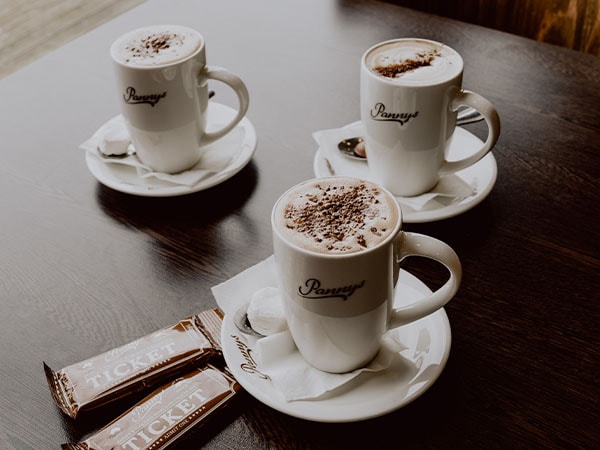
Once you’ve crossed onto the island, stop by the Visitor Information Centre for maps, brochures, ideas and indispensable local knowledge. It’s only five kilometres to Churchill Island, but you might be waylaid at the Phillip Island Chocolate Factory in Newhaven. Give yourself an hour for the tour into Panny’s Amazing World of Chocolate, where even your entry ticket is edible, or just drop into the cafe and shop for a hot chocolate and treats to take home, from boxed selections to a mega three-kilogram chocolate bar.
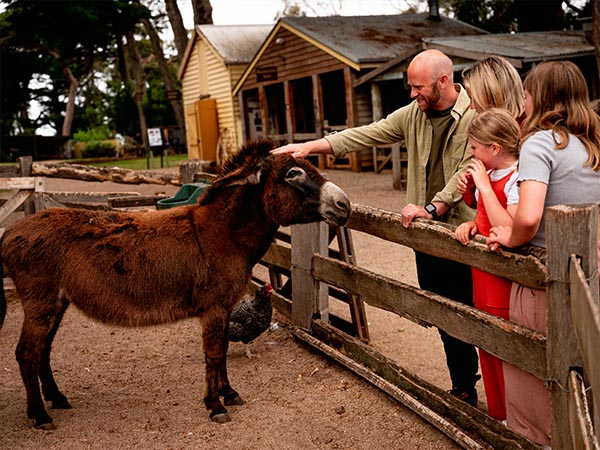
Turn right just past the Chocolate Factory for Churchill Island where the working farm – on land first walked by the Boonwurrung/Bunurong people – was established in the 1850s. Many buildings from the 19th century still dot the 57-hectare island, where you can see displays of milking, shearing, working dogs, blacksmithing and whip-cracking. There’s a wetlands walk, and the picturesque cafe is open for late breakfasts and lunch.
2. Newhaven to Rhyll
You’ve got two things to do right from the start in Newhaven. Take a scenic flight from the airport with Phillip Island Helicopters and then drop into the National Vietnam Veterans Museum. This engaging facility, run by volunteers, has countless interpretive displays of Australia’s involvement in war, from tanks and aircraft down to the balls used in the controversial conscription ballots.

Just out of town, look for a small road on the left to the Forrest Caves, a series of dramatic coastal formations visible at low tide.
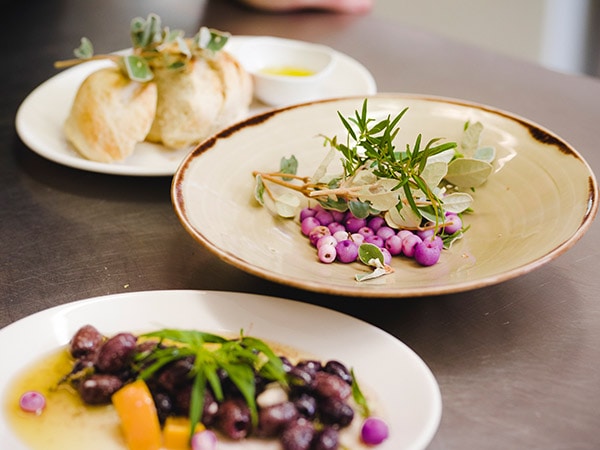
As you continue along the main road of Phillip Island, you’ll soon see a sign to Purple Hen Wines, one of two wineries on the island. It specialises in pinot noir and shiraz, plus red and white sparkling wines. Back on the road, you’ll be in Rhyll in no time; the tranquil village is located on a protected inlet with a lovely boardwalk through the mangroves. You can follow that boardwalk and enjoy lunch at Wild Food Farm and Cafe, a showcase for native herbs, spices, fruits and berries. Try a wattleseed scone, or perhaps a pepperberry beef pie or even Davidson plum jam with your barramundi. The farm store also sells a huge selection of products inspired by native ingredients, such as dukkah and spiced bush tomato relish and a Davidson plum syrup.
Need tips, more detail or itinerary ideas tailored to you? Ask AT.
AI Prompt
3. Cowes Pier to Nobbies
Cowes is the central hub of Phillip Island, a town with a holiday vibe servicing your shopping and dining needs and offering a range of accommodation. For coffee and brunch, head to casual cafes such as M&O Cafe and Tapas, The Waterboy Cafe and Island Whole Foods, which will please proponents of a plant-based diet.
Cowes has kilometres of north-facing beach, so do make a booking at beachfront restaurants such as Beach HQ or Hotel Phillip Island. The drinks list at Grenache Wine Bar includes more than 100 gins so it’s your go-to for a pre-dinner G+T before settling in for Pino’s Trattoria for pane all’aglio (garlic bread) and spaghetti arrabbiata followed by a scoop of gelato at Isola di Capri.
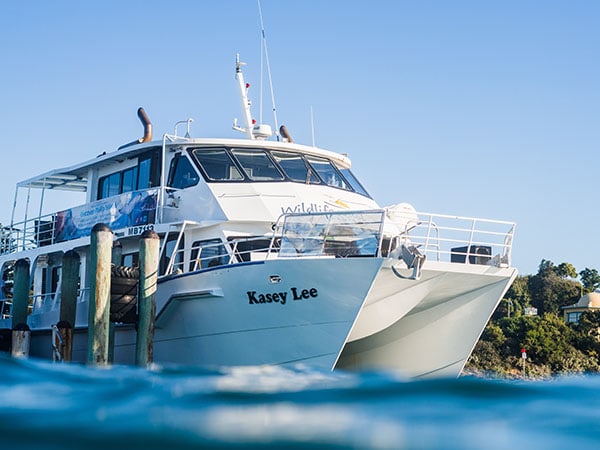
Hire an e-bike for a spin around town from Super Cruzer, or spend time on the water with Wildlife Coast Cruises.
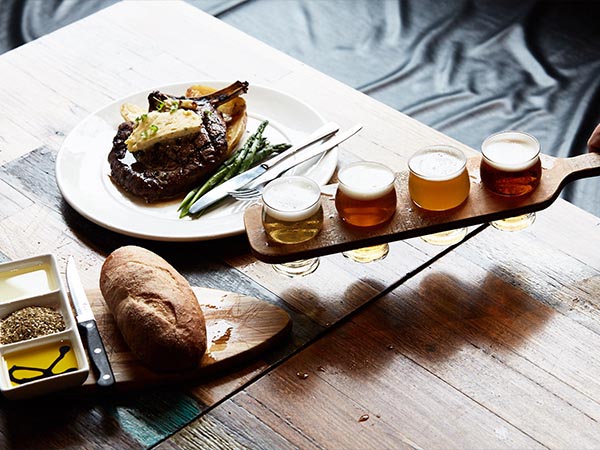
Just south of Cowes is a pair of wonderful family attractions: A Maze’N Things, with its wacky maze, illusions and puzzles, and the neighbouring Koala Conservation Reserve with its two treetop boardwalks for close encounters, plus wallabies and other wildlife on its easily accessible bushland trails. Across the road is the Rusty Water Brewery Restaurant and Bar, home to a great variety of Phillip Island brews.
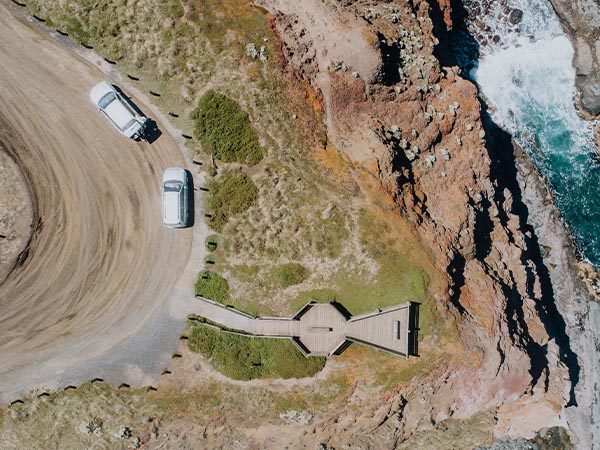
South-west from Cowes, it’s an easy 15-kilometre drive to the most rugged and spectacular part of the island, the western tip known as The Nobbies. On the way down, check out the amazing range of products at The Store. At The Nobbies, the cliffside boardwalk gets you up close to these distinctive rocks and you can look beyond to Seal Rocks, home to the country’s largest colony of Australian fur seals. For a more immersive experience, take a virtual voyage through the Southern Ocean, one of many amazing interactive encounters on offer at Antarctic Journey.

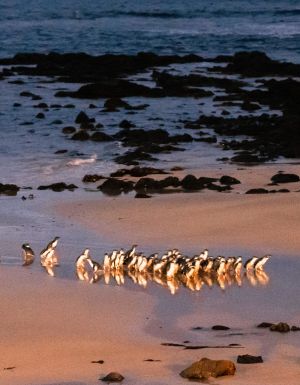
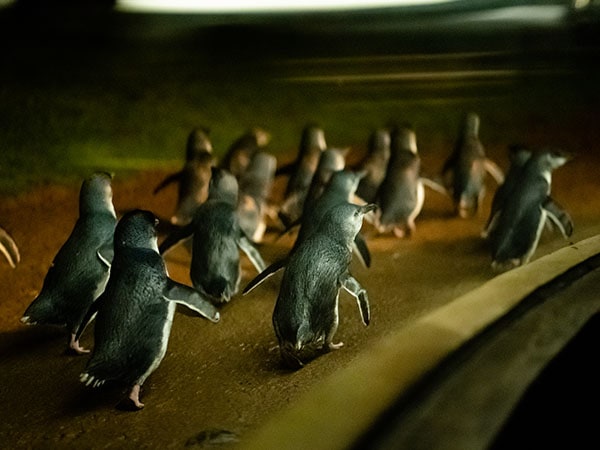
We’re not ignoring the world-famous Penguin Parade that you pass just before you arrive at The Nobbies; it’s an evening show, and one like no other.
4. North to South Loop
From the top of Phillip Island to the bottom and back mightn’t look too far, but you’ll need hours to take in every bit of adventure and nature along the way. Head south-west from Cowes through Ventnor and follow the Newhaven road before turning south to remote Kitty Miller Bay, where you’ll see remnants of the SS Speke, shipwrecked in 1906.
If beachcombing has given you an appetite, there’s a broad menu at Phillip Island Winery, supported by great summer varieties such as prosecco and rosé.

The day’s third coastal highlight is Pyramid Rock, a distinctive formation best viewed from the lookout at the tip of the cape. (If you’re keen on a good walk, there is a track linking to Berry Beach.)
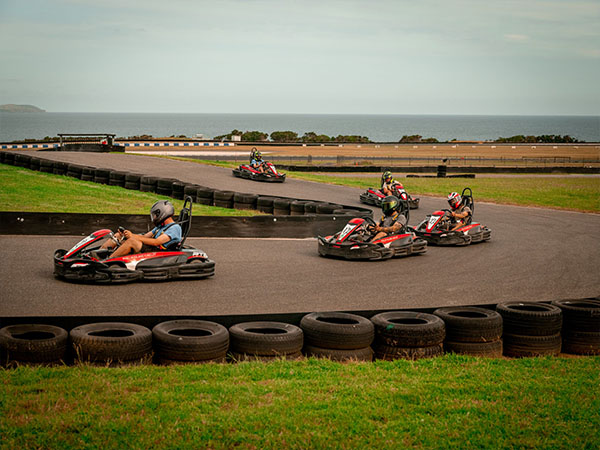
On non-event days, Phillip Island Grand Prix Circuit is still an arresting sight, because of the way the track dips and twists towards the ocean, making it one of the most exciting circuits in Australia. And you can get a feel of what it’s like yourself on a 750-metre-long track with Phillip Island Go Karts.
Weekly travel news, experiences
insider tips, offers, and more.
5. Smiths Beach to San Remo
Smiths Beach is one of the most diverse beaches on the south coast, offering everything from rock pools for paddling in to surf breaks rated as some of the most beginner-friendly in Victoria. If that appeals, Island Surf School can get you started.
There are plenty of other board-riding spots to inspect all the way around to Cape Woolamai, although that’s a break best left to experienced surfers. Instead, explore the scenic Cape Woolamai wonderland on foot. Park at the surf club and follow the loop track off the southern end of the beach down to the cape, where’ll you’ll see everything from wallabies to migratory shearwaters, and maybe even whales in winter.

Soon you’ll be back to San Remo, but maybe only after a meal at the Saltwater restaurant in Newhaven, which juts out right on the jetty and boasts 270-degree waterfront views. If you want one last thrill, Ocean Adventures in San Remo can take you diving, snorkelling on a sea scooter or drifting in a jetboat. Just leave some energy for the drive home.

Want more?
How do they fit all of this in 101 square kilometres, you may ask? Well, there’s even more to see and do, so go to visitphillipisland.com.au
Want to see more stories from Australian Traveller in your Google search results?
- Click here to set Australian Traveller as a preferred source.
- Tick the box next to "Australian Traveller". That's it.

Jeremey Bourke
View profile and articles