hero media

This WA town’s most endangered local is Australia’s newest Big Thing

Meet our latest Big Thing – with an even bigger purpose.

Aussies have always had a long-standing love affair with oversized roadside attractions. From a giant pineapple and big banana to a supersized prawn and enormous easel, our obsession with Big Things knows no bounds. And now, a pair of feathered friends has joined the flock.

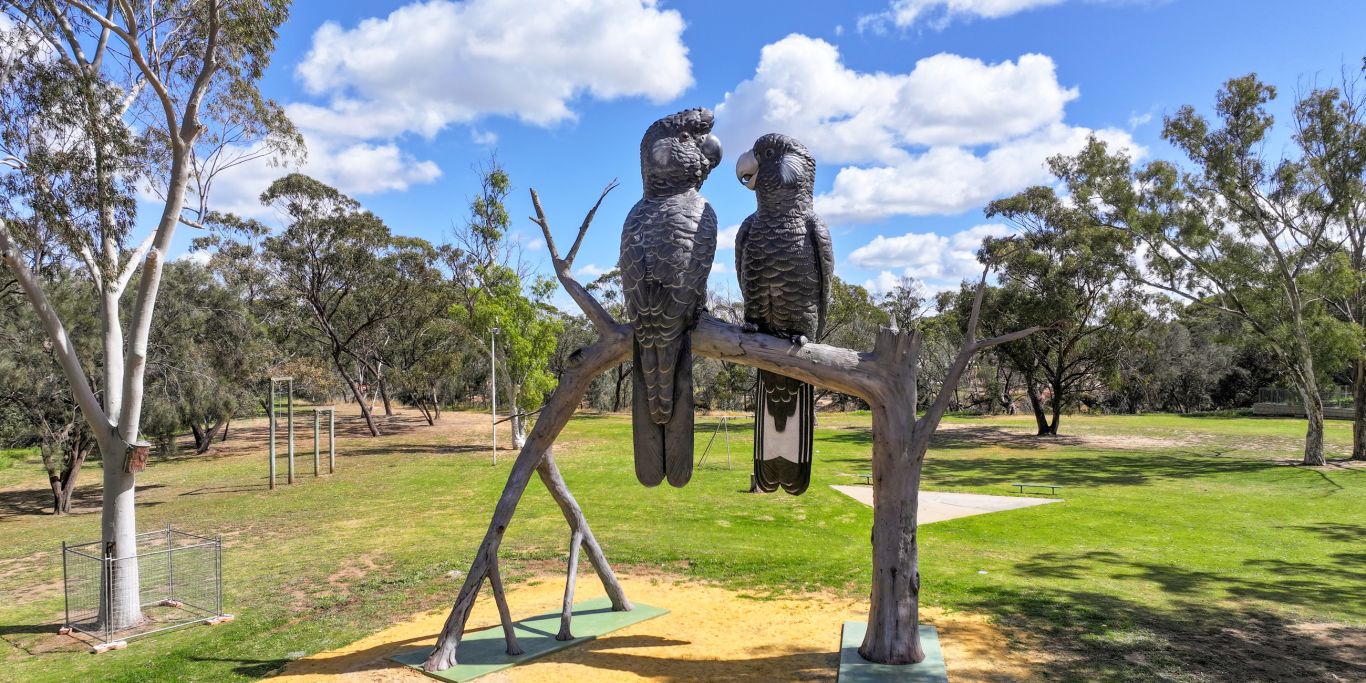
Introducing the Big Carnabys, two colossal black cockatoos perched high up on a sculptural branch. Officially unveiled last week in Moora, a small town within WA’s Wheatbelt region, the towering tribute is the latest addition to Australia’s big, beloved collection.

A new feather in Moora’s cap

It may be the country’s latest Big Thing, but bringing the Big Carnabys to life has taken more than seven years. Originally conceived in 2019 by community conservation collective the Kerkhoff Carnaby Group (KCG), the ambitious project was made possible after tireless fundraising efforts and unwavering local support.
The Big Carnabys in Moora, Western Australia
The Big Carnabys sculpture has officially joined Australia’s line-up of Big Things.

The driving force behind it all? Raising awareness for the critically endangered species that KCG aims to protect. Named after local Moora conservationist Wally Kerkhoff, the volunteer-led organisation raised over $500,000 to complete the sculpture, with 74 per cent coming from community donations.

Standing at 11.5 metres tall, the Big Carnabys are expected to serve as a major drawcard for the region and put Moora on the map for tourists. It’s a fitting location too; Carnaby’s black cockatoos flock to the town between July and February each year, where they breed in hollow native gum trees.
The Big Carnabys in Moora, Western Australia
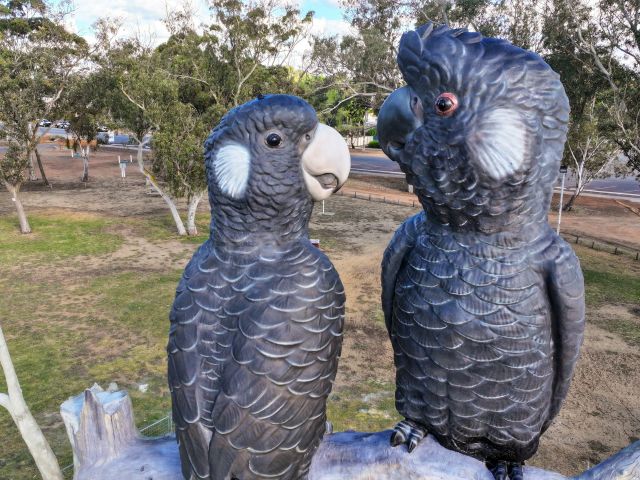
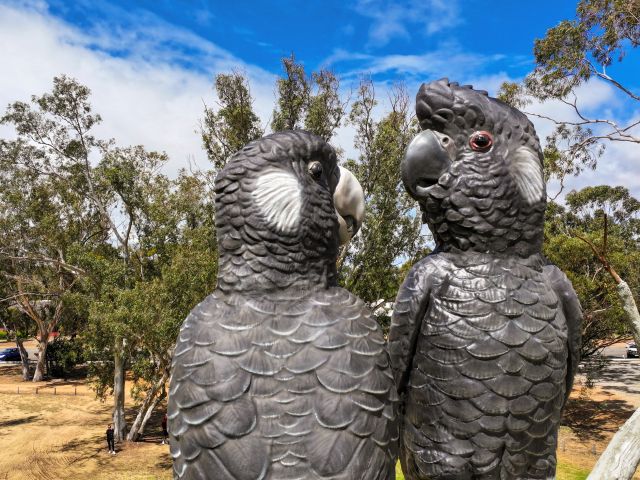
Locals have lovingly named the pair Wally and Mrs Carnaby.

The two birds are known locally as Wally and Mrs Carnaby; the first in honour of 84-year-old Kerkhoff, who then personally selected the name of his feathered counterpart. The pair can be found in Moora’s Apex Park, roughly 170 kilometres north of Perth (or two hours by car).

Wally and Mrs Carnaby are already attracting visitors too – and not just of the human variety. In a poignant twist, a small group of Carnaby’s black cockatoos landed on the heads of each sculpture the day it was installed, making themselves right at home atop their new larger-than-life companions.

Need tips, more detail or itinerary ideas tailored to you? Ask AT.

AI Prompt

The fight to save the Carnaby’s

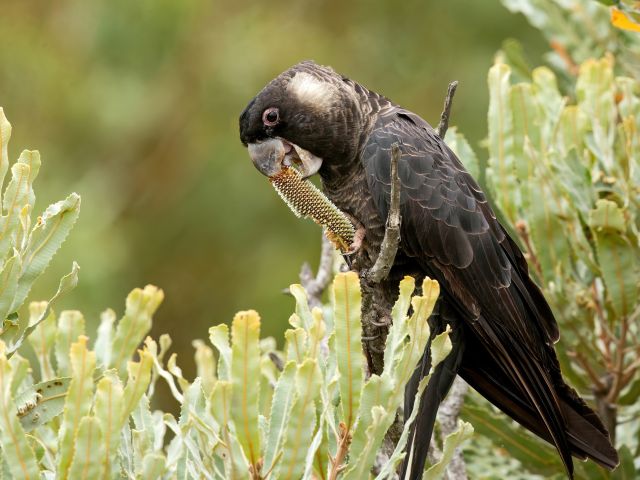
Our Big Things have always been about making an impression. But this latest addition is hoping to make a difference, too. Carnaby’s black cockatoos are listed as critically endangered under Australia’s Environment Protection and Biodiversity Conservation Act 1999, and could even face extinction within the next 20 years.
Carnaby's black cockatoo
Carnaby’s black cockatoos face an uncertain future due to ongoing threats like habitat loss. (Credit: Getty Images/Dave Irving)

Over recent decades, ongoing ecological threats such as agricultural clearing, habitat destruction, climate change and nesting competition have cut the species’ population in half. Organisations like KCG are making a difference, but the fight is far from over.

That’s where the Big Carnabys come in. Beyond attracting tourists to Moora, the sculpture aims to raise awareness of the species’ plight and encourage visitors, both young and old, to take an active role in its conservation.
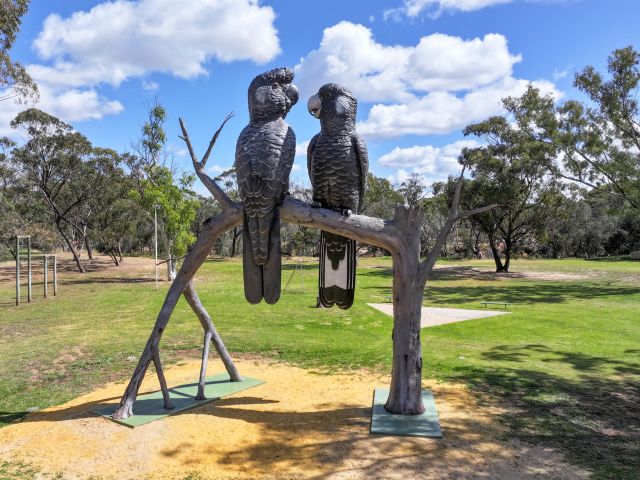
The Big Carnabys in Moora, Western Australia
The sculpture aims to raise awareness around the critically endangered species it’s named after.

It joins a growing wave of national initiatives fighting to protect native birds and wildlife, including the biannual Australian Bird of the Year competition. Originally launched in 2017 and held every two years since, it invites Aussies to vote for their favourite feathered species, whilst also raising awareness around the challenges each face.

So, while our new Big Thing may be a delight to behold, it’s also a powerful reminder that Australia’s natural wonders deserve more than just our admiration – they deserve our protection too.

Want to see more stories from Australian Traveller in your Google search results?

  1. Click here to set Australian Traveller as a preferred source.
  2. Tick the box next to "Australian Traveller". That's it.
Taylah Darnell
Taylah Darnell is Australian Traveller's Writer & Producer. She has been passionate about writing since she learnt to read, spending many hours either lost in the pages of books or attempting to write her own. This life-long love of words inspired her to study a Bachelor of Communication majoring in Creative Writing at the University of Technology Sydney, where she completed two editorial internships. She began her full-time career in publishing at Ocean Media before scoring her dream job with Australian Traveller. Now as Writer & Producer, Taylah passionately works across both digital platforms and print titles. When she's not wielding a red pen over magazine proofs, you can find Taylah among the aisles of a second-hand bookshop, following a good nature trail or cheering on her EPL team at 3am. While she's keen to check out places like Scotland and North America, her favourite place to explore will always be her homeland.
View profile and articles
hero media

Exploring an icon: inside the massive upgrade to Broome’s famous Cable Beach

(Credit: Tourism WA)

    Lucy Cousins Lucy Cousins
    With unhurried mornings, long, sun-filled afternoons, evenings shaped around sunset, this iconic beach offers an all-day experience (and it’s about to get even better).

    As the sun slowly rises over the languid waves and fine sand of Broome’s Cable Beach, the morning colours shift from rich apricot to pale gold and frosty pearl. Remnants of life reveal themselves in the subtle shadows – crab claw marks, towel impressions, footprints. Life here is unhurried, but don’t be fooled. This town is continually shifting like the desert dunes that surround it.

    And with a $75 million upgrade – offering easier and more inclusive access for people of all abilities – it’s getting even better.

    Cable Beach upgrade foreshore redevelopment stage 1
    Discover the Cable Beach redevelopment.

    The addition of comfortable and welcoming spaces has begun (and will continue). This means visitors will be able to spend longer enjoying this beautiful environment, while knowing that the upgrade will create a more environmentally protected setting that preserves the natural character visitors come for. Come sunset, soak it in all the better thanks to the already improved foreshore areas, made for lingering while the light changes. And for the kids, a new splash park and accessible dry playground will make it easy to while away the hours.

    Think you know what a day at this beach is like? Think again.

    Morning colours

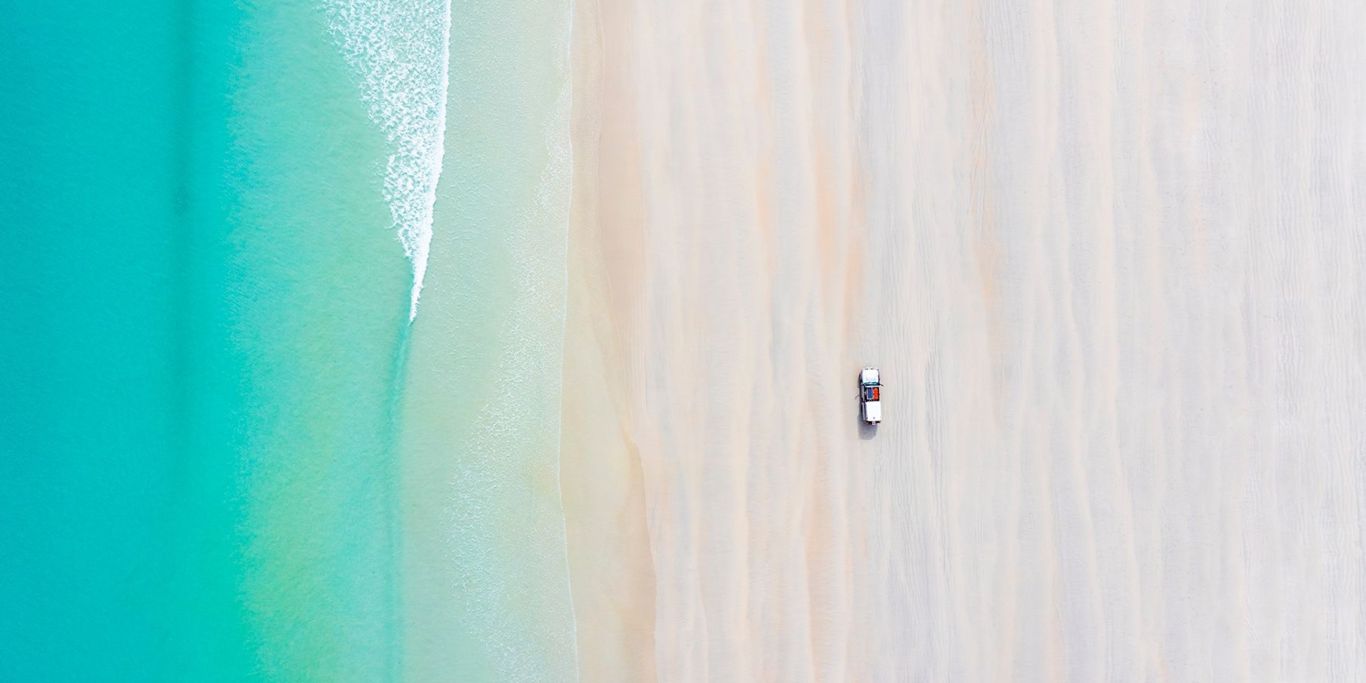
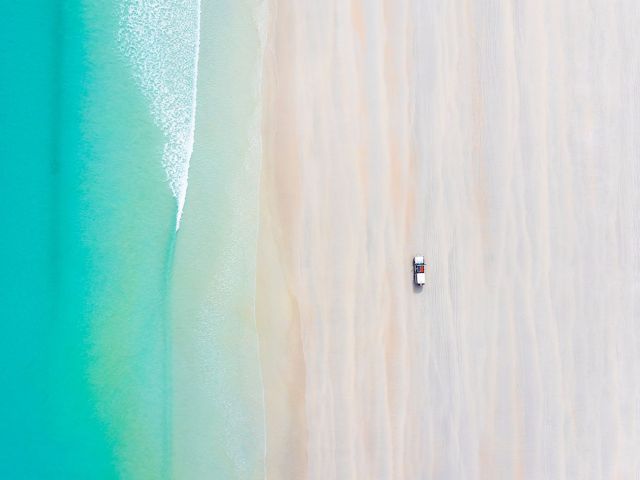
    car on cable beach at sunrise
    Cable Beach comes alive after sunrise. (Credit: Tourism WA)

    As the sun colours the sky, Cable Beach shows signs of life (and not just the aquatic kind). Locals and visitors alike float in the cool water as it laps the shore, landlubbers explore the coast on foot, runners pace and beachside yoga classes bring quiet movement to the day.

    When the sky is blue and the sun is firmly in position, head down to the well-known Cable Beach House for a long, slow breakfast overlooking the ocean. Think fresh tropical fruit, eggs cooked your way and strong coffee in the warm morning breeze.

    Afternoon adventures

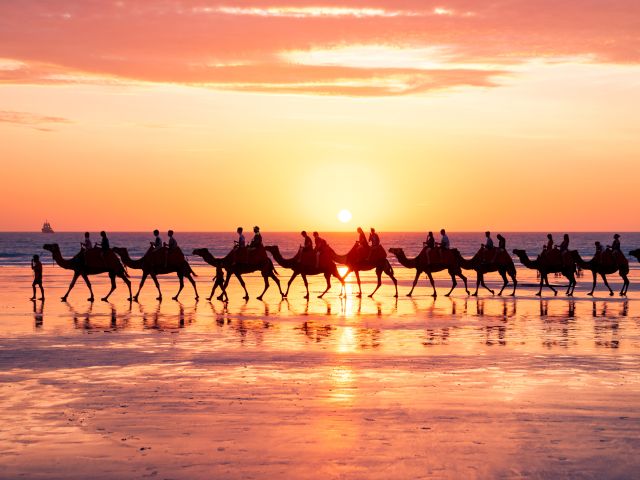
    camel train on cable beach in broome at sunset
    Join a camel train at sunset. (Credit: C J Maddock)

    When you’re ready to explore, carve a path along the Minyirr Park Trail – a gentle 1.5-2km track through coastal bushland with spectacular views of the dunes. Refuel at the nearby Spinifex Brewery for lunch with its low-key, outdoor beer garden. There’s even an outdoor playground if you’re travelling with young humans.

    Walk off your lazy lunch by watching (or joining) one of the beach soccer or volleyball games, or even try Silent Beats Broome – a silent walking disco through the dunes. Or book a spot on the famous camel trains, watching the sun drop below the horizon along the way. They’re a constant reminder of the fascinating history, landscape and cultural mix in this part of the country.

    Evening degustation

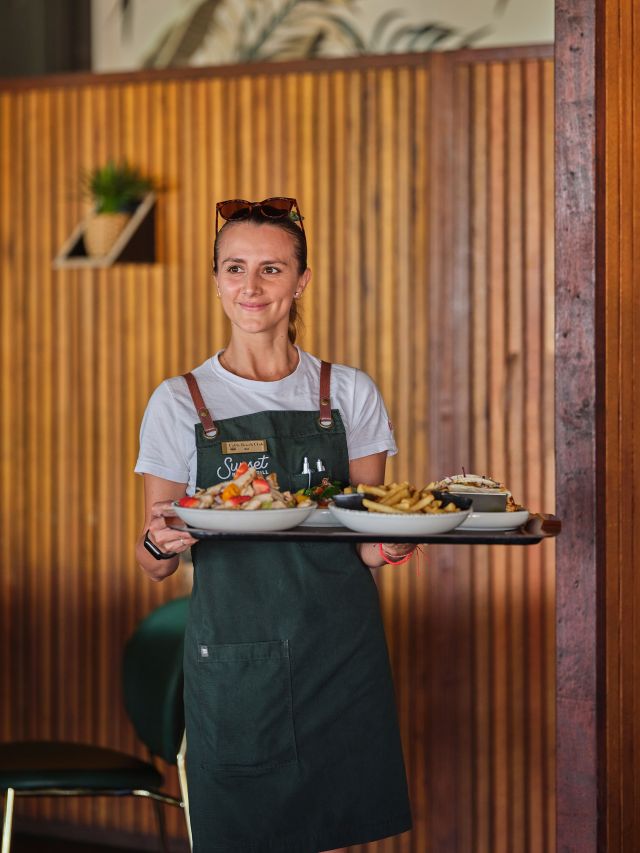
    server at Cable Beach Club
    Stop into the Cable Beach Club. (Credit: Tourism WA)

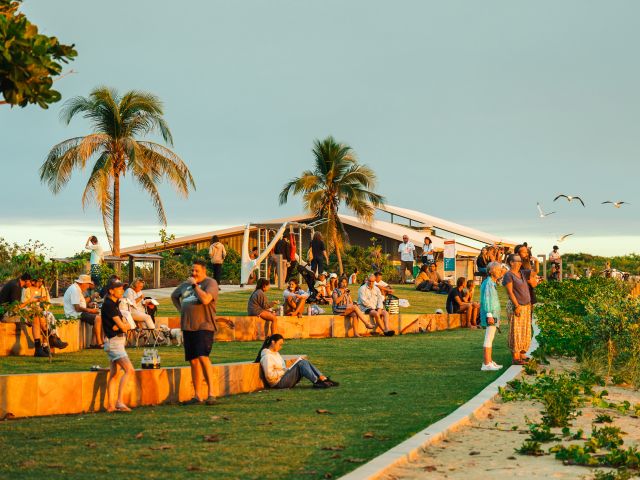
    As the day closes, watch the world-famous Cable Beach sunset from the appropriately named Sunset Grill at Cable Beach Club. This open-air terraced dining spot overlooking the beach is the kind of place where the view takes centre stage.

    While you sip on a lychee, lime & lemonade mocktail or a local beer, enjoy the bustle of life and nature outside as the day comes to an end.

    For dinner, nab a table at the Bali Hai Cafe, where they offer pan-fried crispy barramundi, Abrolhos Island scallops and deep-sea snow crab. When you’re ready for bed, check in to Pinctada Hotel Broome – a lush, tropical resort with palm-dotted gardens and a large, lagoon-style pool to cool off in.

    Beyond the beach

    Beyond the wide, open beach and never-ending sky of Cable Beach, there are many more reasons to visit North West Australia. These are just a few.

    Unmatched experiences

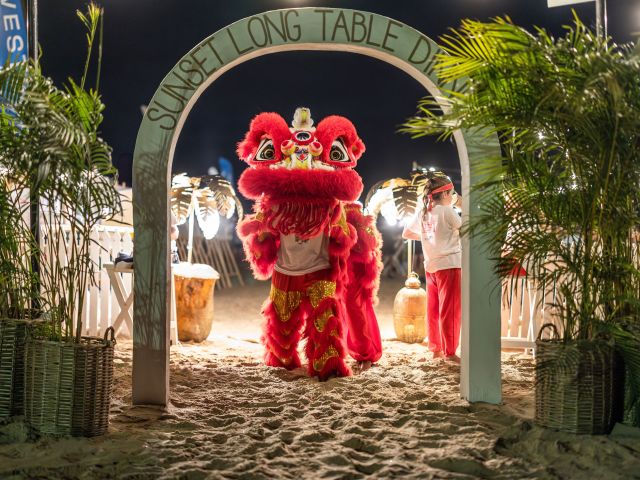
    Shinju Matsuri Festival's popular Long Table Dinner on cable beach
    Join Shinju Matsuri Festival’s popular Long Table Dinner. (Credit: Tourism WA)

    Engage with the history of the land and its people on an Indigenous cultural tour exploring everything from the local wildlife to the tastes of bush tucker. To understand the importance of pearling to this town, take a tour of Chinatown, or head outside of town to the live pearl harvests at Willie Creek or Cygnet Bay Pearl Farm, one of Australia’s oldest pearl farms.

    Learn why Japanese pearlers were central to Broome’s pearling success and visit the largest Japanese cemetery in Australia, where 900 Japanese pearlers were buried – a testament to the risks and rewards of this dangerous profession.

    And book ahead every spring for when communal tables, freshly cooked local fare and festoon lighting fill the beach for the extremely popular Long Table Dinner on Cable Beach. It’s a highlight of the Shinju Matsuri Festival, along with the Floating Lanterns Matsuri, where you can personalise a lantern and gently release it into the sea to honour those you love.

    Dining discoveries

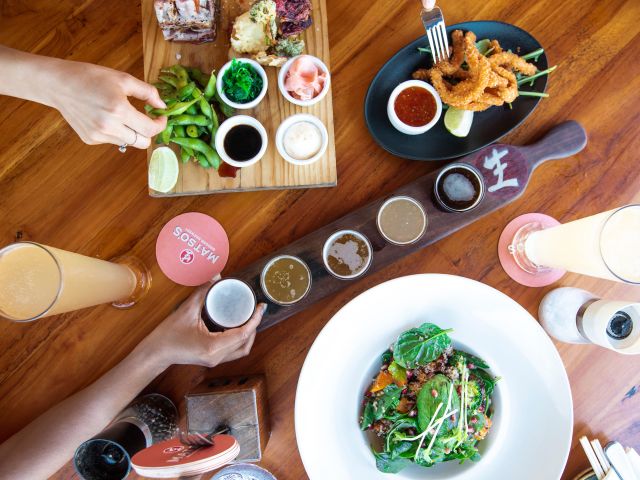
    Matso’s Broome Brewery
    Settle in for Matso’s famous ginger or mango beer. (Credit: Tourism WA)

    Further your culinary adventure at the laid-back Sunday Sesh at Matso’s Broome Brewery. Chow down on smoked crocodile or Aussie barramundi while kicking back to a local DJ as the heat of the day fades.

    For more tunes, the beautiful outdoor Bay Club at the Mangrove Hotel is a great choice for dinner with live music, DJs or an event that stretches on into the early hours. Still hungry? Pop by Johnny Sausage for Italian-influenced meals paired with impeccable wines.

    Natural beauties

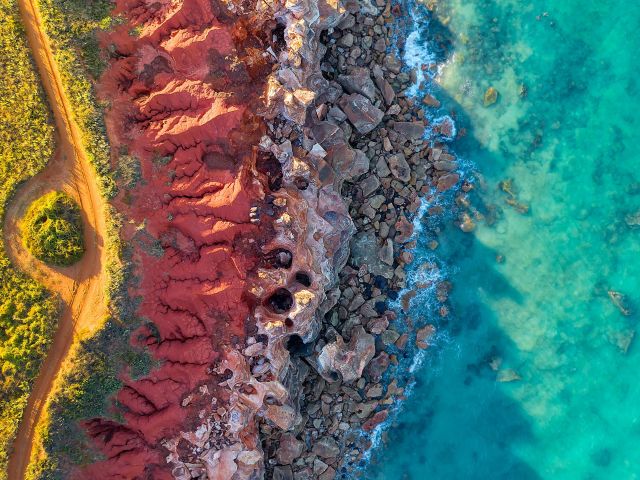
    Gantheaume Point cabnle beach broome
    Experience the striking colours of Gantheaume Point. (Credit: Tourism WA)

    Avoid the crowds and head to Town Beach for a quieter vantage point to see the phenomenal Staircase to the Moon – a natural illusion where the rising full moon is reflected on the tidal flats, creating a shimmering ‘staircase’ stretching up to the sky.

    Just south of Cable Beach are the deep red cliffs and dramatic ocean views of Gantheaume Point, where 130-million-year-old dinosaur footprints can be seen, revealed at low tide. Or head to Roebuck Bay to visit the internationally significant wetlands, where vast tidal flats are home to shorebirds and coastal fauna.

    Between October and March, watch turtles nesting and hatchlings emerge from the sand. You’ll be holding your breath as they make their way down to the shoreline, ready to start their life in one of Australia’s most beautiful landscapes.

    For more on Cable Beach and Australia’s North West, visit australiasnorthwest.com.