hero media

This stargazing lodge is Australia’s only DarkSky-approved stay

You’ve never seen the stars like this – or slept this well.

In a groundbreaking achievement for astrotourism, Kestrel Nest EcoHut, nestled within Highfield Farm and Woodland in New South Wales’ Riverina region, has been officially certified as Australia’s first International DarkSky Approved Lodge. This places it among just a handful of DarkSky-certified lodgings worldwide – there are only nine across the globe – and the only one in the southern hemisphere.

The prestigious certification from DarkSky International recognises accommodations that minimise light pollution and actively protect the natural night-time environment. For Kestrel Nest EcoHut, it’s yet another milestone in a long-standing commitment to sustainability and nature-led experiences.

“We’re excited to champion the importance of dark skies, both for human connection to the wonders of the universe, but also its role in protecting and enhancing the environment for wildlife," co-owner Louise Freckelton tells Australian Traveller.

“Light pollution is one of the easiest [types of] pollution to reverse. It’s a very simple way everyone can make a significant contribution to the environment."
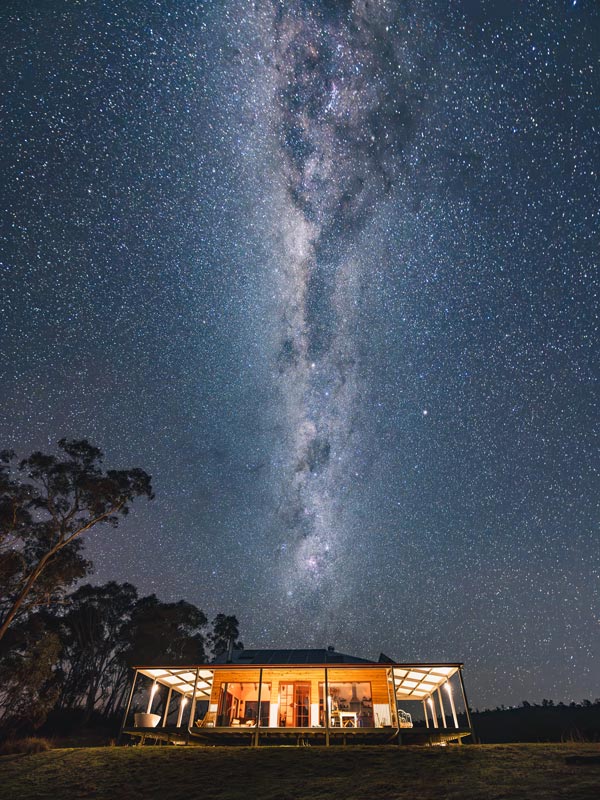
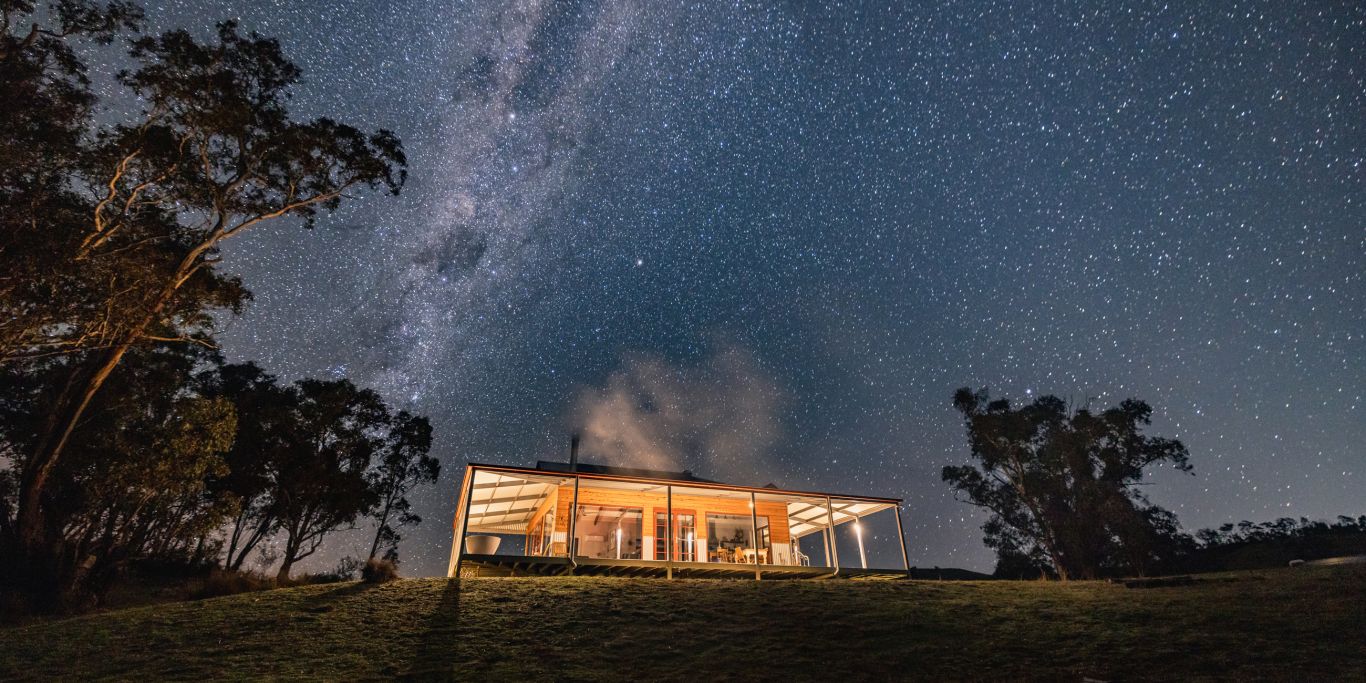
Kestrel Nest EcoHut at night with Milky Way above
Kestrel Nest EcoHut is in NSW’s Riverina region. (Image: Grant Hardwick)

Situated amidst the rolling hills of Mount Adrah, Kestrel Nest EcoHut offers guests an unparalleled opportunity to disconnect from the digital world and reconnect with nature.

The off-grid, solar-powered retreat is designed with sustainability at its core, featuring recycled and locally sourced materials, double-glazed panoramic windows, and an outdoor bath that invites guests to “starbathe" under the pristine night sky. Guests can also stargaze from a hammock perfectly positioned beneath the Milky Way or hire binoculars for an even closer look.

Achieving the DarkSky Approved Lodging certification involved carefully redesigning outdoor lighting across the property, ensuring it aligned with the five principles of responsible outdoor lighting. The result? A space that not only protects nocturnal wildlife but also offers guests an unfiltered celestial show.

“The absence of light pollution allows for an unforgettable and essentially free, awe-inspiring experience," says Freckelton.

“In a world filled with constant stimulation and distraction, a truly dark sky offers a rare and invaluable opportunity to be in the moment. In this way, stargazing is more than just amusement; it becomes a wellness experience."
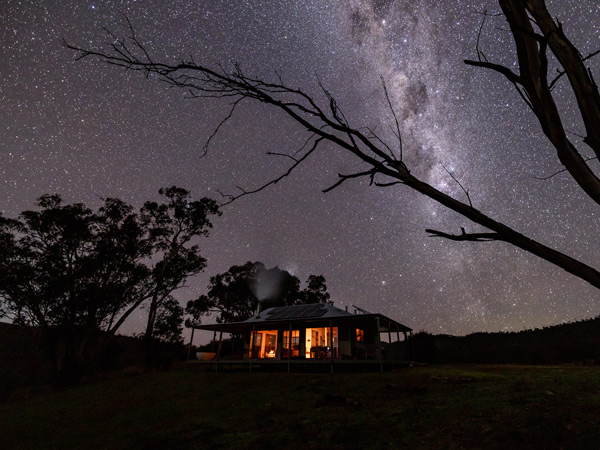
Kestrel Nest EcoHut at night with Milky Way above
There’s no better way to stargaze. (Image: Grant Hardwick)

One of Freckelton’s most memorable moments? Watching the Lyrids Meteor Shower from bed inside the EcoHut.

“The ceiling-to-floor windows allowed for a cosy and spectacular view with tens of meteors streaming across the sky," she says.

“Way better than any human-generated firework or laser display. An extraordinary display of [mother] nature doing her thing."

Looking ahead, Kestrel Nest EcoHut will focus on making the night sky more accessible. Guests are encouraged to download a stargazing app before their stay and can consult the in-hut celestial calendar to find out what will be visible during their visit, from full moon rises to planetary alignments and meteor showers.

“We aim to facilitate people’s understanding and experience," Freckelton says. “Many city dwellers have no idea, even as something as regular as the phases of the moon. For many, just experiencing the rise of a full moon over a rural landscape is breathtaking."
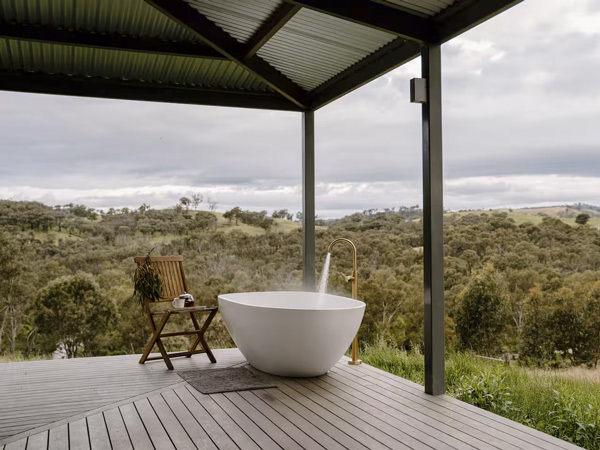
Kestrel Nest EcoHut outdoor bath
The outdoor bath invites guests to “starbathe" under the night sky. (Image: Stephanie Hunter)

Plans are also underway for the EcoHut to be included in a proposed inland dark sky travel route and to offer cultural stargazing experiences in collaboration with local Wiradjuri knowledge holders.

“The night sky (Sky Country) is one way to link the Dark Sky experience with First Nations peoples’ stories of the universe," says Freckelton.

“The epic tale of the Seven Sisters and the importance of understanding the Dark Emu for food gathering are just two of the easily seen interpretations we can help to highlight. We’re in discussion with local knowledge holders about providing an experience where this ancient knowledge and storytelling can be developed into a guest experience."

Freckelton and co-owner David Bray are no strangers to conservation. Two-thirds of their 390-hectare property is protected under a conservation covenant, and they were Highly Commended in the Ecotourism category at the 2024 Qantas Australian Tourism Awards in the Ecotourism category. Their DarkSky certification now joins an existing Ecotourism Australia Eco Certification, helping cement their mission to offer meaningful, regenerative stays.

For those seeking a serene escape that harmoniously blends luxury, sustainability and celestial wonder, Kestrel Nest EcoHut stands as a beacon of responsible tourism and environmental stewardship.
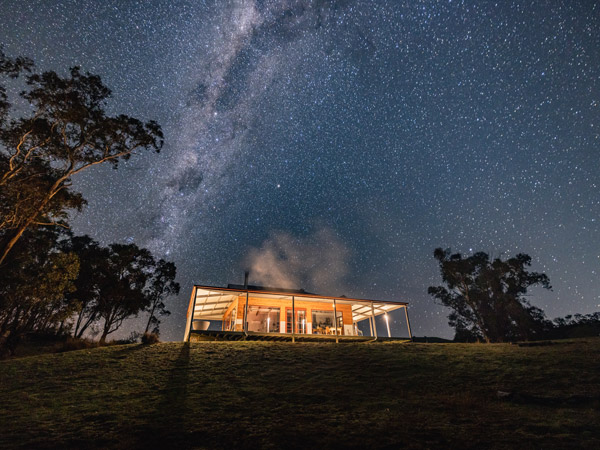
Kestrel Nest EcoHut at night with Milky Way above
There are only a handful of DarkSky-certified lodgings worldwide. (Image: Grant Hardwick)

Need more? Explore the best places to see the Milky Way around Australia.

Need tips, more detail or itinerary ideas tailored to you? Ask AT.

AI Prompt

Want to see more stories from Australian Traveller in your Google search results?

  1. Click here to set Australian Traveller as a preferred source.
  2. Tick the box next to "Australian Traveller". That's it.
Emily Murphy
Emily Murphy is Australian Traveller's Email & Social Editor, and in her 4+ years at the company she has been instrumental in shaping its social media and email presence, and crafting compelling narratives that inspire others to explore Australia's vast landscapes. Her previous role was a journalist at Prime Creative Media and before that she was freelancing in publishing, content creation and digital marketing. When she's not creating scroll-stopping travel content, Em is a devoted 'bun mum' and enjoys spending her spare time by the sea, reading, binge-watching a good TV show and exploring Sydney's vibrant dining scene. Next on her Aussie travel wish list? South Australia and The Kimberley.
View profile and articles
hero media

8 reasons Moree should be on your next road trip itinerary

    Lucy Cousins Lucy Cousins
    Discover what makes this country town the perfect place to slow down, switch off and recharge.

    At first glance, the country town of Moree may look like just another charming highway town, with heritage buildings, a leafy town centre and classic pubs the locals love. However, this regional New South Wales town is Australia’s Artesian Spa Capital, a wellness hub with a rich Indigenous cultural history and a growing reputation as a destination for slow travel.

    Moree is ideally located at the crossroads of the Gwydir and Newell highways (and is also easily reached by train and air), making it a refreshing destination, or stop, on any road trip. And these eight experiences show why.

    1. Taste Moree on a Plate

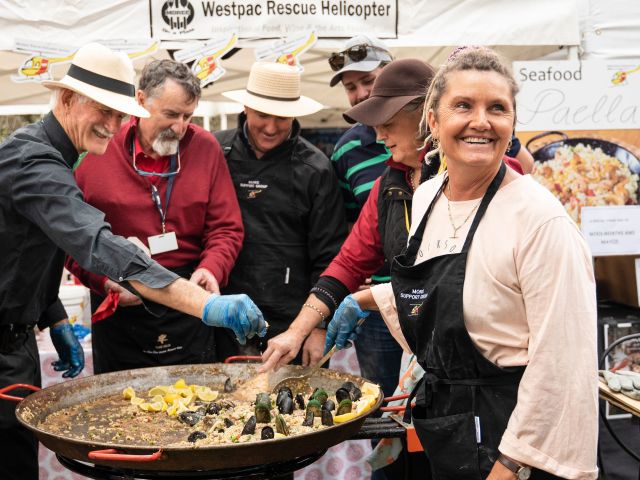
    Westpac Helicopter Rescue Service team with their Seafood Paella at the 2019 Moree on a Plate Festival
    Taste the best of regional produce and culinary talent. (Credit: Destination NSW)

    Time your trip for Mother’s Day weekend in May, and you’ll find yourself in the middle of the popular annual food and wine festival, Moree on a Plate, celebrating regional produce and culinary talent from the region’s fertile plains.

    Browse the stalls and sample olives, pecans, citrus fruits, honey, boutique wines and handmade condiments. You can also enjoy live cooking demonstrations by celebrity chefs, a local barbecue competition, plein-air art, live music and a dedicated children’s activity area.

    2. Experience artesian waters

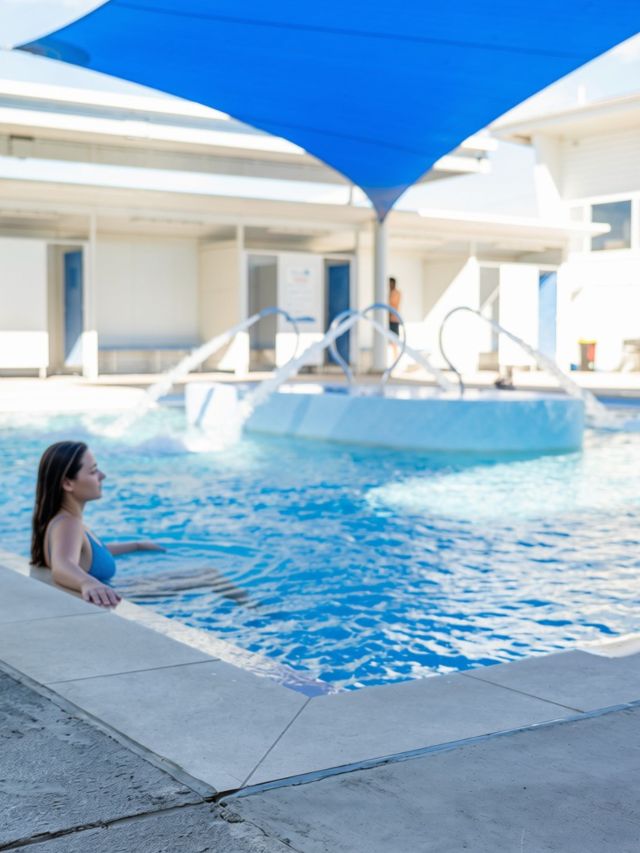
    woman at the Moree Artesian Aquatic Centre
    Chill out in Moree’s famous artesian waters.

    Moree’s famous artesian waters have attracted visitors for over 130 years. First discovered by accident in 1895, this mineral-rich, naturally heated water is drawn from deep within the Great Artesian Basin. Soak and slow down in the recently renovated pools at the Moree Artesian Aquatic Centre, where you can choose between the active pool with massaging water jets or the passive pool for a more relaxing experience.

    For a longer soak, stay at one of the many motels within walking distance of the aquatic centre. Or book a stay with its own artesian pools.

    Gwydir Thermal Pools Motel & Caravan Park has five on-site thermal pools and a broad range of accommodation, while the Phoenix Resort offers both indoor spas and outdoor thermal pools as well as recently upgraded self-contained apartments and motel rooms. Meanwhile, the Artesian Spa Motel is set on five acres of landscaped gardens and features swimming and thermal pools, including an indoor artesian spa and an on-site restaurant.

    3. Enjoy an arty experience

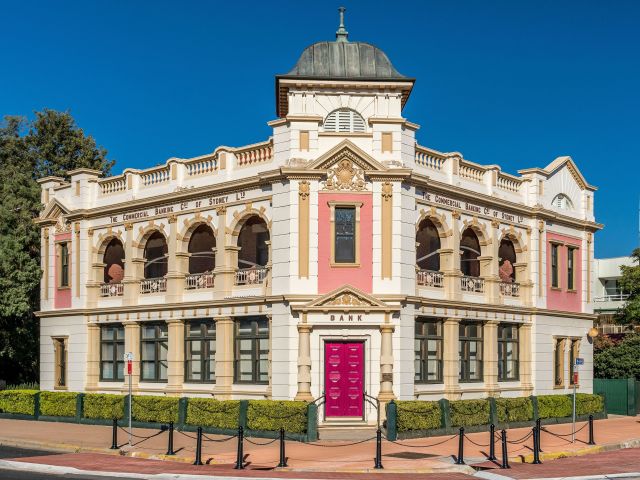
    Bank Art Museum Moree
    Step inside the gorgeous Bank Art Museum Moree. (Credit: Destination NSW)

    To connect with Moree’s artistic side, head to Bank Art Museum Moree (BAMM), an independent contemporary art gallery housed in a beautifully preserved, Federation-era bank dating back to 1910. Inside, a nationally significant collection celebrates the art and culture of the Gamilaroi/Kamilaroi people and other First Nations artists alongside regional Australian art, while changing exhibitions offer something new.

    Follow the Moree Art Mural Trail through the CBD, and you’ll pass large-scale murals and small galleries reflecting stories of the town’s people, history and culture. While you’re exploring this open-air gallery, look out for the eclectic mix of Art Deco and early 20th-century architecture, including the Moree Courthouse and the striking Capitol Theatre facade.

    4. Discover cotton country

    Aerial overlooking cotton farming in progress on the Newport Cotton Farm, Moree
    Learn more about Moree’s cotton industry. (Credit: Destination NSW)

    Surrounded by the black-soil plains of the Gwydir Valley, Moree is at the centre of one of Australia’s major cotton-growing areas. Visit between March and May, and you’ll see fields covered in the distinctive fluffy white cotton bolls being harvested by huge machinery.

    Trace the cotton from paddock to fabric on the Cotton Farm and Gin tour, running from April to September. You’ll visit a cotton farm and a working cotton gin up close, where you’ll see the cotton fibres separated from the seeds. Tours run weekly and include transfers.

    5. Explore the Moree Plains

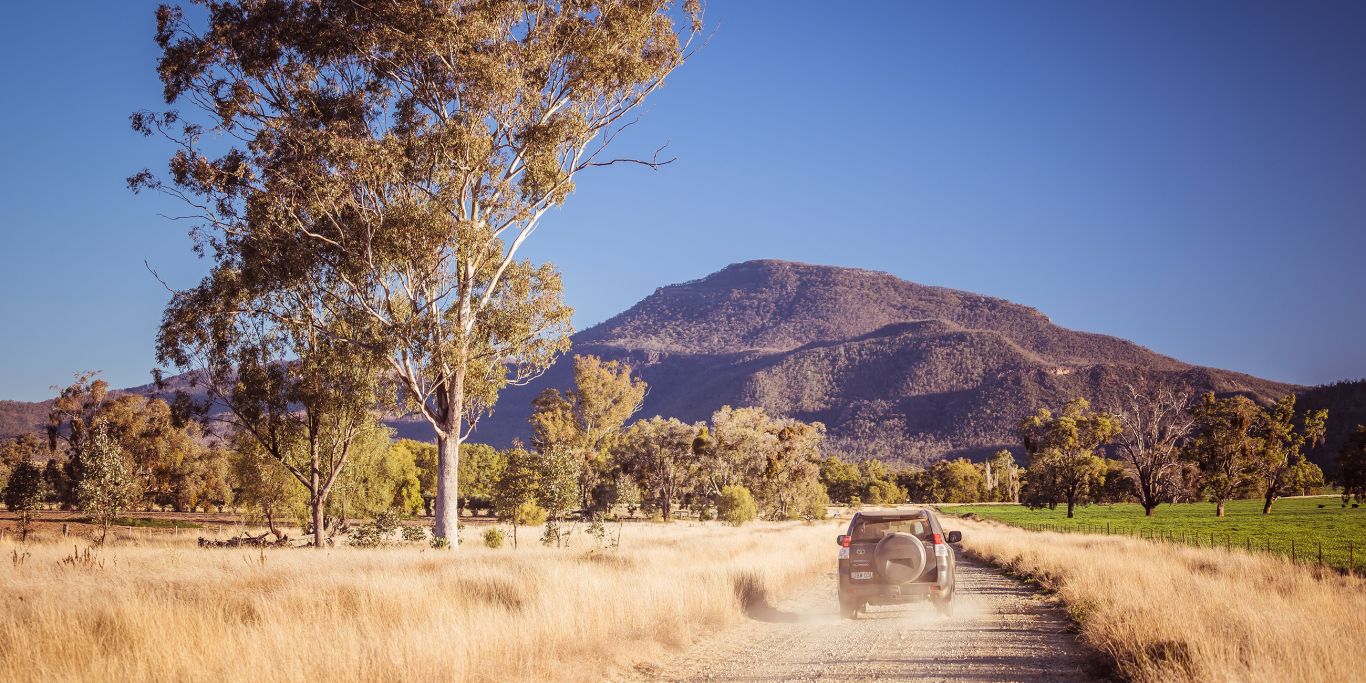
    care driving around moree
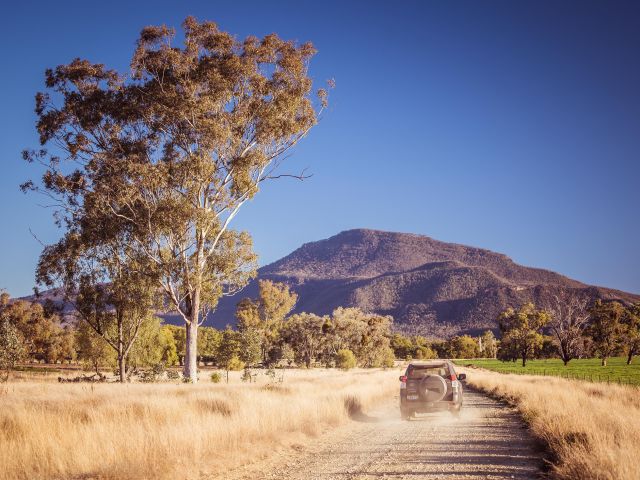
    Head out of town to explore the plains.

    Outside of the city centre, Moree is surrounded by charming rural villages dotted around the plains. The quiet village of Boomi, around 90 kilometres north-west of Moree, offers historic early 20th-century architecture, its own artesian thermal waters at the Boomi Artesian Baths and vast outback skies.

    Further west, the pioneer border town of Mungindi straddles the Barwon River between New South Wales and Queensland. Follow the 2.5-kilometre sculpture trail to take in the outdoor public art, and you’ll cross the state border twice.

    6. Relax by the water

    bird at Gwydir Wetlands in moree
    Spot the locals at Gwydir Wetlands.

    Just a short drive away, the peaceful Tareelaroi Weir Recreation Area makes the most of the meandering Gwydir River. Set up camp along the riverside and enjoy picnicking, fishing and swimming.

    A little further afield, the Gwydir Wetlands are home to 75 recorded waterbird species, including brolgas, magpie geese, egrets, spoonbills, ibis and black-necked storks, also known as jabirus. Watchers can settle into the hide at Waterbird Lagoon, or follow a short walking trail through the wetlands, keeping an eye out for rare species.

    7. Immerse in local Indigenous culture

    Terry Hie Hie Aboriginal Area
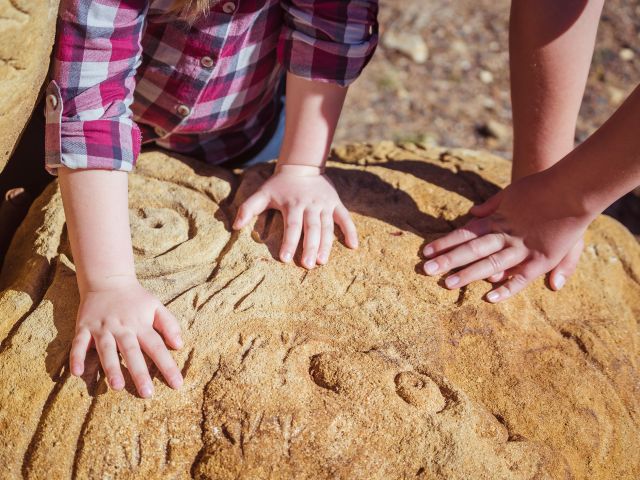
    Learn about the history of the Gamilaroi People.

    Moree lies on the traditional lands of the Gamilaroi People, whose connection to the land stretches back thousands of years. Today, visitors can learn about this history at Terry Hie Hie Aboriginal Area, which includes the 3.5 kilometre Yana-y Warruwi Walking Track.

    Back in town, the Open Space Aboriginal Art Trail allows you to enjoy the Mehi River with a free, self-guided public art trail of work from local Indigenous artists and their personal connection to Country. Finish with a visit to the remarkable Dhiiyaan Aboriginal Centre, where more than 110,000 family genealogies are recorded. Browse artefacts, art and over 15,000 photographs. There are also changing exhibitions of historical photographs and local art.

    8. Local cafe culture

    Barista making a coffee order at 61 Balo Cafe, Moree
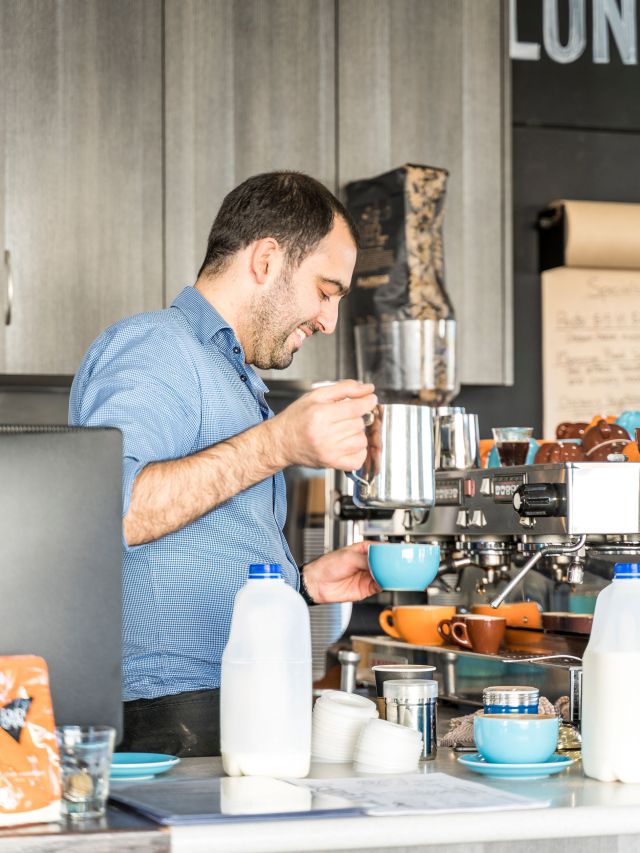
    Get amongst’s Moree’s vibrant cafe scene. (Credit: Destination NSW)

    From relaxed country cafes to stylish modern eateries, Moree’s CBD has a surprisingly vibrant foodie scene. There are plenty of spots to choose from for a freshly brewed coffee, long lunch or tasty dinner, featuring menus showcasing local produce and loads of country charm.

    If you’d rather dine in the great outdoors, grab a takeaway coffee or a picnic and head to leafy Jellicoe Park, a riverside oasis just a short walk from the centre of town. Pick a spot under the trees, enjoy the park’s art installations and keep watch for waterbirds along the river.

    Start planning your Moree retreat at visitmoreeplains.com.au.