There’s something special about Norfolk Island . This paradise has a unique appeal that draws visitors again and again. Here are 10 things on Norfolk Island you must experience.
1. Discover convict history
The convict settlement site located at Kingston is World Heritage listed and the oldest of Australia’s 11 convict sites. There are four museums depicting the four layers of the island’s history.
2. Hire a mini-moke
Have fun driving around the island taking in the beautiful scenery. Practise the Norfolk wave as you pass vehicles and give way to the roaming cows and chooks!
3. Get twitching
Norfolk Island is the home of five birds that are endemic to the island: the green parrot, the boobook owl, the grey gerygone, the Pacific robin and the slender-billed silver eye. You may spot one
of these birds whilst bushwalking in the parks and reserves.
4. Experience authentic paddock-to-plate
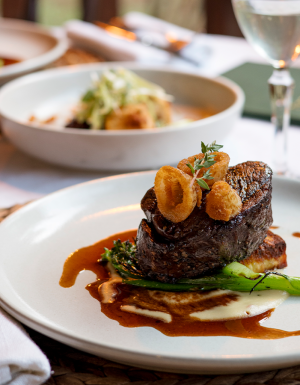
There’s no food miles here; rather food metres with most things grown on the island. Enjoy fresh in-season fruit and vegetables, indulge in local cheeses, wines, coffee and honey. Taste Norfolk Island Food Festival is held in November and incorporates Thanksgiving Day, a legacy left by American whalers during the 1960s.
5. Visit ‘Fletcher’s Mutiny Cyclorama’
The cyclorama is a 360-degree painting created by local artists Sue Draper and Tracey Yager depicting the Mutiny on the Bounty story and the descendants settling on Norfolk Island in 1856.
Need tips, more detail or itinerary ideas tailored to you? Ask AT.
AI Prompt
6. Take a lagoon dip
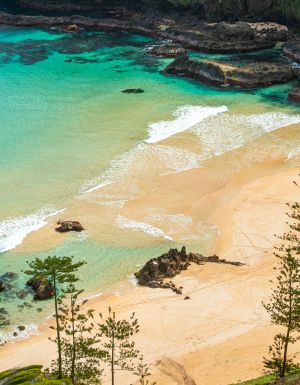
Emily Bay has a safe beach with surrounding reef, teeming with amazing fish life and corals. It’s perfect for snorkelling.
7. Play a round of golf
Near the seaside at Kingston, this will probably be the cheapest week of golf you’ll ever play. The golf club and pro shop are located in an historical convict building.
8. Capture the moment
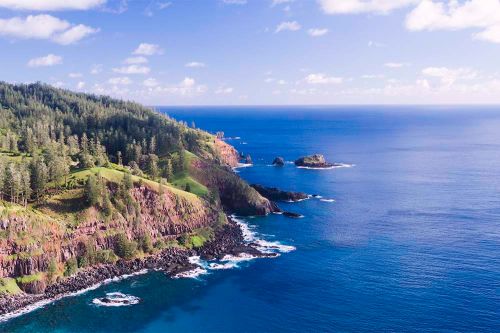
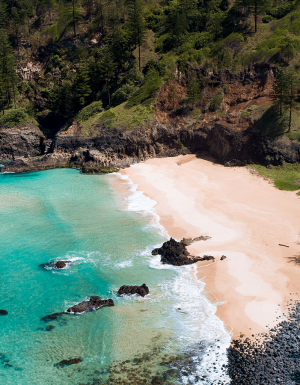
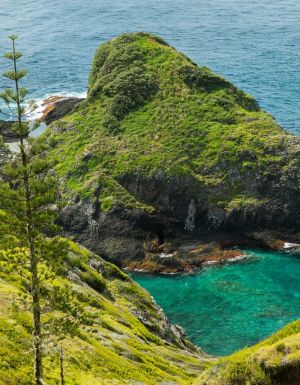
Norfolk Island is a photographer’s paradise, with a rugged coastline, the majestic Norfolk pinetrees and more than 30 per cent of the island being national parks and public reserves.
9. Watch the sun rise and set
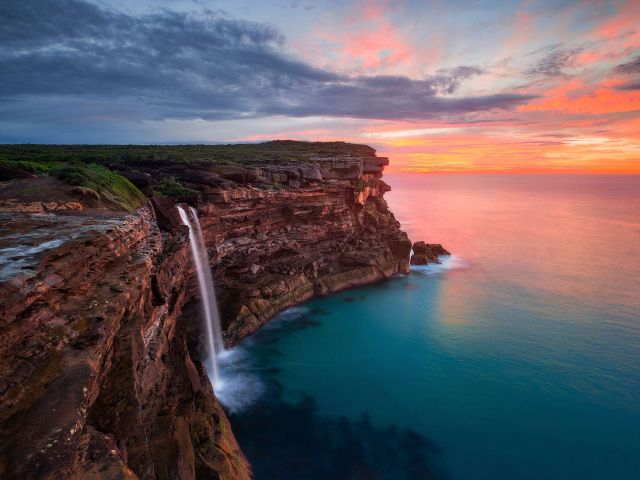
Witness the best sunsets and sunrises at one of the cliff top vantage points.
10. Immerse yourself in culture
The Norfolk Islanders inherited from their Tahitian foremothers the art of island cooking and weaving. You can see demonstrations on an island culture tour. You might also hear the local language – “Watawieh" means hello.
Sunshine, sea breezes and sand-speckled locals: the Sutherland Shire is perfect for an idyllic Sydney summer.
The Sutherland Shire is one of Sydney’s most dynamic regions. Home to an eclectic mix of top-notch eateries and drinking holes, a flourishing arts scene, and striking land and seascapes, it’s a haven for foodies, culture seekers and outdoor enthusiasts alike.
It’s also an ever-evolving destination with a constant wave of new places to eat and drink, and under-the-radar pockets to explore – many of which are dog-friendly.
If you’re venturing to this gorgeous part of the world this summer, here’s your guide to what’s new and worth discovering.
Savour the summer dining scene
Pop into Fred’s After Hours.
The Shire’s buzzing dining scene is one of its biggest drawcards, and many of the region’s culinary highlights can be found in the sun-soaked beachside hub of Cronulla. A bunch of newcomers have recently set up shop, making the area ripe for culinary adventure.
Homer Rogue Taverna is exactly as its name suggests: a cheeky take on classic Greek food. Expect meze and mains bursting with bold flavours and a wine list packed with standout Greek drops.
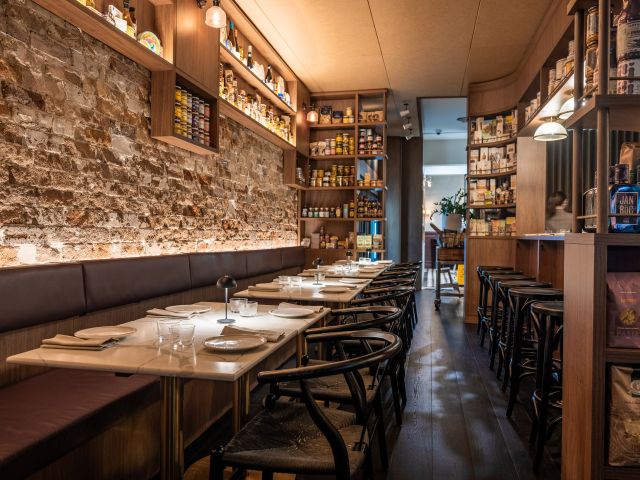
Freds Providore – a Cronulla favourite for casual cafe fare and excellent coffee – is now open late from Thursday to Sunday. Come sundown, it morphs into Fred’s After Hours, serving a refined European-inspired menu, wines, cocktails and a laid-back yet polished vibe.
Bobbys is a slick destination right on Cronulla Beach, where you can grab a plate of freshly-caught seafood and a summery cocktail while cooling off in the sea breeze.
And if you’re after a bit of everything, the sprawling and multifaceted Parc Pavilion is a melting pot of dining experiences. It blends a cafe, bistro, bar, Italian restaurant and a host of regular events, all tied together in a cool coastal setting.
Got a Saturday morning to spare? The Shire Farmers Market in Sutherland is a must-do ritual, letting you (and your four-legged friend) browse fresh produce, flowers and gourmet treats against a backdrop of live music and local chatter.
Dive into ocean pools
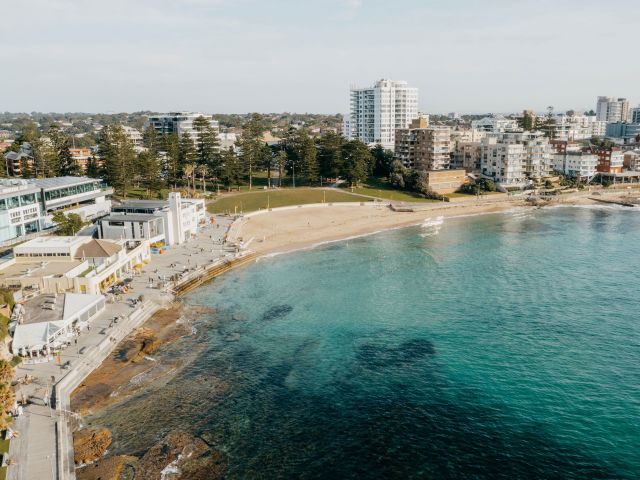
The ocean pools beckon.
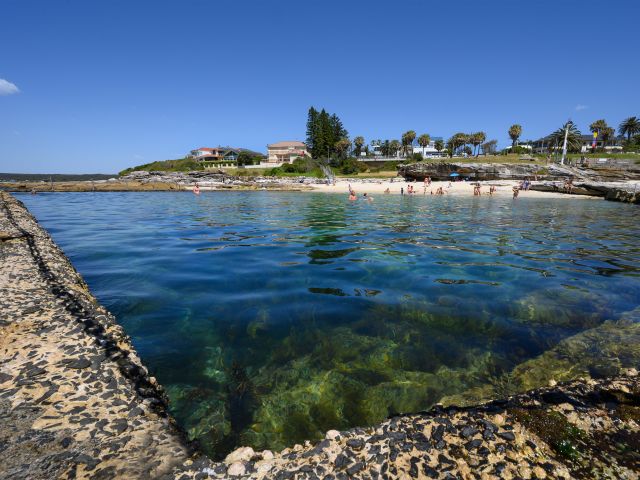
Given its prime coastal positioning, the Shire teems with crystal-clear ocean pools and enclosed bathing spots. Silver Beach Tidal Baths offers a netted
swimming experience in Botany Bay. Tucked beside a small sandy beach, the tidal baths at Gunnamatta Park are calm and shallow – making them an ideal setting for less confident swimmers.
Just a hop and a skip away is Shelly Park Ocean Pool, a magical rock pool carved in the ocean. It’s well-suited to young kids and offers sweeping views towards the open sea.
Experience local arts and culture
See the art at Hazelhurst Arts Centre, then enjoy a picnic with or without your pooch.
Hazelhurst Arts Centre in Gymea is elegantly positioned within a lush garden landscape, serving as the Sutherland Shire’s premier destination for arts and culture. This summer, experience the Art on Paper Award 2025 – a celebration of innovation and creativity through the versatile medium of paper.
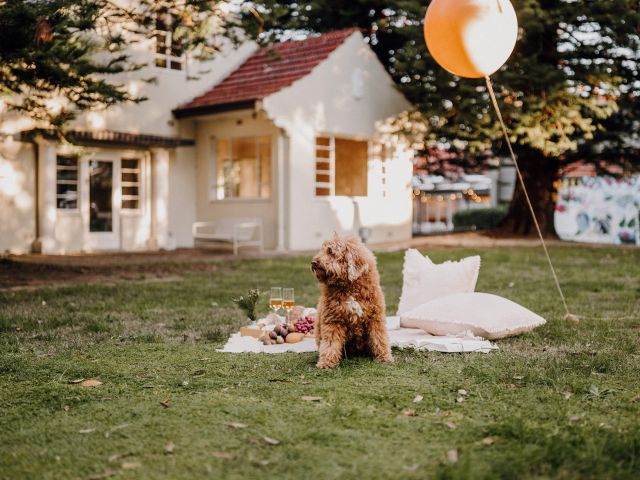
Set within the leafy surrounds of Hazelhurst Arts Centre, Hazel Kitchen & Bar has curated the ultimate picnic experience. Think abundant cheese platters, artisan charcuterie boards, fresh OJ and a thoughtfully chosen wine list, all available to take away and enjoy in the art-filled gardens just beyond the restaurant. Best of all, four-legged friends are welcome to join the fun.
Next, venture south to the artsy village of Bundeena for the monthly Bundeena and Maianbar Art Trail . This self-guided journey through local artists’ studios offers a glimpse into their work and creative spaces.
Relish the dog-friendly atmosphere
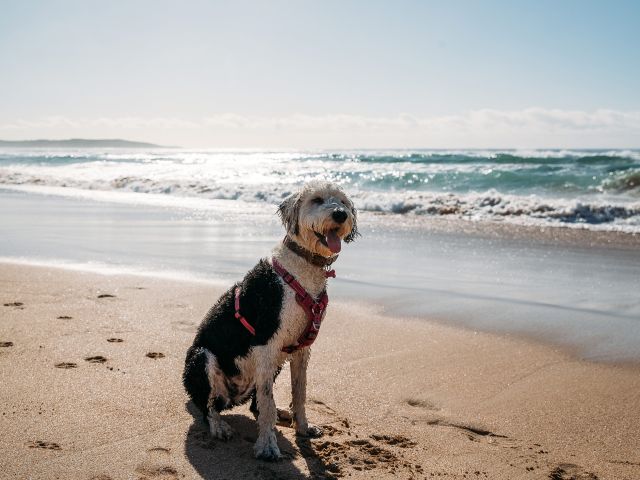
Let the dog off-leash at Greenhills Dog Beach.
The Sutherland Shire is a bona fide playground for pups and their humans. Find a string of dog-friendly beaches popular with locals, visitors and pups alike. Silver Beach in Kurnell is a peaceful pocket, allowing dogs off-leash without restriction. While Horderns Beach in Bundeena and Greenhills Beach in Cronulla are equally serene and provide off-leash access (be sure to check times and seasonal restrictions before you go).
If you’re planning to make a weekend of it, book yourself and your pooch into Quest Cronulla . With stylish and spacious pet-friendly accommodation, thoughtful amenities, and a prime location just steps from Cronulla Esplanade and a variety of dog-friendly cafes, it’s the perfect spot to rest after a full day of exploring.
Get into nature
Find natural beauty in Royal National Park. (Image: Destination NSW)
You’re spoiled for choice when it comes to outdoor escapes: imagine rugged bushwalks, breezy beachside tracks, meandering cycling trails and lookouts galore. The best part? Many of them are perfectly suited to dogs.
Take your canine to Cronulla Esplanade – the Shire’s version of the famed Bondi to Coogee Walk. This eight-kilometre route takes you past the region’s most picturesque beaches, offering panoramic vistas and an electric energy. It heaves with locals every morning and weekend, getting their steps in with a coffee in one hand and a dog leash in the other.
If you’re travelling without furry friends, stop by the Royal National Park. You’ll be engulfed in ancient bushland, craggy cliffs, towering rock formations, diverse wildlife and twisting tracks. The Jibbon Loop Track is a highlight, with spectacular views over the sea. Alternatively, the Karloo Track forms a loop that winds through untamed bush, freshwater pools and waterfalls. Re-lace your walking shoes or grab a bike to follow The Bundeena Drive to Marley Walk past freshwater pools and creeks, on to scenic beach views of Little Marley Beach.
The stretch along Cronulla bursts with postcard-perfect beaches, each offering a different flavour. With rolling waves, regular patrol and a steady stream of beachgoers, Cronulla Beach and North Cronulla Beach are buzzy and built for all kinds of swimmers. Elouera Beach is a quieter option, attracting early-morning surfers hoping to catch the perfect wave.
If you prefer a side of dramatic scenery, visit Wanda or Greenhills – in addition to ocean panoramas, both are backed by towering golden dunes and wild scrub. Looking for something more subdued? Shelly Beach Ocean Pool is a relaxed – yet no less captivating – retreat.