Get to know Norfolk Island through seven of its most colourful locals.
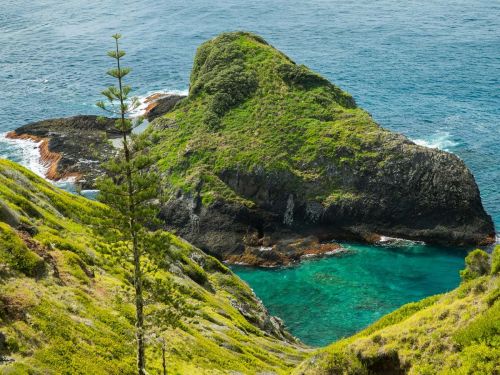
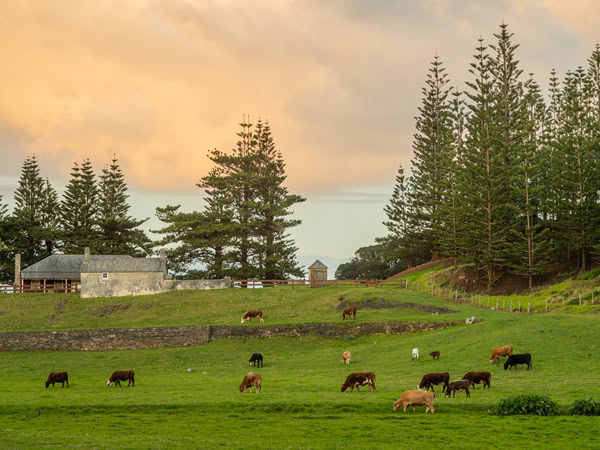
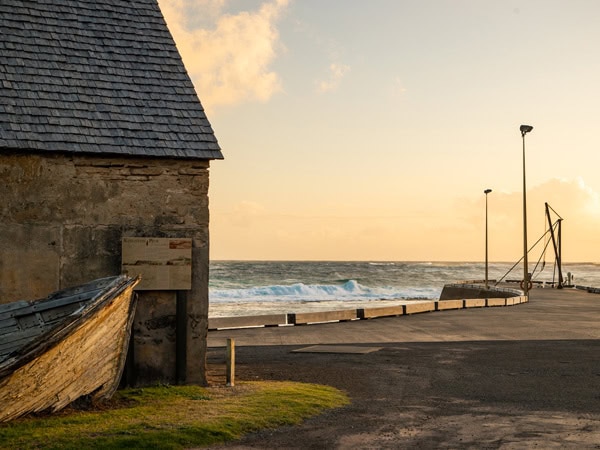
Subtropical pine trees, obstinate cows and wild roosters. Elderly folks dawdling along serpentine B-roads in micro-cars. Deep-green paddocks next to sinister Georgian-era convict ruins. Before visiting for the first time, these images painted the picture of Norfolk Island in my mind’s eye.
But they barely peel back a single layer of the cultural complexities of this 35-square-kilometre Australian external territory (around 1412 kilometres east of Byron Bay). A place profoundly entwined and defined by a population descending from the English and Tahitian mutineers of the Bounty, Fletcher Christian’s kin, who resettled on Norfolk when they outgrew the Pitcairn Islands.
To know this island is to know its people. So here are seven chats with seven knowing locals, in search of the essence, quirks and jewels of 21st-century Norfolk Island.
From subsistence to sightseers
Les Quintal: Everyone knows ‘Lettuce’
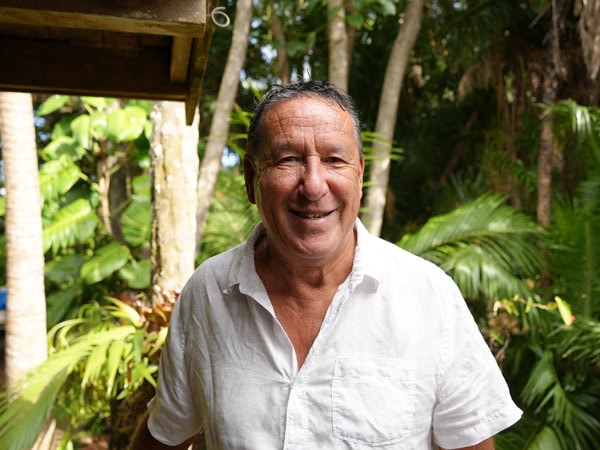
“You don’t come to Norfolk to visit a resort," says Les ‘Lettuce’ Quintal. “First and foremost, you are visiting the home, primarily, of Bounty mutineer descendants. Some people get confused, thinking we’re of convict heritage, but the two histories are distinctive. And before them, there’s Polynesian [history]."
The 68-year-old, seemingly known by every one of the island’s 2000 souls, traces his lineage to mutineer “pyromaniac" Matthew Quintal, who “burnt the Bounty when they made it to Pitcairn".
Les left in the 1970s, seeking opportunity and adventure, living in places such as Sydney and Nova Scotia, Canada, before returning home 15 years ago to a very different Norfolk.
“We lived a basic subsistence lifestyle and were very poor. We milked cows to make butter. Went fishing. Had the old long drop out the back."
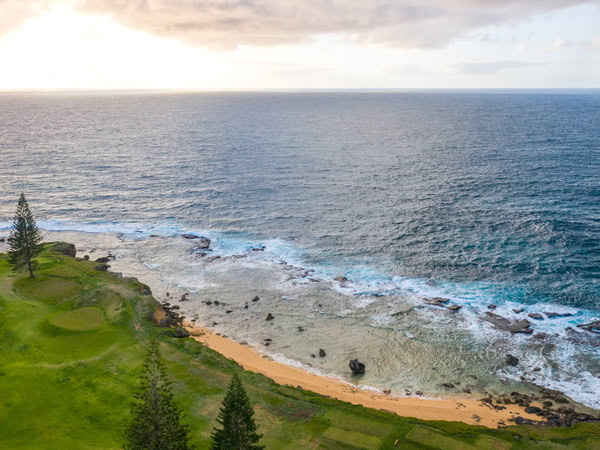
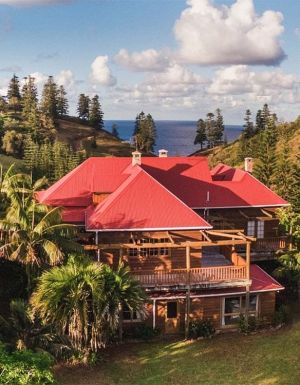
Tourism now drives Norfolk’s economy, a sector that Les has advocated for and been involved with forever. Today he guides for Baunti Tours, runs luxury stay Sunset Villa and is organising a reenactment commemorating the 250th anniversary of Captain Cook’s Norfolk landing (in October 2024).
Norf’k language – a widely spoken creole based on Old English and Tahitian – is at the heart of the culture. Morla el do (‘tomorrow will do’) sums up the island’s philosophy perfectly, says Les.
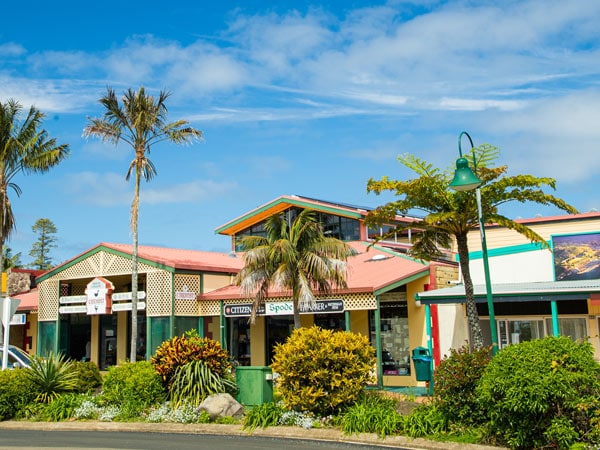
The ‘Norfolk wave’ is another cultural bond, a mandatory acknowledgment of oncoming drivers, ranging in disposition from a raised pointer-finger to enthusiastic jazz hands.
“If you don’t wave, people ask: ‘What was wrong with you this morning?"
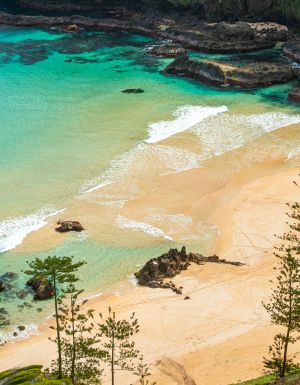
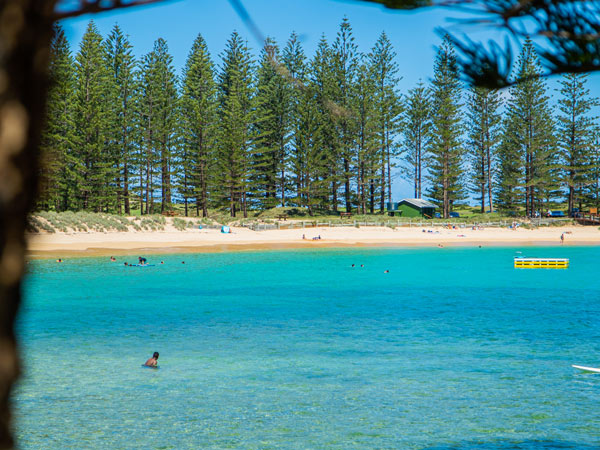
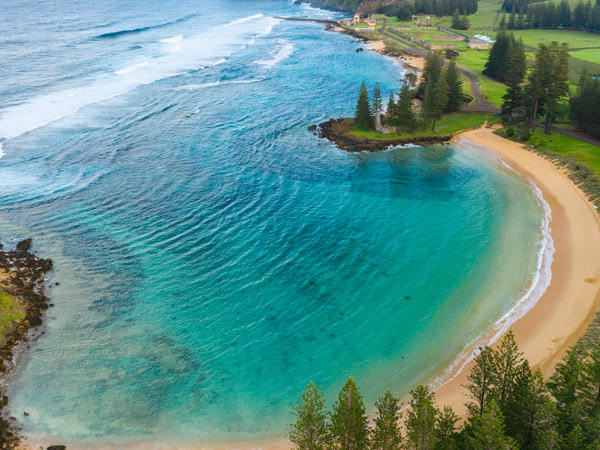
Lettuce’s must-do: See the coral reef by glass-bottom boat or by snorkelling Emily Bay and Slaughter Bay.
Reasons to come home
Heidi Bigg: Cafe proprietor/Pilates instructor
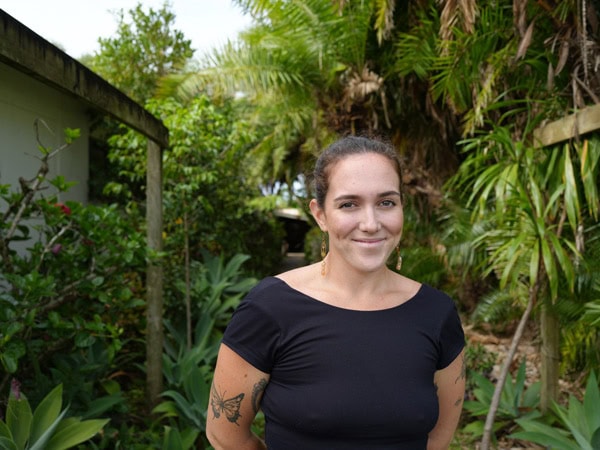
Heidi Bigg knew she’d need a big challenge after managing a high-end London restaurant that ended up giving her a posh accent for a while. That challenge (alongside teaching five Pilates classes a week) is running The Golden Orb Cafe, which her family bought and renovated in 2021.
Like many businesses on the main drag of Norfolk’s largest town, Burnt Pine, the buzzing cafe – with its shady, atmospheric courtyard – is a family affair. Heidi manages; chef-by-trade Dad cooks; Grandma sometimes washes dishes while uncles supply produce and ‘trumpy’ or ‘kingy’ for fish burgers “when Dad doesn’t have time to go fishing".
Heidi, 26, upends two island stereotypes. First, that Norfolk is solely the domain of ‘newlyweds and nearly-deads’, as the slogan once went. Second, that locals of this external territory – which had its ‘autonomy reduced’ in 2016 – necessarily identify as Australian.
“I have growled at people for calling me Australian," laughs Heidi. “My birthplace on my [Australian] passport says Norfolk Island! We have a different history. Listen to our language – it tells the story of how our people have adapted and survived through different places." But it’s also good for “being silly to each other with. It feels so much funnier".
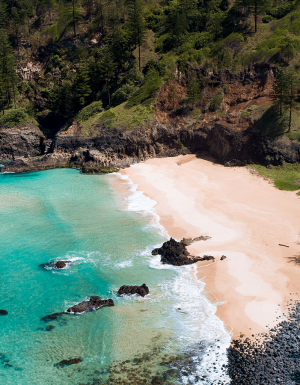
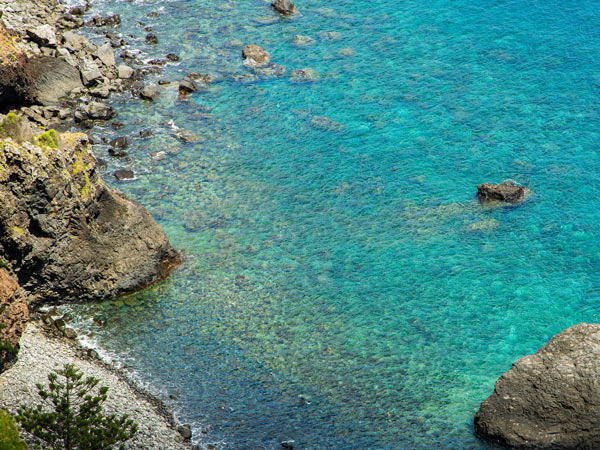
Heidi encourages visitors to embrace Norfolk’s remoteness: “Park up, spend the whole day swimming down at [spectacular, unpatrolled] Anson Bay."
Need tips, more detail or itinerary ideas tailored to you? Ask AT.
AI Prompt
In tune with the island
Rick Robertson: Jazz musician
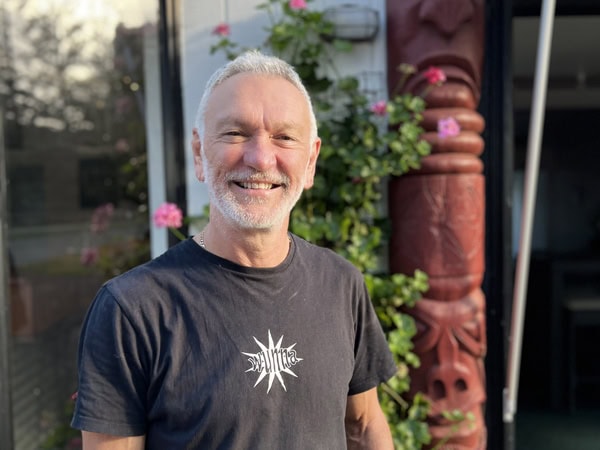
Kiwi-born Rick Robertson went to school here but left to study in New Zealand at the age of 16. A diverse, successful Sydney-based music career followed – including playing in ’90s acid jazz group DIG (Directions in Groove) and teaching. The island, however, was always calling. A Covid-stifled Sydney music scene, coupled with his father’s death, finally convinced Rick to return.
The 64-year-old’s Pitcairn heritage has bubbled into his musical projects. Mutiny Music (with band Baecastuff, named for a native tobacco bush) was his tribute to “the Tahitian women, the main populators here, who brought that culture with them". He wrote the music – around traditional hymns – that soundtracks Fletcher’s Mutiny Cyclorama, a tourist attraction tracing the mutineers’ journey through a ‘360-degree panoramic painting’.
“But the scene here has always been strong on country music, which as a [jazz] sax player I’m not entirely comfortable being involved with, but I admire and get it."
Creatives have to be “self-motivated" on Norfolk. He and wife Cathy recently opened the slick Wunna Bar & Lounge across the road from the airport and operate a screenprinting business (a legacy of his late father), selling T-shirts of his own design and a Polynesian-inspired range by a local tattooist. While he says he occasionally misses the big city, he sometimes “gets to do a few gigs" with his keyboardist daughter.
Learning the natural ways
Sara Freeland: Norfolk Island National Park visitor experience manager
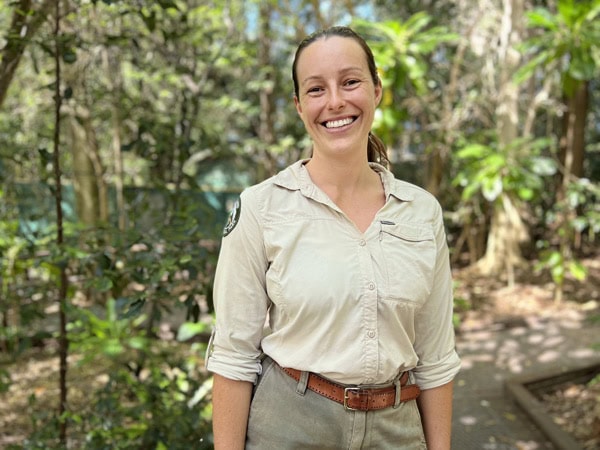
Sara Freeland is a self-confessed “blow-in", landing 13 months ago for a new community engagement-focused role with Norfolk Island National Park (which covers about 15 per cent of the island).
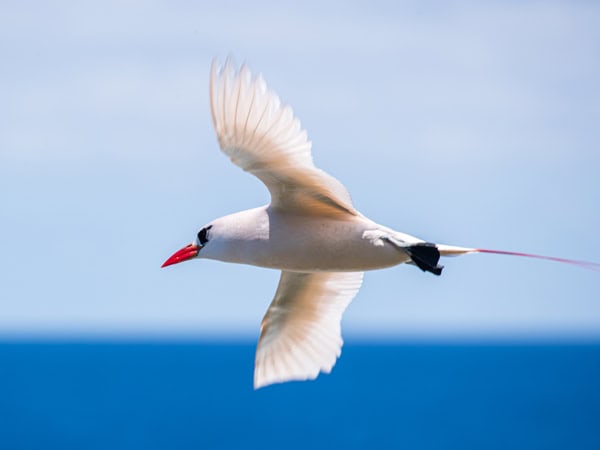
To taste wild Norfolk, the 31-year-old Central Coast native recommends the Bridle Track (a two-hour return trek from Captain Cook Monument), skirting the north coast’s high cliffs, with seabirds like “the backwards-flying red-tailed tropicbird" darting overhead.
The idyllic national park has its challenges. The emblematic Norfolk Island green parrot population plummeted to about 30 late last century. They were historically shot by locals for pilfering fruit, plus under siege from feral cats and three non-native rodent species.
Ongoing conservation efforts have produced results, says Sara. Pest control, captive-breeding programs and the installation of predator-proof nesting boxes helped parrot numbers return to between 250 and 400.
Sara says locals have been “so accepting and made space for me" but, as a foodie, Norfolk took some getting used to. “People warned me about food availability but it’s kind of cool to have to eat seasonally. Come winter, you won’t find a tomato on the island. You have to be creative."
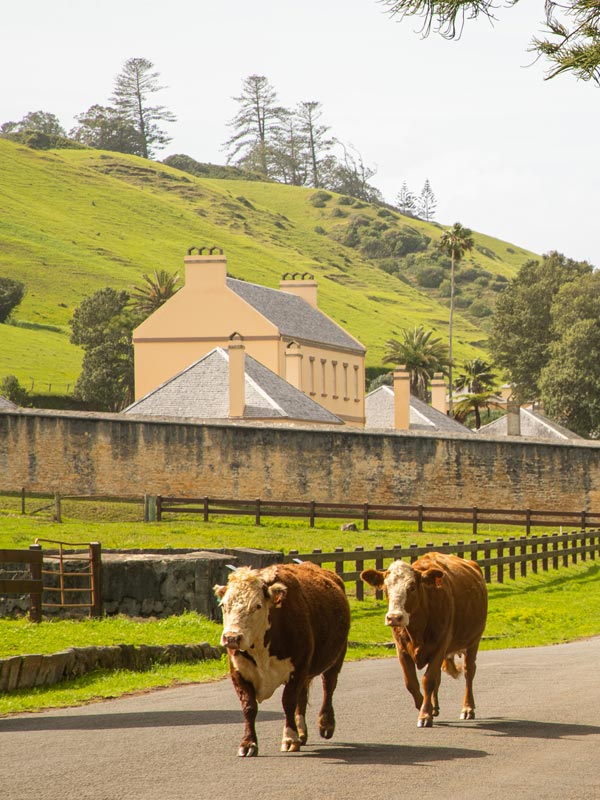
She even finds joy in the “potholes and cows on the roads. They slow you down, give you more time to get to know the place. More time to shop at roadside farm stalls and read the local newspaper – a step back in time".
From Norfolk to table
Kurt and Jill Menghetti: Restaurateurs
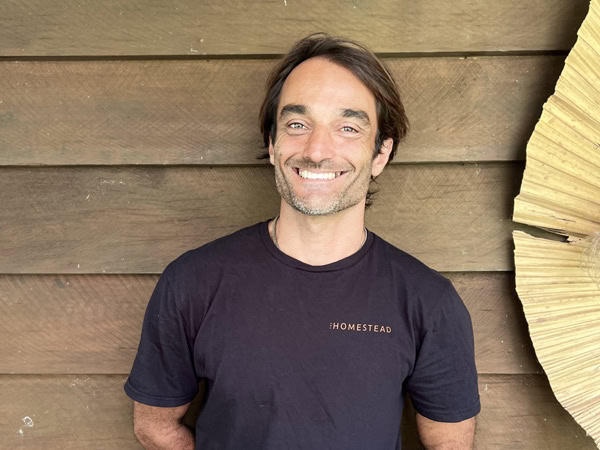
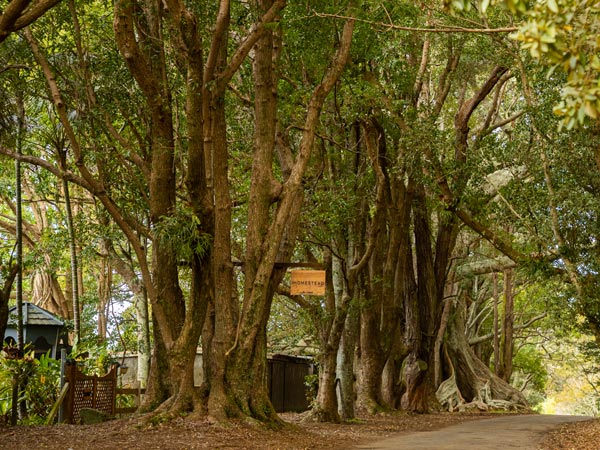
Kurt and Jill Menghetti opened The Homestead in 2019 in a charming 1930s dwelling that has been in the family since the ’80s. It’s located along one of Norfolk’s trademark tree-lined back roads.
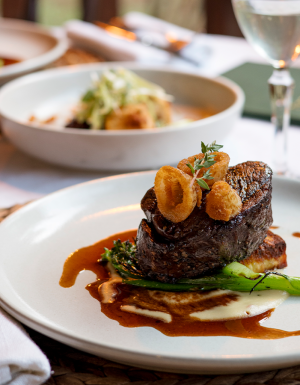
The couple returned home with their young family after 10 years in Sydney, where Kurt worked at Longrain in Surry Hills, which shaped his culinary career. Despite Kurt’s Pitcairn heritage (Jill had never heard of Norfolk before she met her now-husband), you won’t find many traditional dishes – like banana pilihi (slice) – coming from a kitchen based around a woodfired “Argentinian parrilla grill engineered by Kurt’s dad".
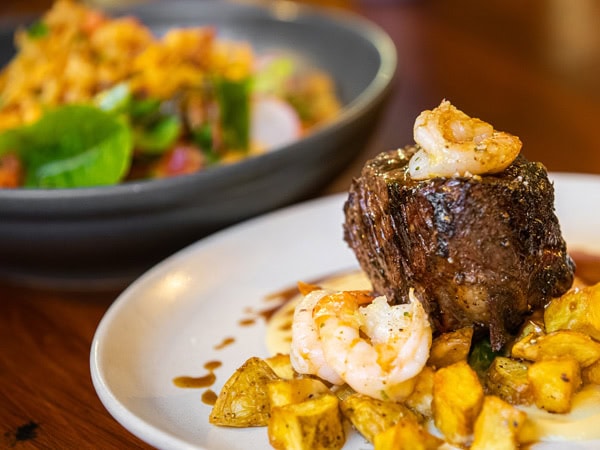
Thai- and French-style dishes with “hints of Italian and Mediterranean" are more the Menghetti style. Ingredients don’t travel far; the majority of herbs and vegetables are grown out back on their farm. They graze their own pigs and source meat (for massaman and the like) locally. Seasonal menus in subtropical Norfolk are lucky to last two months before needing a rewrite.
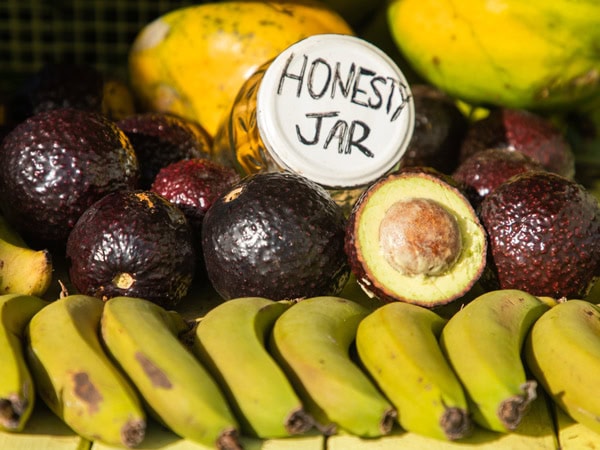
Seafood is integral to Norfolk’s food culture, typified by the traditional ‘fish fry’ (cooked in dissected beer kegs of sizzling oil). However, at The Homestead, expect ceviche-like Tahitian fish (with coconut cream) and wunna butter (sea urchin), which “tastes like low tide" on your steak.
Weekly travel news, experiences
insider tips, offers, and more.
The great rewilding
Lilli King: Biodiversity project manager
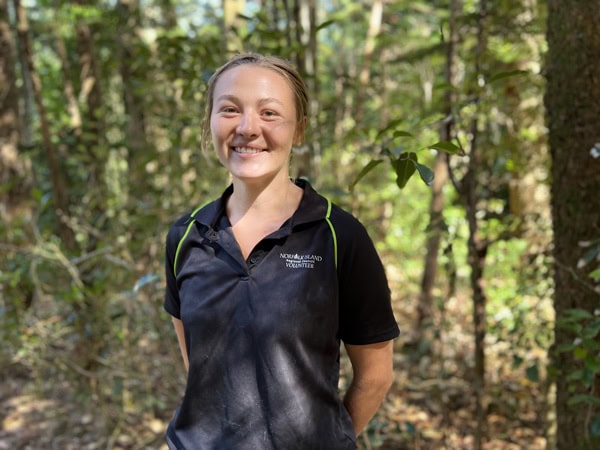
“This place is my backbone and it’s my responsibility to look after her." Lilli King, 24, is a Norfolk Islander of Pitcairn descent.
She embraces being “a ninth-generation mutineer" with connections to Fletcher Christian and “all six of those Tahitian foremothers that landed in 1856".
Lilli, who’s completing an environmental science degree, is the biodiversity project manager for Norfolk Island Regional Council, a role that includes planting trees in public reserves and responsibilities with the island’s recycling program.
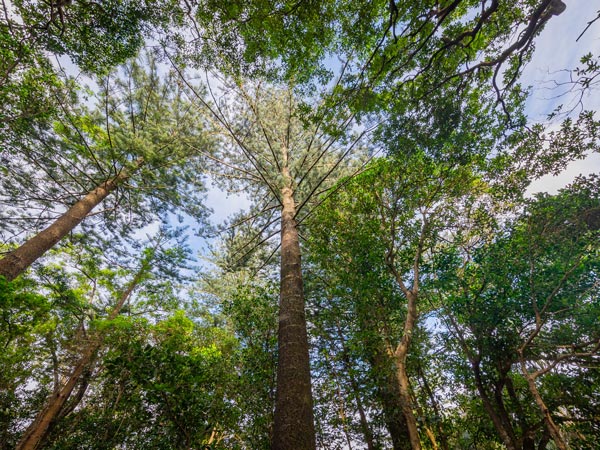
She also leads the Coral Berry Crusaders, a volunteer group named after the weed they’ve been trying to eradicate from 100 Acres Reserve since 2020 (visitors welcome!). The reserve is thick with Norfolk pines and various endemic species. You may even be silently swooped by a ‘ghost bird’ (wedge-tailed shearwater).
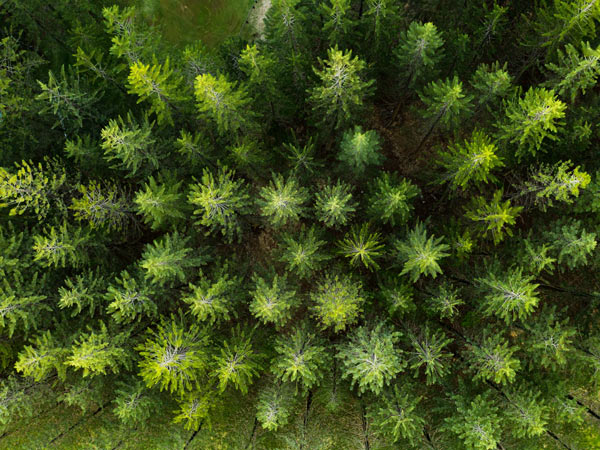
Lilli reminds visitors and sea-changers alike that tiny, fragile Norfolk Island has limited land, water and food. And that development and urbanisation are its most serious threats.
Last year’s opening of The Norfolk Wave Recycling Centre is an asset for its sustainable tourism future, says Lilli, a monumental turnaround from the burning and dumping of waste into the ocean. Ultimately, she’s just “one person taking on the custodianship of Norfolk’s natural spaces. This place acts as a magnifier; any effort you’re willing to put in, she’ll give back tenfold".
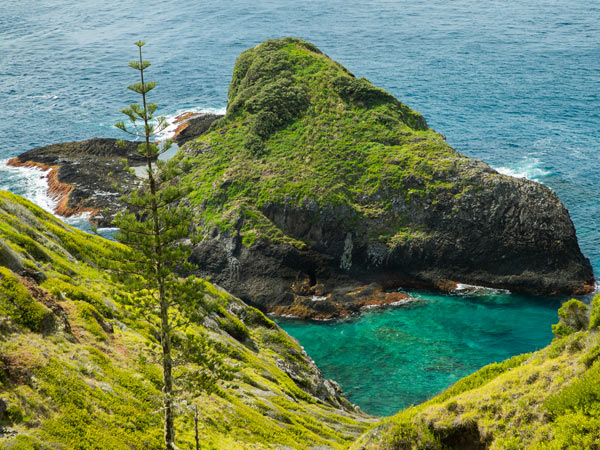
The other-island perspective
Jai Adams: Glass artist
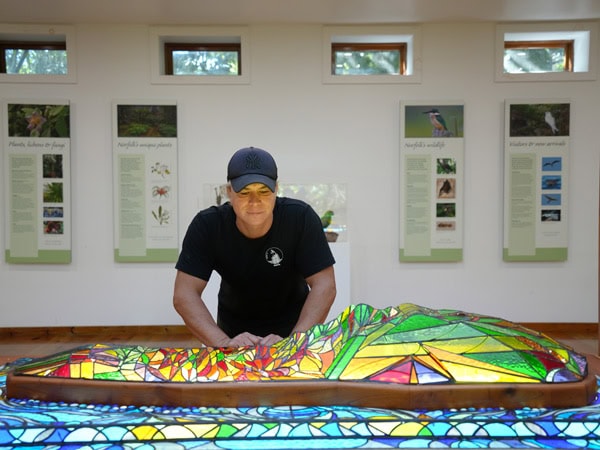
Jai Adams looked inwards and offshore for inspiration for his latest glass artwork: Phillip Island in Glass, which required some 7000 hours of work. His muse? An island off Norfolk’s southern coast.
“How lonely we would feel without those islands out there," says the Wollongong-born artist, 47, who first set foot on Norfolk aged seven, before settling later in life (his grandfather is of Pitcairn heritage).
“We are a dot in the Pacific, so it’s like looking out and seeing we have a family."
After being decimated by rabbits, Phillip Island has “been brought back to life by a passionate local population and national parks. You could see it, like an oil painting from the shore, nothing but red barren rock, slowly coming back, now full of green".
His colourful work, on display at Norfolk Island Botanic Garden, incorporates stained-glass and lead-lighting techniques, with glass seabirds overhead.
Symbolic, abstract nods to the morepork owl and Phillip Island gecko are embedded in its profile.
To engage with creative Norfolk Islanders, Jai suggests simply striking up a chat with artists, perhaps at the Sunday markets. The island’s “weightless simplicity and congealed sense of belonging" helps make this place a natural artist’s nursery. “It’s like the way my nan talked about the 1950s."
Getting to Norfolk Island
Qantas has three weekly flights each from Sydney and Brisbane. It costs $40 a day for a compact car from Norfolk Rent A Car.
Where to stay on Norfolk Island
Prices for Castaway Norfolk Island in Burnt Pine and a one-bedroom Ocean View room at The Ridge both start at $210 per night.
Want to see more stories from Australian Traveller in your Google search results?
- Click here to set Australian Traveller as a preferred source.
- Tick the box next to "Australian Traveller". That's it.

Steve Madgwick
View profile and articles