The Great Ocean Road is a Victorian icon. But there’s more to this stretch of coast than its famous rock formations, from volcanoes to hot springs and paddling with fur seals.
Wind tugs my hair horizontal atop the crater rim. It’s a commanding outlook 240 metres above the volcanic plains that peers into a 90-metre-deep basin. Jagged nubs of reddish-brown scoria protruding through the grass are unyielding beneath my runners and not one tree marks the landscape, an expansive emptiness overhung by a vast blue sky.
For a few fleeting moments, Mt Elephant in Western Victoria brings to mind the windblown Mongolian Steppe. But this hour-long walk is the first of many unexpected moments I’ll experience while exploring the Great Ocean Road with a friend over the next four days.
I should probably know this place – I only live 90 minutes away – but, like many who visit the region, I’ve been distracted by the spotlight shining on its most famous drawcards, such as the iconic 12 Apostles. The Great Ocean Road is a state treasure, tackled by many as a day-long scenic drive punctuated with pauses at myriad lookouts, striking rock formations and idyllic beaches. But its lesser-known features can be unearthed when extending a visit over multiple days. Mt Elephant being a case in point.
It was returned First World War servicemen who built the Great Ocean Road (largely by pick and shovel), creating simultaneously the world’s largest war memorial and a gloriously scenic drive that stretches 240 kilometres between the surf mecca of Torquay and Warrnambool.
From craft breweries to hot springs
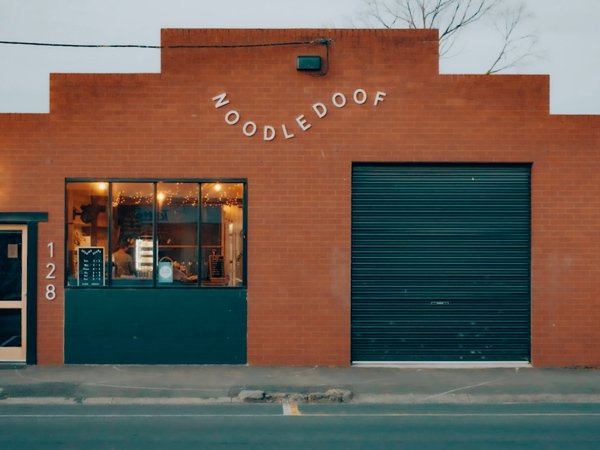
We fast-track inland to Noodledoof, a craft brewery and distillery that makes for a convenient pit stop in Koroit. After devouring a pulled pork ‘sando’ with smoky apple rub and slaw, we head towards our next discovery. Victoria’s Western Volcanic Plains is the world’s third largest volcanic plain and the origins of Tower Hill Wildlife Reserve are abundantly clear from first sight. The small island of conical hills sits adrift within the crater lake of a larger volcanic rim, connected by a narrow isthmus and creating an almost isolated reserve for native Australian wildlife.
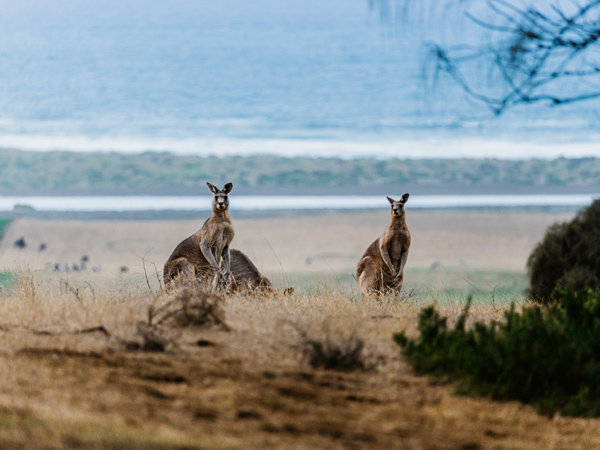
We’re barely parked before noticing a dozen people with their heads tilted towards the treetops and the koalas scattered there. One koala clings to a thin branch, unhurriedly plucking fresh gum leaves while its perch swings wildly in the 60-kilometre-per-hour gusts. Others are wedged in more solid forks, limbs dangling lazily. On the ground, a pair of emus pace slowly, feathered skirts lofting like flouncy tutus.
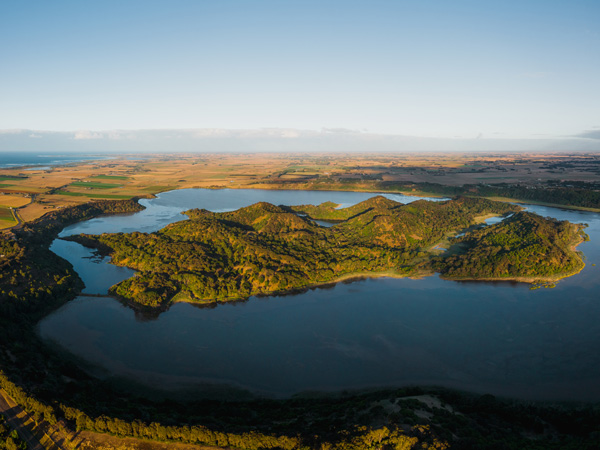
Four walks here range from 30 minutes to an hour, tracing across remnant lava flow and around wetlands, lakes and craters. Echidnas, kangaroos, turtles and bird sightings are common.
From up high, the distant big blue of the ocean beckons, leading us to Warrnambool and the Deep Blue Hotel & Hot Springs. There’s an immediate sense of calm to be found in the hotel’s seafront location, moments from coastal paths, boardwalks and the sheltered Stingray Bay.
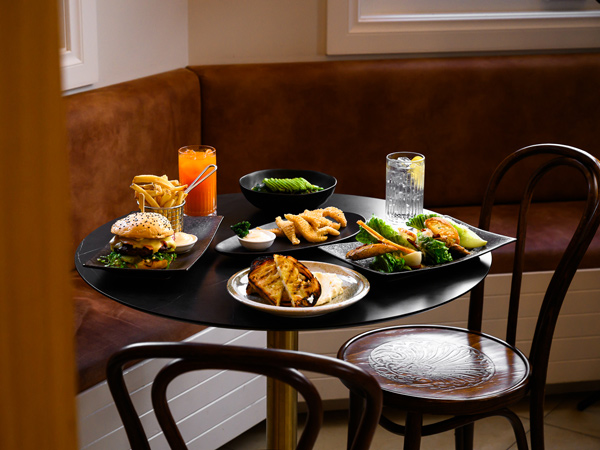
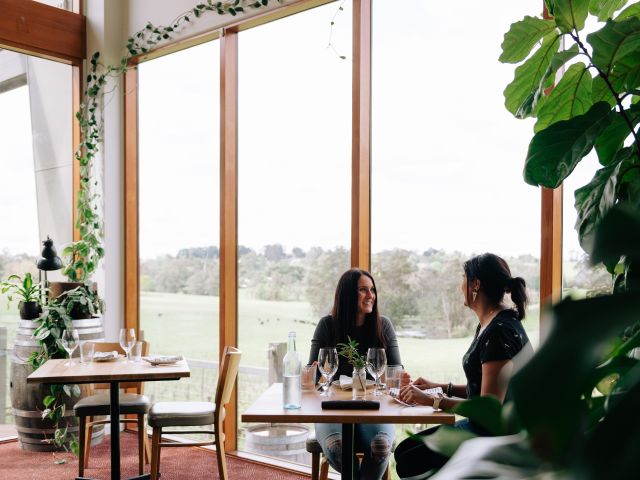
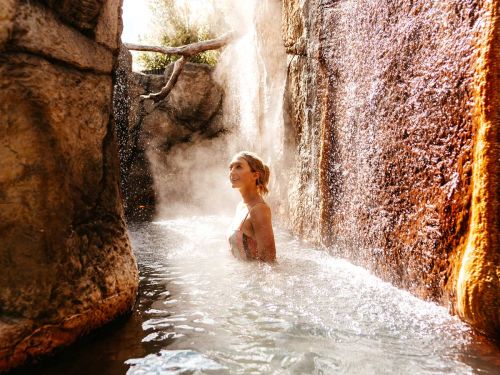
Even more calming is the outdoor bathing sanctuary, filled with geothermal mineral water pumped from 850 metres underground. We’re booked for a twilight bathing session, so a quick bite at the hotel’s Tides Cafe, Bar & Restaurant seems a good idea, but we soon lament not having more time (and belly room) to savour our whipped ricotta with charred sourdough, soba noodles and wakame salad, and chorizo and manchego arancini (or “balls of heaven" as our waiter calls them).
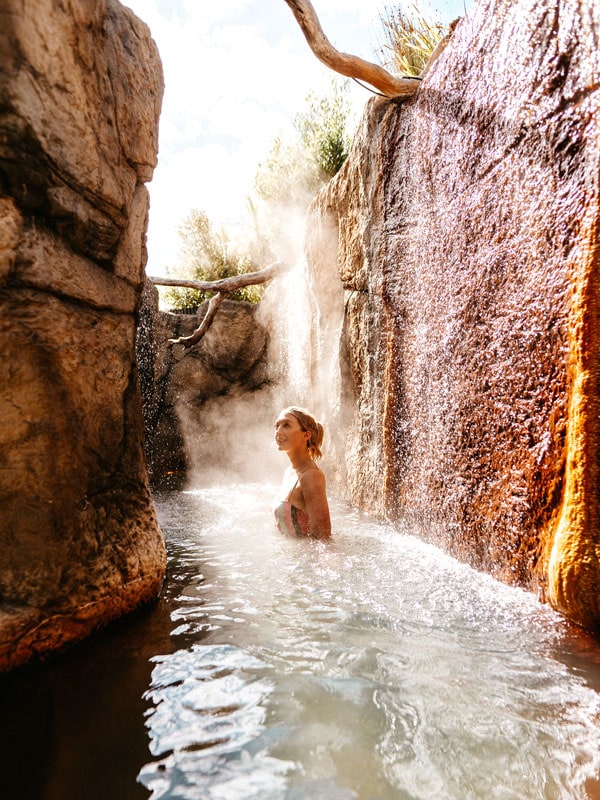
Really, we’re just swapping one delight for another though. Amid the landscaped maze of steaming pools and caves is a waterfall raining drops so heavy they make my scalp tingle, sending shivers down my entire body. In another pool I’m cradled, weightless and warm. As time passes, the chatter quietens as bathers slip into peaceful meditation.
Need tips, more detail or itinerary ideas tailored to you? Ask AT.
AI Prompt
Seeing the 12 Apostles anew
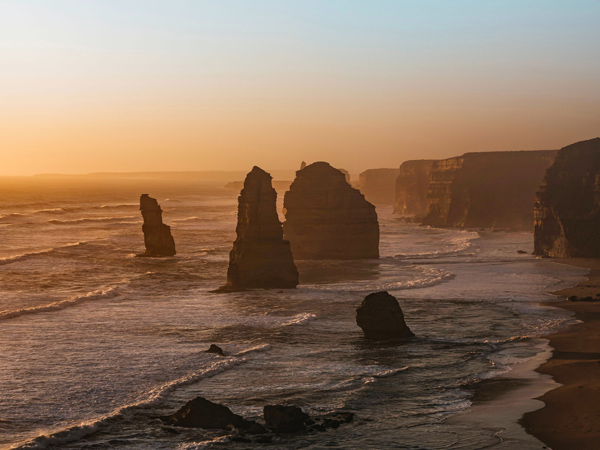
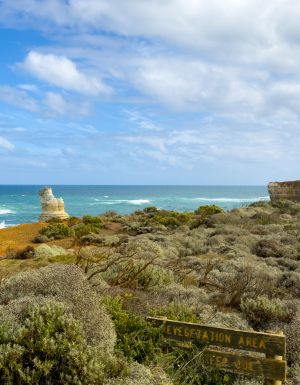
Between the Bay of Islands and the 12 Apostles is where the majority of scenic lookouts are. And though stopping for every one of them requires pulling over what seems like every 10 minutes, all are eminently worthy.
No matter how many times I see The Razorback, a sheer limestone wall rising from pounding seas, I’m in awe. Then there’s London Bridge, The Grotto, The Arch, Loch Ard Gorge (where the only two survivors of the Loch Ard shipwreck crawled ashore in 1878) and many more.
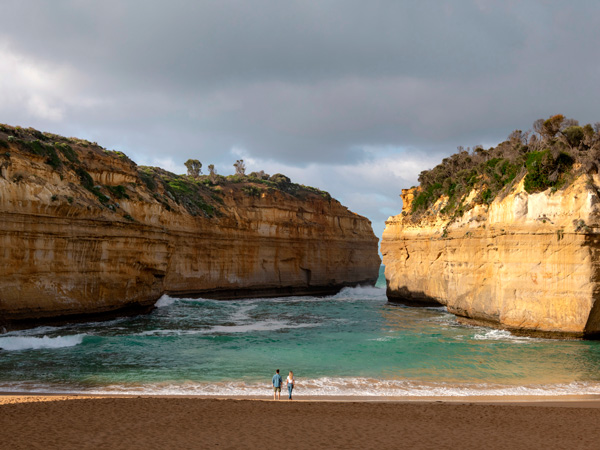
I must have visited the 12 Apostles a dozen times, but this visit is different. Most witness the string of 45-metre-high water-bound limestone towers from an enormous cantilevered viewing platform – sunsets are especially captivating – but 12 Apostles Helicopters show me another vantage point, broaching the sheer fringe of the cliffs and out over the Southern Ocean.
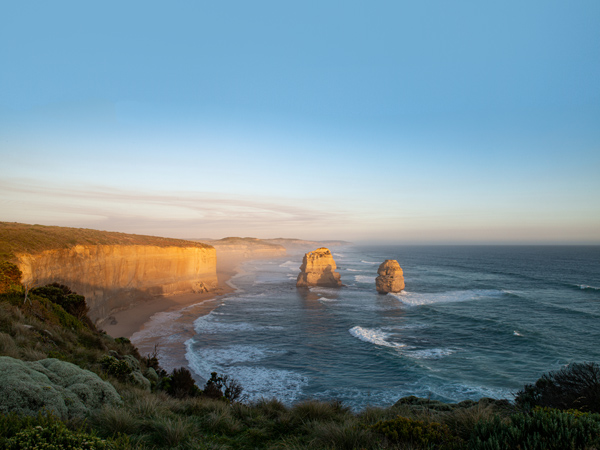
Through a bubble front window, wrapping head to toe, the coastline is revealed in unfettered glory, its endless deep coves and rock formations nibbled by the eroding power of waves. In winter, whales might be spotted. “See that hole?" our pilot points to a sea-bound rock arch. “This chopper would fit through it, rotors and all."
Only by getting closer can we understand the scale of the place. A walk down the Gibson Steps leads us to a wild surf beach beneath 70-metre cliffs so sheer it’s as though they have been cut with a knife. For a while I sit on the sand and take it all in, the frothing surf and fragrant ocean mist; Gog and Magog, two rock stacks standing as offshore sentinels.
To sailors in the 1800s and 1900s, this was an inhospitable coastline that wrecked hundreds of ships. But Port Campbell, set in a deep cove, feels like the haven it’s been for centuries. Now, its sheltered beach is accompanied by one main street and the scenic Port Campbell Discovery Walk, which eases over a suspension bridge and around the clifftops.
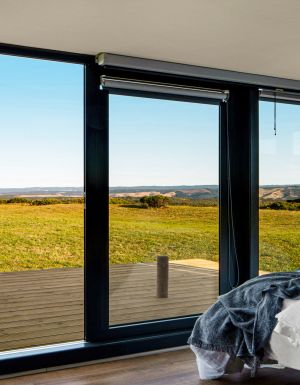
The town is entirely walkable, allowing us to down car keys and surrender ourselves to the hospitality of Waves Port Campbell and its spacious spa suites (there are cliff views from my bed), a buzzing restaurant and bar. A minute’s walk away, the characterful Port Campbell Hotel entices for a cosy after-dinner vino and chat with the locals.
The hidden side of the Great Ocean Road
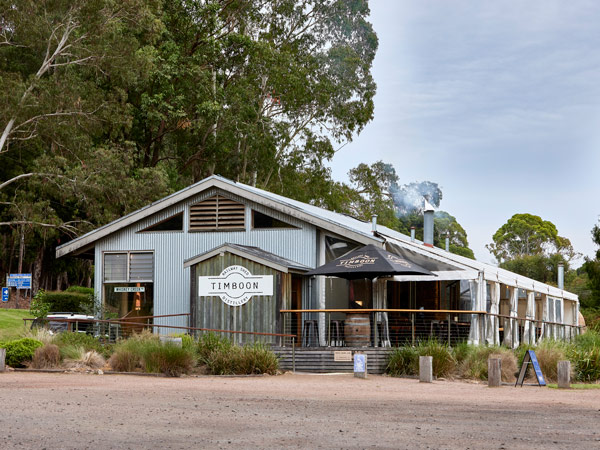
While this region of Victoria is synonymous with scenic drives, two-wheeled forays show another side. Stretching 20 kilometres between Port Campbell and quaint Timboon is the 12 Apostles Trail, an easy ride (especially with e-bikes from Ride With Us) through dairy farmland and scented forest, with Schulz Organic Creamery & Cafe lingering midway. Organic winery Babche, Timboon Railway Shed Distillery and the legendary Timboon Fine Ice Cream await at the finish.
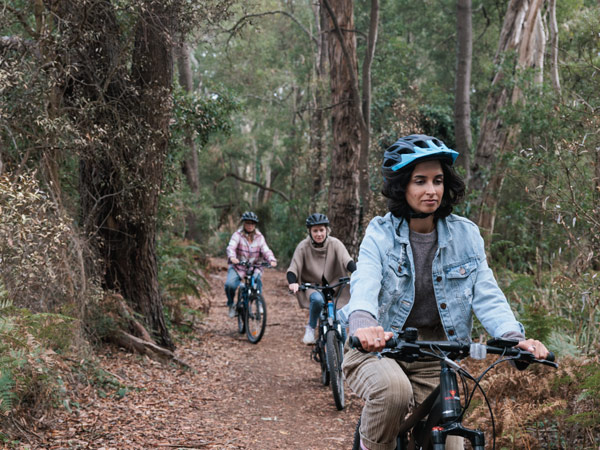
When we later explore some of the roughly 70 kilometres of mountain bike trails scribbled across Forrest in the Otway Ranges, with Michelle Davidson from Forrest MTB Hire, I’m expecting – somewhat presumptuously – another e-bike, but full leg power is required. Fortunately, the gears are so good and the trails so forgiving (plenty of switchbacks) that I’m soon grinning my way over gentle roller coasters between the tree ferns and grass trees.
Tight turns have always been my nemesis, but Michelle’s an expert coach and advises to look beyond the apex of the bend and “lead with my belly button". It’s an instant success. “Anyone can ride here," she says. “The trails are wider and shorter. I’ve had women in their sixties learn here."
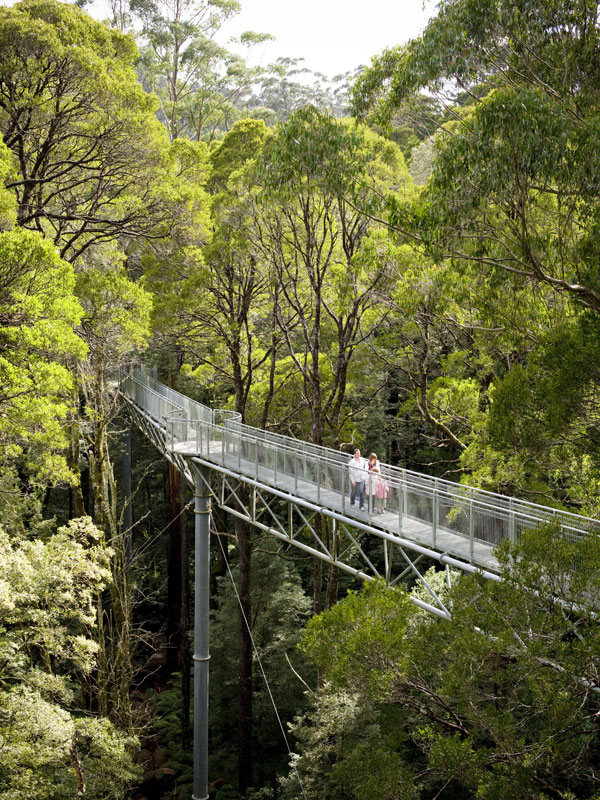
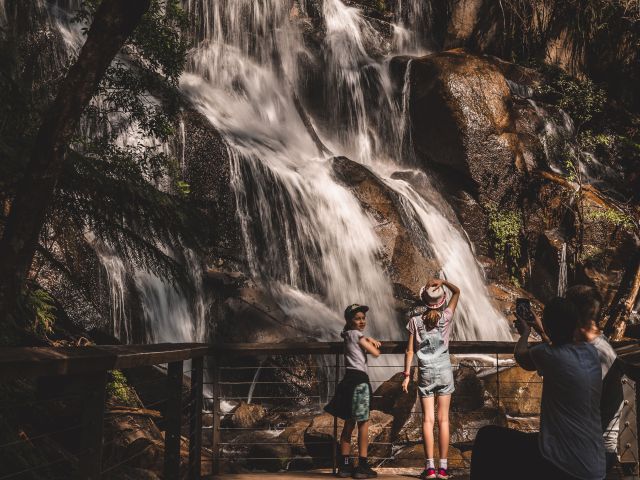
Mountain biking aside, the Otways are also renowned for lush rainforest, waterfalls and walks. But nothing compares to the perspectives from Otway Fly Treetop Adventures, where a 600-metre elevated walkway enables a slow contemplation of rarely seen views.
We come face to face with epiphytes and the mighty trunks of myrtle beech and blackwood, and peer over the circular crowns of tree ferns 30 metres below on the forest floor. Somewhere, a creek rushes; birds sing. It’s hard to tell whether the tree trunks are swaying or we are. I don’t want to come down.
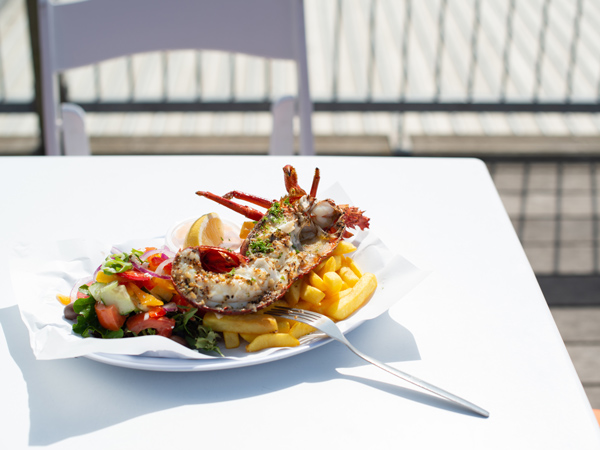
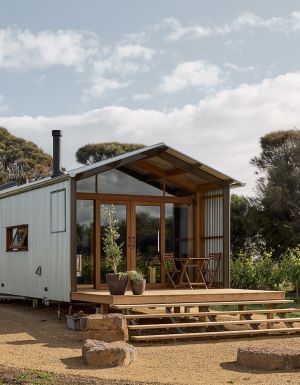
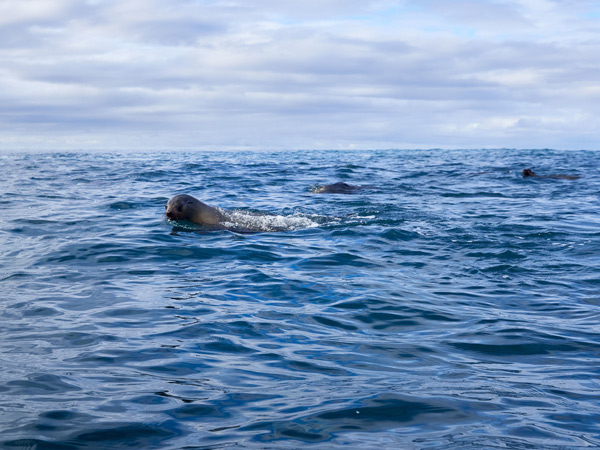
Eventually we do, returning to the blue at the laid-back fishing port (read: seafood heaven) of Apollo Bay and its glorious three-kilometre beach. Our cabin at Marengo Family Caravan Park is a stone’s throw from coastal platforms and pools just begging to be explored. Offshore, roughly 200 Australian fur seals gather, which we encounter twirling beneath our boats the next morning on a paddle with Apollo Bay Surf & Kayak.
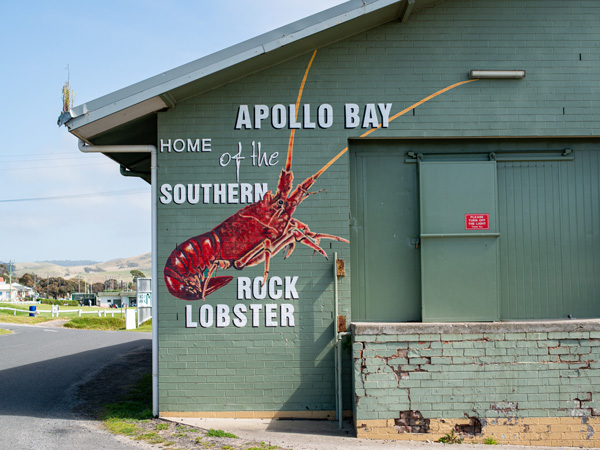
I’ve gone from visiting the region in one day to exploring it over four, yet still wish I had more time. Not just to see more but to do less; all those beaches deserving of a solid linger. Next time…
Weekly travel news, experiences
insider tips, offers, and more.
A traveller’s checklist
Getting there
A 90-minute drive west from Melbourne/Naarm leads to Torquay and the start of the Great Ocean Road.
Playing there
There are dozens of walks, beaches and coastal lookouts to explore. Aerial views with Otway Fly Treetop Adventures and 12 Apostles Helicopters offer a different perspective. The Forrest MTB Hire team are the experts on Forrest’s 70 kilometres of mountain bike trails. Apollo Bay Surf & Kayak enable close encounters with seals.
Staying there
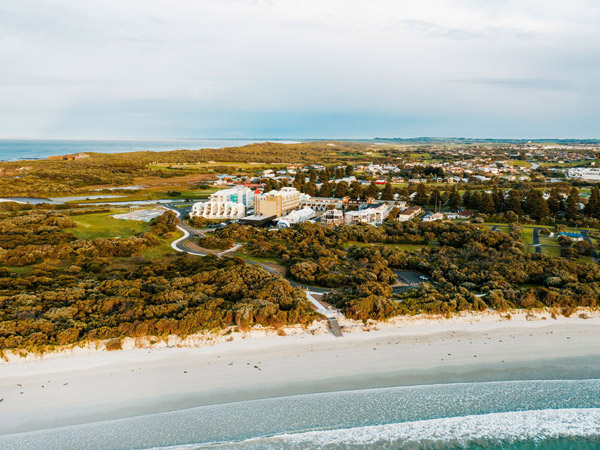
Hot springs are on tap at Deep Blue Hotel & Hot Springs. Waves Port Campbell has spacious suites (most with spa baths) and one of the town’s best eateries. For absolute waterfront, the campsites and cabins at Marengo Family Caravan Park in Apollo Bay can’t be beaten.
Eating there

Good food is plentiful, with notable options including The Perch Lavers Hill, beachfront Pavilion Cafe & Bar in Warrnambool, Port Campbell’s Grassroots Deli Cafe and Apollo Bay Fishermen’s Co-op.
Want to see more stories from Australian Traveller in your Google search results?
- Click here to set Australian Traveller as a preferred source.
- Tick the box next to "Australian Traveller". That's it.