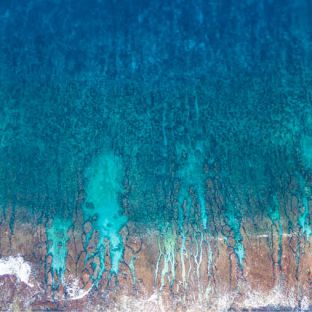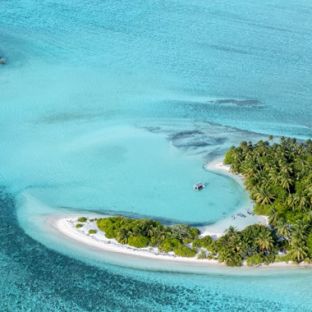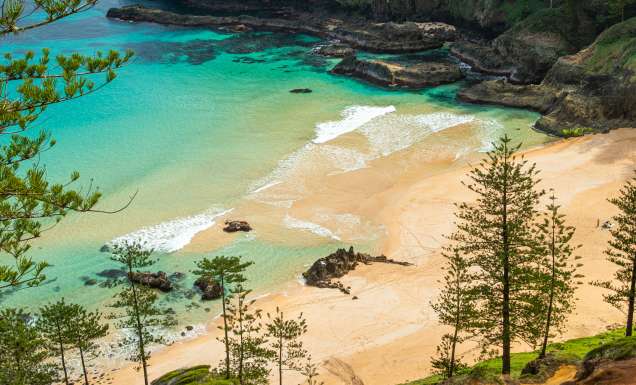
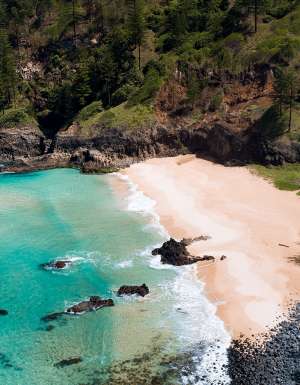
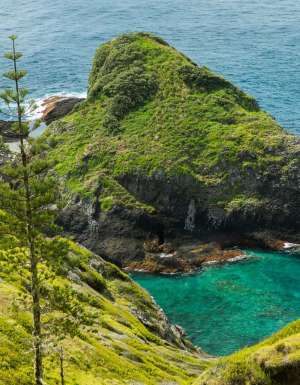
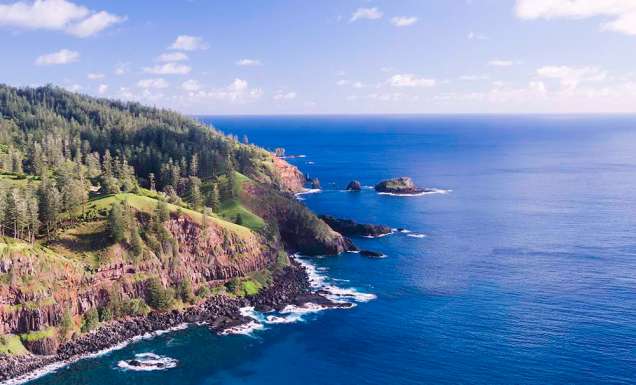
Hidden like a gem in the South Pacific, Norfolk Island is a dazzling utopia of turquoise lagoons, luscious trails that wind through majestic Norfolk Island Pines, and a slow-food movement that produces some of the most flavoursome culinary delights off the mainland.
Add to that a fascinating history, rare birdlife, stunning swimming spots, and a gentler pace of life that will leave you rejuvenated beyond compare, and you’ll be wondering why you haven’t visited the Australian island sooner.
Top things to do on Norfolk Island
Norfolk Island provides ample opportunities to explore its natural beauty. A colourful kaleidoscope of sea life awaits at the best swimming spots. Norfolk Island also has a rich history linked to its settlement by mutineers from the HMS Bounty. There are several attractions that invite visitors to delve into the fascinating past.
Visiting Norfolk Island
Just under 2000 people call this 35-square-kilometre Australian island home. English is predominantly spoken, but the local language is a mix of Tahitian and colonial English inherited from the island’s bounty descendants.
Find Norfolk Island halfway between Australia and New Zealand in the middle of the South Pacific and 1677 kilometres north-east of Sydney. Australian travellers still require photo identification to enter.
There are regular 2.5-hour flights to Norfolk Island from Sydney and Brisbane. It’s possible to get to Norfolk Island via a cruise, although this is often weather-dependent as a tender is required to transport passengers to shore.
Best places to stay on Norfolk Island
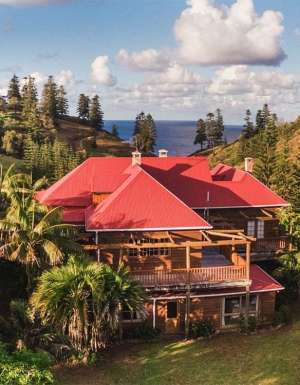
Self-contained units, apartments, independent hotels and holiday homes to suit a variety of budgets and people make up the accommodation options on Norfolk Island. Whether you prefer a cosy cottage or an upscale villa, there’s something for everyone.
Where to Eat & Drink on Norfolk Island
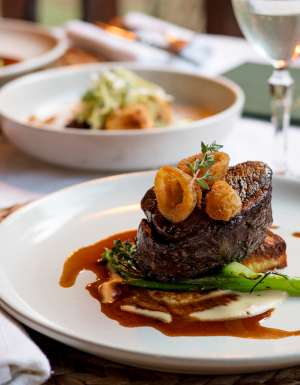
Norfolk Island’s food philosophy can be summed up as grown consciously, ripened naturally, and consumed in season. Ninety-nine per cent of its fresh food is grown in the rich volcanic soil of the island, the seafood is plucked fresh from the ocean, and locally sourced meats, cheeses, coffee and honey also make an appearance. Those wanting to taste the best on offer should book into one of the best places to eat and drink on the island.
Tours & experiences for Norfolk Island
No matter your interests you will find a wealth of options to entertain on Norfolk Island – from fishing charters and bird-watching tours to cheese-tasting and ghost tours.
Join the Lantern Lit Ghost Tour through KAVHA at night to hear spine-tingling tales from the past, brought to life as you walk the historic streets with your knowledgeable guide.
Learn about the life and work of author Colleen McCullough on a tour of her home, or observe stunning constellations on a Stargazing Tour where you will understand why Norfolk Island was coveted Gold Level Dark Sky Town by the Australian Dark Sky Register.
Catch some of that famous seafood bounty on a half-day Norfolk Island Fishing charter or private charter on board the custom-made Noosa Cat. Or hop aboard a Glass Bottom Boat Tour to view the underwater marine life on a one-hour cruise that will have you enjoying the ecosystems below within minutes of leaving the shore.
Top things to do on Norfolk Island
Norfolk Island provides ample opportunities to explore its natural beauty. A colourful kaleidoscope of sea life awaits at the best swimming spots. Norfolk Island also has a rich history linked to its settlement by mutineers from the HMS Bounty. There are several attractions that invite visitors to delve into the fascinating past.
Visiting Norfolk Island
Just under 2000 people call this 35-square-kilometre Australian island home. English is predominantly spoken, but the local language is a mix of Tahitian and colonial English inherited from the island’s bounty descendants.
Find Norfolk Island halfway between Australia and New Zealand in the middle of the South Pacific and 1677 kilometres north-east of Sydney. Australian travellers still require photo identification to enter.
There are regular 2.5-hour flights to Norfolk Island from Sydney and Brisbane. It’s possible to get to Norfolk Island via a cruise, although this is often weather-dependent as a tender is required to transport passengers to shore.
Best places to stay on Norfolk Island
Self-contained units, apartments, independent hotels and holiday homes to suit a variety of budgets and people make up the accommodation options on Norfolk Island. Whether you prefer a cosy cottage or an upscale villa, there’s something for everyone.
Where to Eat & Drink on Norfolk Island
Norfolk Island’s food philosophy can be summed up as grown consciously, ripened naturally, and consumed in season. Ninety-nine per cent of its fresh food is grown in the rich volcanic soil of the island, the seafood is plucked fresh from the ocean, and locally sourced meats, cheeses, coffee and honey also make an appearance. Those wanting to taste the best on offer should book into one of the best places to eat and drink on the island.
Tours & experiences for Norfolk Island
No matter your interests you will find a wealth of options to entertain on Norfolk Island – from fishing charters and bird-watching tours to cheese-tasting and ghost tours.
Join the Lantern Lit Ghost Tour through KAVHA at night to hear spine-tingling tales from the past, brought to life as you walk the historic streets with your knowledgeable guide.
Learn about the life and work of author Colleen McCullough on a tour of her home, or observe stunning constellations on a Stargazing Tour where you will understand why Norfolk Island was coveted Gold Level Dark Sky Town by the Australian Dark Sky Register.
Catch some of that famous seafood bounty on a half-day Norfolk Island Fishing charter or private charter on board the custom-made Noosa Cat. Or hop aboard a Glass Bottom Boat Tour to view the underwater marine life on a one-hour cruise that will have you enjoying the ecosystems below within minutes of leaving the shore.