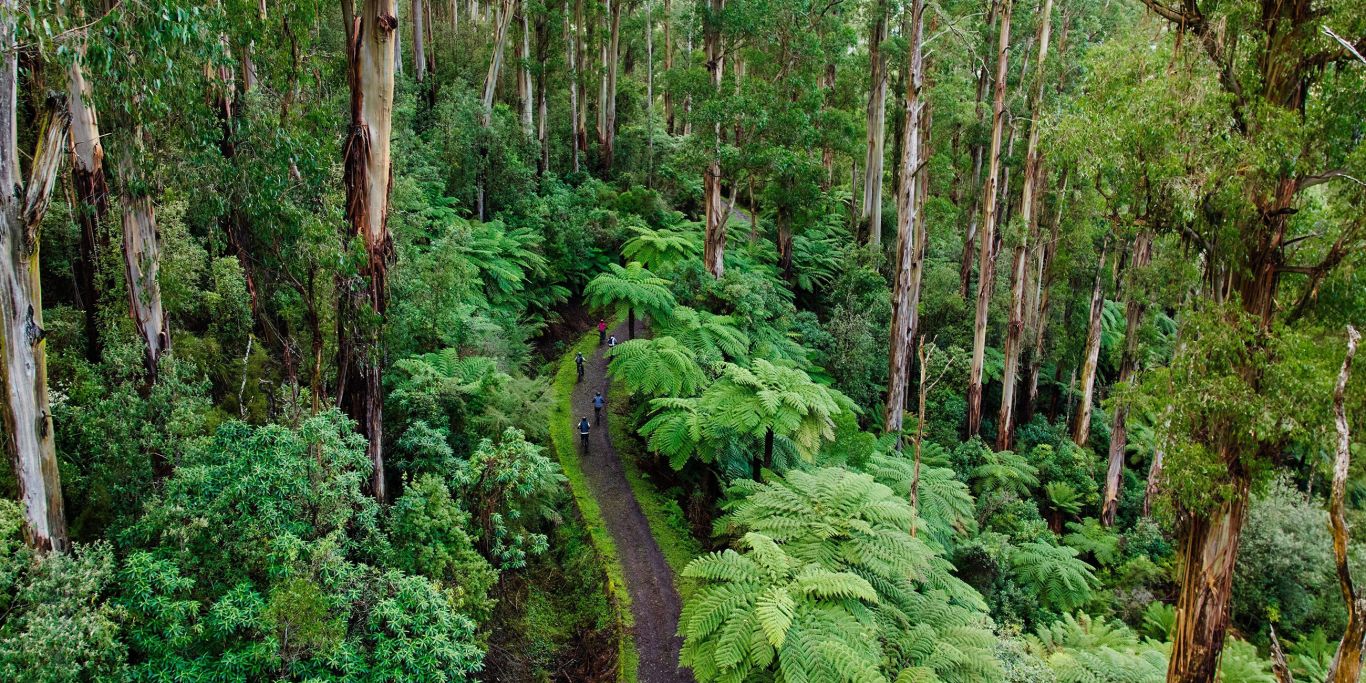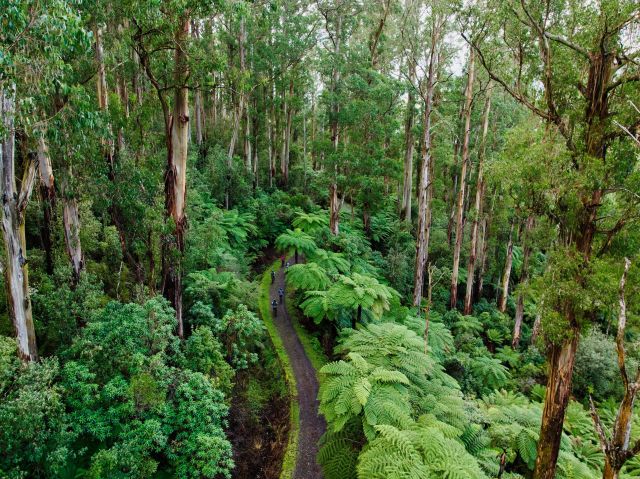

South Gippsland, which stretches from Melbourne’s eastern suburbs all the way to Wilsons Promontory, is gorgeous, green and a gastronomic delight.
It’s early summer when I take a road trip to explore the gourmet offerings of Victoria’s South Gippsland region, and my adventure quickly proves fruitful. I’m seduced by signs urging me towards a rest area just minutes after I’ve turned onto the South Gippsland Highway.
There, I find a farmer selling cherries, boxes of almost-ripe mangoes, plump stone fruit and sweet strawberries. I load up my basket with snacks for the road and head for Inverloch.
1. Waratah Hills Vineyard
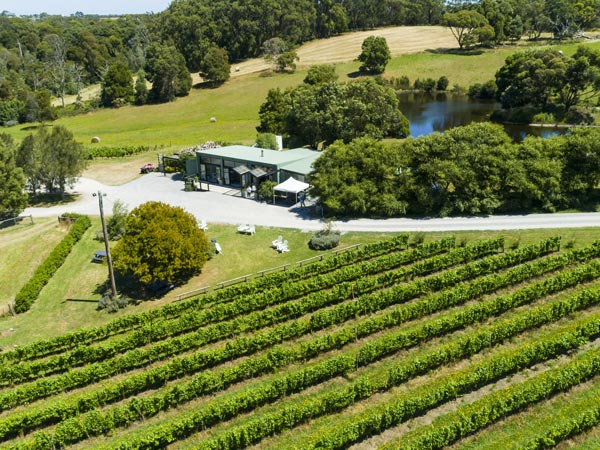
We use Tarwin Lower as a base to explore South Gippsland. Our first stop is Waratah Hills Vineyard in Fish Creek, a 16-hectare property with a cellar door and restaurant.
This slice of Gippsland is ideal for growing pinot noir and chardonnay grapes, and the vines are planted dense and low in the French style. Renowned local Marcus Satchell is the winemaker and his light touch is evident in the Prom Road and Waratah Hills labels.
Here, guests are encouraged to play pétanque and have a pinot noir (or blanc de noir) with vineyard views. Kids can tumble on the grass while adults enjoy a pizza in the casual outdoor eatery or an indulgent cheese platter in the restaurant.
2. Gurneys Cider
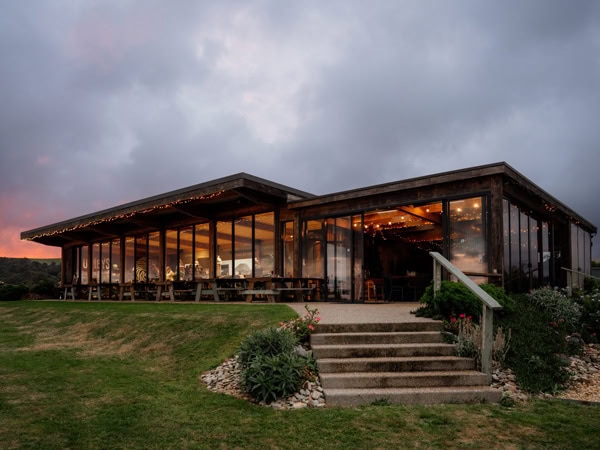
Next, we visit Gurneys Cidery, home to the world’s largest underground cider cellar door. Named The Arches, the structure was purchased from the former Hazlewood coal mine and repurposed as a cellar. Inside, gentle music floats around the dimly lit room.
Our guide tells us about Dr Matsuro Emoto’s water experiment, which theorised that the molecular structure of water is shaped by its environment, particularly human thoughts, emotions and intentions.
Just like some people talk to plants to help them grow, music is played at Gurneys to help nurture the cider and improve its flavour. The tasting flight convinces me of the experiment’s validity.
The Gurnett family moved to Australia in 2001 from England and, missing their beloved cider, started foraging for apples and making cider with second-hand juicers. They purchased this property and planted over three hectares of heritage apple varieties, then built the restaurant and a home with views of rolling hills.
Need tips, more detail or itinerary ideas tailored to you? Ask AT.
AI Prompt
3. Mahob at Moo’s
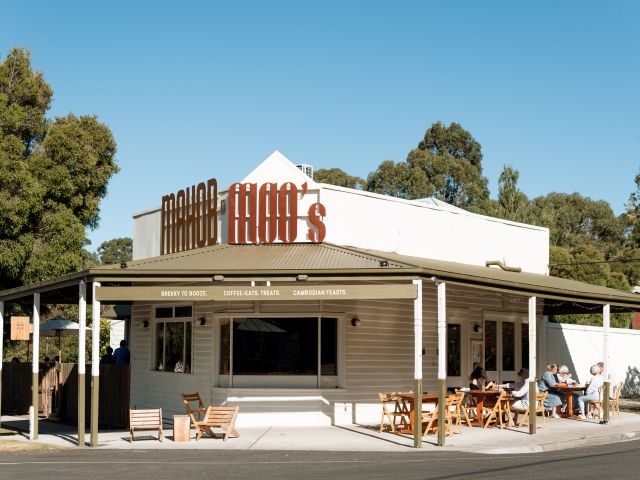
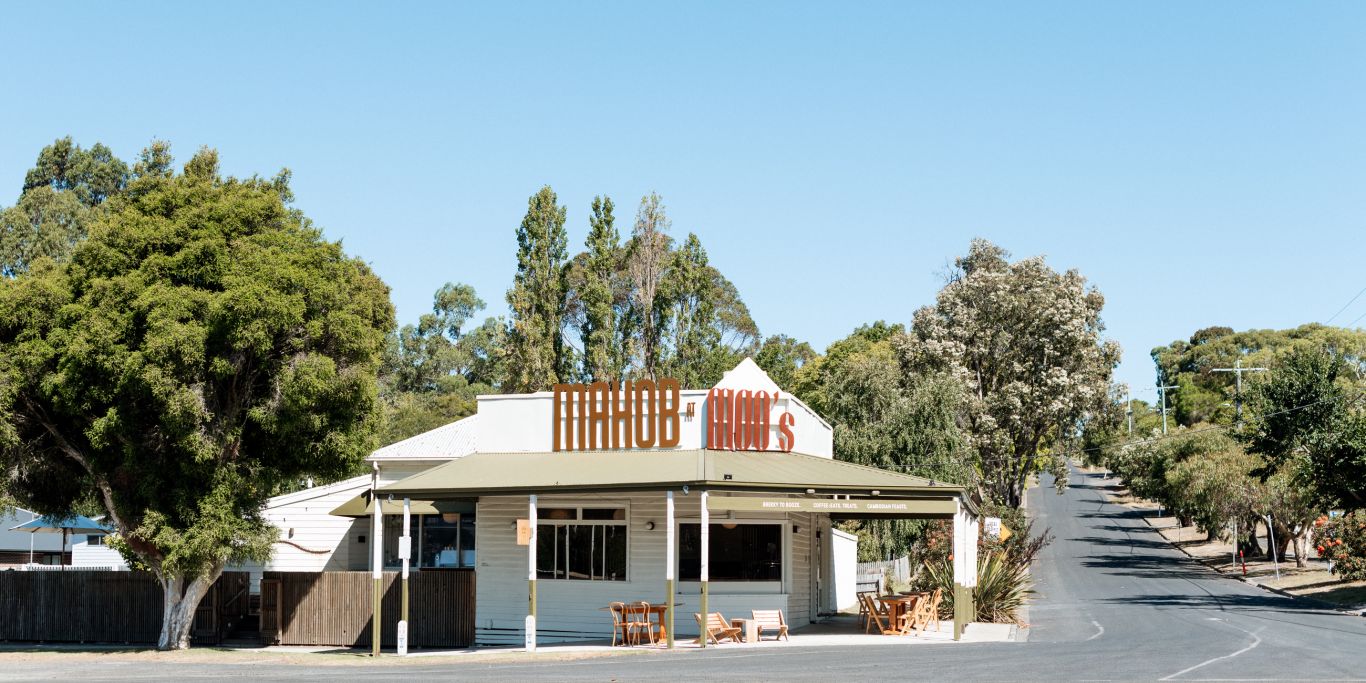
Mahob at Moo’s is a standout addition to South Gippsland’s vibrant dining scene, set in the charming village of Meeniyan. By day, it’s a relaxed cafe serving modern Australian breakfasts, lunch and excellent coffee with Southeast Asian influences; by night (Friday and Saturday), it transforms into a restaurant showcasing modern Cambodian-inspired cuisine crafted by chef Woody Chet.
Diners can enjoy fresh, flavour-packed dishes in the welcoming weatherboard space with indoor and outdoor seating, often praised for its warm service and community spirit.
4. Fleet Wines
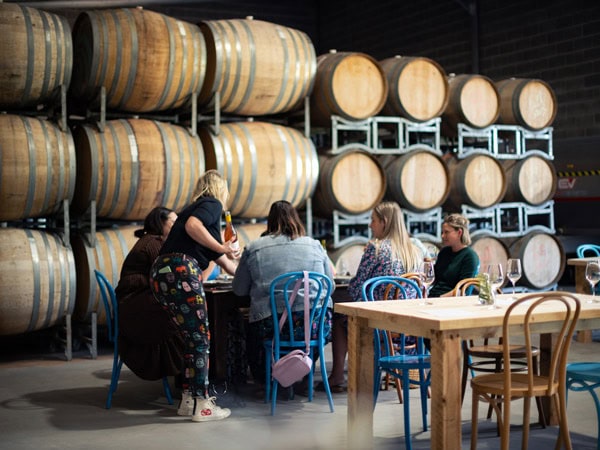
Lisa and Justin Jenkins opened their Korumburra cellar door in November 2023. Designed as a place for their punters to enjoy wine, this long-term hospitality couple want their land to be in good shape for future generations.
They are regenerating the soil at Fleet Wines and putting their heart and soul into creating deep connections with their neighbours, the land and the wildlife that lives upon it. The couple are also busy planting native species to replenish the earth where their vines will grow. They’ve planted 8000 trees on their property since 2019.
“We like to make wines we’d like to drink, and we like to drink things that have energy and light and a sense of refreshment to them," Lisa says.
Weekly travel news, experiences
insider tips, offers, and more.
5. River Drive Motel
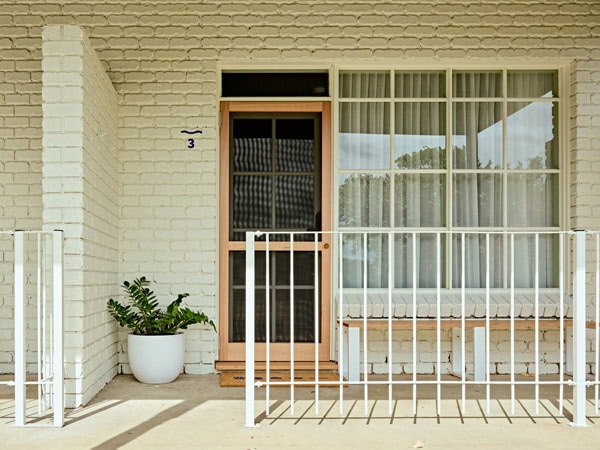
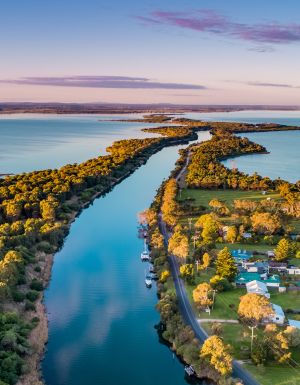
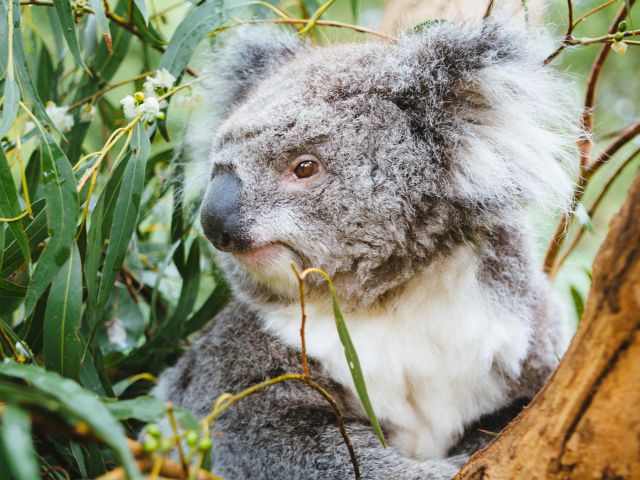
Our headlights illuminate a koala nonchalantly crossing the road on our drive back to River Drive Motel. We pull over, feeling both exhilarated and concerned, to ensure the koala’s safe passage and watch it disappear into the darkness. Each of the five rooms at the boutique motel has been renovated in modern shades of green and pink and are flush with luxe elements.
I’m in The Snug, a double with a bathroom (including a bath) and kitchenette. The minibar is filled with local artisanal goods such as the A.R.C. Baw Baw White wine, gin from Loch Brewery & Distillery and Chappy’s Chips. A garden shed has lawn games, deck chairs, beach towels and sunscreen. Guests can gather around the fire pit, seated on tree stumps, arranged for this purpose, or cook a barbecue in the tranquil, expansive garden.
I’ve ordered croissants and muesli from Acacia Edibles for breakfast in the morning. I eat by the water at a 35-metre-long picnic table that has been crafted and curved to represent the flow of the Tarwin River. I then wander, absorbing the serenity, bowl in hand, along the water’s edge, taking photos of the bottlebrushes, birds and intricate patterns on the bark of the eucalyptus trees.
There’s plenty to do and see on a gastronomic journey around South Gippsland. This weekend was like a tasting plate of what the region has to offer. If only I could pack the whole gorgeous place into a picnic basket to take home.
Want to see more stories from Australian Traveller in your Google search results?
- Click here to set Australian Traveller as a preferred source.
- Tick the box next to "Australian Traveller". That's it.